Updated July 16, 2026

Key Takeaways
- Compare quotes using the same peak inventory value, deductible, and valuation assumptions so you can see real coverage differences.
- Ask in writing how the policy handles hail, flood, theft, vandalism, and test drives before you bind coverage.
- Prepare a current inventory schedule, offsite storage list, and security summary before requesting dealer open lot insurance quotes.
- Review whether flood needs separate placement instead of assuming another policy form includes it automatically.
- Requote after security upgrades, lot layout changes, or improved claims history so pricing reflects your current risk.
Dealer Open Lot Insurance in Alaska
The surprise gap with dealer inventory is not always the obvious weather loss. More often, it is the mismatch between where units actually sit, how often they move, and what your policy schedule shows on the day a claim happens. That matters more in Alaska because many dealers use a main lot plus overflow storage, seasonal staging, transport between communities, or temporary holding areas while units are cleaned, repaired, or photographed for sale. If your quote is built from an outdated inventory list or a vague location description, you can end up arguing over values, storage addresses, or transit handling when you need the claim to move.
Alaska buyers should review lot layout, offsite storage, snow-load exposure, and freeze-related damage concerns. Pay attention to how keys, titles, and vehicle movement are controlled. You also want to confirm how the policy treats units waiting for parts or service during colder months, when vehicles may sit longer before sale. A useful quote starts with the real operating picture, not just a vehicle count.
What Dealer Open Lot Insurance Covers
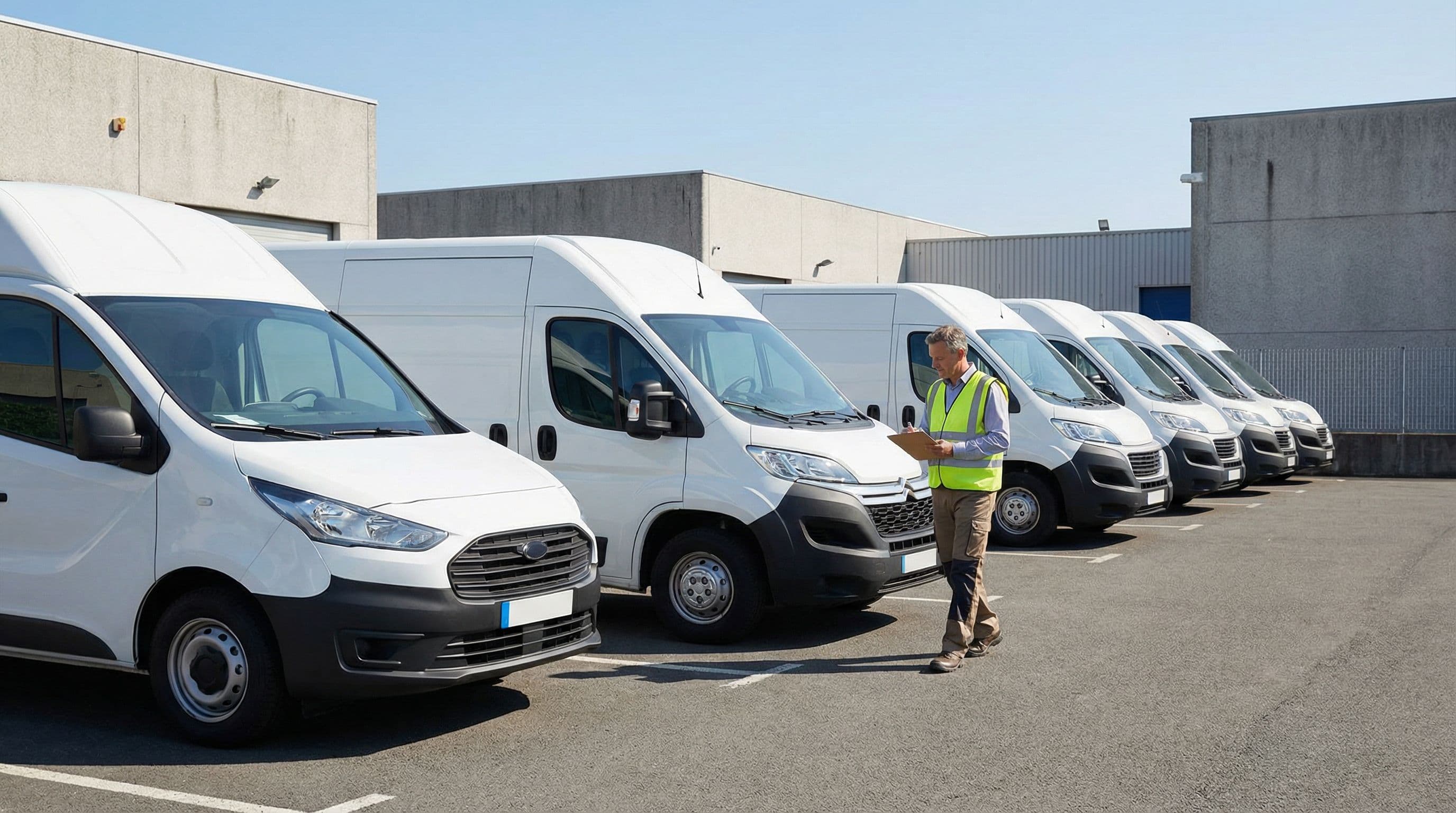
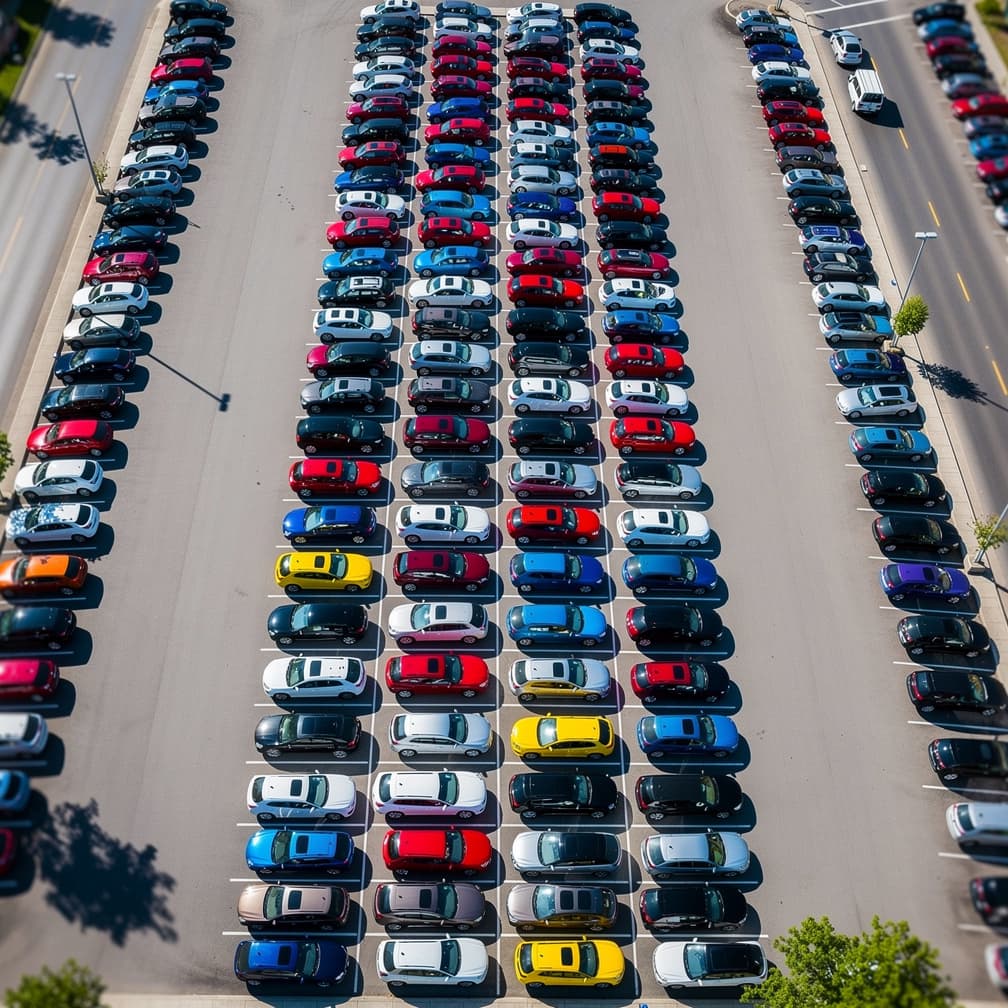
For Alaska dealers, the practical review is less about broad promises and more about where loss can happen across your actual workflow. You may have vehicles parked behind the building after intake, lined up near a service area for reconditioning, stored at a secondary yard when space tightens, or moved to another location for photos, repairs, auction preparation, or seasonal demand. Each of those handling points should be described clearly so the policy matches the way inventory is really managed.
Cold weather operations change the questions worth asking. Units can sit longer while batteries weaken, fluids react to temperature swings, and snow or ice changes how vehicles are parked, accessed, and moved around the property. If your dealership carries trucks, SUVs, powersports units, trailers, or mixed inventory, ask whether any category needs separate attention because storage methods and values differ. The same goes for vehicles awaiting parts, title work, or mechanical inspection before they are ready for sale.
Security procedures matter just as much as physical damage review. Underwriters often want a clear picture of fencing, lighting, camera placement, key control, after-hours access, and who can move vehicles off the lot. If you use overflow storage, document whether it is enclosed, shared, or open to the public. If units are transported between locations, ask how that movement is treated and where another policy may need to respond. In Alaska, the useful coverage conversation gets specific about addresses, storage practices, movement patterns, and responsibility at each step.

Weather Damage
Covers hail, wind, flood, and storm damage to lot inventory.
Theft Protection
Covers vehicles stolen from your lot.
Fire Damage
Covers fire and explosion damage to inventory vehicles.

Vandalism
Covers intentional damage to vehicles on your lot.
Test Drive Coverage
Covers vehicles during customer and employee test drives.
Transit Coverage
Covers vehicles being moved between lot locations.
Dealer Open Lot Insurance Requirements in Alaska
- Alaska dealerships often need location schedules that go beyond the sales lot because overflow storage and seasonal staging can change where inventory spends the night.
- Cold-weather operations can lengthen holding times for units awaiting parts, repairs, or detailing, so storage descriptions should match those real delays.
- If inventory moves between communities, service vendors, or secondary yards, document each routine movement so the policy review follows actual handling.
- Mixed inventory such as trucks, trailers, RVs, or powersports units may need closer valuation and storage review because parking patterns and exposure differ.
How Much Does Dealer Open Lot Insurance Cost in Alaska?
Dealer open lot pricing in Alaska usually turns on exposure quality, not a simple inventory count. An underwriter will want to understand the total value of vehicles for sale, but the next questions often matter just as much: where the units are stored, whether inventory is concentrated in one lot or spread across several addresses, how often vehicles move between locations, what security controls are in place, and how quickly values are updated when inventory changes.
Inventory that sits longer through colder periods may create a different claims profile than fast-turn stock on a tightly controlled lot. That can mean more freeze-related damage, snow-load exposure, or vandalism risk on units that are not checked as often. A dealership that keeps vehicles in organized rows with documented key procedures, regular lot checks, and current schedules often presents more cleanly to underwriting than one with informal storage and inconsistent records. The same principle applies if you hold higher-value trucks, specialty units, or mixed inventory classes that are not all stored the same way.
Your quote request should separate a few items clearly: owned inventory for sale, any offsite locations, any temporary storage arrangements, and any routine movement between addresses. If values change often, send updated schedules instead of rough estimates. That helps avoid a quote that looks workable at first but becomes difficult at claim time. Alaska buyers should also ask how deductibles, valuation method, and location-specific limits affect the premium, because a lower upfront price can leave a larger retained loss after a weather event, theft, or lot damage claim.
Request a Quote Comparison
Enter your ZIP code to compare dealer open lot insurance rates from top carriers.
Business insurance starting at $25/mo
Who Needs Dealer Open Lot Insurance?
In Alaska, dealer open lot review is especially important for dealerships that do not keep every unit in one simple, visible sales row. Independent used dealers often need it because intake vehicles, front-line inventory, and units waiting on repairs may be parked in different places during the same month. Franchise operations may have a cleaner main lot but still use overflow areas, service staging, or separate storage for trade-ins and delayed deliveries. Powersports, trailer, and RV sellers can face the same issue when larger units require different parking patterns or seasonal storage decisions.
The need becomes more obvious if your business model depends on movement. Dealers that transfer units between communities, shuttle vehicles between a recon area and the sales lot, or hold inventory offsite while space is tight should review whether every location and handling step is described accurately. The same is true if your operation relies on outside detail shops, repair vendors, or shared storage arrangements. A gap often appears not because the dealer lacks insurance, but because the policy was quoted around a simpler operation than the one you actually run.
This coverage also deserves attention if your inventory values swing sharply. A small lot with a handful of higher-value trucks can have a very different loss profile from a larger lot of lower-value passenger vehicles. If you carry mixed inventory, ask whether the schedule, limits, and valuation approach still fit after your stock changes. If your locations, storage methods, or vehicle mix changed in the last renewal cycle, that is your signal to re-quote.
Dealer Open Lot Insurance by City in Alaska
Dealer Open Lot Insurance rates and coverage options can vary across Alaska. Select your city below for localized information:
How to Buy Dealer Open Lot Insurance
To buy this coverage well in Alaska, start by building the submission the way an underwriter will review it. Prepare a current inventory schedule with vehicle descriptions, values, and the exact address where each unit is normally stored. Separate your locations by function: main lot, overflow lot, service area, body shop staging, temporary storage, and any offsite yard. If vehicles move between those places, explain how often, who authorizes the move, and whether movement is done by employees or outside transport.
Document the controls that reduce claim friction. That includes fencing, lighting, cameras, gate procedures, key storage, title handling, after-hours access, snow and ice removal routines, and how often the lot is checked when weather conditions worsen. If you have a written process for intake photos, condition reports, and inventory reconciliation, include that too. Those details help the underwriter understand not just the exposure, but how well you can prove what was on hand and where it was located before a loss.
Review the policy wording around offsite storage, temporary locations, and movement of units. Ask direct questions instead of assuming broad treatment. If a vehicle is parked at a secondary address for several weeks, is that location scheduled? If a unit is being moved for service or sale preparation, when does another policy respond and when does your policy respond? If a test drive or demonstration is involved, where does that exposure shift?
Alaska is regulated by the Alaska Division of Insurance, so if you are comparing forms, endorsements, and complaint handling standards, keep your review anchored to policy language and filed terms rather than verbal summaries. Before binding, match the final schedule to your dealer management records and confirm every address where inventory can realistically spend the night.
How to Save on Dealer Open Lot Insurance
The cleanest way to save on this coverage is to make your inventory easier to verify, secure, and value. Start with schedule accuracy. If your list of vehicles for sale is current, your storage addresses are exact, and your values are updated as units arrive and leave, the underwriter has less uncertainty to price around. Uncertainty usually costs more than disciplined reporting.
Next, tighten location control. If overflow storage is unavoidable, use designated areas with documented access rules instead of informal parking wherever space opens up. Keep a written map of where inventory categories are stored, who can move them, and how keys are issued and returned. A dealership that can show consistent key control, camera coverage, lighting, and regular lot checks often presents as a more manageable risk than one relying on memory and verbal procedures.
You can also save by aligning deductibles and limits with your actual loss tolerance. A lower premium may look attractive, but not if the deductible creates a retention problem after a weather or theft loss. Review whether you want to absorb more small losses in exchange for premium relief, or whether cash flow argues for a different structure. The right answer depends on your inventory values, turnover, and reserve position.
Finally, reduce avoidable claim disputes. Photograph units at intake, reconcile inventory frequently, and document transfers between addresses the same day they happen. If a loss occurs, those records can support faster valuation and cleaner proof of where the vehicle was stored. In Alaska, the dealerships that usually buy more efficiently are the ones that keep insurance data current alongside daily lot operations.
Our Recommendation for Alaska
In Alaska, ask for a quote review that follows the vehicle from acquisition to sale, not just a snapshot of the front line. That is the fastest way to find gaps around overflow storage, service staging, and units parked offsite longer than expected. Press for clarity on three points before you bind. First, confirm every address where inventory may be kept overnight. Second, verify how values are updated as stock changes. Third, ask how the policy responds when a unit is being moved between locations or held by a vendor for repair or preparation. Those are common places where a clean submission turns into a messy claim.
You should also compare deductible options against your winter operating reality. If snow, ice, or longer holding periods make smaller physical damage losses more likely, a deductible that looks manageable on paper may feel very different across several units. Review that decision with current inventory values in front of you. If your dealership added a storage yard, changed vendors, or shifted into trucks, trailers, RVs, or powersports, rework the application instead of renewing on old assumptions.
FAQ
Frequently Asked Questions
Alaska dealers often do if vehicles for sale are kept at a secondary address, even temporarily. The key issue is whether that location is clearly disclosed and scheduled so the quote reflects where inventory actually sits overnight.
Movement to a repair or recon vendor is a detail worth documenting before binding, not after a loss. Ask your provider when dealer open lot coverage applies and when another policy may need to respond, so the handling is clear before a claim happens.
Alaska weather can change storage patterns, lot access, and how long vehicles remain unsold or awaiting parts. That makes accurate location schedules, current values, and deductible review more important during the quote process.
Alaska used car dealers often can, but only if the submission clearly lists each storage address and how vehicles are controlled there. A single policy may fit better when the underwriter sees the full operating picture upfront.
Alaska buyers should send a current inventory list, values, exact storage addresses, and details on fencing, lighting, cameras, key control, and vehicle movement. That information helps the quote match your real lot operations.
Alaska insurance oversight sits with the Alaska Division of Insurance. If you are comparing forms or resolving a policy issue, keep your review focused on the filed policy language and the terms shown in your quote and binder.
Alaska RV and powersports dealers often need closer review of storage layout, seasonal inventory changes, and valuation because larger or specialty units may be parked differently and held longer than standard passenger vehicles.
Dealer open lot insurance nationwide is generally reviewed for damage or loss to vehicles you own for sale, including hail, wind, theft, vandalism, fire, flood, and test drive exposure, depending on your policy terms, deductibles, valuation method, and any location or off-premises limitations.
Sources
- 1.Alaska Division of Insurance(Alaska insurance oversight sits with the Alaska Division of Insurance.)
Updated July 16, 2026