Updated July 16, 2026

Key Takeaways
- Review your construction contract before requesting a quote, so the named insureds and insurance responsibility match the job documents.
- Prepare the project budget, timeline, address, and scope summary before applying, so the quote reflects the work actually being built.
- Check whether the policy addresses on-site materials, transit, temporary structures, and soft costs before the first delivery arrives.
- Compare the policy term against your realistic completion schedule, then ask about extension options before the original term gets close to expiring.
- Map builders risk against your liability, installation, and equipment policies, so you avoid both coverage gaps and overlapping property insurance.
Builders Risk Insurance in Arizona
A custom home owner building in the foothills outside Tucson faces a different builders risk decision than an investor converting a small retail shell in metro Phoenix. One project may need closer review of site security, temporary storage, and how materials move onto a more isolated lot. The other may need tighter attention to renovation scope, existing structure exposure, and lender documentation before funds are released. That is why builders risk insurance in Arizona works best when the quote follows the job, the contract, and the site conditions instead of a generic application.
Arizona projects also raise practical questions about weather exposure, vacant periods, and who is responsible for materials before installation. If your agreement shifts risk between owner, general contractor, and subcontractors, the policy setup needs to match that language before work starts. A useful quote review here starts with the build schedule, the draw requirements, the project address, and a clear list of who needs to be included so you can ask for terms that fit the way the job is actually being built.
What Builders Risk Insurance Covers
In Arizona, the most important coverage review often starts with where property sits before it is installed and how long it stays exposed at the site. A rural ground-up build outside a dense metro area can create different theft and weather concerns than an infill renovation surrounded by neighboring structures, fencing, and daily foot traffic. That affects how you should review materials in transit, temporary storage, and property already delivered but not yet attached to the building.
Renovation work deserves especially careful attention. If your project involves improving part of an existing structure, ask whether the policy is written only around new work or whether certain existing elements need to be scheduled, excluded, or handled another way. That point matters on Arizona remodels where owners may keep part of the building occupied, phase work by area, or protect equipment and finishes already in place.
You should also line up the policy with the contract's risk transfer language. If the owner buys the policy but the general contractor is responsible for site controls, the named insured structure and any additional insured or loss payee requests need to be checked against the agreement. Lenders may also want evidence that the project is insured for the right term and value before draws continue.
Arizona's insurance regulator is the Arizona Department of Insurance and Financial Institutions. That means you can verify producer licensing and review complaint histories through DIFI before you commit to a policy, which is worth doing when you are comparing options from providers you have not worked with before.

Structure Coverage
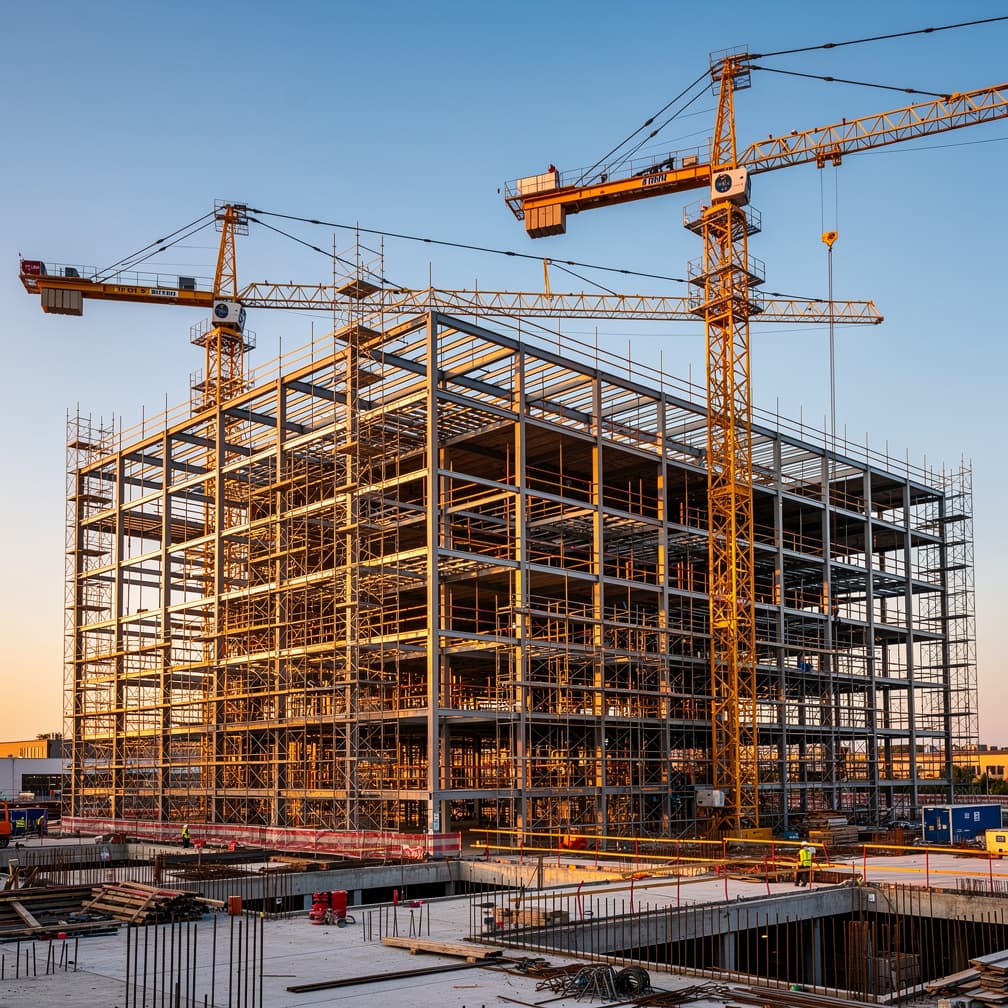
Covers the building or structure under construction.
Materials on Site
Covers building materials stored at the construction site.

Materials in Transit
Covers materials being transported to the job site.
Temporary Structures
Covers scaffolding, fencing, and temporary buildings.

Soft Costs
Covers additional expenses from construction delays due to covered losses.
Equipment Coverage
Covers permanently installed fixtures and equipment.
Builders Risk Insurance Requirements in Arizona
- Projects on remote or semi-rural sites often need closer review of fencing, delivery timing, and how long materials remain unattended.
- Renovation jobs in commercial corridors can require more precise handling of existing structures, neighboring occupancies, and phased work areas than a ground-up build.
- If your lender controls construction draws, match the builders risk policy wording to the loan requirements before the first funding deadline arrives.
- Owner-builder projects should confirm whether the contract and policy align on who bears the risk of loss once materials reach the job site.
How Much Does Builders Risk Insurance Cost in Arizona?
For Arizona projects, cost usually turns on how easy the job is to underwrite and how much uncertainty the carrier sees in the schedule, site controls, and total insured value. A straightforward new build with a clean budget, documented timeline, and clear responsibility for materials is generally easier to quote than a phased renovation where occupancy continues and values change as work progresses.
Underwriters look at access, surrounding exposure, and how materials are protected at the site. A site with controlled entry, documented delivery procedures, and a realistic construction calendar gives the carrier a clearer picture than a job where materials sit for long periods without a firm installation sequence. If your Arizona project includes custom components, imported finishes, or long lead items, mention that early so the quote can reflect how those items are stored and replaced.
The contract also affects price. If the owner must insure the full completed value, the quote needs to match that obligation. If the agreement requires certain parties to be included, or if a lender needs specific wording before releasing funds, those administrative details can change how the policy is structured and priced. Deductible choices, optional soft cost coverage, and any request to insure existing structures during renovation can also move the premium.
Include the construction budget, timeline, project description, security details, and the insurance requirements from the contract. That gives you a cleaner comparison and reduces the chance of a low initial quote changing once underwriting sees the full job.
Request a Quote Comparison
Enter your ZIP code to compare builders risk insurance rates from top carriers.
Business insurance starting at $25/mo
Who Needs Builders Risk Insurance?
In Arizona, the buyer is not always the same party that manages the day-to-day build. An owner developing a single custom residence may purchase the policy because the lender requires it and the owner carries the financial risk if a covered loss delays completion. A commercial landlord renovating a vacant suite may also be the policyholder, especially if lease-up depends on finishing tenant improvements on time.
General contractors should review the requirement closely even when they are not the named policyholder. If your contract makes you responsible for site security, temporary structures, or materials after delivery, you need to know exactly what the builders risk policy includes and where your responsibility starts and stops. That is especially important on Arizona jobs with multiple trades moving in and out of the site over different phases.
Developers, investors, and owner-builders also need to pay attention when financing is involved. Draw schedules, loan covenants, and closing conditions often require evidence that the project is insured in a way that matches the construction agreement. If the policy names the wrong party, omits a lender interest, or ends before the project is ready for occupancy, the paperwork problem can become a project problem.
Subcontractors usually do not buy the main builders risk policy for the whole job, but they still need to understand whether their materials or installed work are expected to be covered under the project policy or under their own insurance. The practical question is who has money at risk at each stage of the project and what the contract says that party must insure.
Builders Risk Insurance by City in Arizona
Builders Risk Insurance rates and coverage options can vary across Arizona. Select your city below for localized information:
How to Buy Builders Risk Insurance
Start an Arizona builders risk purchase by collecting the documents that define the job, not by guessing at the application. You want the signed or near-final construction contract, the project budget, the planned start and completion dates, the site address, and any lender insurance requirements. If the work is a renovation, include a clear description of what stays, what changes, and whether any part of the building remains occupied during construction.
Identify every party that may need to appear on the policy or certificate. That can include the owner, developer, general contractor, lender, and others with a financial interest in the project. If your contract uses different legal entity names than your internal paperwork, resolve that before requesting terms. Small naming errors can slow closing, delay permit-related paperwork, or force a rewrite after binding.
Prepare the underwriting details that matter on Arizona jobs. Cover how the site is secured, where materials are stored, whether any high-value items have long lead times, and how the project schedule handles weather or supply delays. If the build is in a more remote area, say so early. If it is an urban renovation with neighboring tenants or shared walls, say that too. Those facts shape the quote more than generic descriptions ever will.
Before you bind, ask for a line-by-line review of covered property, valuation basis, deductible, policy term, and the conditions that end coverage. Confirm whether extensions may be available if the project runs long. Then compare the policy against the contract one more time so the insurance requirement, named parties, and project value all match before work or funding advances.
Request a quote through CPK Insurance to compare your options with participating licensed providers.
How to Save on Builders Risk Insurance
Saving money on builders risk in Arizona usually comes from reducing uncertainty, not from stripping the policy down until it no longer matches the job. If your submission clearly explains the project scope, timeline, values, and site controls, you are more likely to get stable terms than if the application leaves major questions unanswered.
One practical step is to tighten your statement of values. Break out major materials, installed value, and any special components instead of relying on a rough total. If the project is a renovation, separate the new work from any existing structure exposure that needs separate treatment. That helps avoid paying for a broader setup than the contract or property actually requires.
You can also save by matching the policy term to a realistic construction schedule. An overly short term can create extension costs and administrative friction later. An overly padded term may not help if the schedule was never realistic to begin with. Review the build calendar with the contractor before requesting quotes, especially if procurement or inspections could affect completion.
Site practices matter too. Documented security procedures, controlled material deliveries, and prompt installation of high-value items can make the risk easier to place. If a lender or owner requires certain terms, providing those details early helps the quote hold up through underwriting. The goal is a policy that fits the Arizona project on the first pass, because midstream corrections often cost more in both premium and time.
Our Recommendation for Arizona
For Arizona projects, review the job through three lenses before you buy. First, map the property flow. Identify where materials are purchased, where they are stored, when they arrive on site, and who is responsible before installation. That is often where avoidable coverage gaps start.
Second, test the policy against the actual build format. A ground-up residence on a more isolated parcel, a tenant improvement in a busy commercial corridor, and a phased renovation of an older structure do not present the same underwriting questions. Ask for terms that fit the site access, neighboring exposures, and schedule instead of assuming one form works for every job.
Third, compare the insurance documents to the contract before binding. If the project could run long, ask how an extension is handled before you need one. Having the contract, budget, timeline, project address, and any lender requirements together helps you get a cleaner answer on whether the policy structure matches the Arizona job you are actually building.
FAQ
Frequently Asked Questions
Arizona projects are often insured by the owner, developer, or another party named in the construction contract. The right buyer depends on who carries the financial risk, who must satisfy lender conditions, and how the agreement assigns responsibility for the work.
Arizona renovation projects often need a closer review than new construction because the policy may treat new work, existing structures, and occupied areas differently. Ask how the form handles phased work, partial occupancy, and property already in place.
Arizona lenders commonly want evidence that the project is insured before draws continue. The practical step is to compare the policy terms, named interests, and completed value against the loan documents before binding so funding is not delayed.
Arizona buyers can verify licensing and regulatory information through the Arizona Department of Insurance and Financial Institutions. That gives you a direct place to confirm producer status and review complaint or compliance information before you purchase.
Arizona quote requests move faster when you send the construction contract, project budget, timeline, site address, and lender requirements together. For renovations, include what stays, what changes, and whether any part of the building remains occupied during work.
Yes, owner-builders can often review builders risk options, though the specifics depend on your project details, contract setup, and who is performing the work. Be ready to explain site security, construction experience, and how materials are handled.
Arizona policies can end based on events such as completion, occupancy, acceptance, or the policy expiration date, depending on the form. Review that trigger before binding so the coverage period matches the way your project will actually finish.
Builders risk insurance may cover, subject to policy terms, the structure under construction, materials on site, materials in transit, temporary structures, and fixtures or equipment being installed. Depending on the policy, you can also review soft costs and delay-related coverage tied to a covered property loss.
Sources
- 1.Arizona Department of Insurance and Financial Institutions(Arizona's insurance regulator is the Arizona Department of Insurance and Financial Institutions.)
Updated July 16, 2026