Updated July 16, 2026

Key Takeaways
- List every towing and transport service you perform before requesting quotes, so loading, unloading, winching, and recovery exposures are reviewed correctly.
- Compare the on-hook limit, deductible, valuation method, and exclusions side by side instead of choosing a policy on premium alone.
- Ask in writing whether your policy addresses the specific vehicles you tow most often, especially specialty, modified, low-clearance, or higher-value units.
- Use pre-tow photos, condition notes, and signed release procedures on every job to reduce disputes and support claims handling.
- Review on-hook coverage together with auto liability and any garagekeepers coverage before renewal to catch gaps between transport and storage.
On-Hook Towing Insurance in Arizona
A quote request usually goes better when you walk into it with your dispatch reality already organized. For on-hook towing insurance in Arizona, that means showing where your calls come from, which units handle wheel-lift versus flatbed work, whether you take police rotation or private impounds, and what kinds of vehicles you move on a normal week. An underwriter is trying to see how a loss could happen during loading, transport, or unloading, so the cleaner your operating picture is, the cleaner your quote usually becomes. Arizona also puts a practical spotlight on route conditions, heat exposure, dust, and sudden weather shifts that can change how a tow is performed and documented. If your paperwork only says "towing," you leave too much unanswered. If it shows your full range of services, storage arrangements, driver assignments, and any higher-risk work such as recovery or after-hours calls, you give the market something usable to price. Before you request terms, pull loss runs, unit details, driver lists, service contracts, and sample tow tickets. That preparation helps you compare limits, exclusions, and handling conditions instead of just staring at a premium.
What On-Hook Towing Insurance Covers
The Arizona difference is less about changing the basic purpose of your policy and more about making sure it matches the way your trucks actually operate across desert heat, mountain grades, monsoon conditions, and mixed urban and rural dispatch patterns. A buyer in this state should review how it responds to the exact handoff points where disputes start. Those points include the condition of the vehicle before hookup, the method used to secure it, the route chosen, the unloading surface, and who signs off at delivery. When your operation handles a mix of roadside calls, impounds, recovery work, and scheduled transport, those details matter because the same truck can present very different claim severity depending on the assignment.
Arizona operators should also look closely at whether their procedures line up with policy language around care, custody, and control during the tow. That is especially important if you move vehicles with pre-existing body damage, low ground clearance, modified suspensions, specialty wheels, or mechanical issues that make loading more delicate. A practical review should include your photo process before hookup, your securement checklist, your use of dollies or skates, and how drivers document exceptions when a vehicle cannot be moved in the usual way.
You should also ask how the coverage is intended to work alongside garagekeepers, auto liability, physical damage, and any storage-related protection you carry. A vehicle may be damaged during a tow, while waiting in your lot, or during a transfer between one stage of service and the next. If your forms are not coordinated, you can end up arguing over which policy should respond instead of focusing on the claim itself. Review those boundaries before you bind, and ask for examples tied to your actual range of services.
Collision on Hook
Covers damage to towed vehicles from collisions during transport.
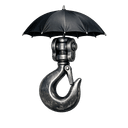
Comprehensive on Hook
Covers theft, fire, and weather damage to vehicles being towed.
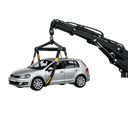
Loading & Unloading
Covers damage during the process of loading and unloading vehicles.
Winching Coverage
Covers damage to vehicles during winching and recovery operations.
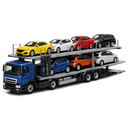
Multiple Vehicle
Covers all vehicles on multi-car carriers and rollback flatbeds.
On-Hook Towing Insurance Requirements in Arizona
- Arizona weather can shift from dry conditions to sudden monsoon storms, so your claim file should document road surface, visibility, and securement decisions for each tow.
- If your routes include mountain grades, rural highways, or long-distance transfers, review whether your operating territory description matches where losses could actually occur.
- Mixed Arizona operations often combine impounds, roadside calls, and dealer moves, so policy wording should be checked against each service rather than your company label alone.
- Uneven loading surfaces can complicate disputes over pre-existing damage, which makes intake photos and signed condition notes especially important.
How Much Does On-Hook Towing Insurance Cost in Arizona?
In Arizona, the useful way to think about cost is not a generic towing rate but a file built around exposure. Underwriters usually look at what you tow, how often you tow it, how it is secured, where it is moved, and how often your drivers handle situations where a small mistake can turn into a large vehicle damage claim. A flatbed focused on planned dealer or fleet moves is often evaluated differently from a unit that spends nights on roadside calls, private property impounds, and recovery assignments. The more your operation shifts between those jobs, the more important your documentation becomes.
State conditions can also affect pricing discussions even when they do not appear as a line item. Heat, steep access points, flash weather, and long travel distances can all change loading time, unloading conditions, and the chance of a dispute over whether damage happened before or during the tow. That means your quote often improves when you can show disciplined intake photos, signed condition reports, driver training records, and a consistent process for documenting unusual recoveries or nonstandard vehicles.
If you tow luxury vehicles, electric vehicles, lowered cars, motorcycles, commercial units, or vehicles with existing damage, tell the market up front. Trying to simplify the account can backfire later if the policy is priced for ordinary passenger vehicles but your dispatch log shows more complex work. The same goes for territory. Metro towing, highway work, rural calls, and mountain-area service can produce different claim patterns, so your operating radius should be described clearly.
Arizona buyers should compare quotes on more than premium. Review the on-hook limit, deductible, any restrictions tied to certain vehicle types or services, and how claims documentation is expected to be handled. A lower premium can cost more later if the form is narrow where your real exposures sit.
Request a Quote Comparison
Enter your ZIP code to compare on-hook towing insurance rates from top carriers.
Business insurance starting at $25/mo
Who Needs On-Hook Towing Insurance?
In Arizona, the businesses that need to review on-hook exposure are often broader than the company names suggest. If your operation takes possession of someone else's vehicle and moves it by tow truck, wheel-lift, or carrier as part of your paid service, you should review this coverage with your full service menu in mind. That includes operators who spend most of their week on roadside assistance but still tow disabled vehicles. It may also apply to companies that perform private property impounds, recovery specialists, transport-focused fleets, and mixed-service shops that move customer vehicles between locations.
The state-specific issue is operational variety. Many Arizona towing businesses do not stay in one lane. A single week can include apartment impounds, highway breakdowns, dealer transfers, accident scenes, off-pavement recoveries, and after-hours calls in poor visibility or fast-changing weather. If your insurance application only reflects the easiest part of that work, you risk buying a policy that does not fit the assignments that create the largest losses.
You should also review this coverage if you subcontract overflow work, use owner-operators, or dispatch different truck types depending on the call. Those arrangements can create confusion about which vehicle is responsible for damage and which policy should respond. The more moving parts in your operation, the more important it is to map responsibility before a claim happens.
Arizona buyers should also think about customer expectations. Dealers, fleets, property managers, lenders, and municipal clients often want evidence that your insurance program matches the services you are performing. If you are bidding for contracts or trying to stay on a rotation list, ask for proof of coverage wording that accurately reflects your operation.
On-Hook Towing Insurance by City in Arizona
On-Hook Towing Insurance rates and coverage options can vary across Arizona. Select your city below for localized information:
How to Buy On-Hook Towing Insurance
Buying this coverage in Arizona starts with building an underwriting file that reflects your real dispatch pattern, not a simplified version of it. Begin with a current list of trucks, VINs, garaging addresses, service territory, and the percentage of work each unit handles. Then separate your services into practical categories such as roadside towing, impounds, recovery, dealer or fleet transport, repossession-related moves, and specialty vehicle handling. If one truck does the difficult work, say so. That distinction can change how the quote is built.
Next, prepare the documents that answer the questions underwriters usually ask after the first submission. Pull driver lists with license information, loss runs, sample invoices or tow tickets, photos of equipment, and any written procedures for securement, intake photos, and damage documentation. If you use subcontractors or leased operators, include the agreements that show who is responsible for what. If you store vehicles after towing, be ready to explain where that handoff occurs so your on-hook and storage-related exposures are not blurred together.
Arizona buyers should also review state-facing compliance information from the Arizona Department of Insurance and Financial Institutions, so you know where to verify licensing and insurance questions before you bind. That helps you separate carrier requirements, contract requirements, and state oversight instead of treating them as the same thing. When quotes arrive, compare the forms line by line. Check the on-hook limit, deductible, covered vehicle types, service restrictions, reporting expectations after a loss, and any conditions tied to unattended vehicles, keys, storage transitions, or specialty tows. Ask the agent to walk through a few claim scenarios drawn from your actual calls. If the answer changes depending on the assignment, keep refining the application until the policy matches the work you really do. Request a quote through CPK Insurance to compare your options with participating licensed providers.
How to Save on On-Hook Towing Insurance
The most reliable way to save in Arizona is to make your operation easier to underwrite and easier to defend. Start with evidence. Standardize pre-tow and post-tow photos, require drivers to note existing damage before hookup, and keep securement checklists with the job file. In a disputed claim, clear documentation can matter more than a broad verbal description of what happened. It also shows the market that your business is disciplined, which can help when terms are being reviewed.
Next, separate exposures instead of blending them together. If certain trucks handle routine passenger vehicle tows and others take on recovery, impounds, or specialty vehicles, organize your submission that way. A vague application can push an underwriter to price for uncertainty. A precise one gives them a reason to evaluate each part of the operation on its own merits.
Driver management is another practical savings lever. Keep motor vehicle record reviews current, document training on loading angles, wheel-lift use, flatbed securement, low-clearance vehicles, and electric vehicle handling, and remove old assumptions from your process. Arizona conditions can change quickly, so your procedures should address reduced visibility and unstable surfaces during loading and unloading. If you can show that training is written, repeated, and enforced, you give the market a stronger file.
You can also save by choosing limits and deductibles deliberately rather than defaulting to the lowest premium. A deductible that your business can actually absorb may improve pricing without creating a cash-flow problem after a claim. Finally, review contracts before signing them. If a client requires higher limits, special wording, or proof tied to a specific service, address that before the job starts. Last-minute endorsements and mismatched coverage requests often cost more than a planned renewal review.
Our Recommendation for Arizona
Arizona towing operators should buy this coverage with claim handling in mind, not just certificate issuance. First, match each truck to its real assignments. If one unit handles recoveries, after-hours calls, or difficult impounds, do not let it disappear inside a generic fleet description. Second, tighten your evidence trail. Require time-stamped photos, condition notes, and a documented securement process on every tow, especially where uneven ground or sudden storms can complicate a loss story.
Third, review policy boundaries before you bind. On-hook losses can overlap with garagekeepers, auto liability, physical damage, and storage exposures if the vehicle moves through several stages of service. Ask where one policy stops and another begins, then test the answer against your actual workflow. Fourth, disclose specialty work early. Electric vehicles, luxury cars, lowered vehicles, motorcycles, and commercial units can change both underwriting and claims expectations.
Finally, verify state-facing insurance questions through the appropriate state source rather than relying on assumptions carried over from another state or an old policy term.
FAQ
Frequently Asked Questions
If your work includes impounds, the risk turns on custody of the vehicle during the tow, not just the job label. Make sure the quote reflects that service rather than a generic towing description.
Arizona buyers should compare quotes by limit, deductible, covered vehicle types, service restrictions, and claim documentation expectations. A lower premium is not enough if the form narrows recovery work, impounds, specialty vehicles, or the way your trucks are actually dispatched.
Arizona conditions can affect underwriting because uneven terrain and sudden storms change how vehicles are loaded, secured, and unloaded. That is why underwriters often respond better when your submission includes photos, procedures, and a clear description of difficult-call conditions.
Arizona operators should prepare truck schedules, driver lists, loss runs, sample tow tickets, service breakdowns, and any written securement or photo procedures. The more clearly you show who tows what, where, and under which conditions, the easier it is to compare usable terms.
Arizona insurance questions can be checked through the state's insurance regulator. Use that source to verify state-facing insurance information, then review your policy terms against your contracts, dispatch pattern, and the kinds of vehicles your trucks actually move.
Arizona operations that mix roadside calls and dealer transport should not assume one generic description is enough. Those assignments can produce different claim patterns, so your application should separate them and your quote review should test how the policy responds to each service.
Arizona underwriters ask about specialty vehicles because low-clearance cars, luxury vehicles, electric vehicles, motorcycles, and commercial units can change loading methods and claim severity. If you move them regularly, disclose that early so the policy is reviewed around your actual exposure.
On-hook towing insurance may cover damage to a customer vehicle while it is being loaded, attached, carried, winched, or unloaded by your tow truck, depending on the policy terms. Buyers should review collision, fire, theft, weather, and loading-related damage carefully.
Sources
- 1.Arizona Department of Insurance and Financial Institutions(Arizona buyers should also review state-facing compliance information from the Arizona Department of Insurance and Financial Institutions, so you know where to verify licensing and insurance questions before binding coverage.)
Updated July 16, 2026