Updated July 5, 2026

Car Insurance in Tucson
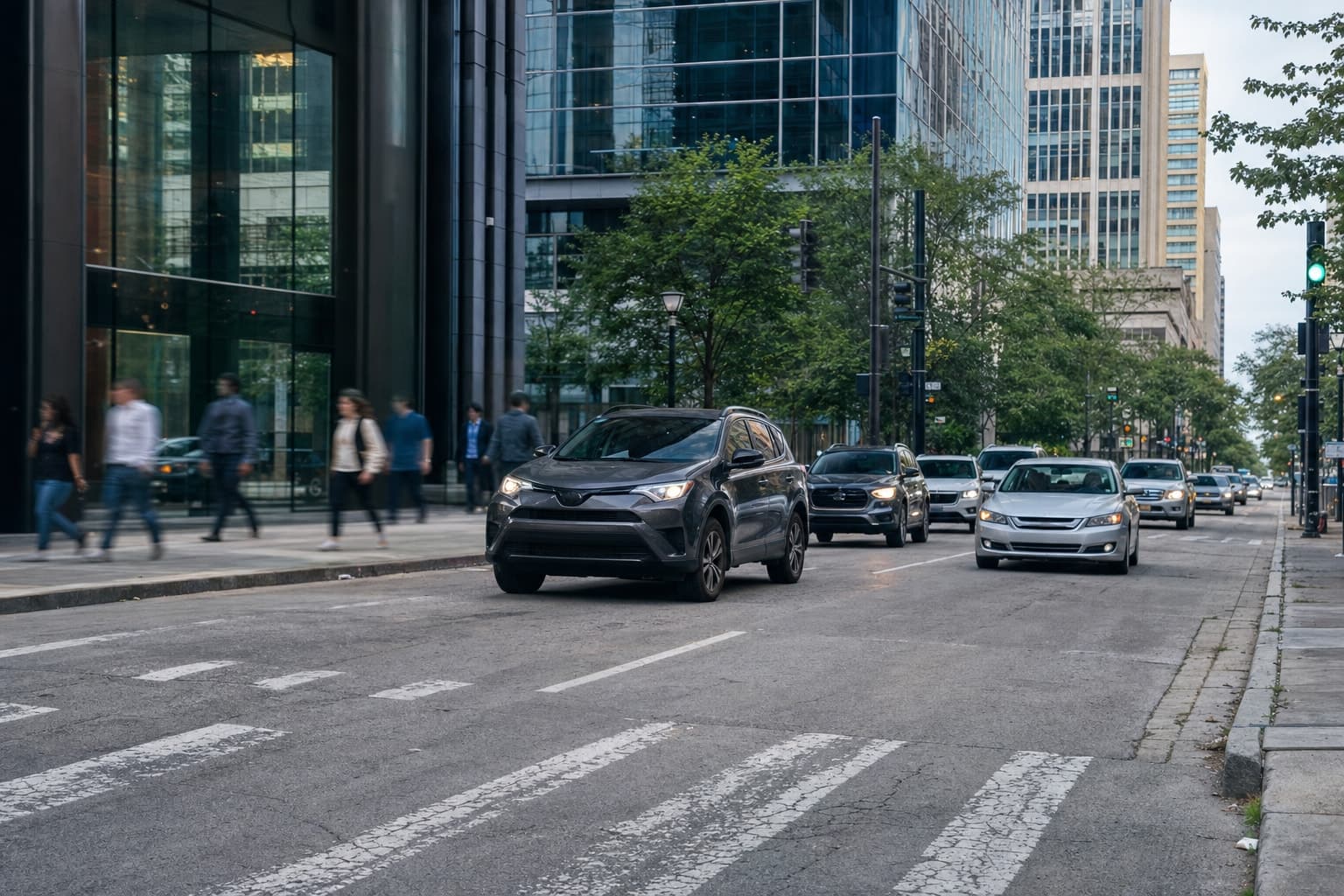
Tucson household budgets leave less room for a deductible surprise than many drivers expect. With a median household income of $54,546, car insurance in Tucson is often less about chasing the lowest premium and more about setting liability limits, comprehensive deductibles, and rental reimbursement you could actually absorb after a loss. That matters if you rely on one vehicle for work, school runs, or long crosstown trips between the foothills, Midtown, and the airport side.
The local buying decision usually comes down to cash flow. A higher deductible can trim the monthly bill, but it also means more out of pocket if glass damage, theft, or a weather-related claim puts your car in the shop. If your household would struggle to replace a vehicle quickly, it is worth reviewing whether your collision and comprehensive choices match that reality. Before you request quotes, gather your current declarations page, lienholder information, and a realistic number for what you could pay on short notice after a claim.
Arizona has a moderate climate risk rating. Top hazards: Extreme Heat (Very High), Wildfire (High), Dust Storm (High), Flash Flooding (Moderate). The state's expected annual loss from natural hazards is $680M, which influences car insurance premiums and may affect coverage availability in high-risk areas.
What Car Insurance Covers
In Arizona, car insurance is usually built around several core protections that work together on the road. Liability is tied to state requirements and is the foundation most drivers must keep in force. Collision can help with damage to your own vehicle after a crash, while comprehensive may help cover non-collision events like wildfire-related loss, dust storm damage, theft, and other incidents. Because Arizona has high wildfire risk and frequent dust storms, comprehensive is often worth reviewing even if your car is older than the average Phoenix commuter vehicle. Uninsured motorist coverage matters more here than in some states because of that 11.8% uninsured rate, which can affect how you think about protection after a collision. Medical payments coverage can help with covered medical expenses after a crash. Rental reimbursement can help keep you mobile while a covered claim is being repaired.
Coverage Included

Liability
Can help pay for injuries and property damage you cause to others in an accident, coverage most states require drivers to carry.
Collision
Can help pay to repair or replace your car after a crash with another vehicle or object, regardless of fault.

Comprehensive
Typically covers damage to your car from events other than collisions, such as theft, hail, fire, flooding, or hitting an animal.
Uninsured Motorist
May pay for your injuries and, in some states, car damage when an at-fault driver has no insurance or too little.

Medical Payments
Can help cover medical bills for you and your passengers after an accident, no matter who was at fault.
Rental Reimbursement
May pay for a rental car while your vehicle is in the shop for repairs after a covered claim.
Car Insurance Cost in Tucson
Average Cost in Arizona
$110 - $250
per month
In Arizona, car insurance premiums typically run $110 - $250 per month, which tends to run 6% above the national range of $110 - $230 per month.
- Driving record and age
- Vehicle make, model, and year
- Location and commute distance
- Credit-based insurance score
- Coverage limits and deductibles
Contact CPK Insurance for a personalized quote.
Prices shown are general estimates, not guaranteed rates or quotes. Your actual premium will depend on the insurer, coverage selected, personal details, location, claims history, and other underwriting factors. Learn about our pricing methodology.
The average premium range for car insurance in Arizona is about $110 to $250 per month. That premium index of 105 means pricing sits close to the national average but slightly higher in many cases, so you can expect rates that feel familiar but may trend above what you would pay in some neighboring states. With 410 active insurers in the state, shoppers have room to compare quotes across multiple carriers. A driver in central Phoenix may see different pricing pressure than someone in a quieter part of the state because traffic density, accident exposure, and theft risk vary by area. Arizona logged 128,000 crashes in 2023, with distracted driving, reckless driving, speeding, weather conditions, and drowsy driving all showing up as major causes. That volume of accidents can influence pricing, especially if your record includes recent claims or violations. If you choose higher limits, add comprehensive, or lower your deductible, your monthly premium can move up. If you keep a clean record, compare multiple quotes, and select only the coverages you need, your price may move down.
What Makes Tucson Different
Budget resilience is the main local difference. In a market where many households have to watch monthly expenses closely, the real mistake is choosing a deductible or liability limit that only looks affordable until something happens. The practical question is not just what your premium costs today, but whether you could handle the first part of a claim without delaying repairs or taking on debt.
That changes how you compare quotes. Instead of only lining up monthly prices, ask each insurer to show the same bodily injury, property damage, collision, and comprehensive structure across every option. Then test one change at a time, such as moving the deductible or adding rental coverage, so you can see what actually moves the premium. If your car is financed, used for daily commuting, or hard to replace quickly, a slightly higher premium may be easier to manage than a deductible that strains your household budget.
Our Recommendation for Tucson
Start with your out-of-pocket threshold, not the advertised premium. If you could comfortably cover only a modest repair bill, ask for quotes with deductibles you can realistically pay within a few days, then compare how much you save by raising them. That keeps the decision tied to your cash reserves instead of guesswork.
Next, review liability with the way you actually drive around town. If you spend a lot of time on busy arterial roads, carry passengers often, or have savings and wages worth protecting, ask for higher liability options side by side with your current limits. If your vehicle is financed or essential for work, also review collision, comprehensive, and rental reimbursement together rather than as separate add-ons.
Finally, compare every quote on the same vehicle use, annual mileage, garaging address, and driver list. Small input differences can make one offer look cheaper when it is really just built on different assumptions.
Get Car Insurance in Tucson
Enter your ZIP code to compare car insurance rates from carriers in Tucson, AZ.
Car insurance starting at $59/mo
FAQ
Frequently Asked Questions
Tucson drivers should start with what they could pay quickly after a claim. A lower deductible can be the safer choice if an unexpected repair bill would disrupt your budget more than a slightly higher premium.
Tucson quote comparisons work best when you keep liability limits, deductibles, annual mileage, garaging address, and driver information identical. That lets you see whether the price difference is real or just caused by different assumptions in the quote.
Pima County has 21,083 business establishments, so many drivers spend the week moving between work sites, retail areas, and service appointments. If that sounds like your routine, review annual mileage, vehicle use, and rental reimbursement before you bind coverage.
Pima County's establishment mix includes health care and social assistance at 13.8%, professional services at 12.5%, and retail trade at 12.2%. That often means frequent local driving for shifts, client visits, and errands, so your stated vehicle use should match reality.
In Arizona, your policy is usually built around several core protections that work together on the road. Liability helps if you cause injuries or covered damage to others, collision helps repair your own vehicle after a crash, and comprehensive can address non-collision losses such as wildfire or storm-related damage. Medical payments coverage can help with covered medical expenses, and rental reimbursement can keep you driving while a covered repair is in progress.
Arizona car insurance requirements are regulated by the Arizona Department of Insurance and Financial Institutions. The state's personal auto liability minimums are $25,000 per person and $50,000 per accident for bodily injury, plus $15,000 for property damage. In practice, many shoppers compare their required liability level with optional protections like collision, comprehensive, and uninsured motorist coverage.
Car insurance cost in Arizona depends on coverage limits, deductibles, claims history, location, policy endorsements, and the vehicle you drive. The average range runs about $110 to $250 per month, but your actual quote can move up or down based on those factors and how they apply to your situation.
Liability is the starting point for most Arizona drivers because it is tied to state requirements, while collision and comprehensive are optional choices that depend on your vehicle and risk tolerance. Comprehensive can be especially useful if you want protection against non-collision events, and collision can help if your car is damaged in a crash.
Sources
- 1.U.S. Census Bureau, ACS 5-Year Estimates, table B19013(Tucson median household income is $54,546, so many drivers should set deductibles and limits around what they could realistically pay after a claim.)
- 2.U.S. Census Bureau, County Business Patterns, Pima County(Pima County has 21,083 business establishments, so many drivers should review mileage, vehicle use, and rental reimbursement around regular work and errand driving.; Pima County's leading sectors are health care and social assistance 13.8%, professional, scientific, and technical services 12.5%, and retail trade 12.2%, so many local drivers should make sure their stated vehicle use matches frequent shift, client, and errand driving.)
Updated July 5, 2026