Updated July 16, 2026

Arizona has a moderate climate risk rating. Top hazards: Extreme Heat (Very High), Wildfire (High), Dust Storm (High), Flash Flooding (Moderate). The state's expected annual loss from natural hazards is $680M, which influences homeowners insurance premiums and may affect coverage availability in high-risk areas.
What Homeowners Insurance Covers
For an Arizona home, the practical review starts with the parts of the structure that take the first hit from wind, heat, and wind-driven rain. Roof age, roof shape, underlayment, patio covers, attached garages, block walls, and detached structures all deserve close attention because claim disputes often start with what was scheduled, what was excluded, and what condition the materials were in before the storm. If your home has tile roofing, solar equipment, a pool, a casita, or extensive hardscaping, make sure the quote reflects those features instead of assuming a simpler replacement profile.
Water is another place where Arizona buyers need precision. A standard homeowners policy may respond very differently to sudden interior water damage from a covered event than it would to rising water or runoff entering from outside. That distinction matters most on homes near washes, slopes, or streets that can channel water quickly during heavy storms.
Liability also deserves a practical review. If you host often, have a dog, maintain a pool, or use short-term guests in any way allowed by your policy, ask how liability and medical payments are being handled and whether any activity creates a gap. Arizona oversight comes through the Arizona Department of Insurance and Financial Institutions, so if policy language or claim handling is unclear, keep your forms and endorsements organized before you buy and before you file.
Coverage Included
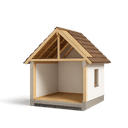
Dwelling
Repairs or rebuilds your home itself, the walls, roof, floors, built-in appliances, and attached structures like a garage, after a covered loss. Set this limit to the full cost of rebuilding, not market value.
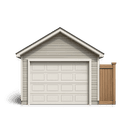
Other Structures
Detached structures on your property, such as a fence, shed, detached garage, or gazebo. Usually set at about 10 percent of your dwelling limit [2].

Personal Property
Your belongings, furniture, clothing, electronics, and appliances, generally written at 50 to 70 percent of your dwelling limit [2]. High-value items like jewelry and art carry special limits.

Additional Living Expenses
Also called loss of use. Pays your added living costs, hotel stays, meals, and a temporary rental, while a covered loss makes your home uninhabitable. Usually set at about 20 percent of your dwelling limit.

Liability
Covers you if someone is injured on your property, or you damage someone else's property, and you are found responsible. The standard $100,000 limit [2] is often raised to $300,000 or $500,000.

Medical Payments
Pays small medical bills, commonly $1,000 to $5,000, if a guest is hurt at your home regardless of fault, without a formal liability claim.
Homeowners Insurance Cost in Tucson
Average Cost in Arizona
$110 - $250
per month
In Arizona, homeowners insurance premiums typically run $110 - $250 per month, which tends to run close to the national range of $110 - $250 per month.
- Home replacement cost, age, and construction type
- Roof age, material, and condition
- ZIP code and local weather risk (wind, hail, wildfire, hurricane)
- Coverage limits and endorsements
- All-peril and percentage wind/hail deductibles
- Claims history and insurance score where allowed
Typical range for many standard homeowners profiles; lower-risk homes fall below it and coastal, wildfire, or older-roof homes can run well above. Final pricing depends on property details, location, underwriting, and selected coverage.
Prices shown are general estimates, not guaranteed rates or quotes. Your actual premium will depend on the insurer, coverage selected, personal details, location, claims history, and other underwriting factors. Learn about our pricing methodology.
Homeowners pricing in Arizona moves most on the details that change expected claim severity. Rebuild cost, roof age and material, prior claims, deductible choice, fire protection access, and whether the property shows water, wind, or wildfire sensitivity all drive the number. A masonry home, a newer roof, and updated electrical or plumbing can quote differently from an older home with deferred maintenance, even when the homes sit in the same ZIP code.
A low quote can mean higher deductibles, tighter endorsements, or actual cash value treatment on some items, which pays you the depreciated value rather than full replacement cost. It can also mean assumptions about the roof and updates that do not match the house you own.
The better way to shop is to hold the quote inputs steady. Then ask what is driving any price gap. Roof settlement terms, water limitations, ordinance or law coverage, extended replacement features, or exclusions tied to the property's condition can all explain the difference. If a quote comes in much lower than the rest, request the full coverage summary and inspect the loss settlement language before you decide. A low premium means little if you are left funding part of the rebuild after a major loss.
Get Homeowners Insurance in Tucson
Enter your ZIP code to compare homeowners insurance rates from carriers in Tucson, AZ.
Home insurance starting at $50/mo
FAQ
Frequently Asked Questions
Arizona policies may cover certain wind and rain-related damage if the loss results from a covered peril, but coverage depends on the policy terms, roof condition, and how the water entered. Ask for the exact roof and water-loss settlement language before binding.
Most standard policies exclude rising water and runoff, which means flash flooding typically requires a dedicated flood policy. If your home is near a wash or low spot, ask your agent exactly where the homeowners policy stops and what a separate flood plan would address.
Arizona roof details matter because age, material, and condition can change both price and claim settlement. A quote built on incorrect roof information may look competitive now but create disputes over depreciation, exclusions, or eligibility later.
Arizona homeowners should disclose solar equipment at quote time because it can affect the dwelling profile, attached structure details, and repair expectations after a loss. Do not assume a quick online form captures how the system is mounted or insured.
Arizona homes with pools usually need a closer liability review because guest injuries, fencing, and related premises risks can change what you should request. If you host often or rent the property short-term, make sure your liability limit and medical payments keep pace with that activity.
Arizona owners should compare the declarations page against current square footage, roof information, detached structures, special features, deductibles, and endorsements. If the home changed since purchase or the last renewal, correct the file before the next storm season.
Arizona homeowners insurance is regulated by the Arizona Department of Insurance and Financial Institutions. If you are comparing forms or dealing with a claim question, keep your declarations page and endorsements organized so you can review the policy language accurately.
No state legally mandates it, but if you have a mortgage your lender requires it and wants proof before closing. If you own the home outright it is optional, though going without leaves your largest asset uninsured. A quote gives you the proof of coverage a lender needs.
Updated July 16, 2026