Updated July 16, 2026

Key Takeaways
- Review your construction contract before requesting a quote, so the named insureds and insurance responsibility match the job documents.
- Prepare the project budget, timeline, address, and scope summary before applying, so the quote reflects the work actually being built.
- Check whether the policy addresses on-site materials, transit, temporary structures, and soft costs before the first delivery arrives.
- Compare the policy term against your realistic completion schedule, then ask about extension options before the original term gets close to expiring.
- Map builders risk against your liability, installation, and equipment policies, so you avoid both coverage gaps and overlapping property insurance.
Builders Risk Insurance in Arkansas
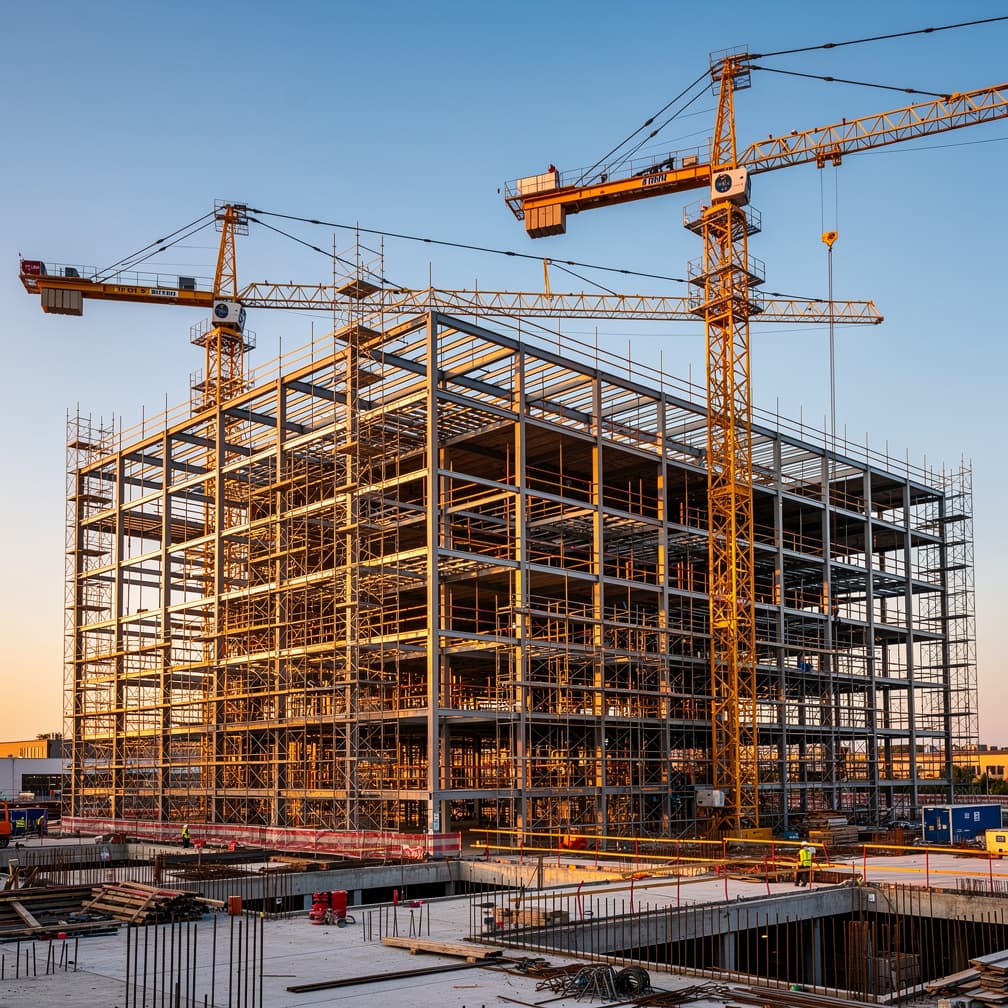
Your first checkpoint on a project is usually the contract, because it often decides who carries the course of construction policy, which parties must be shown, and whether coverage needs to track the full completed value or a defined phase before materials are delivered. Satisfying that expectation usually means lining up the named insureds, project address, construction budget, draw schedule, and any lender or owner requirements before you ask for terms. Arkansas storm exposure can interrupt framing, delay inspections, and leave exposed materials in place while the job is still in progress.
You are not buying a generic property form. You are matching a policy to the way the job is staged, stored, and financed. A useful quote request includes the signed contract, plans, timeline, site security details, and a clear list of temporary structures, owner-furnished materials, and any soft cost concerns you want reviewed. If any part of that package is vague, ask for it to be clarified before binding so the policy follows the job you are actually building.
What Builders Risk Insurance Covers
In Arkansas, the practical coverage review starts with where property sits during each phase of the job, not with a generic checklist. A project can have materials in a laydown yard, equipment inside a partially dried-in structure, and owner-supplied items waiting for installation. If your schedule depends on any of those categories, ask whether they are being scheduled the way the site actually operates. That is especially important if deliveries arrive early, if trades stack materials before installation, or if the project includes a renovation where existing and new construction sit side by side.
Arkansas projects can face severe weather that damages roofs, exterior finishes, framing packages, and stored materials before the building envelope is complete. That means you should review how the policy treats temporary protection, debris removal, water-related damage scenarios, and property in transit or at temporary storage locations if those exposures exist on your job. If the work includes mechanical units, custom windows, cabinets, or other long-lead items, make sure the values and locations are described accurately before they are delivered.
Contract language also affects what needs to be reviewed. Owners, general contractors, and lenders may expect specific parties to be included, and the policy should line up with that expectation before the first draw or major delivery. If a form, notice, or policy term is unclear, you should ask for the wording to be explained in plain language before you bind coverage. That step helps you catch gaps around testing, change orders, temporary structures, and delay-related expenses, which are added costs you face when a covered loss pushes back your completion date, while there is still time to correct them.
Structure Coverage
Covers the building or structure under construction.
Materials on Site
Covers building materials stored at the construction site.

Materials in Transit
Covers materials being transported to the job site.
Temporary Structures
Covers scaffolding, fencing, and temporary buildings.

Soft Costs
Covers additional expenses from construction delays due to covered losses.
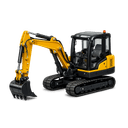
Equipment Coverage
Covers permanently installed fixtures and equipment.
Builders Risk Insurance Requirements in Arkansas
- Arkansas projects with materials stored off site or at temporary locations should be described carefully, because storm exposure and delivery timing can change before installation begins.
- If your job is a renovation inside an occupied building, document the separation between new work and the existing structure clearly so claim handling is less likely to stall later.
- Projects that rely on owner-furnished or custom components should list those items early, especially if they arrive before the site is ready for immediate installation.
- If phased completion is part of the build schedule, review how the policy term and values respond before one portion of the project turns over while another remains under construction.
How Much Does Builders Risk Insurance Cost in Arkansas?
Builders risk pricing in Arkansas is driven by the project file you hand to underwriting. If the completed value is incomplete, the construction type is described loosely, or the timeline does not match the actual build schedule, the quote is harder to trust. A cleaner submission usually starts with the contract sum, soft cost needs if any, site address, plans, square footage, construction class, security details, and the expected start and completion dates. If the job includes phased turnover, tenant improvements, or owner-furnished materials, include that up front instead of trying to add it after terms are issued.
Local exposure matters because weather can change how underwriters look at site protection and delay potential. A project with open framing, roof work, or exterior materials stored on site may be evaluated differently from an interior build-out with limited weather exposure. The same is true if the site is vacant before work starts, if utilities are not fully secured, or if materials are stored off site and moved in as needed. Those details affect how the risk is viewed, even when two projects share a similar budget.
You should also expect cost to move with policy structure. Higher limits, broader covered property definitions, lower deductibles, longer terms, and added soft cost review can all change the quote. So can prior loss history, the experience of the builder, and whether the project is ground-up construction, an addition, or a renovation inside an occupied building. The most useful way to shop is to compare quotes using consistent values, term, and deductible. Otherwise, a lower number may simply reflect a narrower form or missing property category rather than a better buying decision.
Request a Quote Comparison
Enter your ZIP code to compare builders risk insurance rates from top carriers.
Business insurance starting at $25/mo
Who Needs Builders Risk Insurance?
In Arkansas, the right question is not who usually buys builders risk, but who would absorb the loss if a storm or site incident damages work in place before completion. That can include the property owner, the general contractor, a developer, or another party the contract assigns to insure the project. If you have money tied up in the structure, materials, or draw schedule, you should review whether the policy is your responsibility or someone else's, and get that answer in writing before work starts.
This matters on projects where several parties have overlapping interests. A lender may want evidence that the project is insured before funds are released. An owner may expect the general contractor to arrange the policy. A contractor may assume the owner is handling it because the site is owner-controlled. Those assumptions create avoidable gaps. The cleanest approach is to read the insurance section of the contract line by line, confirm who must procure coverage, and verify which parties need to be shown.
Arkansas projects with renovation work deserve extra attention. If you are improving an occupied building, adding onto an existing structure, or working in phases while part of the property remains in use, the financial stake is often split across owner, contractor, and lender. That makes it important to separate existing property issues from the new work and to ask how change orders, stored materials, and partial occupancy affect the policy setup. If your project includes custom components, imported materials, or long lead times, review who bears the cost if those items are damaged before installation. The party carrying that exposure is the one that should be involved in the builders risk decision, even if another party is named to purchase the policy.
Builders Risk Insurance by City in Arkansas
Builders Risk Insurance rates and coverage options can vary across Arkansas. Select your city below for localized information:
How to Buy Builders Risk Insurance
Buying correctly in Arkansas starts with assembling the underwriting file before you request terms. Begin with the signed contract or draft insurance requirements, then gather the project address, total completed value, construction type, start date, expected completion date, plans, scope summary, and financing details if a lender is involved. Add a schedule of major materials, especially anything owner-furnished, custom ordered, or stored away from the job site. If the project is a renovation, note what portion of the structure is existing, what remains occupied, and how the work area is separated.
Next, map the policy to the job's actual logistics. Tell the quoting team where materials are stored, how the site is secured after hours, whether there is fencing or monitored access, and how weather-sensitive work is staged. If the project will have temporary structures, scaffolding, or phased completion, say so early. Those details help determine whether the form being offered matches the way the project will be built, not just the address on the application.
Before binding, compare the quote against the contract requirements line by line. Check the named insureds, lender interests, project description, term, completed value, deductible, and any special conditions. Ask direct questions about change orders, delay-related expenses, temporary storage, transit, testing, and what happens if completion runs past the original end date. In Arkansas, that review is worth doing before the first major delivery arrives, because correcting a policy after materials are on site is slower and can complicate draws, inspections, and contractual sign-off. Once the wording matches the job, keep a copy of the policy, declarations, and any evidence of coverage with the project records so you can respond quickly if an owner, lender, or subcontractor asks for documentation. Request a quote through CPK Insurance to compare your options with participating licensed providers.
How to Save on Builders Risk Insurance
Lowering builders risk cost in Arkansas starts with a complete submission that gives underwriters a clear picture of the project. If values are rounded loosely, the timeline is unrealistic, or the scope leaves out temporary storage and owner-furnished materials, underwriters price for uncertainty. A tighter file often produces cleaner terms because the risk is easier to evaluate.
Site controls can also help. If materials are secured, deliveries are timed closer to installation, and weather-sensitive components are not left exposed longer than necessary, you reduce the chance that a routine storm turns into a larger loss. That matters on Arkansas jobs where wind and water can damage exposed work quickly. Explain your fencing, lighting, locked storage, camera systems, and after-hours procedures if they are part of the project.
You can also save by matching the policy term and structure to the actual build. If the project schedule is padded far beyond the expected completion date, or if values include items that belong under another policy, you may be paying for a broader setup than the job requires. Review the completed value carefully, update it for approved change orders, and ask whether soft costs or special property categories should be included only if they are truly part of your exposure.
Finally, compare quotes on equal terms. Use the same completed value, deductible, term, and named insured structure across options so you can see whether one quote is genuinely more efficient or simply narrower. A lower premium is only useful if the policy still fits the contract and the way the project is staged.
Our Recommendation for Arkansas
For Arkansas projects, start every builders risk review with three documents on the table at the same time. Those are the construction contract, the current budget, and the project schedule. If those three do not agree, the policy setup usually drifts off course. A contract may require one party to insure the job, while the budget assumes another party is paying. The schedule may show phased completion, but the quote may be built for a single end date. Fix those mismatches before binding.
Then focus on weather exposure in operational terms. Ask how the job handles material deliveries, temporary storage, roof dry-in, and protection of exterior work before the envelope is closed. Those details often matter more than broad descriptions of the project. If the build includes renovation work, the policy should clearly distinguish between the existing structure and the new construction so there is less confusion after a loss.
Finally, ask for a plain-language review of any condition you do not recognize. If a quote leaves open questions about change orders, transit, temporary structures, or completion delays, resolve them before the first major draw or delivery. That is usually the point where a preventable paperwork issue becomes an expensive project issue.
FAQ
Frequently Asked Questions
The contract usually answers that question first. If it assigns the responsibility to the owner, general contractor, or developer, confirm that in writing and match the policy setup to the project requirements before materials arrive.
Projects often involve lender insurance requirements tied to draws or closing conditions. You should review the loan documents early and make sure the named insured and evidence of coverage match what the lender expects.
Projects should be quoted with site protection and material handling in mind because severe weather can damage exposed work quickly. That is why storage, roof dry-in timing, and temporary protection deserve a detailed review.
Your policy can help cover off-site or temporary storage, but only if the quote reflects how your materials are actually purchased, stored, and moved. Do not assume those locations are included without seeing them addressed in the policy.
Buyers should gather the contract, project address, completed value, plans, schedule, financing details, and a list of major materials or owner-furnished items. A complete submission usually leads to a more reliable quote and fewer revisions.
Arkansas builders risk insurance is regulated by the Arkansas Insurance Department. If a form, notice, or policy condition is unclear, ask for a plain-language explanation before binding so the policy matches the job.
Renovation projects can often be insured, but the policy should reflect occupied areas, existing structure issues, and phased work. That is why renovation jobs usually need a more detailed review than a straightforward ground-up build.
Builders risk insurance may cover, subject to policy terms, the structure under construction, materials on site, materials in transit, temporary structures, and fixtures or equipment being installed. Depending on the policy, you can also review soft costs and delay-related coverage tied to a covered property loss.
Sources
- 1.Arkansas Insurance Department(Arkansas builders risk insurance is regulated by the Arkansas Insurance Department.)
Updated July 16, 2026