Updated July 16, 2026

Key Takeaways
- List every towing and transport service you perform before requesting quotes, so loading, unloading, winching, and recovery exposures are reviewed correctly.
- Compare the on-hook limit, deductible, valuation method, and exclusions side by side instead of choosing a policy on premium alone.
- Ask in writing whether your policy addresses the specific vehicles you tow most often, especially specialty, modified, low-clearance, or higher-value units.
- Use pre-tow photos, condition notes, and signed release procedures on every job to reduce disputes and support claims handling.
- Review on-hook coverage together with auto liability and any garagekeepers coverage before renewal to catch gaps between transport and storage.
On-Hook Towing Insurance in Arkansas
If you run tow trucks, you already know that pulling a broken-down pickup off a county road is nothing like winching a late-model SUV out of a parking deck. Your quote should reflect that reality. A useful review focuses on your equipment, driver routines, service radius, storage handoffs, and the kinds of vehicles you accept. Start by lining up your dispatch records, truck list, and service descriptions so you can ask for terms that fit how your operation actually runs. Arkansas weather can change quickly, so a routine roadside pickup can become a winching job on soft ground or a transport through standing water and storm debris.
What On-Hook Towing Insurance Covers
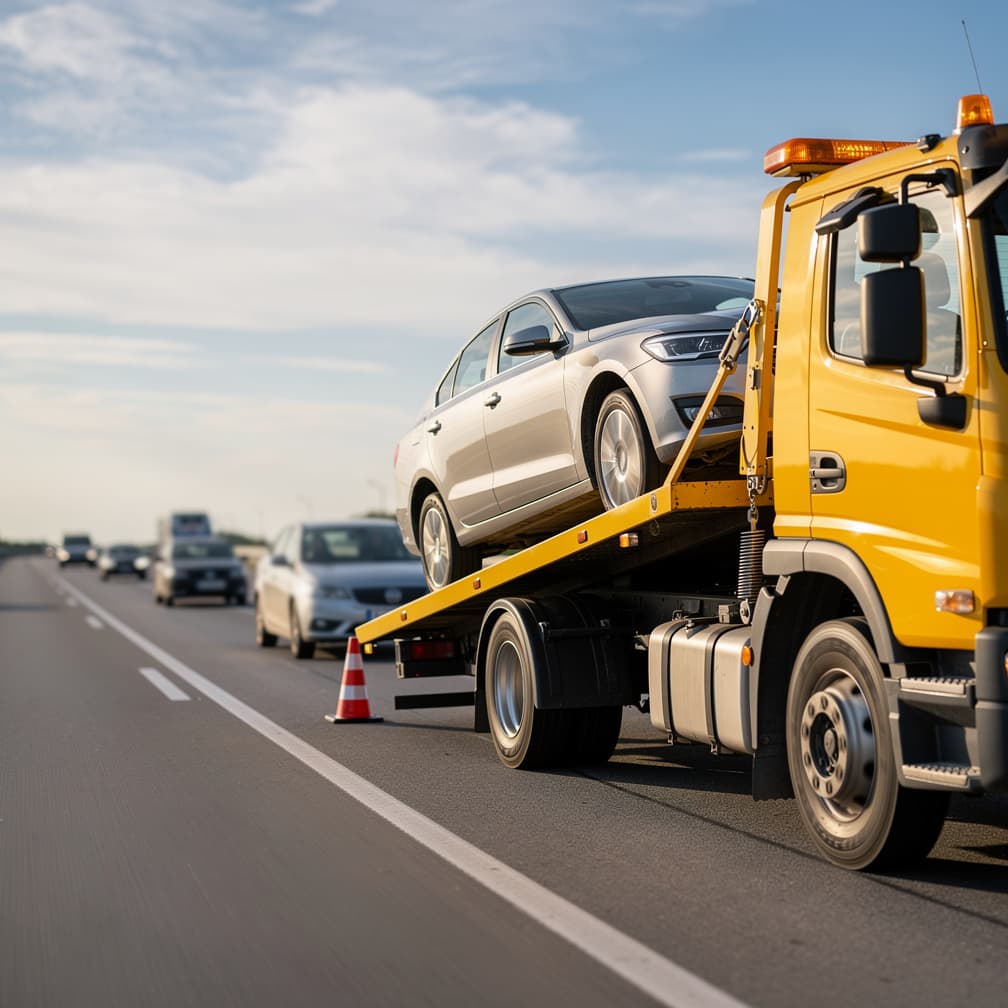
The most useful coverage review starts with the handoff points where disputes usually begin. A customer may agree the vehicle was disabled before the tow, then later question damage around the bumper, rocker panel, wheel, undercarriage, or drivetrain after delivery. Your loading method, tie-down routine, and destination paperwork are central to how your on-hook protection should be reviewed. A flatbed operator handling low-clearance cars has a different exposure from a wheel-lift unit towing pickups from muddy shoulders, and that difference should show up in the quote request.
State conditions also shape the conversation. When a clear morning turns into an afternoon of flash flooding and storm debris, your drivers face loading and transport conditions that can shift a routine tow into a complicated claim. If your drivers work during severe weather, ask how the policy responds to damage allegations tied to shifting cargo, contact during loading, or problems discovered at drop-off after a difficult tow. If you take police rotation calls, private property impounds, or accident recoveries, note that in the application so the carrier can evaluate those higher-severity situations, such as winching a vehicle from a ditch or recovering one from a flood zone, separately from scheduled dealer moves.
You should also review how your on-hook terms interact with the rest of your towing program. The cleaner your service breakdown, the easier it is to request limits and terms that fit each unit instead of forcing one broad description onto the whole fleet.
Collision on Hook
Covers damage to towed vehicles from collisions during transport.
Comprehensive on Hook
Covers theft, fire, and weather damage to vehicles being towed.
Loading & Unloading
Covers damage during the process of loading and unloading vehicles.
Winching Coverage
Covers damage to vehicles during winching and recovery operations.
Multiple Vehicle
Covers all vehicles on multi-car carriers and rollback flatbeds.
On-Hook Towing Insurance Requirements in Arkansas
- Arkansas weather can turn a routine roadside tow into a disputed damage claim, so loading procedures and photo documentation deserve extra attention.
- If your routes include rural roads, soft shoulders, or flood-prone areas, explain those operating conditions during underwriting instead of leaving them implied.
- Operators handling both urban impounds and longer cross-state transports should separate those exposures so limits and deductibles can be reviewed more accurately.
- A mixed fleet using flatbeds and wheel-lifts should confirm that each towing method is reflected correctly in the application and endorsements.
How Much Does On-Hook Towing Insurance Cost in Arkansas?
On-hook towing insurance pricing usually turns on the likely dollar amount of a single damage claim, meaning the cost of one major incident matters more to underwriters than how often small claims happen. An underwriter will look closely at the vehicles you tow, whether you use flatbeds or wheel-lifts, how often you handle accident recovery, whether you perform impounds or repossessions, and how far your trucks travel between pickup and drop-off. A business moving standard passenger vehicles on planned dealer routes presents a different loss profile from an operator taking after-hours roadside calls on wet highways and rural roads. Your final premium depends on those factors plus your garaging location, driver experience, and claims history.
Your documentation habits also affect the quote. If you can show dispatch logs, driver training steps, signed condition reports, and clear drop procedures, you give the carrier a better basis to evaluate disputed damage risk. If your operation has inconsistent records, broad service descriptions, or frequent last-minute subcontracting, expect more underwriting questions before terms are offered. Garaging location, service radius, driver experience, claims history, requested limits, and deductibles all shape the final premium as well.
Arkansas weather should be part of the pricing discussion even when it is not listed as a separate line item. Storm debris, flash flooding, and slick pavement can increase the chance that a routine tow becomes a complicated claim. That is why it helps to break out how often you work severe-weather calls, whether you decline certain recoveries, and what equipment you use for low-clearance or all-wheel-drive vehicles. Bring that detail into the quote process early so you can compare terms on the same operational facts, not on vague assumptions about your business.
Request a Quote Comparison
Enter your ZIP code to compare on-hook towing insurance rates from top carriers.
Business insurance starting at $25/mo
Who Needs On-Hook Towing Insurance?
If your drivers hook, winch, carry, or unload someone else's vehicle, you should review whether your on-hook terms match the jobs you actually accept. That includes traditional towing companies, but it also reaches operators whose invoices may emphasize roadside assistance, recovery, transport, impound work, or dealer services.
A company working interstates, urban parking facilities, apartment impounds, and rural ditch pullouts in the same week faces changing surfaces, traffic patterns, and loading angles. If your dispatch board mixes routine transports with accident scenes or weather-related calls, ask for a quote built around that full service mix.
You should also pay attention if you tow higher-value vehicles, low-clearance cars, pickups with drivetrain sensitivities, or units with pre-existing damage that customers may later dispute. The more often your drivers must document condition, explain loading choices, or defend what happened between hookup and drop-off, the more important it is to review this coverage carefully. Arkansas Insurance Department oversight is one reason to keep your policy documents, endorsements, and complaint-handling records organized, so you can compare terms clearly and address issues with complete paperwork before you bind coverage.
On-Hook Towing Insurance by City in Arkansas
On-Hook Towing Insurance rates and coverage options can vary across Arkansas. Select your city below for localized information:
How to Buy On-Hook Towing Insurance
Buying the right policy starts with a tighter submission, not a faster one. If one unit handles dealer transports, another runs police rotation, and another takes private property impounds, spell that out. Underwriters need to know how each truck is used, what vehicles it moves, where it operates, and whether drivers perform winching, recovery, or after-hours roadside calls. A vague description usually leads to slower quoting and less confidence that the terms fit your operation.
Next, assemble the records that help an underwriter understand your risk. Pull a current equipment list, driver roster, service radius notes, dispatch summaries, and any written loading or photo procedures. If you have a standard pre-tow inspection routine, include it. If you decline certain recoveries, note that too. Where severe weather can quickly change road and shoulder conditions, it helps to explain how drivers decide whether a job stays within normal towing operations or moves into a more specialized recovery situation.
Then compare quotes on structure, not just price. Review limits, deductibles, covered towing activities, excluded situations, and any conditions tied to storage handoffs or unattended vehicles. Ask how the policy treats wheel-lift work versus flatbed transport if you do both. Confirm that the services shown on the application match your invoices and dispatch records. Before binding, read the endorsements carefully and correct anything that overstates or understates what your business actually does. Ready to find terms that fit your operation? Request a quote through CPK Insurance and we will match you with participating licensed providers.
How to Save on On-Hook Towing Insurance
The most reliable way to lower on-hook costs over time is to reduce preventable disputes, and that starts with evidence. If a customer later claims the vehicle was damaged during transport, solid records can make the difference between a defensible file and an expensive argument.
You can also save by narrowing avoidable exposure. If certain jobs create repeated friction, such as low-clearance vehicles without proper loading equipment or severe-weather recoveries beyond your normal setup, decide whether to price those jobs differently, subcontract them, or decline them. Underwriters respond better when your operation has clear boundaries. A business that knows what it will and will not tow is easier to evaluate than one that accepts every call and sorts out the risk afterward.
Driver routines matter too. Standardize tie-down checks, wheel-lift procedures, bed angles, and drop-off documentation across the fleet. If you run multiple trucks, use the same photo sequence and condition-report language every time. That consistency helps you present a more controlled operation at renewal. Finally, review your deductible and limit choices against the vehicles you actually move. Paying for terms built around exposures you rarely accept can cost more than a policy designed around your real dispatch pattern.
Our Recommendation for Arkansas
If your business mixes roadside calls, impounds, accident recovery, and dealer transports, do not let those exposures blur together on the application. Compare quotes only after the service descriptions match across applications. That is the fastest way to see which option actually fits your Arkansas operation and which one only looks competitive because the underwriting assumptions are incomplete.
You should also pressure-test your documentation process before renewal. That matters even more if you work in rain, storm debris, soft shoulders, or flood-prone areas where a normal tow can become a more complicated file by the time the vehicle is delivered.
If you use both flatbeds and wheel-lifts, ask whether the policy terms fit each method instead of assuming one description covers both equally well. Review deductibles against the value of the vehicles you typically tow, not the rare exception.
FAQ
Frequently Asked Questions
A flatbed doing scheduled transports presents a different damage pattern from a wheel-lift unit taking roadside and impound calls. Your application should describe each use clearly so the underwriter can evaluate them on their own terms.
Wet pavement, debris, flooding, and wind affect loading and transport conditions, which can turn a normal tow into a higher-dispute job. That is why carriers often want a clear picture of your documentation process and the kinds of calls you accept.
Bring a truck list, driver roster, service descriptions, dispatch records, and any pre-tow photo or inspection procedures. The more clearly you show how each unit is used, the easier it is to compare terms that actually fit your operation.
Arkansas impound-focused operators may still want to review on-hook terms carefully because damage allegations can arise during hookup, transport, and unloading. If your work includes tight parking areas or after-hours towing, make sure those conditions are reflected in the quote request.
The Arkansas Insurance Department regulates insurance complaints statewide. Keep your policy, endorsements, and claim records organized so you can compare terms accurately and address any dispute with complete documentation.
County-road recoveries, muddy shoulders, and longer hauls create different exposures than parking deck removals or dense urban traffic. Your quote should follow the jobs you actually run, not a generic towing label.
Quotes get more accurate when you separate roadside towing, recovery, dealer moves, impounds, and long-distance transport by truck or service type. That detail helps the underwriter evaluate the likely cost of a major claim instead of guessing from a broad business description.
On-hook towing insurance may cover damage to a customer vehicle while it is being loaded, attached, carried, winched, or unloaded by your tow truck, depending on the policy terms. Buyers should review collision, fire, theft, weather, and loading-related damage carefully.
Sources
- 1.Arkansas Insurance Department(Arkansas Insurance Department oversight is one reason to keep your policy documents, endorsements, and complaint-handling records organized, so you can compare terms clearly and address issues with complete paperwork before you bind coverage.)
Updated July 16, 2026