







































Updated July 10, 2026

Why Auto Tire Shop Businesses Need Insurance
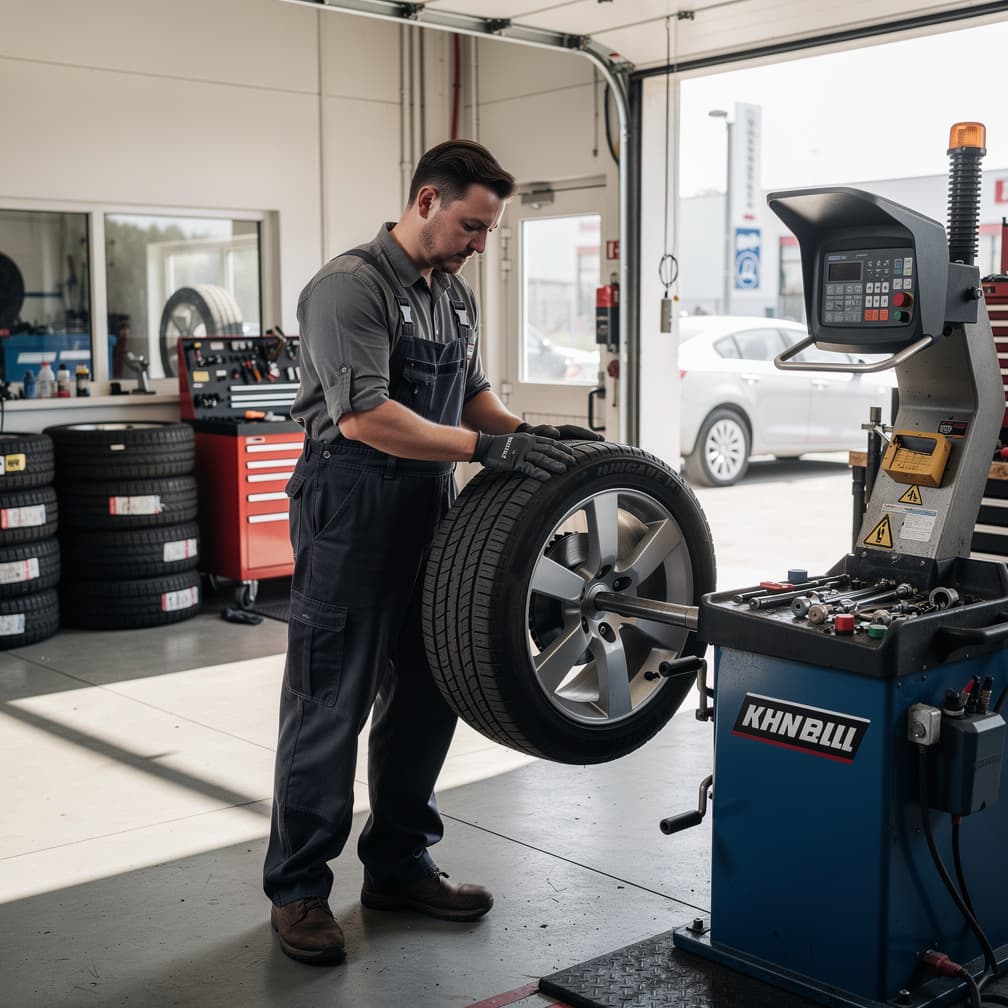
Most tire shops run on speed, repetition, and handoffs, which is exactly why insurance should be built around the way work actually moves through the business. A vehicle arrives, keys change hands, a service writer documents the job, and a technician takes over in the bay. From there, the work may involve lifting the vehicle, removing wheels, inspecting tread and sidewalls, mounting and balancing replacement tires, checking torque, and moving the vehicle back out for pickup. Each of those steps creates a different claim path, so a useful auto tire shop insurance review separates them instead of treating the shop like a simple retail storefront.
General liability insurance is usually the starting point for the customer-facing side of the operation. It is the coverage buyers often review for slip and fall incidents, damage to a visitor's property, or other third party bodily injury and property damage claims tied to the premises. In a tire shop, that can mean a wet entry, a cluttered waiting area, or a customer walking near active service space. If your shop has a sales counter, display area, or customer seating, the premises exposure is not theoretical, it is part of daily traffic.
Garage keepers insurance becomes just as important because your staff regularly takes possession of customer vehicles. Even if you do not perform major mechanical repair, you still move, park, lift, and store vehicles while work is underway or waiting for pickup. A quote should make clear how customer autos are treated while they are in your care, custody, or control, because that is a core exposure for a tire service center, not an occasional one.
Commercial property insurance should be reviewed with the physical layout of the shop in mind. The building itself may matter if you own it, but even tenants need to think through improvements, service counters, office contents, tire racks, compressors, balancing equipment, alignment-related tools if present, and the inventory that keeps jobs moving. Tire inventory can represent a meaningful concentration of value in a small footprint, and equipment downtime can interrupt revenue even when the damage starts with something as ordinary as smoke, water, theft, or a localized fire.
Workers compensation insurance deserves a practical review because tire work is physical, repetitive, and fast paced. Technicians lift and roll heavy assemblies, work around jacks and lifts, use pneumatic tools, and repeat the same motions through long service days. If you have newer hires, seasonal volume swings, or a mix of front-counter and bay employees, make sure payroll and job duties are classified accurately so the quote matches how labor is actually used.
Product liability insurance should also be part of the conversation. Tire shops sell and install products that directly affect vehicle handling and road safety. If a customer later alleges that a tire, component, or installation-related issue caused damage or injury, you want to know how that claim would be reviewed under the policy terms. This is especially important if your shop recommends specific products, sources private-label inventory, or handles a high volume of installations where one repeated error could affect multiple jobs.
As you compare quotes, focus less on finding a generic package and more on whether the policy language follows your operation: how many bays you run, whether vehicles stay overnight, how inventory is stored, who moves customer cars, and how much of your revenue comes from tire sales versus service labor. That is the level of detail that helps you choose limits and deductibles with fewer surprises later.
Recommended Coverage for Auto Tire Shop Businesses
Based on the risks auto tire shop businesses face, these coverage types are essential:

General Liability
Essential coverage for every business, protect against third-party bodily injury, property damage, and advertising claims.

Garage Keepers
Protect customers' vehicles while they're in your care, custody, or control.

Commercial Property
Safeguard your business property, equipment, and inventory against damage and loss.

Workers Compensation
Help cover your employees' medical expenses and lost wages for work-related injuries and illnesses.

Product Liability
Coverage for claims arising from products you manufacture, distribute, or sell.
Common Risks for Auto Tire Shop Businesses
- Customer vehicle damage while parked in the shop, on the lot, or during tire installation
- Slip and fall incidents in the service area, waiting room, or entryway
- Property damage from fire risk, theft, storm damage, or vandalism
- Equipment breakdown affecting lifts, compressors, balancers, or tire machines
- Workplace injury exposure for employees handling heavy tires and shop equipment
- Third-party claims tied to tire installation, balancing, or repair operations
Get Your Auto Tire Shop Insurance Quote
Compare rates from multiple carriers. Free quotes, no obligation.
What Happens Without Proper Coverage?
The most expensive tire shop claims start with ordinary work. A customer crosses a slick floor near the counter and gets hurt. A technician backs a car into a post while repositioning it on the lot. A stack of inventory falls in storage. A mounted tire or valve component is blamed for a loss weeks after the vehicle left. None of these are rare events, and each one lands on a different part of the insurance program.
Responsibility also shifts the moment your staff takes possession of a customer's vehicle. The owner expects the car back in sound condition, and if it is damaged while parked, moved, or lifted, the dispute quickly becomes an argument over who had control and which coverage applies. That is why care, custody, and control wording deserves a closer read than almost anything else in your quote.
Downtime is the quieter risk. Bays, lifts, balancers, and air systems keep production moving, and a fire or theft that idles them costs you delayed jobs and frustrated customers on top of the repair bill. Ask yourself how long the shop could run with one bay closed, and size the property review around that answer.
Finally, landlords, lenders, and fleet accounts often want proof of coverage before a lease, service agreement, or vendor relationship moves forward. Before renewing or opening a new location, request a quote that breaks out your vehicle handling, premises exposure, inventory, and labor profile clearly.
Insurance Tips for Auto Tire Shop Owners
Ask each quote to separate customer slip and fall exposure from bay operations, so you can review whether general liability limits fit both the waiting area and active service space.
Review garage keepers insurance around how vehicles are actually handled, including who moves them, where they are parked, and whether any customer autos stay on site after business hours.
Build commercial property insurance from the inside out, starting with tire inventory, balancing machines, compressors, lifts, service counters, and any tenant improvements that would be costly to replace.
Check that workers compensation insurance reflects real job duties in the bays and at the counter, because misclassified payroll can create problems during audits and claims.
Discuss product liability insurance in the context of what you sell and install, especially if your shop recommends tire brands, handles high installation volume, or stocks related wheel components.
Compare deductibles against your cash flow, because a lower premium can lose value quickly if the out-of-pocket amount would strain the business after a vehicle damage or property claim.
Read exclusions and care, custody, and control language carefully before binding, since tire shops routinely touch customer vehicles and small wording differences can matter during a claim.
How Much Does Auto Tire Shop Insurance Cost?
Auto Tire Shop Insurance is a bundle of separate policies, priced separately. The ranges below are typical figures nationally for each line, except workers compensation, which is rated per $100 of payroll; a quote prices each one against your own operations.
| Coverage | Typical range | What moves your price |
|---|---|---|
| General Liability Insurance | $110 - $330 per month | Industry and risk classification, annual revenue, number of employees |
| Garage Keepers Insurance | Varies | Quoted individually based on your operations and limits |
| Commercial Property Insurance | $150 - $430 per month | Building value and construction type, roof age and condition, fire protection class |
| Workers Compensation Insurance | $0.75 - $2.74 per $100 of payroll | Employee classification codes, total annual payroll, experience modification rate |
| Product Liability Insurance | Varies | Quoted individually based on your operations and limits |
Prices shown are general estimates, not guaranteed rates or quotes. Your actual premium will depend on the insurer, coverage selected, business details, location, claims history, and other underwriting factors. Learn about our pricing methodology.
FAQ
Frequently Asked Questions About Auto Tire Shop Insurance
The standard review covers general liability, garage keepers, commercial property, workers compensation, and product liability. How the mix settles depends on how you handle customer vehicles, how much inventory you carry, and how your bays operate day to day.
In most cases, yes. Even tire-only work means your staff takes possession of customer vehicles, moves them, parks them, and lifts them in the bay, and that handling creates a distinct exposure worth reviewing closely.
Not reliably, and that is the trap. Customer vehicles raise care, custody, and control issues that general liability is not built around, so ask each quote to show how garage keepers coverage and liability work together.
Payroll, employee count, vehicle handling, inventory values, equipment, building details, claims history, and your chosen limits and deductibles set the price. Describing how the shop actually operates gets you a more accurate figure than a generic automotive class.
Yes, because claims can arise after the vehicle leaves, especially if a customer alleges that a tire, valve component, wheel-related part, or installation issue contributed to damage or injury. That exposure is different from a simple premises claim.
Frequently. Leases and fleet or property-management relationships commonly require a certificate before they are finalized, so check those requirements early and make sure your limits and named insured details are ready.
Describe your bay count, services performed, whether vehicles stay overnight, how inventory is stored, who moves customer cars, and how much revenue comes from tire sales versus labor. Those details shape the coverage review more than anything else.
Updated March 31, 2026