







































Updated July 10, 2026

Why Fabric Store Businesses Need Insurance
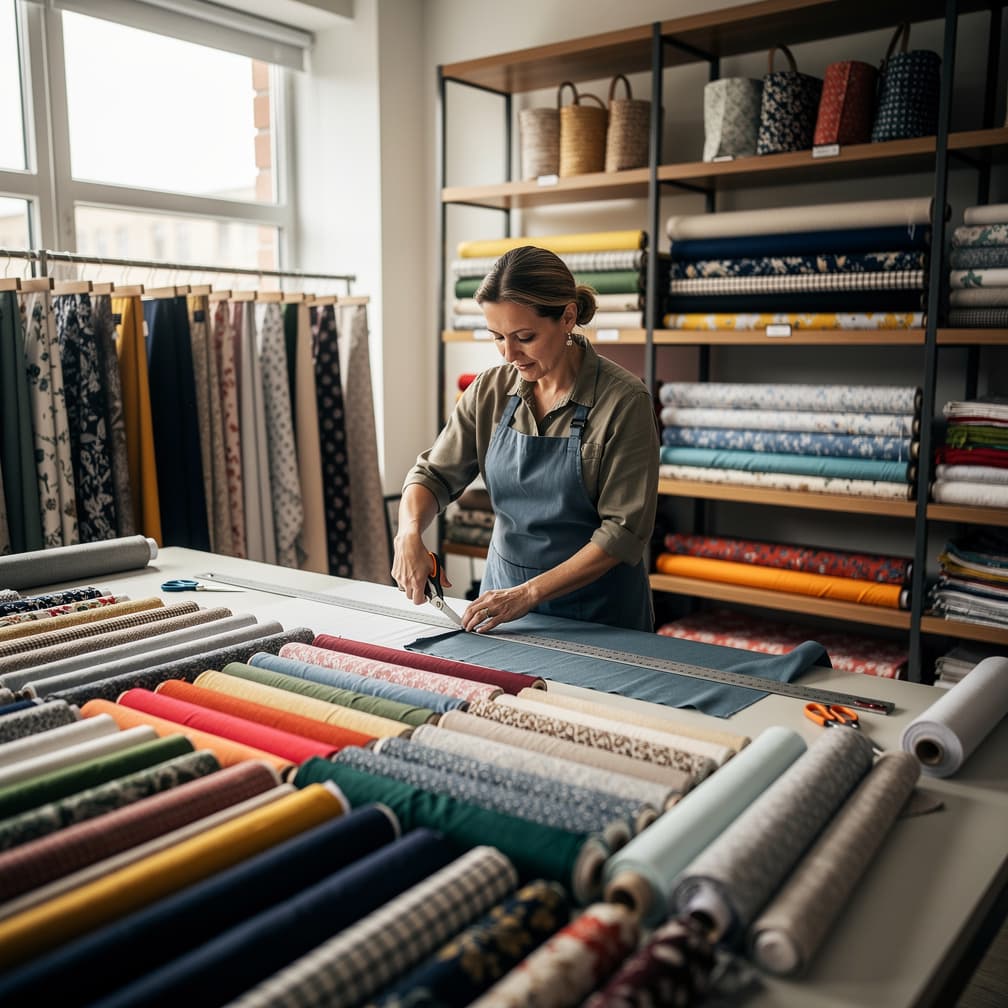
Start the coverage walkthrough with property, because that is where a fabric store's exposure is most unusual. Value rarely sits in the walls and floor. It sits in bolts of fabric, trim, thread, patterns, notions, seasonal stock, display racks, cutting tables, checkout counters, computers, and security equipment. Tenants often have improvements that fall outside the landlord's building coverage, while owners need the structure and business personal property listed separately so a single blended limit does not shortchange one or the other. Commercial property insurance should also account for theft, vandalism, plate glass, exterior signage, and the reality that stock values swing with seasons and special orders.
General liability insurance should match the customer experience a fabric shop creates. Browsing here means touching, carrying, and comparing, which keeps people and merchandise in constant motion through aisles stocked at every height. The liability side of the quote addresses slip-and-fall allegations, damage to a customer's belongings, and injury claims tied to the condition of the premises or your operations. If you host sewing classes or demonstrations, disclose that up front so the terms reflect how the space is really used.
Workers' compensation insurance needs to match the physical side of the job, not the retail label. Employees unload deliveries, break down boxes, carry bolts, reach overhead, stand for long stretches, and work with scissors and rotary cutters all day. Repetitive motion and lifting injuries can sideline a small team quickly, and if one person handles most receiving or cutting work, that concentration of duties belongs in the application.
A business owners policy can be a practical way to combine core property and liability protection in one structure, but the same package does not fit every shop. A boutique with modest stock and limited staff will weigh limits and deductibles differently than a larger store with dense inventory and heavier traffic. Premium generally turns on location, construction, protection features, payroll, loss history, selected limits, deductibles, and the total value of stock and equipment, so the bundling decision should follow those numbers rather than convenience alone.
Recommended Coverage for Fabric Store Businesses
Based on the risks fabric store businesses face, these coverage types are essential:

General Liability
Essential coverage for every business, protect against third-party bodily injury, property damage, and advertising claims.

Commercial Property
Safeguard your business property, equipment, and inventory against damage and loss.

Workers Compensation
Help cover your employees' medical expenses and lost wages for work-related injuries and illnesses.

Business Owners Policy
Bundle property and liability coverage into one convenient, cost-effective policy for small businesses.
Common Risks for Fabric Store Businesses
- Fire damage to bolts, trims, packaging, shelving, and cutting tables stored in a high-density retail space
- Slip and fall incidents in aisles, near fitting or cutting areas, or at the storefront entrance during customer visits
- Theft of fabric rolls, notions, and small high-value inventory from open display areas or storage rooms
- Storm damage that affects the roof, windows, signage, or inventory stored near exterior walls
- Vandalism or building damage that interrupts sales and requires repair before reopening
- Equipment breakdown affecting point-of-sale systems, cutting tools, or other store equipment used for daily operations
Get Your Fabric Store Insurance Quote
Compare rates from multiple carriers. Free quotes, no obligation.
What Happens Without Proper Coverage?
Textiles fail in ways other merchandise does not. Fabric absorbs smoke and water, so a small back-room fire or a leak from the suite next door can leave an entire wall of bolts unsellable even though nothing in your store burned. The loss is not one damaged item; it is weeks of inventory plus the sales that stop while the shop airs out, restocks, and reopens. A property limit set from a rough guess is usually the gap that shows up in that moment.
The hands-on nature of the store drives the liability argument. A shopper who reaches for a top-shelf bolt can bring the rack down with it, and one incident like that can produce medical bills, legal defense costs, and a nervous landlord all in the same week. Because staff cut and handle merchandise at the counter, allegations that your operations damaged a customer's belongings are also part of the picture.
Staffing is the third pressure point. Most fabric shops run lean, so when the one employee who handles receiving strains a back or takes a bad rotary-cutter cut, the store loses both a worker and its restocking capacity at once. Workers' compensation insurance addresses the claim itself, but the quote process is also where you surface how dependent the operation is on a few sets of hands.
Outside parties supply the final reason. Landlords routinely require proof of coverage before move-in or renewal, and craft fairs, markets, or class venues may ask for certificates before you participate. Sorting that out during a quote comparison is far easier than doing it against a deadline.
Insurance Tips for Fabric Store Owners
Review your stock values by category, especially if premium textiles, seasonal inventory, or special orders can change the amount of property at risk during the year.
Walk the sales floor as a customer would, noting narrow aisles, stacked bolts, floor displays, and cutting counter congestion that could increase liability exposure.
Separate building responsibility from business personal property responsibility in your lease, so you know whether the quote should focus on tenant improvements, contents, or the structure itself.
Describe employee duties in detail during the workers' compensation review, because receiving, ladder use, lifting, and repetitive cutting work affect how the operation is classified.
Compare a business owners policy against standalone property and liability options if your store has unusual inventory values, multiple locations, or class-based customer activity.
Keep an updated equipment list that includes cutting tables, shelving, point-of-sale hardware, computers, printers, and security devices, because small omissions can slow claim settlement after a loss.
How Much Does Fabric Store Insurance Cost?
Fabric Store Insurance is a bundle of separate policies, priced separately. The ranges below are typical figures nationally for each line, except workers compensation, which is rated per $100 of payroll; a quote prices each one against your own operations.
| Coverage | Typical range | What moves your price |
|---|---|---|
| General Liability Insurance | $50 - $130 per month | Industry and risk classification, annual revenue, number of employees |
| Commercial Property Insurance | $95 - $310 per month | Building value and construction type, roof age and condition, fire protection class |
| Workers Compensation Insurance | $0.75 - $2.74 per $100 of payroll | Employee classification codes, total annual payroll, experience modification rate |
| Business Owners Policy Insurance | $85 - $250 per month | Annual revenue and industry class, building and contents values, square footage and building age |
Prices shown are general estimates, not guaranteed rates or quotes. Your actual premium will depend on the insurer, coverage selected, business details, location, claims history, and other underwriting factors. Learn about our pricing methodology.
FAQ
Frequently Asked Questions About Fabric Store Insurance
Start from your own numbers rather than the quote documents: floor layout, inventory values, payroll, and lease terms. Then ask each option to reflect cutting operations, customer foot traffic, shelving density, and point-of-sale equipment so you are comparing coverage for your shop, not a generic retail setup.
Three claim types dominate: customer injuries on the premises, damage to someone else's property, and allegations tied to the condition of the store. The terms should fit how shoppers actually move, handling bolts in the aisles and gathering at cutting counters during busy stretches.
Usually yes, because a landlord's policy stops at the structure. Your bolts of fabric, notions, shelving, cutting stations, checkout systems, and any improvements you paid for sit outside it, and those contents are what keep the store selling.
Bundling simplifies the review by putting core liability and property protection in one structure, which suits many single-location shops. The tradeoff is that limits and deductibles still have to be checked against your actual stock values and operations rather than accepted as packaged.
Look past the cashier label when you describe the work. Employees unload deliveries, lift bolts, climb ladders, stand for long periods, and use scissors and rotary cutters, and the classification should follow those physical duties rather than a generic retail code.
Six items cover most of it: your lease or building details, current inventory values, payroll, loss history, store hours, and a fixtures-and-equipment list. Add notes about classes, custom cutting, or online order pickup so the quote reflects how the shop actually runs.
Updated March 31, 2026