Updated July 16, 2026

Key Takeaways
- List every towing and transport service you perform before requesting quotes, so loading, unloading, winching, and recovery exposures are reviewed correctly.
- Compare the on-hook limit, deductible, valuation method, and exclusions side by side instead of choosing a policy on premium alone.
- Ask in writing whether your policy addresses the specific vehicles you tow most often, especially specialty, modified, low-clearance, or higher-value units.
- Use pre-tow photos, condition notes, and signed release procedures on every job to reduce disputes and support claims handling.
- Review on-hook coverage together with auto liability and any garagekeepers coverage before renewal to catch gaps between transport and storage.
On-Hook Towing Insurance in Connecticut
You are at the point of signing a storage-yard lease or renewing a police rotation agreement, and the other side wants cleaner proof of coverage before they hand over keys, gate codes, or call volume. You need limits that match the vehicles you actually move, language that fits wheel-lift and flatbed work, and a policy review that does not leave gaps between roadside calls, recovery jobs, and after-hours impounds. Because customer vehicles are often already compromised before you touch them, a routine hookup can become a damage dispute quickly when road conditions are poor. Your quote should be built around how units are dispatched, where vehicles are stored between pickup and drop-off, and how your drivers document condition at every handoff. If a contract, landlord, municipality, or referral partner asks for evidence of insurance, make sure the work you are promising to perform aligns with your policy language before you send certificates.
What On-Hook Towing Insurance Covers
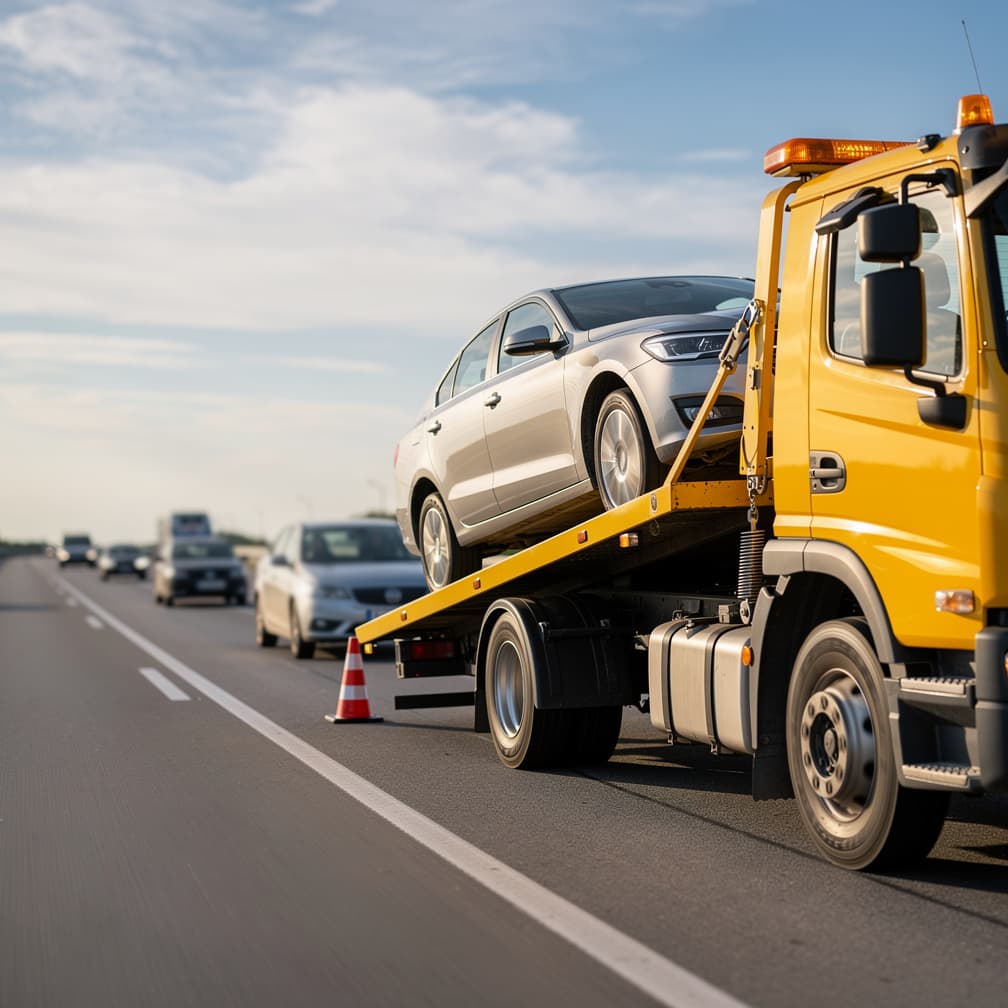
In Connecticut, the practical question is not whether a customer vehicle is in your care during the tow. The real question is how your policy language responds to the way your jobs unfold in this state. A roadside disablement on a narrow local road, a post-collision pickup headed to a body shop, and an impound moving into a fenced lot can all create different damage allegations, even when the same truck handles each job.
That is why you should review the points where claims usually turn. Start with loading and securement procedures. If your crews switch between wheel-lift and flatbed work, ask whether the policy is being quoted around the actual mix of service calls, not a simplified description on an application. Then look at unloading exposures. A claim can arise at the destination just as easily as at pickup, especially if the vehicle has suspension, steering, or body damage before transport begins.
Rain, snow, ice, and storm cleanup can complicate the question of what damage happened before hookup and what happened during transport. You want a process that supports the policy: timestamped photos, dispatch notes, signed condition acknowledgments when available, and clear records of where the vehicle was picked up and delivered.
Before binding coverage, ask your agent to walk through a recent real job from dispatch to drop-off and confirm how the policy is intended to respond at each step.
Collision on Hook
Covers damage to towed vehicles from collisions during transport.
Comprehensive on Hook
Covers theft, fire, and weather damage to vehicles being towed.
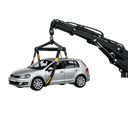
Loading & Unloading
Covers damage during the process of loading and unloading vehicles.
Winching Coverage
Covers damage to vehicles during winching and recovery operations.
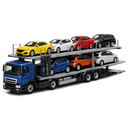
Multiple Vehicle
Covers all vehicles on multi-car carriers and rollback flatbeds.
On-Hook Towing Insurance Requirements in Connecticut
- Connecticut weather can complicate causation, so your claim file should show vehicle condition before hookup, during transport, and at delivery.
- If your operation mixes police-directed tows, private impounds, and dealer moves, ask for the policy to be reviewed around each service type separately.
- Narrow local roads, winter conditions, and already-disabled vehicles can turn a routine unload into a disputed damage allegation without strong documentation.
- Storage-yard leases and referral contracts in Connecticut often make certificate wording important, so compare requested terms to the actual policy before sending proof.
How Much Does On-Hook Towing Insurance Cost in Connecticut?
For Connecticut operators, the useful way to think about cost is exposure density, not a generic towing label. In plain terms, that means a quote changes based on what you tow, where you tow it, and how often a damaged or disabled vehicle enters your custody already carrying claim potential. If your work leans toward accident recovery, police-directed tows, or after-hours impounds, underwriters usually need a tighter picture of procedures than they would for scheduled dealer transfers or routine roadside moves.
A flatbed handling higher-value vehicles creates a different loss profile from a wheel-lift unit doing short local tows. The same is true if one truck is used for standard roadside calls during the day and recovery work at night. If your application compresses those differences into one broad description, the quote may not line up with the way losses actually happen.
Snow, ice, heavy rain, and storm-related debris should also shape the pricing conversation, even if the quote does not break it out line by line. Those conditions can increase the chance of disputed damage, difficult loading conditions, and longer transport routes around closures or congestion. That means your premium is often tied to operating controls as much as to the truck itself. Carriers want to understand driver experience, photo documentation, dispatch records, storage arrangements, service radius, and whether you have a consistent condition-report process.
The best way to get a usable number is to submit a clean operational summary. Include each truck, each service type, the kinds of vehicles commonly towed, where units are garaged, and how claims are documented. Then compare quotes by limit, exclusions, deductible structure, and how each form treats the jobs that create the most friction in your Connecticut operation.
Request a Quote Comparison
Enter your ZIP code to compare on-hook towing insurance rates from top carriers.
Business insurance starting at $25/mo
Who Needs On-Hook Towing Insurance?
In Connecticut, this coverage deserves attention from any operator whose business model puts customer vehicles in tow as part of daily revenue, even if towing is only one part of the company name or service menu. Traditional tow companies are the obvious fit, but the state-specific issue is how often one business handles several job types under the same dispatch board. A company may do roadside assistance in the morning, dealer transport in the afternoon, and private property impounds overnight. That mix changes what should be reviewed before a loss happens.
You should look closely at this coverage if you work with municipalities, law enforcement referrals, apartment communities, repair shops, fleets, auctions, or storage facilities. If a partner assumes your policy responds a certain way and the form says something narrower, the dispute lands on your business.
Connecticut operators who handle damaged vehicles need an especially careful review. A car that already has collision damage, broken steering components, or compromised suspension can produce a claim even when your driver follows procedure. The same goes for low-clearance vehicles, all-wheel-drive units, electric vehicles, and specialty equipment that require specific loading methods. If those jobs are part of your normal week, your quote should say so.
This is also important for businesses expanding into towing from another automotive service line. If you are adding a truck to support a repair shop, roadside program, or transport operation, do not assume your existing insurance setup may automatically follow the vehicle once it is attached and moving. Map the actual custody points in your Connecticut workflow and ask for coverage to be reviewed around them.
On-Hook Towing Insurance by City in Connecticut
On-Hook Towing Insurance rates and coverage options can vary across Connecticut. Select your city below for localized information:
How to Buy On-Hook Towing Insurance
To buy this coverage well in Connecticut, start with a job-level description of your operation, not a marketing summary. Underwriters need to see how work is dispatched, what kinds of vehicles you move, which trucks handle which assignments, and where the highest-severity claims could come from. If you use both flatbeds and wheel-lifts, separate those duties clearly. If one unit handles impounds or recovery work, say that directly instead of folding it into general towing.
Next, gather the documents that make your submission credible. That usually includes a current vehicle schedule, driver list, loss runs if available, service descriptions, garaging locations, and any contracts that impose insurance requirements. If you work with municipalities, landlords, repair facilities, or fleet accounts, include the certificate or contract wording early. It is easier to adjust a quote before binding than to discover after issuance that a required term was never reviewed.
Then walk through your claims documentation process. In Connecticut, weather and pre-existing vehicle damage can make facts harder to sort out after the tow. Show how drivers photograph vehicles before hookup, note visible damage, record pickup and drop-off locations, and document who receives the vehicle at delivery. A strong process does not just support claims handling. It also helps an underwriter understand that your operation is disciplined.
Finally, compare proposals on the details that affect real losses: limits, deductibles, exclusions, service-type assumptions, and whether the form matches your actual dispatch pattern. Ask the agent to test the quote against a few recent Connecticut jobs, such as a police-directed tow, a dealer transfer, and a storm-related roadside call. If the answers are vague, keep looking until the details are clear. Request a quote through CPK Insurance to compare your options with participating licensed providers.
How to Save on On-Hook Towing Insurance
In Connecticut, saving money on this coverage starts with making your operation easier to price and easier to defend. The first move is to separate exposures that often get blended together on applications. If scheduled transports, roadside tows, impounds, and recovery work all sit under one broad description, the underwriter may price for uncertainty. A cleaner breakdown of services can lead to a quote that fits the actual risk instead of the worst assumed version of it.
From there, the savings come from reducing claim friction. Better records mean fewer disputes, and fewer disputes help at renewal. Match more complex jobs, such as damaged vehicles, low-clearance units, or difficult recoveries, to your most experienced operators. Keep training records current and make sure each driver follows the same securement and handoff process. Underwriters notice when a business can explain its controls in operational terms instead of general promises.
You can also save by reviewing deductibles and limits against the vehicles you actually move. A lower premium is not useful if the deductible strains cash flow after a routine claim or if the limit is too light for the cars and trucks on your board.
Our Recommendation for Connecticut
For towing operators in this state, the smartest buying move is to test coverage against the jobs that create arguments, not the easy ones. Take a recent claim-free file and walk through it step by step: dispatch notes, arrival photos, hookup method, route, storage if any, and final delivery. If the policy review cannot explain that sequence clearly, the quote may need adjustment. The goal is to find out where the form goes silent before a loss happens, not after.
Pay special attention to mixed operations. Many businesses in Connecticut do not fit one neat box. You may handle roadside assistance, accident tows, impounds, and dealer work with the same fleet. That is manageable, but only if the application describes the mix honestly and the policy is reviewed around it. Broad wording on your website does not help if the insurance submission tells a narrower story.
Also review how your team handles pre-existing damage. A disciplined photo and notation process is not optional if you want cleaner claims outcomes.
Before renewal, ask for a coverage review tied to your largest accounts and toughest assignments. If a municipality, landlord, repair facility, or fleet customer requires proof of insurance, compare that requirement to your actual policy wording before you send certificates.
FAQ
Frequently Asked Questions
Police rotation work in this state often comes with stricter proof-of-coverage expectations and closer scrutiny after a damage claim. Review your policy wording, limits, and certificate requirements before joining or renewing any rotation, especially if your trucks also handle impounds and recovery calls.
Snow, ice, and storm cleanup can make it harder to separate pre-existing damage from damage alleged during loading, transport, or unloading. Use photos, dispatch timestamps, and delivery records on every tow so your claim file shows what condition the vehicle was in at each handoff.
The Connecticut Insurance Department oversees insurance regulation in the state. Keep your review focused on policy wording and state-regulated filings rather than assumptions carried over from another state.
Repair shops that use a tow truck for customer pickups or roadside moves should review on-hook exposure carefully. If a customer vehicle is damaged while attached, loaded, carried, or unloaded, the fact that towing is secondary to repair work may not eliminate the claim risk.
Operators should bring a vehicle schedule, driver list, service breakdown, garaging details, and any contracts that require proof of insurance. A cleaner submission helps the quote reflect your actual dispatch pattern instead of a broad towing label that misses key exposures.
Towing businesses should separate flatbed and wheel-lift work during the quote process whenever duties differ. The loading method, vehicle types, and claim severity can change materially, so one blended description may leave you comparing proposals that are not built the same way.
Towing companies benefit from strong photo documentation because many disputes turn on timing and condition, not just fault. Clear images before hookup and at delivery help show whether damage existed already, happened during transport, or was discovered only after the handoff.
On-hook towing insurance may cover damage to a customer vehicle while it is being loaded, attached, carried, winched, or unloaded by your tow truck, depending on the policy terms. Buyers should review collision, fire, theft, weather, and loading-related damage carefully.
Sources
- 1.Connecticut Insurance Department(The Connecticut Insurance Department oversees insurance regulation in the state.)
Updated July 16, 2026