Updated July 5, 2026

On-Hook Towing Insurance in New Haven
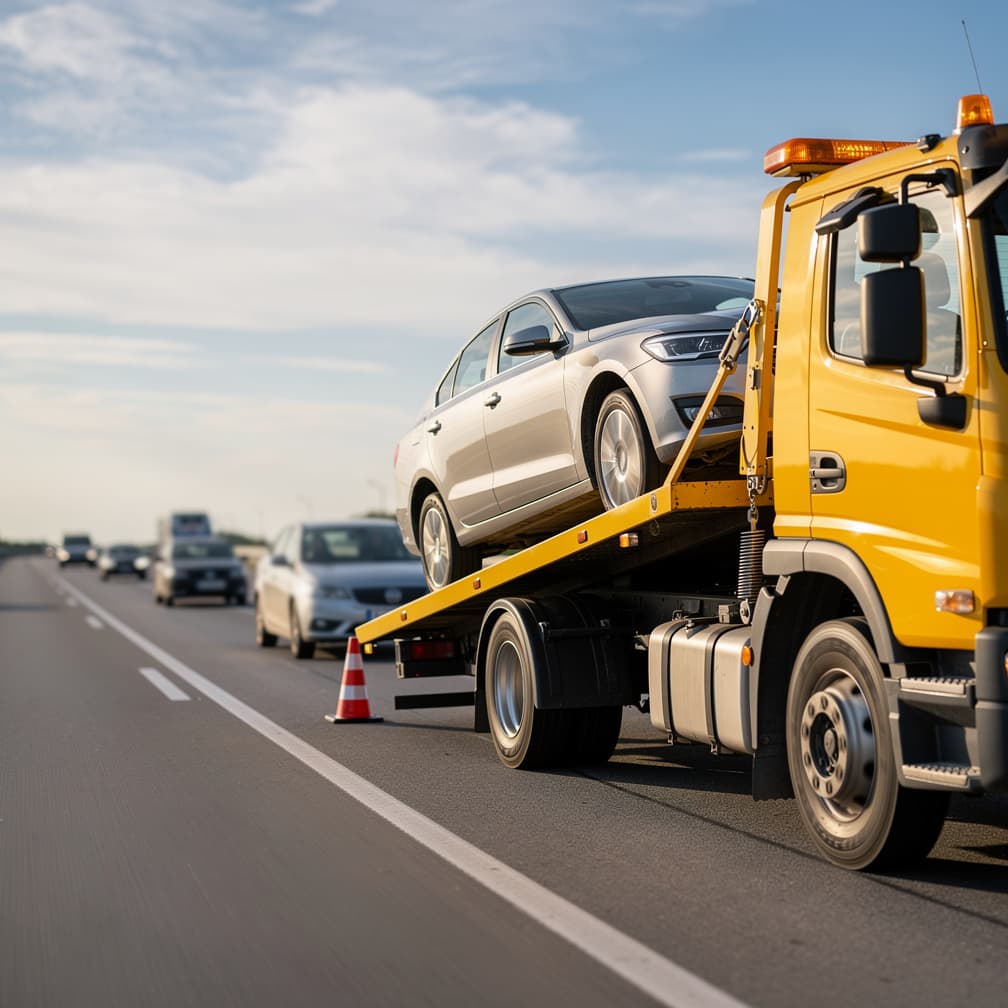
Dense, short-haul towing is the sharpest difference here, because your truck often moves customer vehicles between curbside pickups, repair facilities, parking lots, and medical or retail destinations in a tight urban footprint instead of long highway runs. That changes how you should review on-hook towing insurance in New Haven: not as a generic limit, but as protection matched to frequent hook-ups, handoffs, and storage transitions during a normal day. Around downtown, Wooster Square, Westville, and the corridors feeding local hospitals and shopping areas, a small mistake during loading, backing, or lot maneuvering can turn into a customer-vehicle claim fast. The county containing New Haven has 13,808 business establishments, so commercial accounts, vendors, and property managers can create steady tow demand and more certificate requests before work starts. That volume makes documentation discipline part of the coverage decision, not just an office task. If your operation handles impounds, breakdowns, shop transfers, or private-property removals, review how your on-hook limit, deductible, and vehicle-in-tow scenarios line up with the way your drivers actually work each shift, then request a quote built around those routes and handoff points.
On-Hook Towing Insurance Risk Factors in New Haven
Local towing risk centers on repetition in confined spaces. Here, many losses are less about distance and more about how often your drivers load, secure, reposition, and unload customer vehicles near curbs, alleys, tight lots, and busy service entrances. That is worth underwriting carefully if your day includes apartment complexes, downtown garages, retail centers, or hospital-adjacent pickups. Connecticut's broader hazard profile can still affect claims, but the city-specific issue is **operational density**: more stops, more turns, more backing, and more chances for a damage allegation during a routine tow. Review whether your policy terms fit wheel-lift work, flatbed work, after-hours removals, and temporary storage transitions. It also helps to keep photo documentation, dispatch notes, and signed condition reports consistent, because frequent short-haul jobs can produce disputes over when damage happened. Ask for a quote that reflects your actual mix of private-property, shop-to-shop, and roadside towing rather than a broad towing label.
Connecticut has a moderate climate risk rating. Top hazards: Hurricane (High), Nor'easter (High), Flooding (Moderate), Winter Storm (Moderate). The state's expected annual loss from natural hazards is $620M, which influences on-hook towing insurance premiums and may affect coverage availability in high-risk areas.
What On-Hook Towing Insurance Covers
In Connecticut, the practical question is not whether a customer vehicle is in your care during the tow. The real question is how your policy language responds to the way your jobs unfold in this state. A roadside disablement on a narrow local road, a post-collision pickup headed to a body shop, and an impound moving into a fenced lot can all create different damage allegations, even when the same truck handles each job.
That is why you should review the points where claims usually turn. Start with loading and securement procedures. If your crews switch between wheel-lift and flatbed work, ask whether the policy is being quoted around the actual mix of service calls, not a simplified description on an application. Then look at unloading exposures. A claim can arise at the destination just as easily as at pickup, especially if the vehicle has suspension, steering, or body damage before transport begins.
Rain, snow, ice, and storm cleanup can complicate the question of what damage happened before hookup and what happened during transport. You want a process that supports the policy: timestamped photos, dispatch notes, signed condition acknowledgments when available, and clear records of where the vehicle was picked up and delivered.
Before binding coverage, ask your agent to walk through a recent real job from dispatch to drop-off and confirm how the policy is intended to respond at each step.
Coverage Included

Collision on Hook
Covers damage to towed vehicles from collisions during transport.

Comprehensive on Hook
Covers theft, fire, and weather damage to vehicles being towed.
Loading & Unloading
Covers damage during the process of loading and unloading vehicles.

Winching Coverage
Covers damage to vehicles during winching and recovery operations.
Multiple Vehicle
Covers all vehicles on multi-car carriers and rollback flatbeds.
Industries & Insurance Needs in New Haven
Service demand here is shaped by the county business mix, because the establishments that most often need towing support are not all the same kind of account. In the county containing New Haven, health care and social assistance make up 13.8% of establishments, retail trade 13.5%, and other services except public administration 11.3%. That mix matters because each segment creates different vehicle-in-tow situations: staff and visitor vehicles near medical campuses, customer cars in retail lots, and service-related pickups tied to repair, maintenance, or property access. If those accounts are part of your book, your insurance review should focus on where vehicles are picked up, who signs off at release, and whether your on-hook limit fits the types of cars you move most often. It is also a reason to organize certificates and additional insured requests early, since commercial clients in these sectors often want cleaner paperwork before assigning work.
What Makes New Haven Different
Operational density is what changes the calculus here. In a market built around frequent short moves and tight pickup environments, your exposure comes from how many times a customer vehicle is touched in a day, not just from miles traveled. That means a low-limit, bare-minimum approach can leave gaps if your drivers regularly handle shop transfers, private-property removals, garage extractions, or calls near major commercial and medical destinations. New Haven's median household income is $53,771, so many personal-auto customers are cost-sensitive after a breakdown or tow dispute. In practice, that can mean closer scrutiny of damage allegations, storage charges, and release conditions when a claim happens. For you, the buying decision is less about chasing a generic low premium and more about setting terms you can defend when a customer questions a bill or the condition of a vehicle. Review deductibles, claim documentation procedures, and whether your limit still makes sense for the vehicles you actually tow most weeks.
Our Recommendation for New Haven
Start with your dispatch pattern, not your declarations page. If most calls are short-haul and involve multiple handoffs in one shift, ask for on-hook terms that match frequent loading and unloading rather than assuming a standard setup is enough. Build your quote request around your real work mix: police-related assignments, repair-shop transfers, apartment or retail lot removals, roadside recovery, and any temporary storage exposure. Then review your deductible against the kinds of damage disputes that happen in tight urban towing, where mirrors, bumpers, wheels, and undercarriage allegations can arise even on routine jobs. It is also smart to tighten your paperwork. Use time-stamped intake photos, dispatch logs, and release signatures consistently so a claim can be reconstructed without guesswork. If you contract with commercial accounts, ask whether they require specific certificates or wording before sending calls. Bring those requirements into the quote process early, along with your truck count, tow methods, and highest-value vehicles in tow.
Get On-Hook Towing Insurance in New Haven
Enter your ZIP code to compare on-hook towing insurance rates from carriers in New Haven, CT.
Business insurance starting at $25/mo
FAQ
Frequently Asked Questions
New Haven short-haul towing creates more loading, backing, and handoff points in a single day, so the main issue is often claim frequency during routine moves rather than long-distance exposure. Review limits and deductibles around how your drivers actually operate.
New Haven sits in a county with 13,808 business establishments, which can mean more vendor work, lot enforcement, shop transfers, and certificate requests. If commercial accounts drive your calls, build your quote around those contracts and pickup environments.
New Haven operators often feel it through county sectors such as health care and social assistance at 13.8%, retail trade at 13.5%, and other services at 11.3%. Those accounts change where vehicles are picked up, released, and documented.
New Haven claims planning should account for customer sensitivity after a breakdown or impound. With median household income at $53,771, billing and damage disputes may be pressed harder, so choose a deductible you can absorb without disrupting cash flow.
New Haven quote requests should include any lease, vendor, or commercial-account insurance requirements up front. That helps you match on-hook terms, certificates, and documentation procedures to the work you are actually trying to win or keep.
Police rotation work in this state often comes with stricter proof-of-coverage expectations and closer scrutiny after a damage claim. Review your policy wording, limits, and certificate requirements before joining or renewing any rotation, especially if your trucks also handle impounds and recovery calls.
Snow, ice, and storm cleanup can make it harder to separate pre-existing damage from damage alleged during loading, transport, or unloading. Use photos, dispatch timestamps, and delivery records on every tow so your claim file shows what condition the vehicle was in at each handoff.
The Connecticut Insurance Department oversees insurance regulation in the state. Keep your review focused on policy wording and state-regulated filings rather than assumptions carried over from another state.
Sources
- 1.U.S. Census Bureau, County Business Patterns, South Central Connecticut Planning Region(The county containing New Haven has 13,808 business establishments, so commercial accounts, vendors, and property managers can create steady tow demand and more certificate requests before work starts.; In the county containing New Haven, health care and social assistance make up 13.8% of establishments, retail trade 13.5%, and other services except public administration 11.3%.)
- 2.U.S. Census Bureau, ACS 5-Year Estimates, table B19013(New Haven's median household income is $53,771, so many personal-auto customers are cost-sensitive after a breakdown or tow dispute.)
Updated July 5, 2026