Updated July 16, 2026

Key Takeaways
- Review your construction contract before requesting a quote, so the named insureds and insurance responsibility match the job documents.
- Prepare the project budget, timeline, address, and scope summary before applying, so the quote reflects the work actually being built.
- Check whether the policy addresses on-site materials, transit, temporary structures, and soft costs before the first delivery arrives.
- Compare the policy term against your realistic completion schedule, then ask about extension options before the original term gets close to expiring.
- Map builders risk against your liability, installation, and equipment policies, so you avoid both coverage gaps and overlapping property insurance.
Builders Risk Insurance in Delaware
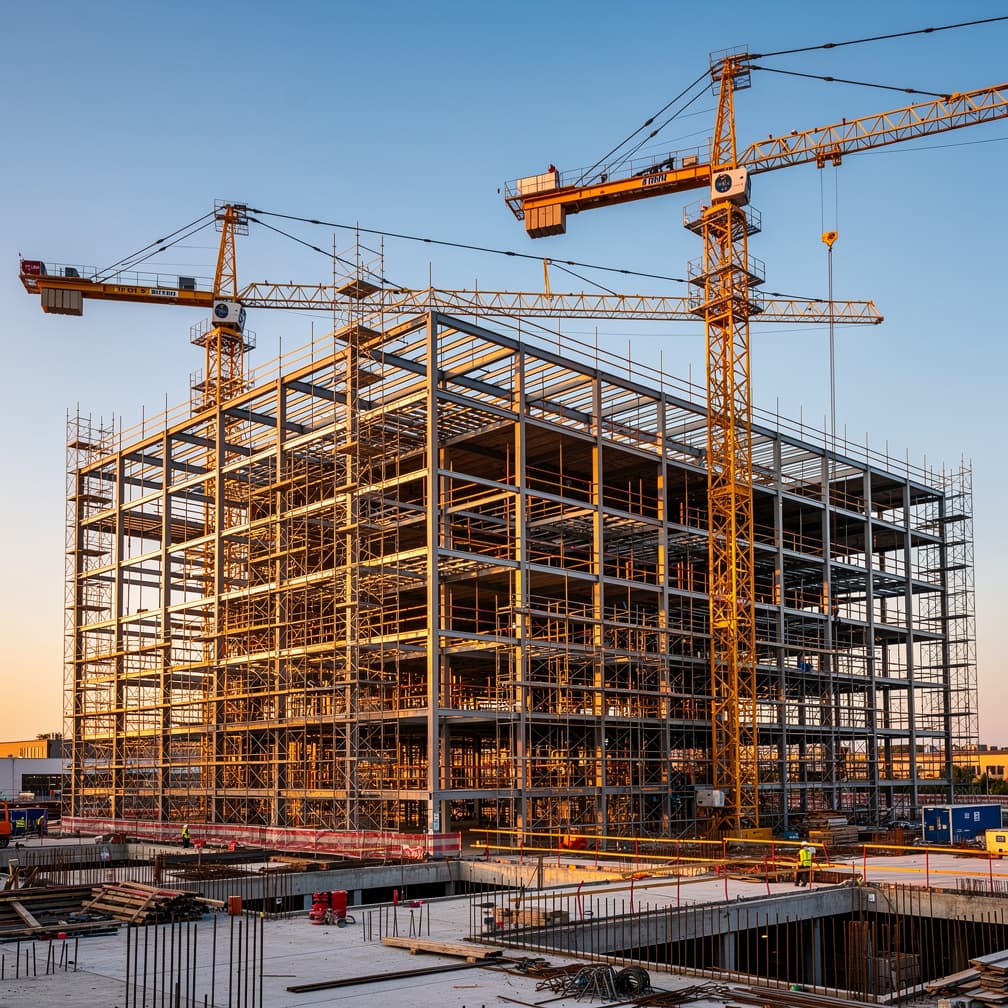
Before materials are delivered or lender funds are released, you need to show who carries the course of construction policy, which parties must be scheduled, and what property is included while work is underway. For many projects, this coverage is less about buying a generic form and more about matching the policy to the job documents, the site, and the build sequence. A coastal site in Sussex County and an inland project in Wilmington face different water and wind pressures, which means the policy review has to account for how storm-driven rain, temporary openings, and site drainage interact before the first draw is released. As you compare quotes, focus on the practical details that tend to create disputes after a loss, such as whether water intrusion during construction is covered or excluded, whether stored materials are included at full value, and how theft of staged materials is handled. Soft cost needs, temporary works, stored materials, theft controls, and whether renovation exposures are treated differently from new construction all deserve attention. A clean quote request starts with the contract set, project budget, timeline, and a clear list of every party asking to be included.
What Builders Risk Insurance Covers
In Delaware, the useful review is not the broad promise of protection during construction. It is the property schedule and the causes of loss that fit your site conditions. Start by checking whether the policy is being written for new construction, an addition, or a renovation where an occupied structure stays in service. That distinction affects how you should review existing building exclusions, partial occupancy language, and responsibility for materials that arrive before installation.
For coastal and low-lying jobs, ask specifically how the form treats wind-driven rain, water intrusion during construction, and damage that follows temporary openings in the building envelope. If your project depends on staged deliveries, confirm how materials are handled while in transit, at temporary storage locations, and once dropped at the job site. Those details matter if cabinets, mechanical equipment, or finish materials sit offsite waiting for the next phase.
You should also review the property that supports the work but is easy to overlook in the application. That can include scaffolding, fencing, construction forms, temporary structures, and debris removal needs after a loss. On renovation work, compare the contract scope against the policy wording so you know whether only new work is contemplated or whether certain existing elements are also scheduled. If your lender or owner requires named parties, line up the insured structure before binding. A quote is easier to trust when the policy matches the contract exhibits, the draw schedule, and the way materials actually move onto the project, because the underwriter is pricing the job you described rather than filling gaps with assumptions.

Structure Coverage
Covers the building or structure under construction.

Materials on Site
Covers building materials stored at the construction site.

Materials in Transit
Covers materials being transported to the job site.
Temporary Structures
Covers scaffolding, fencing, and temporary buildings.

Soft Costs
Covers additional expenses from construction delays due to covered losses.
Equipment Coverage
Covers permanently installed fixtures and equipment.
Builders Risk Insurance Requirements in Delaware
- Delaware projects with coastal exposure should be reviewed for how the policy handles wind, rain entering during construction, and site water conditions before the building envelope is complete, because those are the conditions most likely to drive a dispute over what the form actually covers.
- Renovations in occupied buildings need a clear division between new work under builders risk and existing property that may stay under another policy, so a loss involving both does not leave you arguing over which insurer pays.
- If materials are staged at temporary storage locations before delivery to a job site, confirm those locations are contemplated in the quote request and policy terms.
- Lender-driven projects often require insured party wording and evidence of coverage to match the financing documents exactly, not approximately.
How Much Does Builders Risk Insurance Cost in Delaware?
Builders risk pricing in Delaware is usually shaped by the project file you hand the underwriter, not by a standard monthly rate. The more complete your submission, the easier it is to avoid a quote that looks workable at first and then changes once plans, values, or site details are reviewed. Begin with the completed value, construction type, project address, timeline, and whether the job is ground-up construction, tenant improvement, or a major renovation.
A coastal location, a site with limited security, a long build schedule, or a project that stores high-value materials before installation can all change how the risk is viewed. The same is true if the work includes phased occupancy, historic elements, custom finishes, or mechanical systems with long replacement lead times. If you need soft costs, delay-related protection, or broader treatment for temporary storage, expect those choices to affect the quote. Soft costs are the indirect expenses that pile up when a project is delayed, things like additional loan interest, extended architectural fees, real estate taxes during the delay period, or lost rental income while the building sits unfinished.
Deductible structure also matters. A lower deductible can raise the premium, while a higher deductible may reduce it but leave you carrying more of a loss before your policy may respond. That tradeoff should be reviewed against your cash flow and lender expectations, not chosen in isolation. The practical way to shop this coverage is to submit one consistent set of values and project details to every market you approach. If one quote assumes different materials, a shorter term, or narrower property definitions, it may look less expensive while leaving a gap that shows up only after a claim.
Request a Quote Comparison
Enter your ZIP code to compare builders risk insurance rates from top carriers.
Business insurance starting at $25/mo
Who Needs Builders Risk Insurance?
In Delaware, the right question is not simply who can buy builders risk, but who is expected to carry it under the project documents and who would absorb the loss if work in place is damaged. On ground-up projects, owners often arrange the policy because they control the site and financing, while on other jobs a general contractor may be assigned that responsibility, especially where the contract requires one party to insure the work for everyone with an insurable interest.
Developers should review it early if construction financing depends on evidence of coverage before draws continue. General contractors should review it whenever the agreement pushes insurance obligations downstream, especially if they are expected to include the owner, lender, or key subcontracted interests. Design-build firms should pay close attention to how the contract allocates responsibility for materials, temporary works, and delay-related costs.
Renovation projects deserve special attention in Delaware because occupied buildings create a different loss profile than vacant sites. If tenants, operations, or residents remain in place during the work, you need to separate what belongs under the builders risk form from what stays with existing property coverage. That is also true for owners improving mixed-use or coastal properties where water and wind exposures can affect both the old structure and the new work. If you have money tied up in the project, are responsible for replacing damaged work, or are being asked for proof of coverage before construction proceeds, you should review the contract and insurance specifications before the first major delivery arrives.
Builders Risk Insurance by City in Delaware
Builders Risk Insurance rates and coverage options can vary across Delaware. Select your city below for localized information:
How to Buy Builders Risk Insurance
Buying correctly in Delaware starts with collecting the documents that control the risk. Pull the construction contract, insurance requirements, lender conditions, project budget, plans, schedule, and any exhibit that lists who must be insured. Then compare those documents against the actual job. If the contract says one thing but the site logistics, storage plan, or renovation phasing say another, fix that before you request terms.
Your application should explain how the project will be built, not just what it costs. Include the construction type, square footage if requested by the market, security measures, fire protection, distance to exposures, and whether materials will be stored offsite or installed in phases. For Delaware projects near the coast or in areas with water exposure, be direct about drainage, site protection, and how the structure will be dried in. Underwriters price uncertainty, so an application that leaves questions about security, phasing, or water exposure open tends to come back with higher premiums, broader exclusions, or a declination.
Next, review the insured parties and loss payable structure carefully. Owners, lenders, general contractors, and others may need to appear in specific ways, and those details should match the contract language. If soft costs or delay-related needs matter to your financing or lease-up plan, ask for them during quoting rather than trying to add them after a loss concern appears. Before binding, read the quote for valuation, deductible, term, extensions, and occupancy conditions. Then confirm the effective date lines up with mobilization, site delivery, and the first point at which your contract says the insurance obligation begins.
How to Save on Builders Risk Insurance
The cleanest way to control cost is to hand the underwriter a project file that leaves no open questions. Start with a complete statement of values that matches the contract and budget. If the numbers in your application, lender file, and construction agreement do not line up, the market may price for the worst interpretation or ask to revise terms later.
Security planning is one of the most practical savings levers. Explain fencing, lighting, locked storage, camera monitoring, key control, and who checks the site after hours. Theft of materials can turn a manageable project into a serious financial setback, especially when high-value components arrive early and sit before installation, because replacing stolen materials out of pocket can drain your contingency and push the timeline past lender deadlines. A documented delivery and storage plan can help the risk look more predictable.
You can also save by choosing terms that fit the job instead of buying broad features you do not need. If temporary storage is minimal, if soft costs are not part of your exposure, or if certain parties do not need to be scheduled, trimming those items may improve the quote. The opposite is also true. Cutting a needed feature to lower premium can cost more later if a lender, owner, or claim reveals the gap. Finally, keep the timeline realistic. Extensions, delayed completion, and midterm value changes often create extra cost and extra paperwork. A quote is usually more stable when the start date, completion target, and build sequence are credible from the beginning, so gather updated schedules before you ask markets to price the job.
Our Recommendation for Delaware
For Delaware projects, treat water management and contract alignment as the two reviews that deserve the most attention before binding. If the site is exposed to coastal weather, low-lying drainage issues, or staged dry-in, ask the broker to walk you through how the form responds to water entering during construction and what exclusions or sublimits could affect the claim. On renovation work, do not assume the policy automatically solves the split between existing structure and new work. Ask for a line-by-line review of what property is intended to be covered, what remains under the owner's existing property program, and how a loss would be adjusted if both are damaged in the same event. That conversation is especially important when occupants remain in the building.
You should also verify every party asking for evidence of coverage before the policy is bound. A certificate request that arrives after closing can expose a mismatch between the contract and the actual insured structure. Buyers should confirm licensing and complaint resources through the state insurance department while they compare options. The strongest quote request usually includes the contract insurance exhibit, a current budget, the construction schedule, the site security plan, and a short note explaining any unusual storage, phasing, or occupancy conditions. That package gives you a better basis for comparing terms, not just premium.
FAQ
Frequently Asked Questions
Delaware builders risk insurance is regulated through the Delaware Department of Insurance. That is the place to verify producer licensing, review complaint resources, and confirm you are dealing with a properly regulated insurance transaction before you bind coverage.
Delaware coastal projects often need closer review of water, wind, temporary openings, and material storage conditions. The policy may respond differently depending on the cause of loss and the stage of construction, so site conditions should be explained clearly during quoting.
Delaware renovation projects often require more careful wording review than ground-up jobs because existing structures, occupants, and ongoing operations can create overlapping property exposures. You should confirm exactly what new work is intended to be insured and what stays elsewhere.
Delaware construction lenders often expect evidence that the project is insured before funds continue to move. The practical step is to compare the lender requirements with the contract so insured parties, valuation, and effective dates line up before closing.
Delaware quote requests are usually stronger when you send the contract insurance requirements, project budget, schedule, plans, site address, and any lender conditions. That helps the underwriter price the actual job instead of making assumptions you have to correct later.
Delaware projects sometimes require certain parties to be included, but the answer depends on the contract and the policy structure. Review who must be insured, who needs evidence only, and whether the wording should follow the construction agreement exactly.
Delaware builders risk quotes should be compared on valuation, deductible, term, covered property, insured parties, and any storage or soft cost provisions, not premium alone. A lower price can still leave a gap if the quote assumes narrower project details.
Builders risk insurance may cover, subject to policy terms, the structure under construction, materials on site, materials in transit, temporary structures, and fixtures or equipment being installed. Depending on the policy, you can also review soft costs and delay-related coverage tied to a covered property loss.
Sources
- 1.Delaware Department of Insurance(Delaware builders risk insurance is regulated through the Delaware Department of Insurance.)
Updated July 16, 2026