Updated July 16, 2026

Key Takeaways
- Compare quotes using the same peak inventory value, deductible, and valuation assumptions so you can see real coverage differences.
- Ask in writing how the policy handles hail, flood, theft, vandalism, and test drives before you bind coverage.
- Prepare a current inventory schedule, offsite storage list, and security summary before requesting dealer open lot insurance quotes.
- Review whether flood needs separate placement instead of assuming another policy form includes it automatically.
- Requote after security upgrades, lot layout changes, or improved claims history so pricing reflects your current risk.
Dealer Open Lot Insurance in Delaware
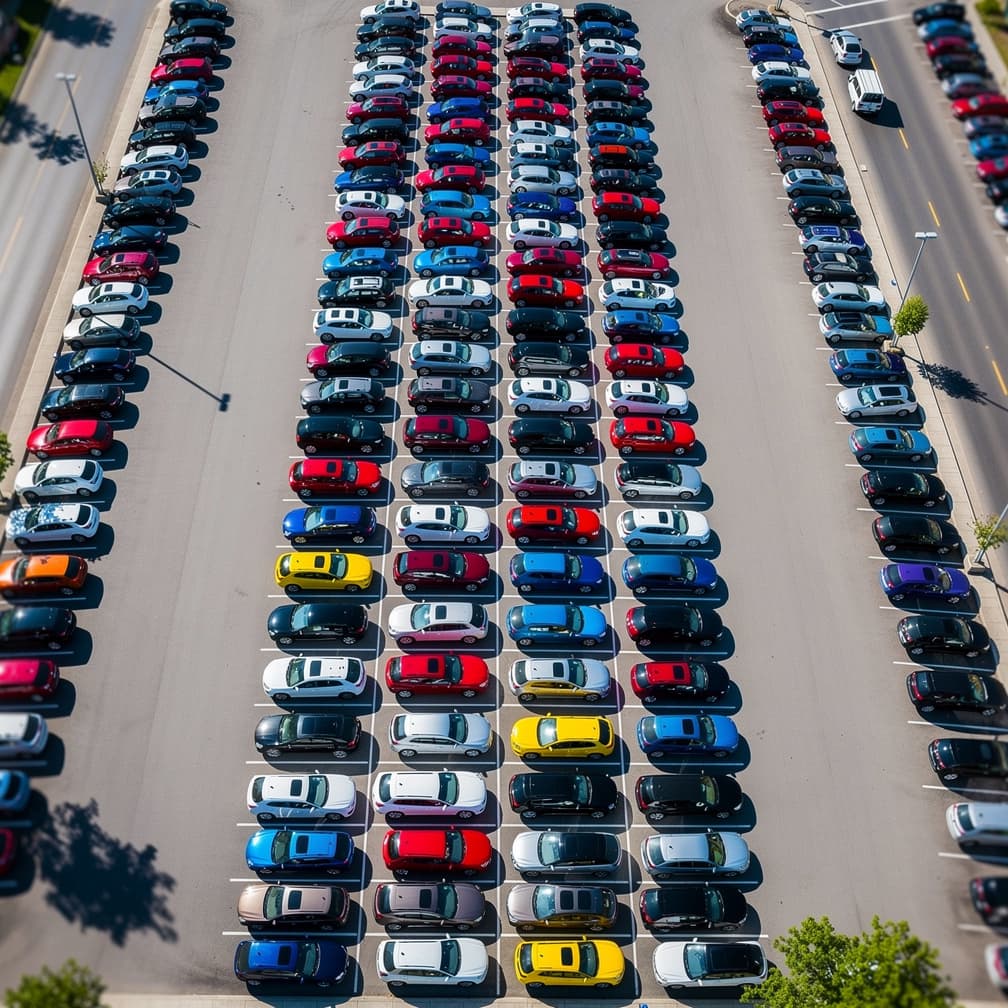
Dealer open lot insurance is usually the first practical hurdle for your Delaware dealership. Lenders, floor plan sources, landlords, and auctions often want proof of coverage in place before inventory moves or a space is finalized, and satisfying that expectation means showing current policy details, accurate inventory values, and storage addresses that match how vehicles are actually held. You are reviewing whether your policy matches your inventory mix, your storage pattern, and the documents another party may ask to see before business starts.
Your real lot conditions should shape the quote from the start. Coastal weather, heavy rain, wind, and storm-driven water can change how you think about where units sit, how keys are controlled, and whether overflow inventory ever spends nights at a secondary location. If your operation shifts vehicles between the main lot, reconditioning space, auction runs, and temporary storage, those movements need to be described clearly in the application.
You are not shopping for a generic form. Gather your current inventory schedule, every storage address, and any lender or lease insurance requirements before you request quotes.
What Dealer Open Lot Insurance Covers
A policy review should focus on the way vehicles are stored across your primary lot, any overflow area, service or reconditioning space, and any location used after auction purchases arrive. If a unit spends time somewhere other than the address on the application, ask how that location is treated before you assume it is included.
Weather deserves close attention in this state because lot layout can change the severity of a loss. You should review whether low spots on the property collect water, whether perimeter fencing leaves vehicles exposed to wind-driven debris, and whether high-value units are concentrated in the most vulnerable rows. Those operational details matter because a claim is easier to defend when your storage pattern is documented and consistent with the application. If your records do not match your actual lot setup, the insurer may delay your payout or deny the claim entirely.
If employees regularly reposition vehicles between lots, take units to detail or repair, or stage inventory offsite during crowded buying periods, ask where coverage may stop and where another policy may need to respond. The same applies if your dealership uses temporary storage while making room for new arrivals.
Delaware buyers should also pay attention to documentation. If you need to verify licensing, complaint resources, or consumer guidance while comparing policies, check the state's insurance regulator. Before you bind, ask for the scheduled locations, how losses are valued, and your deductible structure, along with any exclusions tied to unattended vehicles, keys, storm conditions, or off-premises storage in writing.

Weather Damage
Covers hail, wind, flood, and storm damage to lot inventory.
Theft Protection
Covers vehicles stolen from your lot.
Fire Damage
Covers fire and explosion damage to inventory vehicles.

Vandalism
Covers intentional damage to vehicles on your lot.
Test Drive Coverage
Covers vehicles during customer and employee test drives.
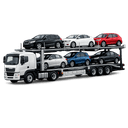
Transit Coverage
Covers vehicles being moved between lot locations.
Dealer Open Lot Insurance Requirements in Delaware
- Delaware lot reviews should account for coastal weather exposure, because wind, heavy rain, and storm-driven water can affect where inventory is safest overnight.
- If your dealership uses overflow storage or a secondary address, schedule that location clearly instead of assuming the main lot wording extends automatically.
- A Delaware policy review should compare lender, landlord, and auction insurance requirements against the quote.
- Document drainage patterns, fencing, lighting, and key control procedures at each Delaware storage site so underwriting and claim handling rely on the same facts.
How Much Does Dealer Open Lot Insurance Cost in Delaware?
Pricing in Delaware depends on how much inventory value you carry and how that value is concentrated across your locations. A current inventory schedule gives underwriters the detail they need to price your risk accurately.
Underwriters also look at where the vehicles sit and how losses could spread. If your lot has one dense storage area, limited drainage, or a layout that leaves many units exposed to the same weather event, your premium may be higher than it would be for a dealership that separates inventory by value and uses more controlled storage practices. In Delaware, that practical site review matters because coastal storms, heavy rain, and wind can turn a property issue into a multi-unit claim.
Your deductible choice, requested limit, prior claims, security controls, and any gap between your stated values and actual inventory can all affect cost. So can the way you handle keys, after-hours access, fencing, lighting, and transport between locations. If you finance inventory, the lender's insurance requirements may also shape the limit and deductible structure you can realistically choose.
Before you buy, ask the agent to show how offsite storage, newly acquired units, and temporary location changes affect the premium and the claim response.
Request a Quote Comparison
Enter your ZIP code to compare dealer open lot insurance rates from top carriers.
Business insurance starting at $25/mo
Who Needs Dealer Open Lot Insurance?
In Delaware, the businesses that need this coverage are usually the ones whose inventory can sit exposed to weather, theft, or handling loss before a retail buyer takes delivery. That can include independent used vehicle dealers, franchise operations, powersports sellers, trailer dealers, and other resale businesses that hold titled inventory outdoors or move it between business locations. If your inventory pattern creates a concentration of vehicles that could be damaged in one event, you need to review your coverage.
You should review this coverage if your dealership uses a main lot plus overflow storage, keeps units at a reconditioning site overnight, or buys vehicles at auction and holds them at a secondary address before they are front-line ready. Those are common operational choices, but they can create coverage gaps if the policy only reflects the primary lot. If an unlisted overflow lot suffers a loss, you could be left paying for the damage out of pocket.
A floor plan lender may want evidence that financed inventory is insured. A landlord may ask for certificates before occupancy issues are resolved. An auction or transport partner may expect your insurance program to line up with how vehicles are picked up, stored, and transferred. If your business depends on those relationships, you need a policy review that matches the paperwork they request.
Even smaller Delaware dealers should not assume a modest inventory count means a simple exposure. A few higher-value units, a low-lying lot section, or inconsistent key control can change the risk quickly. If you own vehicles for resale and they remain in your care before sale, review your lot values, storage map, and lender or lease requirements now. If you wait until after a storm or theft loss, you may find your policy pays out far less than the actual value of the damaged or missing vehicles.
Dealer Open Lot Insurance by City in Delaware
Dealer Open Lot Insurance rates and coverage options can vary across Delaware. Select your city below for localized information:
How to Buy Dealer Open Lot Insurance
Start with a dated inventory list showing each unit held for sale, the values you want insured, and where each vehicle is normally stored. Then add every address tied to the operation, including overflow lots, service areas, reconditioning space, and any temporary storage location you use during busy buying periods.
Next, gather the documents that create outside insurance expectations. That may include floor plan requirements, lease clauses, auction agreements, or any contract that tells you what proof of coverage another party wants to see. If those documents require certain limits, deductibles, or certificate wording, share them before quoting so you do not waste time reviewing options you cannot use.
You should also be ready to explain how vehicles move. Underwriters need a clear picture of whether units stay on one lot, rotate between addresses, go offsite for repairs, or spend nights away from the main premises. In Delaware, that explanation matters because weather exposure can change significantly from one storage address to another, especially if one site drains well and another does not.
As you compare quotes, ask direct operational questions. Are all storage addresses scheduled correctly? How are newly acquired vehicles handled? What happens if inventory is temporarily moved because of a storm threat? How is loss valued at claim time? Which exclusions apply to unattended vehicles, keys left in units, or off-premises storage? If an answer is important to your operation, get it in writing. Then review the final policy against your inventory schedule and location list one more time so the paperwork matches the way your dealership actually runs.
Request a quote through CPK Insurance to compare your options with participating licensed providers. That means we connect your request with licensed insurance professionals who can offer policies suited to your dealership.
How to Save on Dealer Open Lot Insurance
Start with inventory accuracy. If your reported values lag behind what is actually on the lot, you create underwriting friction that can slow down your quote and complicate claim handling. A current schedule, updated storage addresses, and a clear record of where higher-value units are parked can help you present a cleaner account.
Site discipline matters too. If part of your lot is more exposed to standing water, wind, or unsecured access, move your most vulnerable or highest-value inventory to the better-protected area when possible. Separate units so one incident is less likely to damage many vehicles at once. Keep photos of the lot layout, fencing, lighting, and drainage conditions, then update them when the setup changes. That gives the underwriter a clear, reliable picture of the risk, which can lead to better pricing.
You can also save by tightening key control and after-hours procedures. Document who can move vehicles, where keys are stored, and how inventory is checked at closing. If you use overflow storage, apply the same controls there instead of treating it like informal space. Consistency across locations often matters more than having one well-managed main lot and one loosely managed secondary address.
Finally, shop with complete information. Use the same inventory date, values, deductibles, and location list for each quote so you can see whether a lower premium reflects better pricing or simply narrower assumptions. Ask whether adjusting deductibles, removing unnecessary location ambiguity, or improving storage practices would change the quote. The lowest-priced option can cost more later if it leaves you paying out of pocket for a vehicle stored at an undisclosed location.
Our Recommendation for Delaware
If you keep vehicles anywhere other than the front lot, list that address and describe how often inventory moves there. A claim gets harder to defend when the policy file and the actual storage pattern do not match. If the insurer finds an undisclosed location, they may deny the claim entirely, leaving you to absorb the loss.
I would also review your lot with storm loss in mind before renewal. Note where water collects after storms and identify which rows take the worst wind exposure. Then decide where higher-value units should sit during normal operations and where they should move if severe weather is expected. That operational plan can matter as much as the policy language.
If you finance inventory, ask for your lender's insurance requirements early and compare them against the quote. That avoids buying a policy that looks workable until certificate requests or deductible restrictions surface later. Keep the same discipline with landlords and auctions that require proof of coverage.
Finally, use the Delaware Department of Insurance as your checkpoint when you want to confirm regulator information while comparing options. Review answers against your actual lot operations before signing.
FAQ
Frequently Asked Questions
Yes, you typically need to list offsite storage lots on your policy. In Delaware, a policy may not extend coverage to secondary locations automatically. If you keep inventory at another address and do not schedule it, a loss there could be denied. Ask for that location to be shown clearly in the quote and final policy.
Delaware regulates insurance through the Delaware Department of Insurance. If you want to verify regulator information while comparing policies, use that agency's consumer resources, then focus your purchase decision on scheduled locations, valuation, deductibles, and exclusions.
Delaware weather can change how you evaluate lot layout, drainage, and where higher-value units are parked. If storm-related water damages vehicles parked in a known low-lying area, an insurer may dispute the claim if you were aware of the drainage issue and did not move the inventory. Ask your agent how storm-related losses, temporary vehicle moves, and storage at multiple addresses are handled.
Yes. Floor plan lenders typically set specific insurance requirements before they release funds for inventory. Pull your floor plan documents early so you know exactly what limits, deductibles, and certificate wording to request when you compare quotes.
Delaware quotes work better when you provide a dated inventory list, accurate values, every storage address, and details on how vehicles move between locations. Include any lease or lender insurance requirements so the quote matches the way your dealership operates.
Delaware policies can treat vehicle movement differently depending on where units go and why they are moved. If inventory shifts between your main lot, reconditioning space, or overflow storage, coverage may apply at one location but not another. Ask exactly when coverage applies and when another policy may respond.
Delaware dealers should list every storage address because claim handling becomes harder when the application and the actual lot pattern do not match. A clear location schedule helps the underwriter price the risk and reduces disputes after a loss.
Dealer open lot insurance nationwide is generally reviewed for damage or loss to vehicles you own for sale, including hail, wind, theft, vandalism, fire, flood, and test drive exposure, depending on your policy terms, deductibles, valuation method, and any location or off-premises limitations.
Sources
- 1.Delaware Department of Insurance(The Delaware Department of Insurance is the state's insurance regulator.)
Updated July 16, 2026