Updated July 16, 2026

Key Takeaways
- List every towing and transport service you perform before requesting quotes, so loading, unloading, winching, and recovery exposures are reviewed correctly.
- Compare the on-hook limit, deductible, valuation method, and exclusions side by side instead of choosing a policy on premium alone.
- Ask in writing whether your policy addresses the specific vehicles you tow most often, especially specialty, modified, low-clearance, or higher-value units.
- Use pre-tow photos, condition notes, and signed release procedures on every job to reduce disputes and support claims handling.
- Review on-hook coverage together with auto liability and any garagekeepers coverage before renewal to catch gaps between transport and storage.
On-Hook Towing Insurance in Delaware
Your insurance paperwork needs to stand up to review before a contract, police rotation opportunity, storage agreement, or lender requirement moves forward. That means your on-hook towing insurance should match the vehicles you actually tow, the way you secure them, and the kinds of calls that create the biggest damage disputes. A light-duty operator handling roadside breakdowns around Wilmington faces a different exposure than a truck moving disabled vehicles off coastal routes during storm-driven traffic disruptions or hauling higher-value units for a repair shop. Delaware weather also matters, because wind, heavy rain, and coastal flooding can turn an ordinary hookup or unload into a claim about shifting, impact, or water-related damage. You want policy language, limits, and documentation practices that can be explained clearly if a claim or coverage question is reviewed.
What On-Hook Towing Insurance Covers
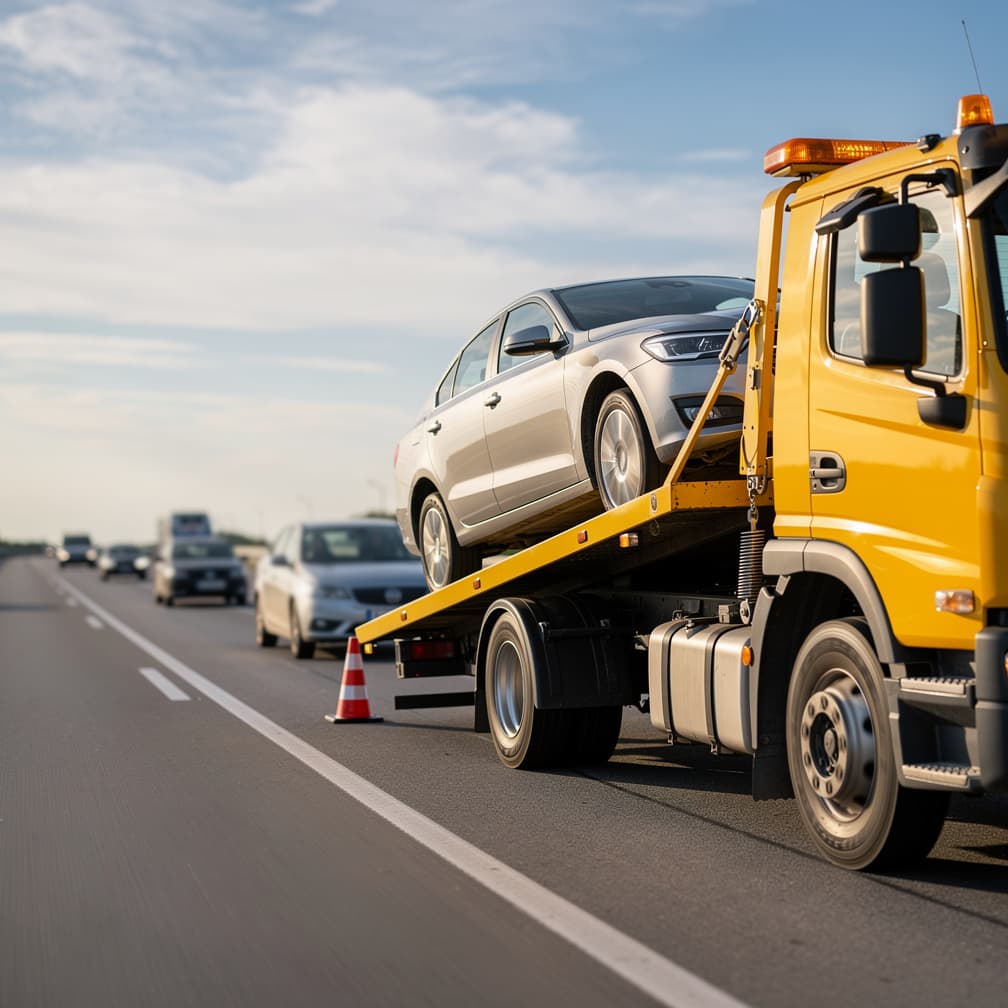
If your work includes roadside pickups on busy suburban corridors, recoveries after heavy rain, dealer transfers, apartment-complex impounds, or moves to body shops and repair facilities, the details of attachment, transport, and release matter. A policy review should focus on where damage allegations are most likely to start. Those points include during hookup, while the vehicle is secured, in transit, at unloading, or when conditions on the shoulder or lot make positioning harder.
That matters here because Delaware Code Title 21 governs towing and recovery operations, which means your compliance with those rules can affect how a claim is investigated and whether a damage dispute expands into a broader liability question. Weather-related hazards can change the loss pattern even on short runs. Wind can affect door swing, debris conditions, and roadside safety. Flooding can complicate access points, increase the chance of hidden water intrusion allegations, and make a customer dispute more expensive if electronics or interiors are involved. Severe storms can also compress call volume into a short period, which raises the odds of rushed documentation or inconsistent securement practices. If your operation works near coastal areas or low-lying routes, ask specifically how the policy responds when a damaged vehicle is moved after storm conditions and whether any exclusions or sublimits may affect the claim.
You should also review how your on-hook limit fits the most expensive vehicle you are willing to accept, not just the average call. If one truck handles routine breakdowns most days but occasionally moves newer SUVs, work vans, or specialty vehicles, your limit decision should reflect that peak exposure. Ask for sample claim scenarios tied to your actual services, then compare those against your dispatch records and tow tickets.
Collision on Hook
Covers damage to towed vehicles from collisions during transport.
Comprehensive on Hook
Covers theft, fire, and weather damage to vehicles being towed.
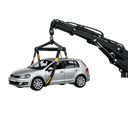
Loading & Unloading
Covers damage during the process of loading and unloading vehicles.
Winching Coverage
Covers damage to vehicles during winching and recovery operations.
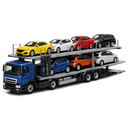
Multiple Vehicle
Covers all vehicles on multi-car carriers and rollback flatbeds.
On-Hook Towing Insurance Requirements in Delaware
- Delaware Code Title 21, Section 6801 requires towing operators to obtain authorization from vehicle owners or their agents before moving a vehicle from private property. If you tow without proper authorization, your business can face civil liability separate from any physical damage claim, and that dispute can pull your insurance into a question your on-hook policy was not designed to answer. Review whether your policy responds to disputes over authorization, not just damage during transport.
- The Delaware Department of Transportation also regulates towing on state roads, and operators on the approved rotation list must meet specific insurance minimums. If your routes include coastal or low-lying areas, ask whether water-related allegations after a tow create any coverage limitations or claim handling complications.
How Much Does On-Hook Towing Insurance Cost in Delaware?
For on-hook towing coverage, underwriters usually look at what kinds of vehicles you move, whether you use flatbeds or wheel-lifts, how often you handle emergency roadside calls, whether you perform recovery or impound work, and how high a single vehicle claim could run. A truck assigned to scheduled shop transfers is usually presented differently from a unit that rotates through breakdowns, police-related work, private property removals, and after-hours calls in bad weather.
Your operating territory also affects how a quote is built. Dense traffic near commercial corridors, tight apartment lots, beach-season congestion, and storm-related detours can all change the chance of contact damage, loading mistakes, or disputes over pre-existing damage. If your drivers work in areas where coastal flooding or heavy rain interrupt normal traffic flow, tell the agent that up front so the submission reflects the real environment instead of a cleaner version of your operation.
Limits, deductibles, and documentation quality also shape price. Higher on-hook limits can make sense if you accept newer or higher-value vehicles, but they should be chosen deliberately. Deductibles need to fit your cash flow, because a deductible that looks manageable on paper can strain the business if several smaller claims hit close together. Claims history matters too, especially if prior losses involved securement, unloading, or disagreements about vehicle condition before the tow.
Use that as a reminder to compare forms carefully, not just premiums. When you request quotes, send a complete vehicle schedule, service list, driver information, and your maximum intended vehicle value so the pricing you review is built on facts you can defend.
Request a Quote Comparison
Enter your ZIP code to compare on-hook towing insurance rates from top carriers.
Business insurance starting at $25/mo
Who Needs On-Hook Towing Insurance?
You need to review on-hook exposure any time your business takes possession of someone else's vehicle and moves it by tow truck as part of the job. That includes operators who market themselves as towing companies, but it also reaches businesses whose invoices may say roadside assistance, transport, recovery, impound, or dealer service. If a customer vehicle is attached to your truck and damage is alleged during that movement, the label on your website matters less than the actual work being performed.
This is especially important for mixed-service operators. A company may spend most of the week on light-duty breakdown calls, then handle private property impounds for a property manager, move disabled vans for a fleet account, or transport vehicles between repair facilities. If you subcontract overflow work, use owner-operators, or switch trucks between service types, your insurance review should reflect that operational reality.
Delaware conditions make this worth checking even for smaller fleets. Coastal weather and heavy rain can turn ordinary dispatches into more complicated recoveries, especially when vehicles are disabled in standing water, on soft shoulders, or in crowded evacuation and post-storm traffic patterns. Those are the calls where documentation, securement, and limit adequacy become more important.
You should also think about who expects proof of coverage from you. Repair shops, municipalities, lenders, storage yards, auctions, and commercial clients often want insurance evidence before they hand over keys or assign work. If your business cannot clearly show the right coverage for the vehicles and services you handle, you may lose the account before price is even discussed.
On-Hook Towing Insurance by City in Delaware
On-Hook Towing Insurance rates and coverage options can vary across Delaware. Select your city below for localized information:
How to Buy On-Hook Towing Insurance
Buying the right on-hook policy starts with a submission that looks like your real operation, not a simplified version of it. Begin by listing every truck, how each unit is used, and which services each one performs. Break out your routine roadside towing from recovery, impounds, dealer moves, transport, and any specialty work. If one truck handles the harder calls, say so. Underwriters price and structure coverage more accurately when they can see where the heavier exposure sits.
Next, define the vehicles you are willing to tow. Do not stop at average passenger cars. Note the highest-value vehicle you will accept, whether you move work vans or pickups, and whether you ever handle lowered vehicles, all-wheel-drive units, or damaged vehicles after storms. Weather-related hazards can change the risk on short notice, so it helps to explain whether your dispatches increase during severe storms or coastal flooding and what procedures drivers follow on those calls.
Then gather the documents that make your account easier to underwrite. That includes driver lists, loss runs if available, equipment details, service radius, storage information, and sample tow tickets or inspection forms. If you photograph vehicles before hookup and at delivery, mention that. If you use written securement procedures or driver training checklists, include them. Those details help an underwriter understand how you control claim severity.
Finally, compare quotes on more than premium. Review the on-hook limit, deductible, exclusions, and any wording that affects loading, unloading, or recovery-related situations. Before you finalize coverage, ask the agent to walk through one recent job from dispatch to drop-off and confirm how the policy may respond. Request a quote through CPK Insurance to compare your options with participating licensed providers.
How to Save on On-Hook Towing Insurance
The most reliable way to save on on-hook coverage is to make your operation easier to trust during underwriting and easier to defend after a loss. Start with vehicle condition documentation. Use time-stamped photos before hookup, after loading, and at delivery, especially on higher-value vehicles, damaged units, and any tow performed in rain, wind, or post-storm conditions. A simple, repeatable photo routine can reduce disputes about when damage happened.
Next, tighten your service rules. If certain calls create outsized exposure, such as storm-related recoveries, low-clearance vehicles, soft-ground pulls, or after-hours impounds in cramped lots, set clear acceptance standards. Decide when a flatbed is required, when a supervisor must be called, and when a job should be declined. A single avoided claim often saves more than a small premium reduction.
Driver consistency matters too. Use written securement procedures, unloading checklists, and a standard process for noting pre-existing damage. If your drivers vary in how they inspect, photograph, or release vehicles, claim defense gets harder. When roadside conditions are already chaotic before your truck arrives, consistency becomes even more valuable.
You can also save by matching limits and deductibles to your real book of business. If you rarely tow higher-value vehicles, do not choose limits by habit alone. If you do accept them, do not underinsure just to lower the premium. Review claims history by cause, then fix the operational issue behind the loss pattern before renewal. When you request quotes, present your documentation process, driver controls, and service restrictions clearly so underwriters can price the account on evidence instead of assumptions.
Our Recommendation for Delaware
Buy on-hook coverage with your hardest calls in mind, not your easiest ones. If your dispatch log includes storm-related breakdowns, coastal routes, apartment-lot impounds, or vehicles that arrive already damaged, build your quote request around those scenarios. That is where disputes over pre-existing damage, securement, and unloading usually become expensive.
Keep your maximum accepted vehicle value written down and shared with dispatch. If a driver can be sent to pick up a vehicle that exceeds your intended limit, the problem starts before the truck even arrives. Pair that limit with a rule for when a flatbed is required and when management approval is needed.
Also review how your paperwork flows. Tow ticket language, intake photos, release signatures, and storage records should tell one consistent story from pickup to drop-off. In Delaware weather conditions, especially after severe storms or flooding, that record can matter as much as the physical damage itself. Before renewal, pull a sample of recent tickets, identify the calls that would have produced the largest on-hook loss, and compare those against your current limit and deductible.
FAQ
Frequently Asked Questions
The Delaware Department of Insurance regulates insurance in the state, which means it licenses the providers and agents who sell policies, reviews rate filings, and takes consumer complaints. If you have a dispute with a carrier over a claim, you can file a complaint with the department, and it can help investigate whether the carrier handled your claim properly under Delaware law.
Delaware roadside operators should review on-hook coverage any time customer vehicles are attached to the truck and moved. Short local tows can still produce expensive disputes, especially when weather conditions, pre-existing damage questions, or difficult unloading situations are involved.
Delaware weather conditions can change the risk on an otherwise routine tow. Severe storms, wind, and coastal flooding can complicate access, loading, securement, and unloading, so your quote should reflect whether those calls are part of your normal dispatch mix.
Delaware tow operators should usually review limits against the most expensive vehicle they are willing to accept. If dispatch can send a truck to move a higher-value unit, your on-hook limit should be tested against that peak exposure.
Delaware applicants should gather a truck schedule, driver list, service breakdown, storage details, and the highest vehicle values they tow. It also helps to show inspection forms, tow tickets, and photo procedures so the underwriter sees how you control claims.
Delaware impound and dealer-service work can create different claim patterns from ordinary breakdown calls. That is why your quote should identify each service type clearly, rather than treating every tow as if it carries the same damage exposure.
Delaware towing claims often turn on condition evidence, not just fault. Time-stamped photos at pickup, after loading, and at delivery can help separate pre-existing damage from tow-related damage, especially after severe weather or crowded-lot recoveries.
On-hook towing insurance may cover damage to a customer vehicle while it is being loaded, attached, carried, winched, or unloaded by your tow truck, depending on the policy terms. Buyers should review collision, fire, theft, weather, and loading-related damage carefully.
Sources
- 1.Delaware Department of Insurance(Delaware insurance matters are overseen by the Delaware Department of Insurance.)
Updated July 16, 2026