Updated July 16, 2026

Key Takeaways
- List every towing and transport service you perform before requesting quotes, so loading, unloading, winching, and recovery exposures are reviewed correctly.
- Compare the on-hook limit, deductible, valuation method, and exclusions side by side instead of choosing a policy on premium alone.
- Ask in writing whether your policy addresses the specific vehicles you tow most often, especially specialty, modified, low-clearance, or higher-value units.
- Use pre-tow photos, condition notes, and signed release procedures on every job to reduce disputes and support claims handling.
- Review on-hook coverage together with auto liability and any garagekeepers coverage before renewal to catch gaps between transport and storage.
On-Hook Towing Insurance in Florida
In Florida, landlords, municipal clients, storage yards, and finance partners often ask to see proof that your policy addresses vehicles in your care before they hand over gate access, sign a service agreement, or release a unit for transport. That review matters because a towing loss can turn into a dispute over condition, handling, and custody within hours, especially if the vehicle moves through a crowded lot, a storm-exposed route, or a multi-stop day. Your quote should match how your trucks actually operate across coastal weather, dense traffic, and varied service calls. Gather your truck types, towing methods, operating radius, storage arrangements, and any contract language that requires proof of coverage before you start comparing options.
What On-Hook Towing Insurance Covers
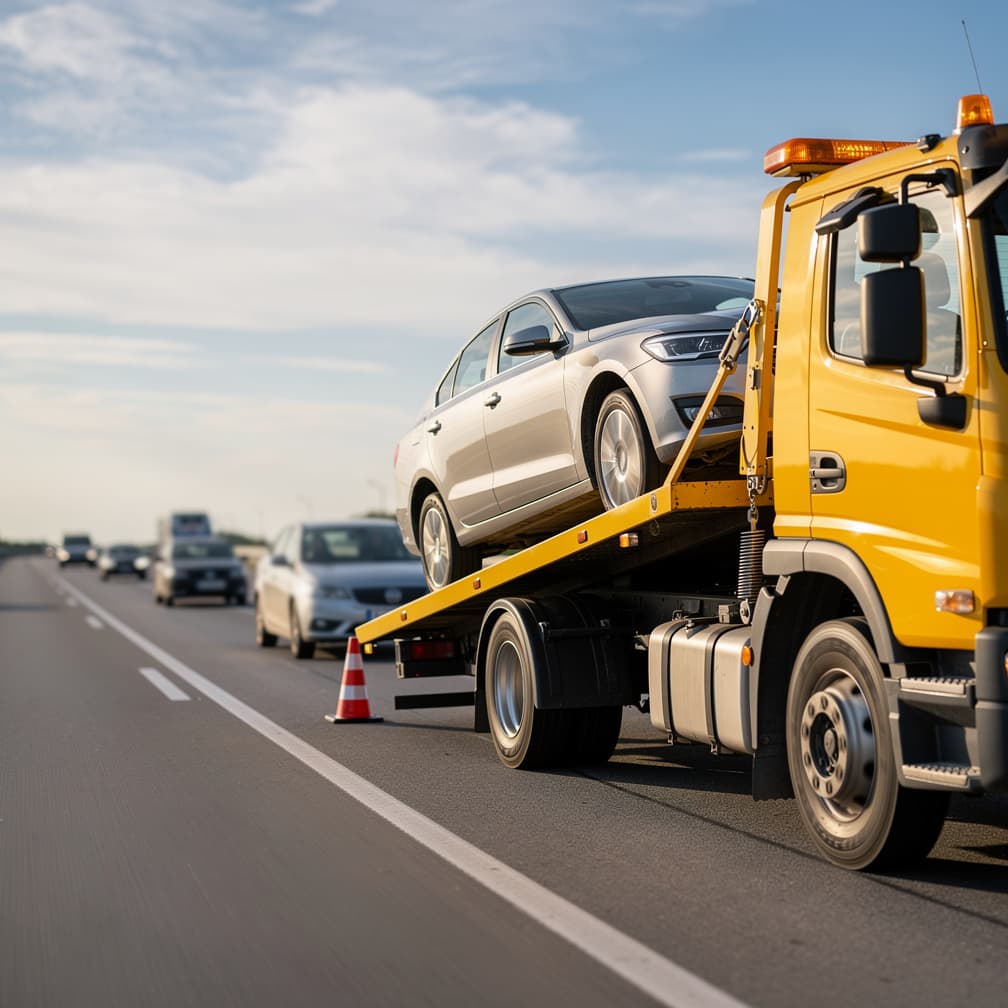
In Florida, a towing policy needs to respond at the exact moments a claim starts, whether that is a pickup from a tight condo garage, a move off a private lot after authorization, a transfer during heavy rain, or a delivery into a crowded repair facility with limited staging space.
A useful review starts with your actual handoff points. Ask whether your policy language and endorsements line up with wheel-lift work, flatbed transport, winching, recovery-adjacent calls, dealer moves, impounds, and after-hours releases.
You should also review the claim path, not just the coverage name. In Florida, weather-driven interruptions can leave a customer vehicle sitting longer at pickup or delivery, and crowded urban routes can create more opportunities for disputed pre-existing damage. That makes intake photos, dispatch notes, hookup procedures, and destination signoff part of the coverage conversation, because they affect how defensible a claim is after the fact.
When you compare policies, ask for clear wording on exclusions, reporting expectations, and any endorsements that narrow how covered towing activity is defined. If a form leaves room for argument about the kind of jobs you perform, ask for clarification before you bind coverage.

Collision on Hook
Covers damage to towed vehicles from collisions during transport.

Comprehensive on Hook
Covers theft, fire, and weather damage to vehicles being towed.
Loading & Unloading
Covers damage during the process of loading and unloading vehicles.
Winching Coverage
Covers damage to vehicles during winching and recovery operations.
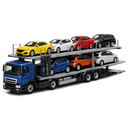
Multiple Vehicle
Covers all vehicles on multi-car carriers and rollback flatbeds.
On-Hook Towing Insurance Requirements in Florida
- Florida weather can complicate pickup and delivery timelines. Your claim documentation process should show vehicle condition, route changes, and any delay that affected handling.
- **Private property impound work in Florida often creates condition disputes at release, which makes photos, authorization records, and lot procedures worth reviewing with your policy.**
- Coastal and urban Florida routes can combine heavy traffic, tight access points, and limited unloading space. Ask whether your common towing methods are described accurately in the quote.
- If Florida landlords or municipal clients require proof before gate access or contract activation, verify certificate turnaround and named insured details before work begins.
How Much Does On-Hook Towing Insurance Cost in Florida?
Florida towing premiums reflect the value of vehicles you move, the territory you work in, your claims history, and how clearly your submission documents your procedures. A truck handling standard roadside calls in familiar territory is evaluated differently from one that rotates through impounds, dealer transfers, coastal routes, and night work. The more variation in service type, vehicle value, and job conditions, the more closely an underwriter may examine your file.
Heavy rain, standing water, reduced visibility, and rushed post-storm towing demand can all increase the chance of disputed damage or difficult recovery conditions. Dense traffic, narrow access points, and high-volume private property work can have the same effect, which means a useful quote request explains where you operate, what kinds of vehicles you move, when your busiest calls happen, and whether your drivers handle specialty or higher-value units.
Your premium can also move based on truck setup, towing method, driver experience, claims history, requested limits, deductibles, and whether your documentation process makes losses easier to investigate. If you subcontract overflow work, use leased units, or store vehicles before release, disclose that early. Surprises found during underwriting often narrow options later.
You should compare more than the premium line. Review the insurer's form language, the deductible structure, any restrictions tied to certain services, and how claims are reported. A cheaper quote can cost more if it leaves your most common jobs in a gray area. Ask for side-by-side terms before you decide.
Request a Quote Comparison
Enter your ZIP code to compare on-hook towing insurance rates from top carriers.
Business insurance starting at $25/mo
Who Needs On-Hook Towing Insurance?
Towing businesses that move vehicles for apartment complexes, condo associations, repair shops, body shops, municipalities, lenders, auctions, fleets, and roadside assistance networks should review whether their policy matches the custody responsibility those jobs create. If another party expects you to move a vehicle and return it without new damage, that expectation is what drives the need for this coverage.
Private property impounds, after-hours pickups, storm-related towing demand, dealer transfers, and calls from crowded tourist or downtown areas can all produce disagreements about when damage occurred. If your drivers regularly hook vehicles in tight spaces, move disabled units with existing body damage, or deliver to lots with limited room to unload, your exposure is not theoretical.
Florida also has many businesses that do towing as one part of a broader operation. Auto salvage companies, repair facilities with transport units, repossession operators, roadside service vendors, and transport businesses that occasionally tow disabled vehicles should not assume another policy section automatically addresses that gap.
You should pay special attention if landlords, clients, or lenders ask for certificates before work starts. That request is a practical signal that your business relationships depend on showing the right proof of coverage, not just carrying a policy with a familiar name. Review your service agreements and dispatch patterns, then match coverage to the jobs that create the largest damage allegations.
On-Hook Towing Insurance by City in Florida
On-Hook Towing Insurance rates and coverage options can vary across Florida. Select your city below for localized information:
How to Buy On-Hook Towing Insurance
Buying this coverage in Florida goes more smoothly when you present your operation the way an underwriter sees it. Start with a current list of every truck, towing method, service type, and territory you handle. Then add the details that often change a Florida quote: coastal routes, private property impounds, after-hours work, storm-response demand, storage arrangements, and any contracts that require proof before access is granted.
Next, organize your documentation. Pull sample dispatch records, driver lists, loss runs, intake photos, vehicle condition forms, and any written hookup or release procedures. If you use apps, yard logs, or timestamped images, say so. In a state where weather and traffic can complicate the timeline of a loss, strong records help an insurer understand how you control claims and how you would defend one.
Then request quotes using the same operational facts each time. Ask each insurer to review the same truck schedule, radius, and customer types so you can compare terms fairly. If one quote assumes mostly dealer transfers and another assumes frequent impounds, the premiums are not truly comparable. Ask direct questions about exclusions, deductibles, reporting deadlines, and whether any endorsement narrows the jobs you perform most often.
Before binding, verify named insured details, truck schedules, garaging addresses, and certificate requirements from landlords or clients. Then keep a copy of your proof of coverage ready for contracts, lot access, and lender review.
How to Save on On-Hook Towing Insurance
Documentation that shows what condition a vehicle was in before hookup, how it was moved, and who accepted it at delivery is the most practical starting point for lowering both claims friction and premium uncertainty. Clear photos, timestamped dispatch notes, and consistent release records can help underwriters view your operation as more controlled, which may support better options at renewal.
You can also save by separating service types clearly. If your business does routine roadside towing, dealer transfers, impounds, and occasional recovery-adjacent work, do not let those jobs blur together in the submission. Underwriters price uncertainty. A cleaner description of which truck handles which work, in what territory, and under what procedures can reduce avoidable caution in the quote.
In Florida, weather planning is part of cost control. Written procedures for rain events, flooded access points, delayed deliveries, and surge periods after severe weather can reduce both losses and disputes. If your drivers know when to pause, document, escalate, or refuse an unsafe move, you may avoid claims that become expensive mainly because the file is hard to defend.
Review deductibles and limits with your actual cash flow in mind instead of choosing the lowest premium first. A higher deductible may help if your business can absorb it, but only if it does not create strain after a loss. Also review driver screening, training refreshers, lot diagrams, and customer signoff practices before renewal.
Our Recommendation for Florida
Build your quote around the jobs that create the hardest-to-defend claims, not the easiest ones. If most of your revenue comes from routine roadside calls but your largest disputes come from impounds, condo garages, dealer transfers, or storm-period towing, make sure those assignments are described clearly in the submission.
I would also review every place where custody changes hands. In Florida, a claim often turns on whether the vehicle was photographed at pickup, whether pre-existing damage was noted, whether weather affected the move, and who signed at delivery. Those are operational details, but they directly affect how useful your coverage is when a customer challenges the condition of a vehicle.
Ask for policy wording that is specific enough to match your towing methods and broad enough to avoid gray areas around your common jobs. Then compare deductibles, exclusions, and reporting expectations side by side. If a landlord, municipal client, or lender requires proof of coverage, verify that your certificate process is fast and accurate before a contract deadline arrives.
Florida operations change quickly when call volume spikes, routes shift, or storage arrangements tighten. Your policy should be updated before those changes show up in a claim file.
FAQ
Frequently Asked Questions
Florida landlords, municipal clients, storage facilities, and lenders often ask for proof before they allow lot access, sign a towing agreement, or release a vehicle for transport. Keep certificates and contract-ready policy details organized before you bid or dispatch.
Florida does. That means policy forms and insurer filings must meet state standards, and you have a formal complaint process if a claim dispute escalates. Read exclusions and endorsements carefully before binding so you understand what the state framework allows and requires.
Florida operations often deal with heavy rain, storm disruptions, dense traffic, and tight pickup locations, which can blur when damage happened. Intake photos, dispatch timestamps, and delivery signoff help you defend the file with facts instead of assumptions.
Florida impound and condo jobs deserve closer review because they often involve narrow access, after-hours pickups, and disputes over pre-existing damage. Ask whether your quote clearly reflects those assignments rather than assuming only routine roadside towing.
Florida underwriters usually need a clear picture of your trucks, towing methods, territory, driver roster, storage setup, and documentation process. The cleaner your submission, the easier it is to compare terms that actually fit your operation.
Florida weather can affect how an insurer views claim potential because rain, flooding concerns, and storm-response demand can make losses more severe or harder to investigate. Explain your weather procedures and route controls when you request quotes.
Florida towing companies often compare premium first and discover later that the forms assume a different operational profile. Use the same operational details for every quote, then review the form language carefully before choosing.
On-hook towing insurance may cover damage to a customer vehicle while it is being loaded, attached, carried, winched, or unloaded by your tow truck, depending on the policy terms. Buyers should review collision, fire, theft, weather, and loading-related damage carefully.
Sources
Updated July 16, 2026