Updated July 16, 2026

Key Takeaways
- List every towing and transport service you perform before requesting quotes, so loading, unloading, winching, and recovery exposures are reviewed correctly.
- Compare the on-hook limit, deductible, valuation method, and exclusions side by side instead of choosing a policy on premium alone.
- Ask in writing whether your policy addresses the specific vehicles you tow most often, especially specialty, modified, low-clearance, or higher-value units.
- Use pre-tow photos, condition notes, and signed release procedures on every job to reduce disputes and support claims handling.
- Review on-hook coverage together with auto liability and any garagekeepers coverage before renewal to catch gaps between transport and storage.
On-Hook Towing Insurance in Georgia
The kind of tow work you take on tends to shape what you pay more than any other single factor. A truck handling routine dealer transfers is underwritten very differently from one rotating through roadside calls, impounds, and recovery jobs. That means shopping for on-hook towing insurance starts with a tighter application, not a faster one. If your quote request lumps every service into one broad description, you make it harder for an underwriter to match limits, exclusions, and handling expectations to your real exposure.
Georgia operators also need to think about where vehicles sit before, during, and after the tow. Storm-driven losses, wet pavement, and debris-heavy recovery scenes can turn a small loading mistake into a larger claim file. That risk grows if your dispatch area crosses dense metro traffic and rural roads in the same week. Before you bind, look for exclusions tied to specific equipment types, and ask whether attached vehicles are covered consistently across flatbed, wheel-lift, and winching operations. Bring your service mix, truck list, radius, storage setup, and driver procedures to the quote request so you can compare terms that fit how your trucks actually work.
What On-Hook Towing Insurance Covers
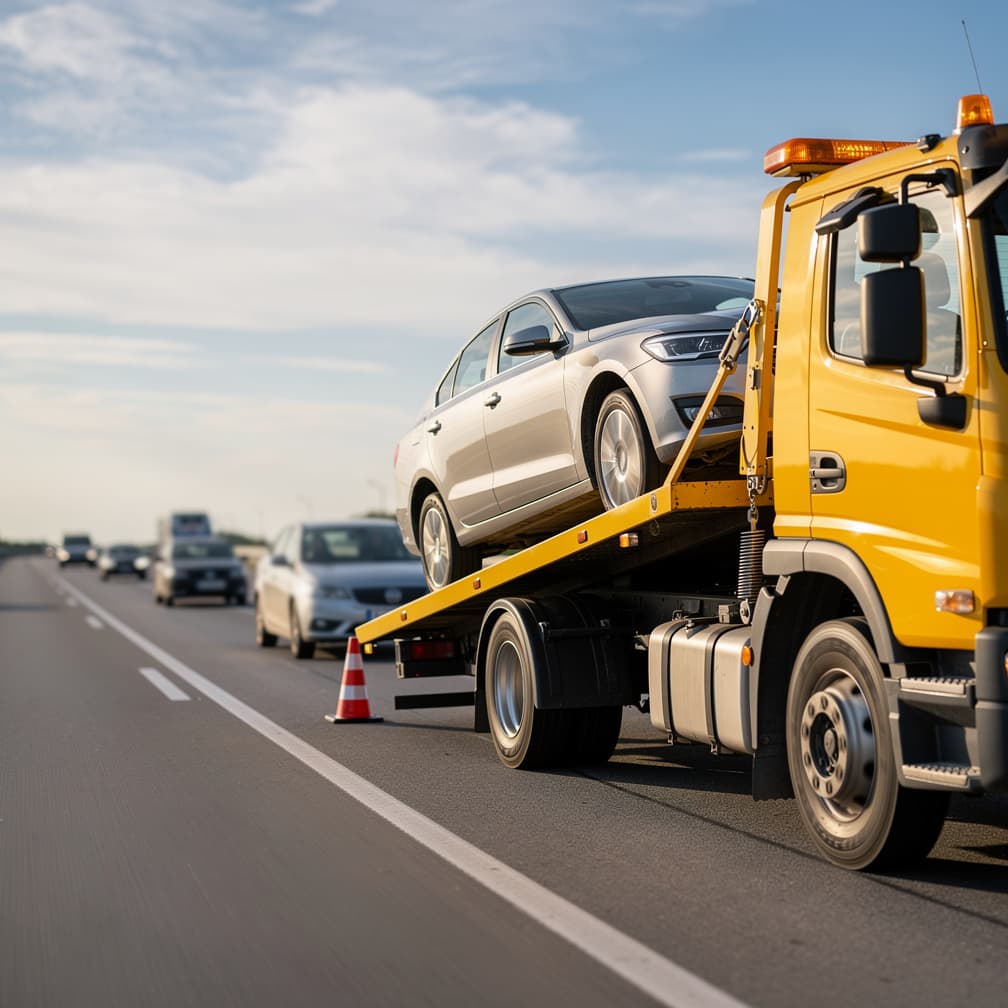
The real exposure is not the basic definition of on-hook coverage, but the handoff moments where claims widen. A policy review should focus on who inspected the vehicle before hookup, what pre-existing damage was noted, whether photos were taken at pickup, and how the destination condition was confirmed.
You should also look closely at how your policy treats different operating patterns. A truck doing scheduled transport for repair shops or auctions presents a different claims profile than a unit dispatched to roadside breakdowns or weather-related recoveries. If your operation does more than one of those, ask for wording and limits that are reviewed against each service line rather than assuming one setup fits the whole fleet.
The practical coverage question is whether the policy structure matches your equipment and loading methods. Flatbeds, wheel-lifts, dollies, and winching setups create different damage scenarios, and those scenarios affect how a claim is investigated. You should ask how the policy responds to loading and unloading allegations, whether attached vehicles are treated consistently across your equipment types, and what documentation the carrier expects after an incident.
It also helps to review where your exposure shifts during severe weather and roadside recovery conditions. Wet shoulders, fallen limbs, and low-visibility scenes can complicate both the tow and the later claim narrative. Before renewing, compare your current form against your actual dispatch mix and ask for any endorsements in writing, not verbal assumptions.
Collision on Hook
Covers damage to towed vehicles from collisions during transport.
Comprehensive on Hook
Covers theft, fire, and weather damage to vehicles being towed.
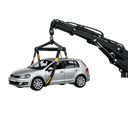
Loading & Unloading
Covers damage during the process of loading and unloading vehicles.
Winching Coverage
Covers damage to vehicles during winching and recovery operations.
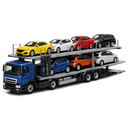
Multiple Vehicle
Covers all vehicles on multi-car carriers and rollback flatbeds.
On-Hook Towing Insurance Requirements in Georgia
- Weather-related roadside conditions can complicate loading and unloading, so your policy review should match the documentation process your drivers can follow in rain, debris, and reduced visibility.
- If your operation mixes metro dispatches with longer rural runs, confirm that service radius, storage practices, and destination procedures are described consistently across the application and policy.
- Private property impounds, police rotation work, and scheduled transport create different claim narratives, so they should be identified separately before you compare quote terms.
- A towing business that adds recovery or winching work midterm should revisit policy wording promptly, because the exposure can change faster than the renewal cycle.
How Much Does On-Hook Towing Insurance Cost in Georgia?
Pricing usually moves first with claim severity potential, which is why underwriters look hard at the vehicles you tow, the services you perform, and the conditions your drivers work in. A quote for light-duty scheduled moves is built differently from a quote for mixed operations that include roadside dispatch, impounds, recovery, and after-hours calls. If you want a usable comparison, separate those exposures clearly in the application instead of rolling everything into one broad description.
Your truck setup also changes the quote. Flatbeds, wheel-lifts, dollies, and winching equipment each create different handling risks, and the policy has to be priced around how damage could happen during hookup, transport, or unloading. The more often your drivers work in tight parking lots, on busy shoulders, or in poor weather, the more important it is to explain your procedures. Give the underwriter specific details about your dispatch routines, driver assignments, and documentation steps.
Geography can affect cost even without a state-specific rate table. If your dispatch area includes both urban congestion and longer rural runs, your application should show how often each type of job occurs, where vehicles are stored, and whether drivers rotate between service types. A vague service radius can lead to broader assumptions than your operation deserves.
Claims history, driver experience, deductibles, and requested limits still matter, but they work best as pricing levers after the operation is described accurately. To shop well, prepare a schedule of trucks, service categories, driver assignments, storage locations, and photo documentation steps. When you compare quotes, ask whether the policy uses actual cash value or stated value for towed vehicles. Actual cash value factors in depreciation, which can leave you with a smaller payout on an older truck. Stated value lets you set an agreed amount up front, which may work better for higher-value or specialty transports.
Request a Quote Comparison
Enter your ZIP code to compare on-hook towing insurance rates from top carriers.
Business insurance starting at $25/mo
Who Needs On-Hook Towing Insurance?
This coverage deserves a close look from any operator whose work puts customer vehicles in tow, even if towing is only one part of the business. That includes companies built around roadside service, but it also reaches repair shops with transport units, repossession operators, recovery-focused businesses, and fleets that move vehicles between lots, auctions, or service locations. If your driver takes custody of the vehicle and damage is alleged during the move, you need to know how that exposure is being insured.
The need becomes more obvious when your operation handles mixed job types. A business that performs routine tows during the day and impounds or recovery work after hours faces a different risk profile than a company doing only prearranged dealer transfers. Each service line brings its own custody, condition, and documentation questions.
You should also consider this coverage if your contracts push responsibility onto your business before the vehicle reaches the destination. Motor clubs, property managers, repair facilities, and commercial accounts often expect clear proof of insurance. They may assume your towing program can help cover damage allegations while the vehicle is attached or carried. Make sure your service agreements and certificates spell out what your policy actually includes.
Operators with multiple drivers, rotating trucks, or subcontracted overflow work should be especially careful. Coverage questions often surface when a different driver handles the pickup than the drop, or when a job changes from a simple tow to a more involved recovery. Review your service agreements, dispatch records, and certificates before the next renewal so your insurance matches the work you actually accept.
On-Hook Towing Insurance by City in Georgia
On-Hook Towing Insurance rates and coverage options can vary across Georgia. Select your city below for localized information:
How to Buy On-Hook Towing Insurance
Buying this coverage well starts with organizing your operation the way an underwriter will evaluate it. Build an application that separates your services into clear categories. Then match each one to the trucks and drivers that perform it. That gives the carrier a cleaner picture of where damage can occur and reduces the chance that your quote is built on assumptions that do not fit your dispatch reality.
Next, prepare the records that support your story. Include a current vehicle schedule, driver list, service radius, storage details, and written procedures for inspections, hookup, loading, unloading, and photo capture. If your drivers use mobile apps or dispatch software, note how timestamps and images are stored.
You should also ask direct policy questions instead of relying on broad summaries. Request a review of exclusions, valuation method, deductibles, and any differences in how the form responds to flatbed work versus wheel-lift or recovery operations. If your business handles after-hours police calls, apartment impounds, or weather-related recoveries, say so clearly.
Before binding, compare quote options side by side using the same truck list and service descriptions. Then confirm that the named insured, covered equipment, and operational notes match your contracts, invoices, and dispatch records. Ready to get started? Submit your truck schedule, driver list, and service breakdown to request a quote through the CPK Insurance marketplace.
How to Save on On-Hook Towing Insurance
The most reliable way to lower pressure on your premium over time is to make your operation easier to underwrite and easier to defend after a loss. Start with job classification. If scheduled dealer transfers, roadside calls, impounds, and recovery work are all blended together in your application, the carrier may price for the broadest interpretation. Break those services apart and show which trucks and drivers handle each one.
Documentation is the next savings lever. Use consistent pre-tow and post-drop photos, note existing damage before hookup, and keep timestamps tied to dispatch records. In disputed towing claims, a clean file can help limit how far an allegation spreads. That does not guarantee a lower renewal, but it gives the underwriter evidence that your business controls avoidable claim friction.
Driver management also matters. Keep written procedures for loading, wheel securement, bed angle checks, key handling, and destination signoff. If you use newer drivers, pair them with narrower assignments until their records support broader work. A carrier is more comfortable with a business that can show who is authorized for recovery jobs, who handles impounds, and who is limited to routine transport.
You can also save by choosing deductibles and limits deliberately instead of copying last year's setup. Review whether your current structure fits the vehicles you tow and the contracts you sign. Ask for quote options with the same operational details but different deductible choices, then compare the tradeoff against your cash flow and claim tolerance before renewing.
Our Recommendation for Georgia
For towing businesses, the smartest buying move is to treat this as an operations review, not a box-checking exercise. Start by separating your dispatch board into real categories. Routine transport, roadside towing, impounds, recovery, and winching each carry different exposures. Then verify that each category is tied to the right truck, equipment, and driver. That is where many coverage mismatches begin.
Next, pressure-test your claim documentation. If a customer disputes damage, you want pickup photos, drop photos, timestamps, driver notes, and destination confirmation in one file. Weather can complicate roadside scenes quickly, so your procedures should still work in rain, debris, and low-visibility conditions. A process that only works on clean daytime calls is not enough.
Review your policy wording before renewal if your operation has changed in the last year. Adding after-hours work, taking more impounds, or moving into recovery jobs can alter the exposure more than adding another routine tow route. Ask for written confirmation of how the policy is being underwritten for your current service mix.
Finally, compare quotes only after every carrier receives the same truck list, service descriptions, and driver information. That is the only way to tell whether you are comparing real coverage differences or just different assumptions.
FAQ
Frequently Asked Questions
Yes. Impound claims often come down to condition, custody, and documentation during the tow, so this coverage can help protect your business when a vehicle owner disputes damage.
Insurers usually underwrite those services differently because roadside calls, recovery scenes, and after-hours dispatches can create a different damage profile than scheduled dealer moves. Ask for quotes built around each service category, not one blended description.
Insurance regulation is overseen by the Georgia Office of Insurance and Safety Fire Commissioner, so policy review and complaint pathways run through that office. Use Georgia-issued policy documents and endorsements when you compare terms, not generic marketing summaries.
Repair shops can need this coverage if they tow or transport customer vehicles with their own truck. The key issue is not the business label, but whether your operation takes custody of the vehicle during loading, transport, or unloading.
Quote requests work better when they include your truck schedule, driver list, service radius, storage setup, and a breakdown of each service you perform. That helps the underwriter price your actual operation instead of broad assumptions.
Weather can affect both the tow itself and the later claim investigation because wet pavement, debris, and low visibility can change how a loading or unloading incident is interpreted. Your photo process and driver notes should still hold up in those conditions.
Review it sooner if the operation changes midterm, especially after adding recovery work, impounds, new equipment, or different driver assignments. Waiting until renewal can leave your policy setup behind your actual dispatch exposure.
On-hook towing insurance may cover damage to a customer vehicle while it is being loaded, attached, carried, winched, or unloaded by your tow truck, depending on the policy terms. Buyers should review collision, fire, theft, weather, and loading-related damage carefully.
Sources
- 1.Georgia Office of Insurance and Safety Fire Commissioner(Georgia insurance regulation is overseen by the Georgia Office of Insurance and Safety Fire Commissioner.)
Updated July 16, 2026