Updated July 16, 2026

Key Takeaways
- Review your construction contract before requesting a quote, so the named insureds and insurance responsibility match the job documents.
- Prepare the project budget, timeline, address, and scope summary before applying, so the quote reflects the work actually being built.
- Check whether the policy addresses on-site materials, transit, temporary structures, and soft costs before the first delivery arrives.
- Compare the policy term against your realistic completion schedule, then ask about extension options before the original term gets close to expiring.
- Map builders risk against your liability, installation, and equipment policies, so you avoid both coverage gaps and overlapping property insurance.
Builders Risk Insurance in Indiana
You are near the finish line on the lender package, and the owner wants evidence of property coverage before releasing funds. The job is about to move from paper into delivered materials and active work. That is usually when builders risk insurance in Indiana stops being a line item and becomes a contract problem. Whose name goes on the policy, what value needs to be scheduled, which materials are covered before installation, and how long the term needs to run all require clear answers. Your project also forces practical decisions about weather exposure, site security, and whether a renovation stays occupied while work continues. Those details change how a carrier reviews the job and what endorsements you may need to request. Indiana's insurance regulator is the Indiana Department of Insurance, so keep that agency in mind if you are comparing forms, certificates, or complaint handling standards. Gather the construction contract, draw schedule, completed value, project timeline, and the list of parties that need to be shown on certificates or policy documents before you start shopping.
What Builders Risk Insurance Covers
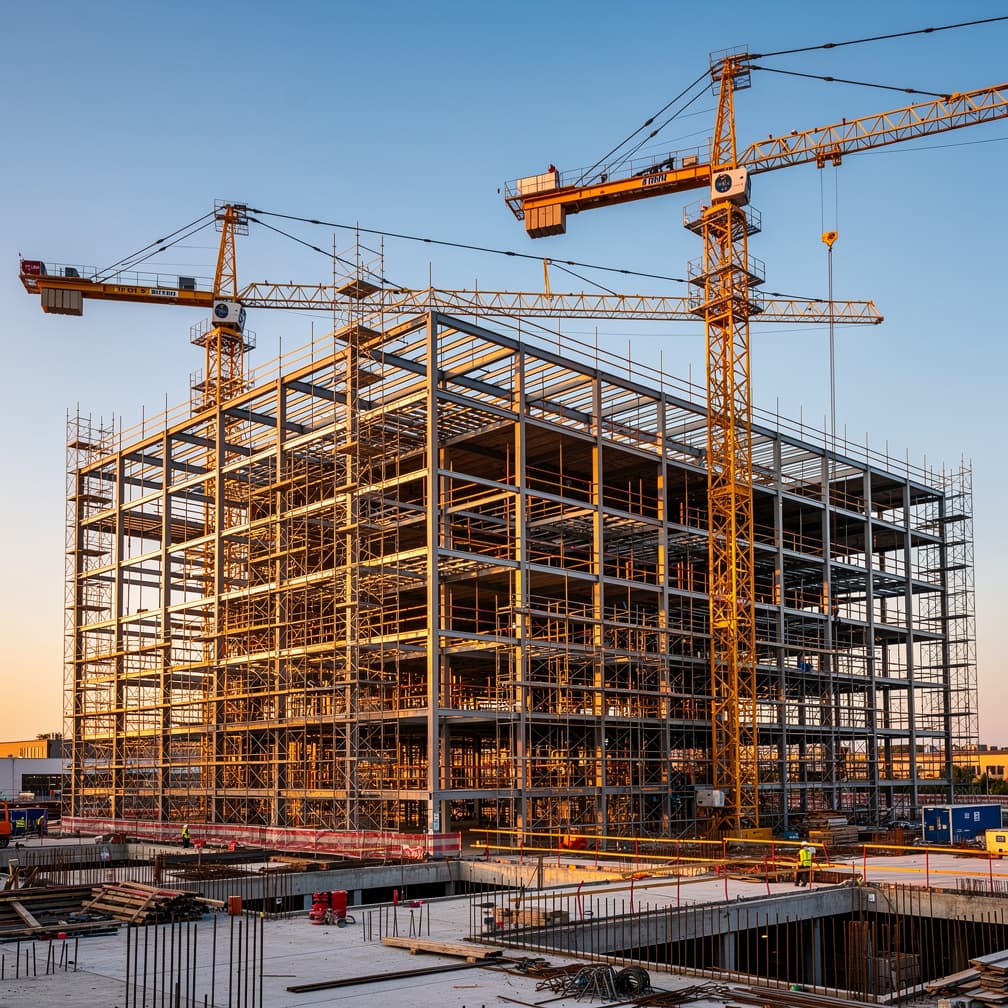
Indiana builders risk decisions usually turn on the parts of the job that create the most confusion after a loss, not the basic idea of insuring work in progress. Start by matching the policy to the way the project is actually being built. A ground-up commercial project, a tenant improvement inside an occupied building, and a residential addition each create different questions about temporary storage, materials in transit, scaffolding, fencing, and whether existing structures need separate treatment.
For Indiana renovations, one of the first issues to review is the line between new work and the pre-existing building. If the project touches only part of a structure, ask the agent to show you exactly how the form treats damage to the old portion, debris removal, and any resulting delay in reopening or reoccupying the space. If the owner assumes the whole property is addressed under one builders risk form, that misunderstanding can surface only after a claim.
You should also review where property is located before installation. Materials may sit at the job site, in a temporary storage location, or move between suppliers and the project. If your schedule includes long-lead items, custom components, or owner-furnished materials, make sure those exposures are specifically discussed during quoting instead of assumed.
Indiana weather patterns can also affect what you ask to see in the form. Rather than relying on a broad verbal summary, request the actual causes of loss wording, any sublimits that apply to water-related damage like pipe freezes or foundation seepage, and the conditions for theft or vandalism claims at an unattended site. Those specifics are where quotes with similar premiums can differ in ways that matter at claim time.

Structure Coverage
Covers the building or structure under construction.

Materials on Site
Covers building materials stored at the construction site.

Materials in Transit
Covers materials being transported to the job site.
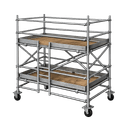
Temporary Structures
Covers scaffolding, fencing, and temporary buildings.

Soft Costs
Covers additional expenses from construction delays due to covered losses.

Equipment Coverage
Covers permanently installed fixtures and equipment.
Builders Risk Insurance Requirements in Indiana
- Indiana's freeze and thaw cycles can affect how underwriters view site protection, so document tarping, drainage, enclosure timing, and after-hours security before binding.
- If materials will be stored away from the job site, confirm that temporary storage treatment appears in the quoted form.
- Lender-driven projects often move on tight funding timelines, so verify mortgagee, loss payee, and certificate language before the first draw request is due.
- Indiana does not require builders risk coverage by statute, so the obligation typically comes from the construction contract or lender agreement rather than state law.
How Much Does Builders Risk Insurance Cost in Indiana?
Builders risk pricing in Indiana is usually driven by underwriting detail, not by a standard monthly premium. A carrier is trying to understand the completed value, the construction method, the project term, the occupancy status during work, and the loss potential created by site conditions. If your submission leaves those points vague, you often get a slower quote, more exclusions to review, or a price that assumes more risk than the job actually presents.
For these projects, cost often moves with the type of work being performed. A straightforward new build on a controlled site is underwritten differently from a phased renovation in an occupied building where trades, tenants, or the public continue moving through the property. Interior remodels can look smaller on paper but still create complicated water, theft, and fire exposures if systems are being opened up while operations continue.
Project duration matters too. If the construction schedule is tight and realistic, underwriters can evaluate the term with more confidence. If the timeline is uncertain, or if materials may sit before installation, the quote may need to account for a longer exposure period. The same is true when the insured value is not clearly tied to the completed project cost. If soft costs, change orders, or owner-supplied items are left out at the start, the policy can be harder to place correctly.
The most useful way to shop cost is to send a clean submission to more than one market with the same values, scope, and contract requirements. Then compare not only price, but also valuation method, covered property definitions, deductible structure, and any conditions tied to site security or weather precautions.
Request a Quote Comparison
Enter your ZIP code to compare builders risk insurance rates from top carriers.
Business insurance starting at $25/mo
Who Needs Builders Risk Insurance?
In Indiana, the right buyer is usually the party that carries the financial risk if partially completed work is damaged before the project is finished. That can be the property owner, but it can also be a developer, general contractor, construction manager, or another party the contract assigns responsibility to. The contract and financing documents typically answer that question by naming who must insure the work and which parties need to appear on the policy.
That matters most on jobs where several parties have overlapping interests. A lender may require evidence of coverage before releasing funds. An owner may want its interest shown. A general contractor may need confirmation that subcontracted work, stored materials, and temporary structures are addressed. If those expectations are not aligned before binding, certificate requests start arriving after the policy is issued, and that is when gaps in named insureds or additional interests become expensive to fix.
You should review builders risk early if you are building for sale, renovating a property that stays occupied, improving leased space, or taking on a contract that shifts insurance responsibility upstream or downstream. Projects with phased turnover also deserve closer review because one portion of the work may be nearing use while another remains under construction.
If you are not sure who should buy the policy, go back to the contract set and financing documents. Look for the insurance clause, the definition of the work, the required parties, and any language about temporary acceptance, stored materials, or owner-furnished property. That usually tells you who needs to request the quote and what the application has to match.
Builders Risk Insurance by City in Indiana
Builders Risk Insurance rates and coverage options can vary across Indiana. Select your city below for localized information:
How to Buy Builders Risk Insurance
Buying builders risk insurance correctly in Indiana starts with assembling the documents that explain the job better than a short application ever will. Begin with the signed or draft construction contract, project budget, timeline, plans summary, and any lender or owner insurance requirements. If the work is a renovation, include a clear description of the existing structure, whether it stays occupied, and which systems are being altered. Those details shape the quote far more than a generic project description.
Next, decide what has to appear on the policy documents. These jobs often involve owners, developers, lenders, general contractors, and property managers who all expect to see their interest reflected somewhere. Before you request terms, make a list of named insureds, additional insured requests if applicable, mortgagee or loss payee language, and certificate holders. Cleaning that up before binding is easier than trying to amend documents while a closing or draw is waiting.
Then prepare the underwriting narrative. Explain the construction type, security at the site, where materials will be stored, whether any property is off-site before installation, and how weather-sensitive work will be protected. If the project has unusual elements, such as custom materials, phased occupancy, or owner-supplied equipment, say so directly. Underwriters price uncertainty, so removing it can improve both speed and terms.
Finally, compare quotes line by line. Review covered property, causes of loss wording, deductibles, term length, extension options, and any conditions that could affect a claim. If a quote looks cheaper because it narrows theft language, limits property in temporary storage, or handles existing structures differently, that is not a small detail. Ask for the form language and resolve those points before work starts or funds are released.
How to Save on Builders Risk Insurance
The most dependable way to lower builders risk cost in Indiana is to make the project easier to understand and less likely to produce a disputed claim. Start with a complete statement of values. If the completed value is understated, the quote may look attractive at first but create valuation problems later. If it is overstated, you may pay for limits the job does not need. Tie the number to the construction budget, change order process, and any owner-furnished materials so the carrier is pricing the real exposure.
Site controls can also affect pricing. A project with documented fencing, lighting, locked storage, controlled access, and a clear plan for securing materials after hours is easier to underwrite than a site with vague security practices. That does not mean every carrier gives the same credit, but it does mean you give the underwriter a reason to view theft and vandalism exposure more favorably.
You can also save by matching the policy term to the actual schedule and addressing extension needs early. Projects that run past the original completion date can become more expensive or harder to extend if the request comes after delays have already developed. Build a realistic timeline at the start, then revisit it before the term becomes tight.
Another practical savings move is to reduce avoidable endorsements and rework. If the contract, lender requirements, and certificate requests are reviewed before binding, you are less likely to pay for midterm corrections or lose time while documents are reissued. Ask for one coordinated review of the contract insurance clause, the values, and the policy draft before you finalize the purchase.
Our Recommendation for Indiana
For Indiana projects, treat builders risk as a document-matching exercise before you treat it as a price exercise. The strongest quote is usually the one that tracks the contract, the draw schedule, and the actual flow of materials to the site. If the job includes renovation, ask for a direct explanation of how the form treats existing structures and occupied space, because that is where assumptions often break down.
You should also press for clarity on theft conditions, temporary storage, and water-related loss wording before binding. Those issues matter more on an active job than a broad sales summary. If the project uses long-lead materials or owner-furnished items, list them early so they are part of underwriting, not an afterthought after delivery.
Indiana buyers should keep records organized from the start. Save the contract, certificates, endorsements, site security plan, and any correspondence about who must be named on the policy. If a lender, owner, or contractor asks for revised evidence of coverage mid-project, you can respond without slowing the job.
When two quotes look similar on price, request the actual form language for theft, temporary storage, and water-related conditions. The policy that addresses your specific project exposures with fewer conditions and sublimits is usually the better value, even if the premium is slightly higher.
FAQ
Frequently Asked Questions
Indiana renovation projects often need closer review of how the policy separates new work from the existing building, especially if the property stays occupied. Ask for the exact form language on existing structures, temporary storage, and water-related loss conditions before binding.
Indiana projects usually place that responsibility on the party named in the construction contract or financing documents. Review the insurance clause first, then confirm which interests need to appear on the policy, certificates, or lender paperwork before work begins.
Indiana lender requirements vary by project, but many buyers run into builders risk questions during closing or draw setup. Having your contract, budget, completed value, and required policy parties ready early can help prevent evidence of coverage from holding up your funding.
Indiana builders risk forms may address off-site or temporary storage differently, so you should not assume all stored materials receive the same treatment. If custom or long-lead items will sit away from the project, disclose that during quoting and review the wording.
Indiana buyers should compare more than price. Review covered property definitions, causes of loss wording, deductibles, term length, extension options, and how each quote handles theft, temporary storage, and occupied renovation conditions tied to your project.
Indiana insurance questions fall under the Indiana Department of Insurance. If you are reviewing policy documents, complaint handling, or insurer oversight, that is the state regulator to keep in mind while comparing forms and carrier requirements.
Builders risk insurance may cover, subject to policy terms, the structure under construction, materials on site, materials in transit, temporary structures, and fixtures or equipment being installed. Depending on the policy, you can also review soft costs and delay-related coverage tied to a covered property loss.
Builders risk insurance is commonly reviewed by property owners, developers, general contractors, and home builders. The right buyer depends on the construction contract, lender requirements, and which party would absorb the loss if the project is damaged before completion.
Sources
- 1.Indiana Department of Insurance(Indiana's insurance regulator is the Indiana Department of Insurance.)
Updated July 16, 2026