Updated July 16, 2026

Key Takeaways
- Compare quotes using the same peak inventory value, deductible, and valuation assumptions so you can see real coverage differences.
- Ask in writing how the policy handles hail, flood, theft, vandalism, and test drives before you bind coverage.
- Prepare a current inventory schedule, offsite storage list, and security summary before requesting dealer open lot insurance quotes.
- Review whether flood needs separate placement instead of assuming another policy form includes it automatically.
- Requote after security upgrades, lot layout changes, or improved claims history so pricing reflects your current risk.
Dealer Open Lot Insurance in Indiana
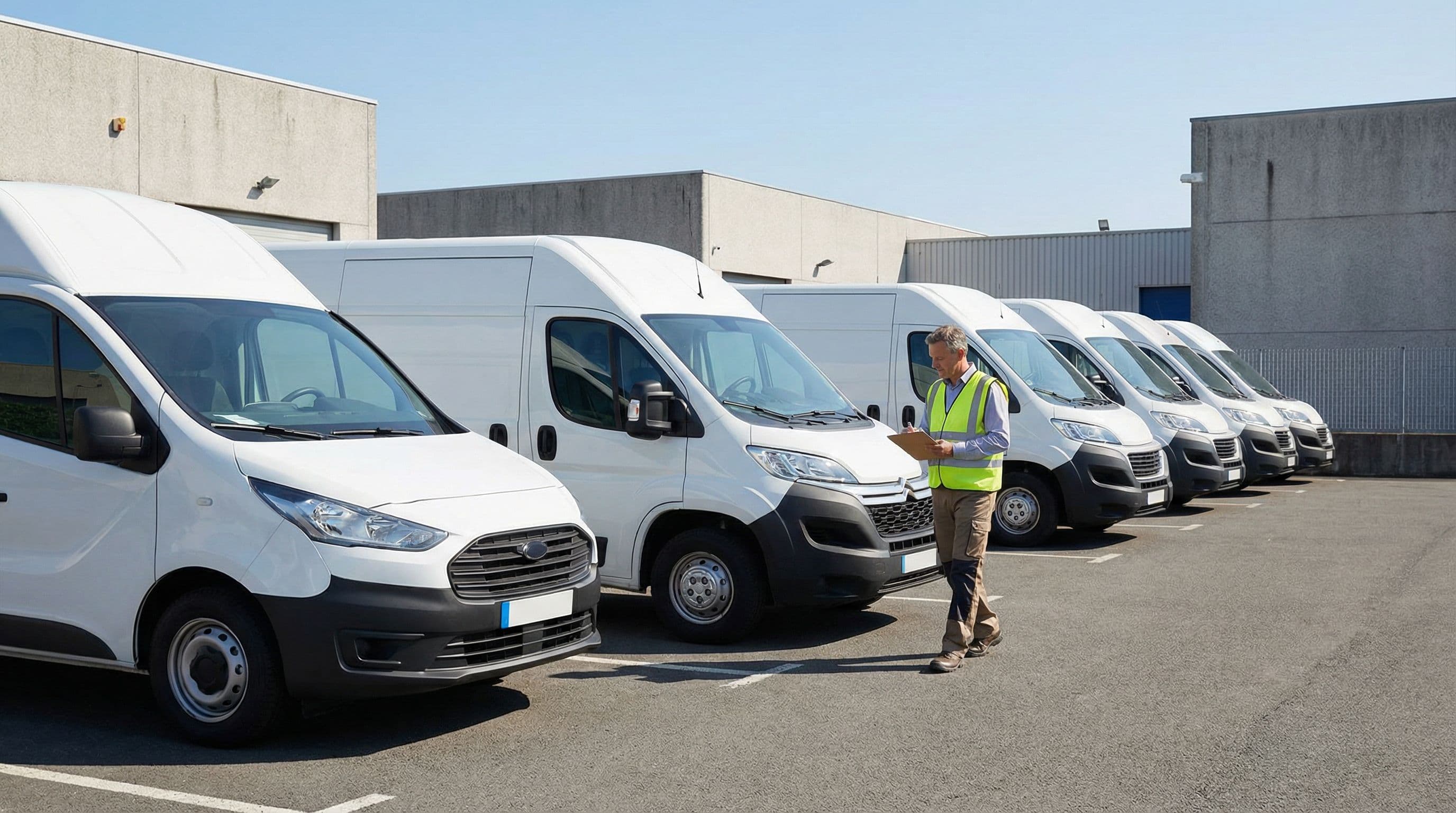
A small independent dealer with a tight used inventory mix in a rural Indiana market does not face the same exposures as a metro dealer rotating higher values across multiple storage points. One may be focused on keeping limits aligned with a modest lot and occasional offsite units. The other may need closer attention on concentration, movement between locations, and how quickly values change after auction buys. That is why this coverage works better when the quote follows your actual inventory pattern, not a generic dealership template.
Indiana weather and lot conditions can change the loss picture fast, especially if vehicles sit outdoors, move between overflow storage, or stay exposed during reconditioning and display. You want a policy review that matches where units are parked, how often they move, who has access, and how values are tracked from purchase to sale. Before you request terms, line up your current inventory values, every storage address, your security controls, and any seasonal swings in stock so the quote reflects the risk you are really carrying.
What Dealer Open Lot Insurance Covers
The useful coverage discussion usually starts with where your inventory spends time during the week, not with a broad definition you already know. A dealer with one fenced lot and no overflow storage presents a different underwriting file than one that stages units behind the main building, keeps some vehicles at a secondary address, or moves inventory after auction purchases. Those operating details affect how a carrier reviews location schedules, reporting accuracy, and whether your limits still fit the highest concentration of vehicles on hand.
Indiana weather also changes what you should ask about in the form and endorsements. If your lot is exposed to wind, hail, heavy rain, or winter conditions, review how the policy handles weather-driven damage, where exclusions may apply, and whether any storage or movement scenario creates a gap you did not expect. If units are parked tightly to maximize frontage, ask how a single event could affect multiple vehicles at once and whether your limit is high enough for that concentration.
You should also review how the policy treats ordinary dealership handling in your operation. That includes vehicles being repositioned on the lot, sent to a nearby service area, staged for photos, or moved to temporary overflow space. If your sales process includes frequent test drives or transfers between addresses, make the underwriter confirm how those situations are treated under your policy terms. The goal is simple: match covered causes of loss, locations, and handling practices to the way your dealership actually operates before a claim forces the issue.

Weather Damage
Covers hail, wind, flood, and storm damage to lot inventory.
Theft Protection
Covers vehicles stolen from your lot.
Fire Damage
Covers fire and explosion damage to inventory vehicles.

Vandalism
Covers intentional damage to vehicles on your lot.
Test Drive Coverage
Covers vehicles during customer and employee test drives.

Transit Coverage
Covers vehicles being moved between lot locations.
Dealer Open Lot Insurance Requirements in Indiana
- A single Indiana storm can damage multiple units at once, so check whether your deductible applies per vehicle or per event before you need it.
- That question becomes especially important if your dealership uses overflow storage or a secondary address, because each active location should be specifically reflected in the quote review.
- Lots that move vehicles between display, service, detailing, and storage areas should also confirm how ordinary handling is treated under policy terms.
- For independent dealers with fast auction turnover, using a valuation method they can document matters most, especially when inventory changes week to week.
How Much Does Dealer Open Lot Insurance Cost in Indiana?
Pricing here usually turns on exposure quality more than on a simple dealership label. Underwriters want to see the total value of vehicles for sale, but they also look at how that value is distributed across locations and how fast it shifts. A lot with steady, moderate values is easier to model than one that swings after auction runs, seasonal buying, or periodic intake of higher priced units. If your inventory changes quickly, your quote should reflect how you track values and how often you can update schedules or reporting.
Location setup matters too. A single controlled lot is often easier to underwrite than inventory split between the main premises, overflow storage, and temporary holding areas. If you use more than one address, expect questions about fencing, lighting, key control, camera placement, and who can move vehicles after hours.
Indiana weather exposure is another practical cost driver. If your lot is open, densely parked, or vulnerable to storm-driven damage, the carrier may look closely at deductibles, catastrophe exposure, and how much value can be hit in one event. A higher limit may be necessary if your inventory concentration rises at certain times of year, which means your premium may rise too. Claims history, prior cancellations, and the age and condition of your inventory also shape terms. So do your recordkeeping habits, since clean inventory reports and consistent valuation methods give the underwriter a better file to price.
Request a Quote Comparison
Enter your ZIP code to compare dealer open lot insurance rates from top carriers.
Business insurance starting at $25/mo
Who Needs Dealer Open Lot Insurance?
The buyers who most need a careful review are the ones whose inventory exposure changes faster than their paperwork. That often includes independent used dealers that buy at auction, hold mixed-value units, and rotate stock through reconditioning before front-line display. If that sounds like your operation, review whether your limit still matches the highest value you carry at one time, not just your average month.
Franchise dealers also need close attention if inventory is spread across new, used, overflow, or satellite display areas. A policy may appear adequate on paper and still leave questions if units are stored away from the main lot or moved frequently between addresses. The same issue applies to powersports, RV, trailer, and specialty dealers where inventory may sit outdoors for longer periods and values can stack up quickly in a small footprint.
You should also take this seriously if your dealership uses temporary storage, keeps vehicles at a service location before sale, or relies on frequent customer test drives. A smaller lot does not mean a smaller exposure. A compact operation with limited staff can still have a meaningful concentration problem if vehicles are parked close together, keys are not tightly controlled, or values rise after a strong buying month. If you own vehicles for resale and they remain exposed before delivery, your next step is to map every place those units sit and compare that map against your current policy language and limits.
Dealer Open Lot Insurance by City in Indiana
Dealer Open Lot Insurance rates and coverage options can vary across Indiana. Select your city below for localized information:
How to Buy Dealer Open Lot Insurance
Buying this coverage goes more smoothly when you prepare for the underwriting questions that actually change terms. Start with a current inventory list that shows each unit held for sale, its value, and the exact address where it is stored. If you use overflow space, temporary storage, or a second lot, include those locations up front instead of waiting for follow-up questions. That helps avoid a quote built around an incomplete picture. You will also want to document how vehicles move through your dealership. Underwriters want to understand whether units stay on one lot, go to a nearby service area, move between addresses, or leave the premises for demonstrations. They also need to know who has access to keys, how after-hours access is controlled, and what security measures are in place. Photos of fencing, lighting, camera coverage, and lot layout can help support the submission. When it comes to your values, review them carefully. If your inventory changes fast, use a method you can defend, not a rough estimate. A clean report showing purchase values, current asking values, and any concentration by location gives the carrier a better basis for terms. If you have had prior losses, be ready to explain what changed in your procedures afterward. Indiana's insurance regulator is the Indiana Department of Insurance, which means any dispute over forms, notices, or complaint handling may be evaluated under state rules. Keep your review tied to Indiana requirements and the exact language in the policy you are considering. Request a quote through CPK Insurance to compare your options with participating licensed providers.
How to Save on Dealer Open Lot Insurance
Lower premiums usually follow when you reduce the questions an underwriter has to ask and make your lot easier to inspect after a loss. Start with inventory reporting. If your values are current and your location schedule is accurate, the carrier spends less time pricing uncertainty.
Security discipline is another practical lever. When key control, closing procedures, cameras, lighting, and fencing are all documented and consistent, you reduce theft exposure and give yourself a stronger position if a claim involves vandalism, unauthorized movement, or a disputed timeline. If your current setup has blind spots or informal key handling, fix that before renewal shopping.
You can also save by matching limits and deductibles to your real exposure instead of carrying stale numbers. Review peak inventory periods, not just average months. If your lot value rises during tax refund season when buyers have more cash and inventory turnover accelerates, after major auction buys, or before a sales push, ask whether your current structure still fits. A deductible that looks manageable on paper may not feel manageable if several units are damaged in one weather event. Finally, clean up avoidable underwriting friction by removing addresses you no longer use, disclosing every active storage point, and keeping photos and records ready. If you have prior claims, show the corrective steps you took.
Our Recommendation for Indiana
The most useful buying move is to check your highest total value at each address before you review price. A policy can look competitive and still leave you short if too much inventory sits in one exposed area during storm season or after a large auction purchase. Compare that figure to your current limit and deductible.
Next, test your offsite assumptions. If any units sit behind the shop, at overflow storage, or at another address tied to your operation, ask for those locations to be confirmed in writing. Do the same for any routine movement between lots or service areas. Small operational habits often create the biggest misunderstandings at claim time.
You should also tighten documentation before renewal. Keep date-stamped lot photos, current inventory reports, and a written key-control process. If a loss affects several vehicles at once, those records help establish what was on hand and where it was parked. Finally, compare quotes on terms, not just premium. Ask each carrier how the policy treats weather-driven losses, temporary storage, and changes in inventory value during the term. If two options look similar, the better choice is usually the one that matches your lot layout and handling practices with fewer assumptions left unresolved.
FAQ
Frequently Asked Questions
A compact lot can still hold a high concentration of value, so the same careful inventory review applies regardless of size. If you store units offsite or buy frequently at auction, ask for those details to be reflected in the quote.
Dealerships should not assume overflow storage is automatically treated the same as the main lot. If you use a second address, temporary storage area, or rear lot, have each location reviewed and confirmed in writing before binding coverage.
Outdoor inventory can be hit by wind, hail, heavy rain, or winter conditions, so review your concentration by location, deductible structure, and whether your limit still fits your highest on-hand inventory value before storm season.
Quotes usually go better when you provide a current inventory list, values for each unit, every storage address, and details on fencing, lighting, cameras, and key control. If vehicles move between locations, include that workflow at the start.
Insurance matters may be regulated by the Indiana Department of Insurance. If you are comparing policy forms, notices, or complaint handling issues, keep your review tied to state requirements and the exact language in the policy you are considering.
Dealers may be able to arrange terms for inventory that moves between locations, but the movement needs to be disclosed clearly. If units go from auction intake to service, overflow storage, or a satellite display area, ask how each step is treated.
Quotes often change when underwriters learn about offsite storage, higher than expected inventory values, weak security controls, or weather-driven concentration at one location. A more complete submission usually produces terms that are more dependable at claim time.
Dealer open lot insurance nationwide is generally reviewed for damage or loss to vehicles you own for sale, including hail, wind, theft, vandalism, fire, flood, and test drive exposure, depending on your policy terms, deductibles, valuation method, and any location or off-premises limitations.
Sources
- 1.Indiana Department of Insurance(Indiana's insurance regulator is the Indiana Department of Insurance.)
Updated July 16, 2026