Updated July 16, 2026

Key Takeaways
- List every tool, machine, material, and portable device that leaves your main location before you request an inland marine quote.
- Compare blanket coverage against individually scheduled items so your higher-value equipment is not grouped too loosely.
- Ask how the policy treats theft from vehicles, temporary storage, loading and unloading, and property left at job sites overnight.
- Review installation floater and builders risk separately if materials are on site before they become part of completed work.
- Check valuation, deductibles, and exclusions before binding so a claim payment matches how you expect damaged property to be replaced.
Inland Marine Insurance in Kentucky
If your crews move tools, materials, or customer property across Kentucky, inland marine insurance is built for the way work actually happens here. Kentucky's high tornado exposure, very high flooding risk, and frequent severe storms can turn a short haul or a temporary storage stop into a loss event. That matters especially for contractors, installers, and businesses that keep mobile property on trucks or at multiple sites. With a competitive carrier market, you have room to negotiate on terms and endorsements rather than accepting the first quote you receive. For small businesses that dominate the state's economy, the key question is not whether property stays in one building, but whether it stays protected wherever it goes. That is where this coverage becomes a practical gap-filler for mobile property that standard fixed-location forms may not follow.
What Inland Marine Insurance Covers
Kentucky businesses use inland marine insurance to protect property that moves between locations, sits at job sites, or is temporarily stored away from a fixed premises. That can include tools, equipment, materials, and goods in transit. It can also be written for installation floater coverage when materials are being installed at a customer location, and for builders risk when a project is under construction and the property is exposed before completion. In practice, your policy can help cover property across job sites, warehouse stops, customer locations, and temporary storage arrangements, rather than staying tied to one building address.
Coverage terms still vary by carrier and endorsement, and Kentucky does not add a state-mandated form that automatically fits every business. The Kentucky Department of Insurance regulates the market, so your policy language, limits, deductibles, and scheduled items matter more than a one-size-fits-all assumption. Common covered perils often include theft, damage, and vandalism while property is away from the primary business location, but the exact scope depends on the policy you buy. If your operation uses mobile business property insurance, you should confirm whether the policy is scheduled or blanket, whether offsite storage is included, and whether items at customer premises are treated differently from items in transit. Because Kentucky faces tornado, severe storm, and flooding exposure, businesses should pay close attention to location-based restrictions, temporary storage terms, and any endorsements that narrow protection during weather-related disruptions.
Tools & Equipment
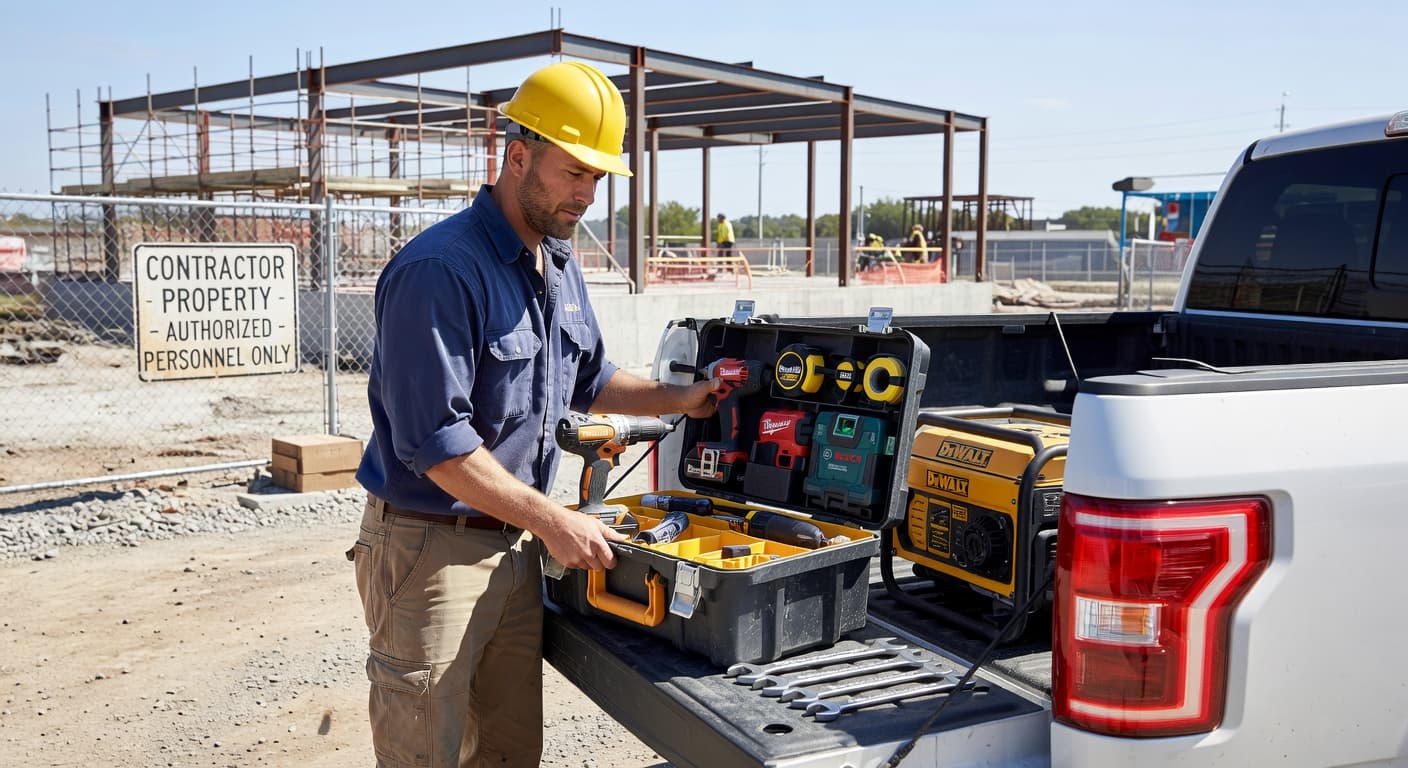
Can help repair or replace hand tools, power tools, and gear that are stolen or damaged on the job or in transit.

Goods in Transit
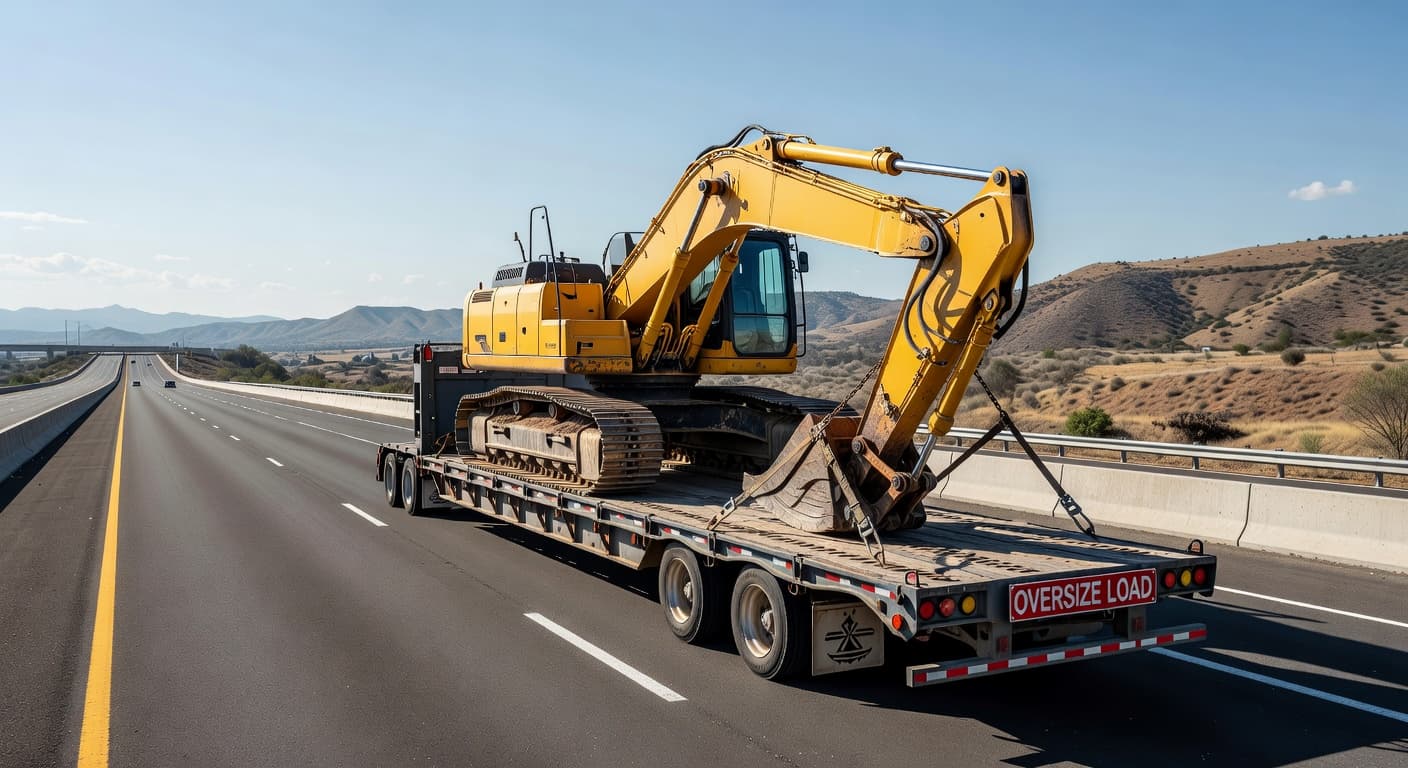
May cover products, materials, and merchandise while they are being shipped or hauled between locations in your care.
Contractors Equipment
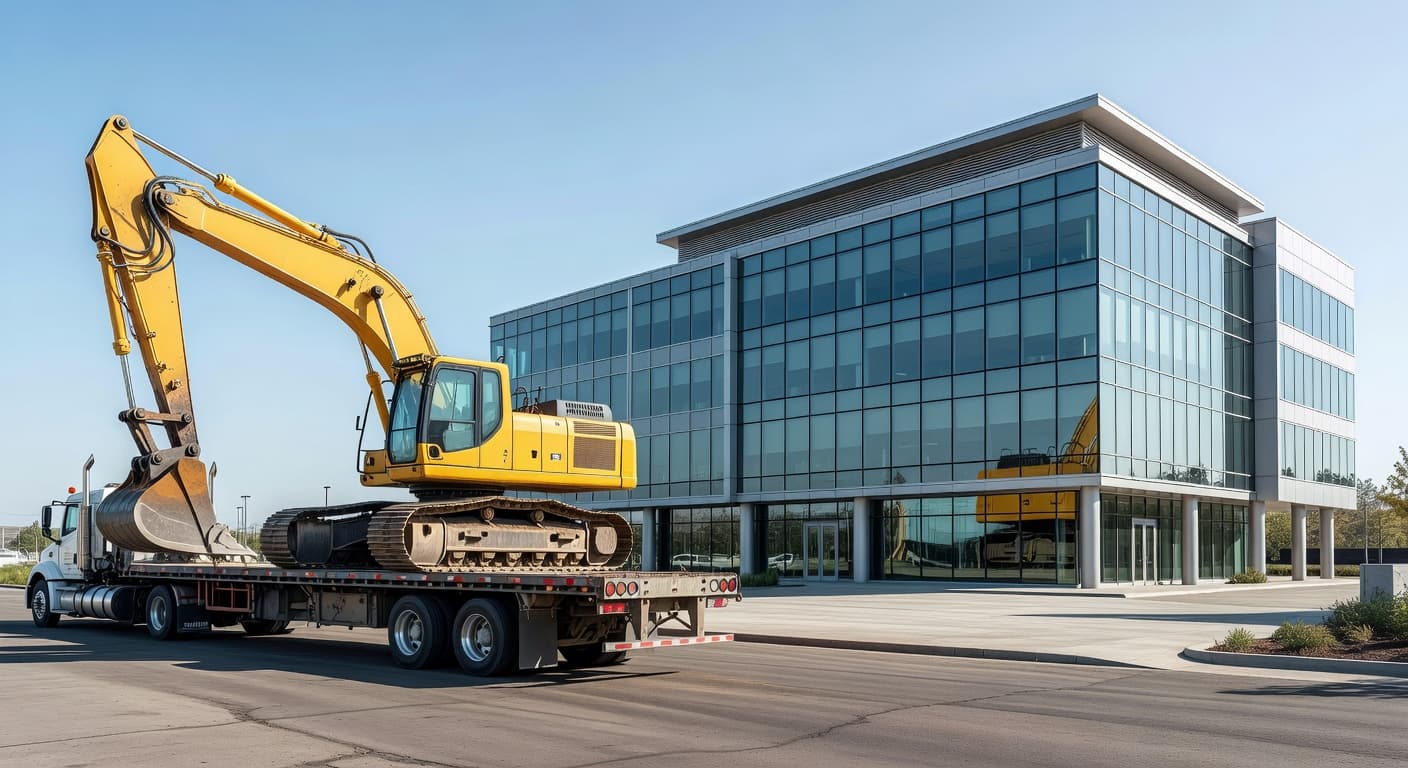
Typically covers heavy machinery like excavators, loaders, and generators against theft or damage at job sites and between them.

Installation Floater
Can help cover materials and fixtures from the moment you buy them until they are installed and accepted at a project.

Builders Risk
May cover a structure under construction, along with materials on site, against damage from fire, wind, theft, and vandalism.
Inland Marine Insurance Requirements in Kentucky
- Kentucky Department of Insurance oversight applies, but there is no state-mandated inland marine form that automatically fits every business.
- Coverage requirements may vary by industry and business size, so tools, materials, and project property should be matched to the correct endorsement.
- If you need goods in transit coverage, confirm whether the policy treats offsite storage and customer locations differently.
- For builders risk coverage, verify how the carrier handles projects in progress, staging areas, and temporary storage.
How Much Does Inland Marine Insurance Cost in Kentucky?
Average Cost in Kentucky
$25 - $90
per month
Businesses in Kentucky typically see inland marine insurance premiums of $25 - $90 per month, which tends to run 4% below the national range of $20 - $100 per month.
- Total insured value of the scheduled property
- Type and age of the equipment
- Where it is stored and how far it travels
- Jobsite security and theft prevention
- Per-item limits and deductibles
- Prior theft and in-transit losses
Contact CPK Insurance for a personalized quote.
In Kentucky, inland marine insurance cost is shaped by both the state market and the way your property moves. The average premium range runs from $25 to $90 per month, compared with the broader product average of $20 to $100 per month, which reflects a lower-than-national pricing pattern in this state. Where you land depends on how much mobile property you own, how often it travels, and whether it is left at job sites or in temporary storage. That gives you a slight pricing edge, but it does not mean every business will land at the low end.
Kentucky's elevated tornado risk can push pricing higher for businesses with equipment that is frequently exposed on job sites, in open yards, or in temporary storage. Very high flooding risk can also matter if your goods or tools are staged in low-lying areas, near waterways, or in flood-prone counties. Property crime and larceny-theft trends are still relevant, which can affect pricing for tools and equipment when theft exposure is part of the risk. Carrier competition is a real factor here, and that can work in your favor when underwriters are competing for your account. Insurers often price based on how much mobile property you own, how often it travels, and whether it is left at job sites or in temporary storage. If you want a more precise quote, expect underwriters to ask about your trade, travel radius, security practices, and item values before they finalize a rate.
How Kentucky compares with the national baseline
Property crime per 100,000 residents
1,870 vs 2,200 baseline
Property crime in Kentucky runs below the national average, at 1,870 vs 2,200 incidents per 100,000 residents.
Blue bar: Kentucky. Gray line: national baseline.
Prices shown are general estimates, not guaranteed rates or quotes. Your actual premium will depend on the insurer, coverage selected, business details, location, claims history, and other underwriting factors. Learn about our pricing methodology.
Request a Quote Comparison
Enter your ZIP code to compare inland marine insurance rates from top carriers.
Business insurance starting at $25/mo
Who Needs Inland Marine Insurance?
Contractors who carry tools and equipment between job sites often need it because their assets do not stay in one fixed location. Electricians, plumbers, landscapers, and remodelers are common examples, especially when they store gear on trucks, trailers, or at temporary staging areas. Installation businesses also benefit when materials are delivered to a customer site before the work is finished, which is why installation floater coverage is often considered alongside the broader policy.
Businesses tied to the state's major industries can also have a strong need. Kentucky's manufacturing base, transportation and warehousing sector, and retail trade all involve property that may be moved, staged, or stored offsite. A company shipping goods between facilities, using mobile business property insurance for expensive portable equipment, or holding customer property before delivery should review inland marine options carefully. Because transportation and warehousing account for a meaningful share of employment, businesses in that space may need goods in transit coverage for items moving through the state's road network.
Builders and property owners with projects in progress may also need builders risk when materials and work-in-progress are exposed before completion. That matters in a state with significant severe weather exposure, because a project can be interrupted well before the final handoff and you want to confirm whether your policy may help cover weather events and project delays. Small businesses dominate the state economy, so many owners are juggling limited reserves, multiple locations, and equipment that cannot be replaced quickly. If your business depends on portable assets, the question is less about size and more about how often those assets leave a fixed building.
Inland Marine Insurance by City in Kentucky
Inland Marine Insurance rates and coverage options can vary across Kentucky. Select your city below for localized information:
How to Buy Inland Marine Insurance
Buying inland marine insurance in Kentucky starts with matching the policy to how your property actually moves. Because Kentucky has a competitive carrier market, you should request a quote from multiple carriers rather than relying on one proposal.
Before you apply, gather a list of scheduled tools, equipment, materials, and goods in transit. Include item values, serial numbers when available, storage locations, transport methods, and whether the property is kept at job sites or in temporary storage. Underwriters often want to know your industry, annual revenue, claims history, coverage limits, deductible preference, and any endorsements you want. If you need installation floater or builders risk coverage, be ready to explain project timelines, job-site addresses, and how materials are staged.
Kentucky businesses should compare quotes from multiple carriers because coverage requirements may vary by industry and business size, and because premium differences can appear quickly when endorsements are added. If your business also needs other commercial lines, ask whether the carrier or agency can coordinate bundled coverage so the inland marine form matches your property schedule and claims process. For businesses with fast-moving operations, some policies can be quoted and bound quickly, but the exact timing varies by risk and carrier review. The most important step is confirming that the form actually follows your property rather than assuming every policy does that automatically. Request a quote through CPK Insurance to compare your options with participating licensed providers.
How to Save on Inland Marine Insurance
Start by tightening your inventory list so you only insure the tools, equipment, and materials that truly need mobile protection. If you schedule equipment accurately, you can often avoid overinsuring low-value items while still protecting the assets that would hurt most to replace. Choosing a higher deductible can lower premium pressure, but only if your business can absorb a smaller loss without disrupting operations.
Kentucky's weather profile matters, so storage and transport practices can influence pricing. Businesses that keep tools locked, use secure trailers, store items indoors when possible, and document check-out procedures may present a better risk profile than companies that leave property exposed at job sites or in temporary storage. Theft exposure also matters because Kentucky's property crime and larceny-theft trends remain relevant for mobile tools and equipment.
Ask each carrier whether goods in transit coverage is included by default or needs an endorsement, and whether contractors equipment or installation floater coverage changes the price materially. If your business also buys other commercial coverage, check whether bundling can improve overall pricing, though actual savings vary by carrier and account. Finally, review limits and deductibles together, because a low premium with weak limits may not be a useful deal for a business moving high-value property across Kentucky job sites.
Our Recommendation for Kentucky
For Kentucky buyers, the smartest approach is to map each mobile asset to the risk that actually affects it, whether in transit, on site, in temporary storage, or under installation. Focus first on whether the form schedules your most expensive tools, equipment, or materials correctly, because that is where this coverage either works or leaves a gap. Then compare at least three quotes, since Kentucky's competitive carrier market can produce meaningful differences in endorsements and deductibles. If your work crosses counties or uses temporary storage near storm-prone areas, ask how the policy treats weather exposure and offsite locations. For many small businesses in this state, a slightly higher deductible and tighter inventory schedule can be more practical than broad but poorly matched limits. The goal is not the lowest number on paper; it is a policy that follows your property the way your business actually operates across Kentucky.
FAQ
Frequently Asked Questions
It can help cover scheduled tools and equipment while they are in transit, at Kentucky job sites, or in temporary storage, but the exact terms depend on the carrier form and limits you choose.
Your policy may help cover those materials away from your fixed premises, but you should confirm whether temporary storage is included and whether the location or duration changes the protection.
Contractors, installers, and other businesses that move expensive portable property across Louisville, Lexington, Bowling Green, or rural job sites should look closely at contractors equipment insurance.
Premiums are driven by coverage limits, deductibles, claims history, location, industry risk, and endorsements, and Kentucky weather and theft exposure can affect the final price.
Kentucky businesses should compare quotes from multiple carriers, follow Kentucky Department of Insurance oversight, and expect requirements to vary by industry, business size, and the property being insured.
Prepare a list of your tools, equipment, materials, values, serial numbers, storage locations, and job-site patterns, then request a quote through CPK Insurance to compare your options with participating licensed providers.
If your work includes materials being installed at a customer site or projects under construction, those coverages may be worth reviewing because they address different stages of mobile property exposure.
Inland marine insurance may cover business property that moves, travels, or is stored away from your main premises. That can include tools, equipment, materials, goods in transit, and certain property at job sites or temporary locations, depending on your policy terms.
Updated July 16, 2026