Updated July 16, 2026

Key Takeaways
- List every towing and transport service you perform before requesting quotes, so loading, unloading, winching, and recovery exposures are reviewed correctly.
- Compare the on-hook limit, deductible, valuation method, and exclusions side by side instead of choosing a policy on premium alone.
- Ask in writing whether your policy addresses the specific vehicles you tow most often, especially specialty, modified, low-clearance, or higher-value units.
- Use pre-tow photos, condition notes, and signed release procedures on every job to reduce disputes and support claims handling.
- Review on-hook coverage together with auto liability and any garagekeepers coverage before renewal to catch gaps between transport and storage.
On-Hook Towing Insurance in Kentucky
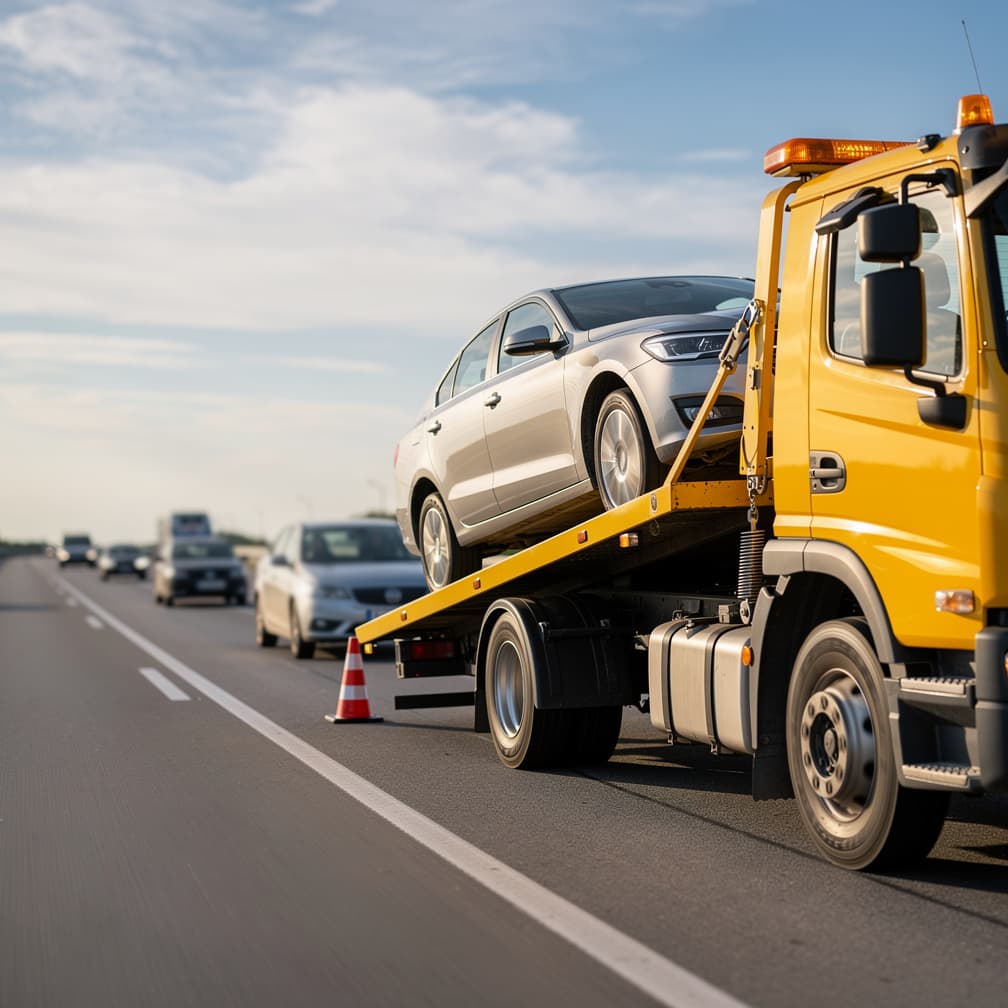
On-hook towing insurance addresses damage to a vehicle while it is attached to your truck, carried, or being moved as part of the tow. In this state, the exposure changes with the calls you actually take. A rural operator may handle long roadside pulls on two-lane routes, while an urban fleet may work tight parking structures, apartment impounds, and after-hours police rotations where visibility, traffic, and storage handoffs all raise the chance of a disputed damage claim. Weather also matters because storm-driven calls, slick pavement, and debris can turn a routine hookup into a complicated file. As you compare quotes, focus less on broad promises and more on how each policy addresses your equipment mix, your service radius, your after-hours procedures, and the kinds of vehicles you move most often.
What On-Hook Towing Insurance Covers
A claim often starts with a customer saying the bumper was already scraped, the transmission should not have been moved that way, or the wheel was damaged during loading. In practice, you want the policy language checked against the way your drivers document condition, secure vehicles, and transfer possession at the destination.
For your work, pay close attention to the situations that create disagreement fast. Low-clearance garage removals, rural ditch recoveries after rain, apartment complex impounds at night, and dealer or repair-shop transfers where a vehicle may already have prior damage all create different damage narratives. Your quote should be built around the specific jobs each truck handles rather than a simplified description of your business.
You should also check whether your operation regularly moves higher-value pickups, SUVs, work vans, or modified vehicles. A carrier may underwrite those exposures differently because the cost to repair sensors, cameras, body panels, or specialty equipment can escalate quickly after what looks like a minor incident. If your company handles police-directed tows, private property impounds, or recovery work after storms, ask how those assignments are classified and whether any sublimits, exclusions, or documentation expectations apply. State oversight matters here as well. If you are comparing forms, endorsements, or complaint handling expectations, keep your file organized and read the policy wording carefully before binding.
Collision on Hook
Covers damage to towed vehicles from collisions during transport.
Comprehensive on Hook
Covers theft, fire, and weather damage to vehicles being towed.
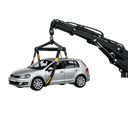
Loading & Unloading
Covers damage during the process of loading and unloading vehicles.
Winching Coverage
Covers damage to vehicles during winching and recovery operations.
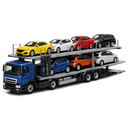
Multiple Vehicle
Covers all vehicles on multi-car carriers and rollback flatbeds.
On-Hook Towing Insurance Requirements in Kentucky
- Rural routes can mean soft shoulders, narrow approaches, and longer distances between pickup and drop-off, which makes documentation and securement procedures more important.
- Urban towing often involves apartment complexes, parking structures, and after-hours impounds where low visibility and tight clearances increase the chance of disputed damage.
- If your operation serves dealerships, repair shops, or municipal rotations, classify those assignments accurately so the quote matches the vehicles and handoff procedures involved.
How Much Does On-Hook Towing Insurance Cost in Kentucky?
Underwriters usually look at what you tow, how you secure it, where you operate, when you operate, and how often a damaged vehicle could turn into a disputed repair bill. If your call board mixes routine roadside calls with impounds, recovery work, and longer transports, expect the quote to focus on those differences.
Geography can change the risk profile inside the same business. A truck working dense commercial corridors may face tighter turns, more traffic, and more camera-equipped vehicles, while a truck covering rural territory may see longer tows, soft shoulders, steep approaches, and more winching exposure. Those operating conditions can affect how an insurer views both frequency and severity. Your application should separate each truck's specific assignments instead of blending the whole fleet together.
Your equipment setup also matters. Flatbeds, wheel-lifts, dollies, and recovery gear create different handling exposures, and the same is true for the types of vehicles you move. A quote for standard passenger vehicles is evaluated differently from one that regularly involves heavy pickups, commercial vans, or vehicles with low ground clearance. Limits, deductibles, driver experience, loss history, storage practices, and whether you use photos at pickup and drop-off all influence pricing, with policies for a single tow truck often starting around $150 to $300 per month depending on those factors. That means the cleaner your documentation and the more experienced your drivers, the more favorably an underwriter may view your operation. The most useful way to shop is to request side-by-side quotes using the same operational details for every insurer. That lets you compare not just premium, but also deductibles, valuation approach, exclusions, and any conditions tied to loading, unloading, or unattended vehicles.
Request a Quote Comparison
Enter your ZIP code to compare on-hook towing insurance rates from top carriers.
Business insurance starting at $25/mo
Who Needs On-Hook Towing Insurance?
In this state, this coverage deserves a close look if your business ever takes custody of someone else's vehicle and moves it by tow truck as part of your paid work. That includes operators whose revenue comes from more than classic roadside towing. If a customer vehicle is attached to your unit, on your bed, or being repositioned during service, the exposure is present whether the invoice says tow, recovery, transport, or impound.
A single-truck business doing local breakdown calls can face the same kind of damage allegation as a multi-unit company handling police rotations and storage yard transfers.
Operators should think through their actual call sources. If you work for apartment managers, repair shops, body shops, dealerships, lenders, municipalities, or law enforcement, each relationship can create a different pattern of vehicle condition disputes and documentation expectations. Night work, bad-weather calls, and jobs on narrow rural roads can increase the chance that a routine tow later turns into a disagreement over when damage happened. You should also check this coverage if your company expands seasonally after storms or adds services that were not part of the original application. A business that starts with simple roadside tows can drift into recovery, private property impounds, or longer-distance transports without updating its insurance file. When your operation shifts, make sure the policy you are asking an insurer to underwrite still reflects the work you actually do.
On-Hook Towing Insurance by City in Kentucky
On-Hook Towing Insurance rates and coverage options can vary across Kentucky. Select your city below for localized information:
How to Buy On-Hook Towing Insurance
Buying this coverage goes more smoothly when you present your operation the way an underwriter will evaluate it. Start by listing each truck, the services it runs, and the territory it covers. If one unit mainly handles dealer transfers and another takes after-hours impounds or recovery calls, say that clearly. A blended description can produce a quote that looks workable until a claim tests the details.
Next, assemble the documents that show how you control damage risk. That usually means driver lists, loss runs, equipment schedules, service descriptions, and your intake process for vehicle condition photos. If you use dispatch notes, signed tow tickets, timestamped images, or drop-off confirmation procedures, include that information early. In a claim, the strength of your documentation often matters almost as much as the physical facts of the tow.
Then ask each quoting insurer the same operational questions. How do they treat impounds, recovery work, unattended vehicles, or higher-value units? Are there special conditions for loading and unloading? Does the quote assume a certain service radius or vehicle type mix? Consistent questions make it easier to compare forms instead of guessing from premium alone. Read the quote for mismatches between your actual work and the application summary. Confirm truck use, driver count, territory, deductibles, and any endorsements tied to towing operations. If your business changes during the policy term, update the file promptly rather than waiting for renewal and hoping the original description still fits. Request a quote through CPK Insurance to compare your options with participating licensed providers.
How to Save on On-Hook Towing Insurance
The most reliable way to lower your on-hook towing insurance cost is to make your operation easier to price and easier to defend. Start with evidence. Require clear pickup and drop-off photos, note pre-existing damage on every ticket, and keep timestamps attached to the file. That process can reduce disputes that turn small incidents into expensive claims.
Driver consistency also helps. If you can show that drivers follow the same securement steps, loading checks, and handoff procedures on every call, an underwriter has a stronger basis to view your operation as controlled rather than improvised. Written procedures matter most when your work includes night calls, bad-weather recoveries, apartment impounds, or rural roadside jobs where the scene itself creates more room for disagreement later, and carriers may price that documentation favorably when they can see a consistent process. It is what gives your documentation real teeth if a customer disputes damage weeks after the tow.
Another savings lever is operational clarity. Separate higher-hazard work from routine towing when you request quotes. If one truck handles recovery or impound assignments and another mostly performs scheduled transports, do not describe both units with the same broad label. Cleaner classification can lead to a more accurate quote and fewer surprises after binding. You can also compare deductible options, truck assignments, and service radius with the same discipline you use for dispatch. A higher deductible may reduce premium if your cash flow can absorb it, but only if the tradeoff is realistic for your business. The goal is not to buy the thinnest policy. It is to buy a form that matches your operation closely enough that a claim can be documented, defended, and resolved without avoidable coverage disputes.
Our Recommendation for Kentucky
For towing businesses, the smartest buying move is to build your quote around the calls that create the hardest-to-defend damage stories. That usually means after-hours impounds, wet-weather recoveries, rural shoulder work, and any tow involving low-clearance vehicles or tight access points. If those jobs are part of your week, make sure they are disclosed instead of buried inside a generic roadside-towing description.
Ask to compare your on-hook limit and deductible together, not separately. A lower premium can look attractive until you compare it with the value of the vehicles you actually move and the repair costs tied to modern sensors, cameras, and body panels. The right balance depends on your cash reserves and the kinds of units on your dispatch board.
You should also pressure-test your documentation process before renewal. If a driver cannot produce condition photos, tow tickets, dispatch notes, and drop-off confirmation quickly, fix that workflow now. In a disputed damage claim, the outcome often turns on what you can prove, not just what happened. Finally, keep your insurance file current as your operation changes. New contracts, expanded territory, added trucks, or more recovery work should trigger a policy review, meaning you pull your current declarations page, list the new equipment or services, and call your insurer to update the file before the next claim does.
FAQ
Frequently Asked Questions
Impound operators should examine on-hook coverage closely because vehicle condition disputes often start during nighttime removals, tight-access pickups, and storage handoffs. Keep policy wording and claim documentation organized so the quote matches the work you actually perform.
Rural towing quotes are usually shaped by the roads you work, the distance of your tows, the recovery exposure you accept, and the types of vehicles you move. Separate routine roadside calls from heavier recovery work so the insurer can price each exposure more accurately.
Weather can affect on-hook claims because wet pavement, debris, and storm-related calls can complicate loading, securement, and recovery conditions. After a stretch of severe weather, review whether your policy still reflects the types of jobs you are accepting.
Present driver lists, truck schedules, service descriptions, loss history, and a clear photo-and-ticket process. The more specific you are about your actual call mix, the more accurate your quote will be.
Fleets should be careful with one-size-fits-all descriptions because a flatbed doing scheduled transfers is not underwritten the same way as a unit handling after-hours impounds or recovery calls. Break out each truck's specific assignments before you compare quotes.
Many on-hook disputes turn on whether damage existed before the hookup or happened during the tow. Timestamped images, dispatch notes, and signed tickets can make a claim easier to defend.
Insurance questions are regulated by the Kentucky Department of Insurance. If you are comparing forms or resolving a policy issue, keep the quote, endorsements, and claim records together so you can check the exact wording that applies to your towing operation.
On-hook towing insurance may cover damage to a customer vehicle while it is being loaded, attached, carried, winched, or unloaded by your tow truck, depending on the policy terms. Buyers should review collision, fire, theft, weather, and loading-related damage carefully.
Sources
- 1.Kentucky Department of Insurance(Kentucky insurance questions are regulated by the Kentucky Department of Insurance.)
Updated July 16, 2026