







































Updated July 16, 2026

On-Hook Towing Insurance in Louisville
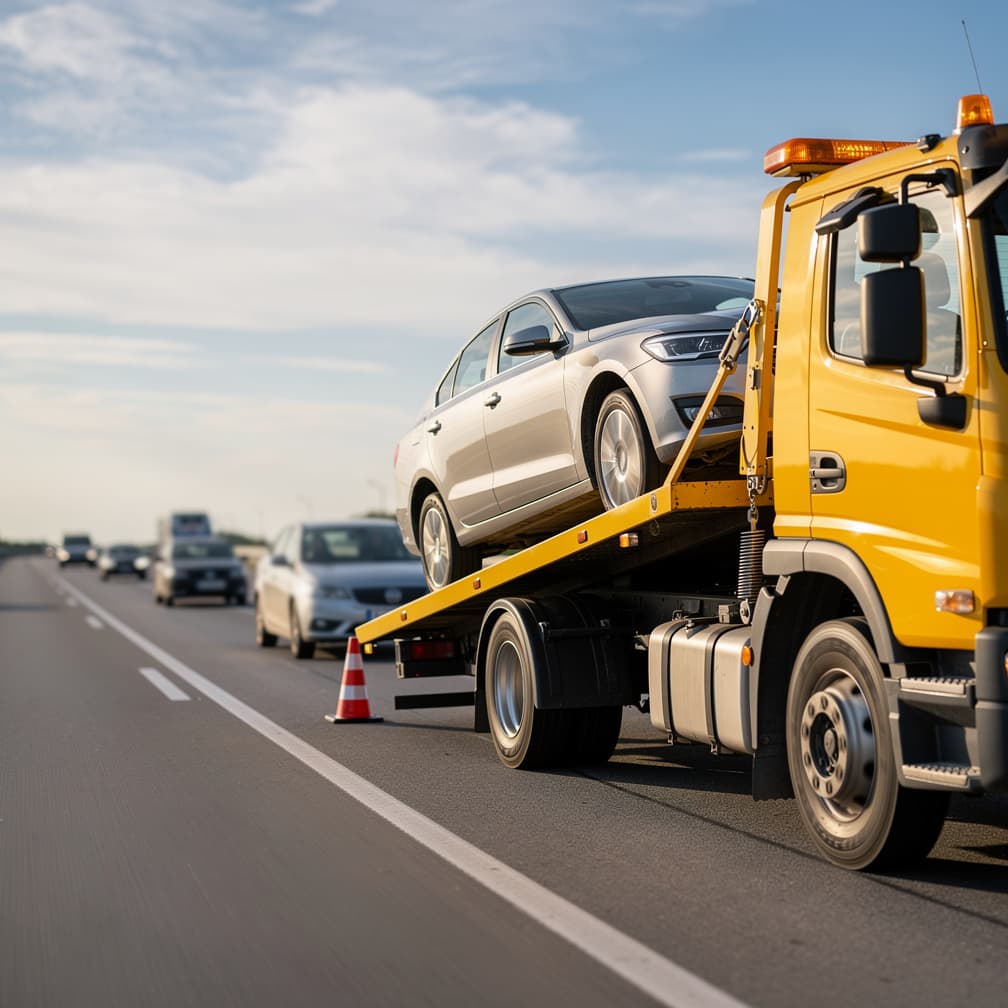
A lot of local towing owners revisit this coverage right when a downtown parking contract is on the table, a storage lot asks for updated certificates, or a new driver starts taking calls that move from hospital campuses to retail lots in the same shift. Your exposure often changes with the type of vehicles you pick up, where you hook them, and how often you move through dense commercial corridors before the unit is dropped. Jefferson County has 20,128 business establishments, which translates to roughly one business for every 30 residents and keeps your trucks backing into tight lots and garages day after day rather than handling occasional roadside work. A tow company serving property managers, retailers, medical offices, and private lots may need limits that match that volume. The review should stay operational. Think through the vehicles you tow most, your wheel-lift versus flatbed split, how units are secured, where they are staged, and which contracts require proof of coverage before work starts. When you sit down for a quote review, bring the documents that tell your operating story: your driver roster, truck schedule, service area, and any lot or impound agreements.
On-Hook Towing Insurance Risk Factors in Louisville
Louisville's top risk factors include Tornado damage, Hail damage, Severe storm damage, and Wind damage.
Kentucky has a high climate risk rating. Top hazards: Tornado (High), Flooding (Very High), Severe Storm (High), Landslide (Moderate). The state's expected annual loss from natural hazards is $980M, which influences on-hook towing insurance premiums and may affect coverage availability in high-risk areas.
What On-Hook Towing Insurance Covers
A claim often starts with a customer saying the bumper was already scraped, the transmission should not have been moved that way, or the wheel was damaged during loading. In practice, you want the policy language checked against the way your drivers document condition, secure vehicles, and transfer possession at the destination.
For your work, pay close attention to the situations that create disagreement fast. Low-clearance garage removals, rural ditch recoveries after rain, apartment complex impounds at night, and dealer or repair-shop transfers where a vehicle may already have prior damage all create different damage narratives. Your quote should be built around the specific jobs each truck handles rather than a simplified description of your business.
You should also check whether your operation regularly moves higher-value pickups, SUVs, work vans, or modified vehicles. A carrier may underwrite those exposures differently because the cost to repair sensors, cameras, body panels, or specialty equipment can escalate quickly after what looks like a minor incident. If your company handles police-directed tows, private property impounds, or recovery work after storms, ask how those assignments are classified and whether any sublimits, exclusions, or documentation expectations apply. State oversight matters here as well. If you are comparing forms, endorsements, or complaint handling expectations, keep your file organized and read the policy wording carefully before binding.
Coverage Included

Collision on Hook
Covers damage to towed vehicles from collisions during transport.
Comprehensive on Hook
Covers theft, fire, and weather damage to vehicles being towed.
Loading & Unloading
Covers damage during the process of loading and unloading vehicles.
Winching Coverage
Covers damage to vehicles during winching and recovery operations.
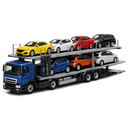
Multiple Vehicle
Covers all vehicles on multi-car carriers and rollback flatbeds.
Industries & Insurance Needs in Louisville
Jefferson County's business mix changes the kind of towing work you may be asked to handle. Health care and social assistance accounts for 13.3% of establishments, retail trade 12.8%, and professional, scientific, and technical services 11.2%, so local call volume can lean toward private-property removals, parking enforcement, and vehicle moves tied to office, clinic, and storefront access rather than only highway recovery. That matters because on-hook exposure is shaped by the vehicles you take into custody and the pickup environment. A compact car in a tight employee lot, a customer SUV outside a medical office, and a higher-value vehicle near a professional office each create different damage severity concerns while loading, securing, turning, and unloading. Ask for a quote review built around your actual dispatch mix, not a generic towing description, and flag any contracts tied to hospitals, shopping areas, or managed parking locations.
What Makes Louisville Different
In a market anchored by hospitals, retail centers, office properties, and managed parking, many losses do not start with a long tow. They start at hookup, during a tight exit, or while maneuvering a vehicle through a crowded lot with curbs, poles, gates, and other parked cars close by. That makes your operating pattern more important than a simple count of trucks. If your work includes private-property towing, parking enforcement, or repeat service for commercial accounts, review whether your on-hook limit fits the highest-value vehicle you are likely to lift on a routine day, not just the average unit. It also helps to show how drivers document pre-tow condition, secure vehicles, and handle low-clearance or all-wheel-drive units. The more your book leans on contracted commercial locations, the more important it is to match coverage terms to those day-to-day handling exposures before you sign or renew an account.
Our Recommendation for Louisville
Start with your contracts and dispatch history, then separate roadside recoveries from private-property and commercial account work. Underwriters learn more from a tight garage exit than from a broad description of your company, because that setting carries different risk than a highway shoulder pull. If you service downtown garages, hospital-adjacent lots, apartment communities, or retail centers, ask the agent to review your highest-severity scenarios during loading and low-speed transport, not just miles driven. Take time to write down the vehicle types your drivers actually hook most often, whether that means heavier pickups, luxury sedans, electric vehicles, or all-wheel-drive units, since handling method can affect claim potential. Having photos of storage areas, tie-down procedures, and truck equipment on hand can speed up the quote process. When a property manager or lot operator requires proof of coverage before assigning work, send those insurance requirements in early so the policy review can zero in on the limits and terms your contracts actually call for.
Get On-Hook Towing Insurance in Louisville
Enter your ZIP code to compare on-hook towing insurance rates from carriers in Louisville, KY.
Business insurance starting at $25/mo
FAQ
Frequently Asked Questions
Louisville parking and private-property work often means more hookups in tight lots and garages, where damage can happen before a long tow even begins. That is why your quote should reflect loading conditions, vehicle types, and contract requirements, not only your truck count.
Jefferson County has 20,128 business establishments, so many towing accounts involve offices, retail sites, and managed properties that generate repeat commercial callouts. In practical terms, your drivers are hooking vehicles in the same crowded lots week after week, which is where most damage claims start.
Louisville underwriters usually need a clear picture of your operation before quoting. That typically means your driver roster, truck details, service area, and the kinds of vehicles you tow. For lot and contract work, include parking agreements, certificate requirements, and any procedures you use to document vehicle condition before hookup.
Jefferson County's leading sectors are health care and social assistance at 13.3%, retail trade at 12.8%, and professional, scientific, and technical services at 11.2%. Those three fields alone account for over a third of local business activity, meaning a sizable share of your commercial calls likely come from clinics, storefronts, offices, and managed lots where loading conditions deserve close review.
Impound operators should examine on-hook coverage closely because vehicle condition disputes often start during nighttime removals, tight-access pickups, and storage handoffs. Keep policy wording and claim documentation organized so the quote matches the work you actually perform.
Rural towing quotes are usually shaped by the roads you work, the distance of your tows, the recovery exposure you accept, and the types of vehicles you move. Separate routine roadside calls from heavier recovery work so the insurer can price each exposure more accurately.
Weather can affect on-hook claims because wet pavement, debris, and storm-related calls can complicate loading, securement, and recovery conditions. After a stretch of severe weather, review whether your policy still reflects the types of jobs you are accepting.
Present driver lists, truck schedules, service descriptions, loss history, and a clear photo-and-ticket process. The more specific you are about your actual call mix, the more accurate your quote will be.
Sources
- 1.U.S. Census Bureau, County Business Patterns, Jefferson County(Jefferson County has 20,128 business establishments, so a tow company that serves property managers, retailers, medical offices, and private lots may need limits that match a steady flow of commercial callouts rather than occasional roadside work.; Health care and social assistance accounts for 13.3% of establishments, retail trade 12.8%, and professional, scientific, and technical services 11.2%, so local call volume can lean toward private-property removals, parking enforcement, and vehicle moves tied to office, clinic, and storefront access rather than only highway recovery.)
Updated July 16, 2026





