Updated July 16, 2026

Car Insurance in Lexington
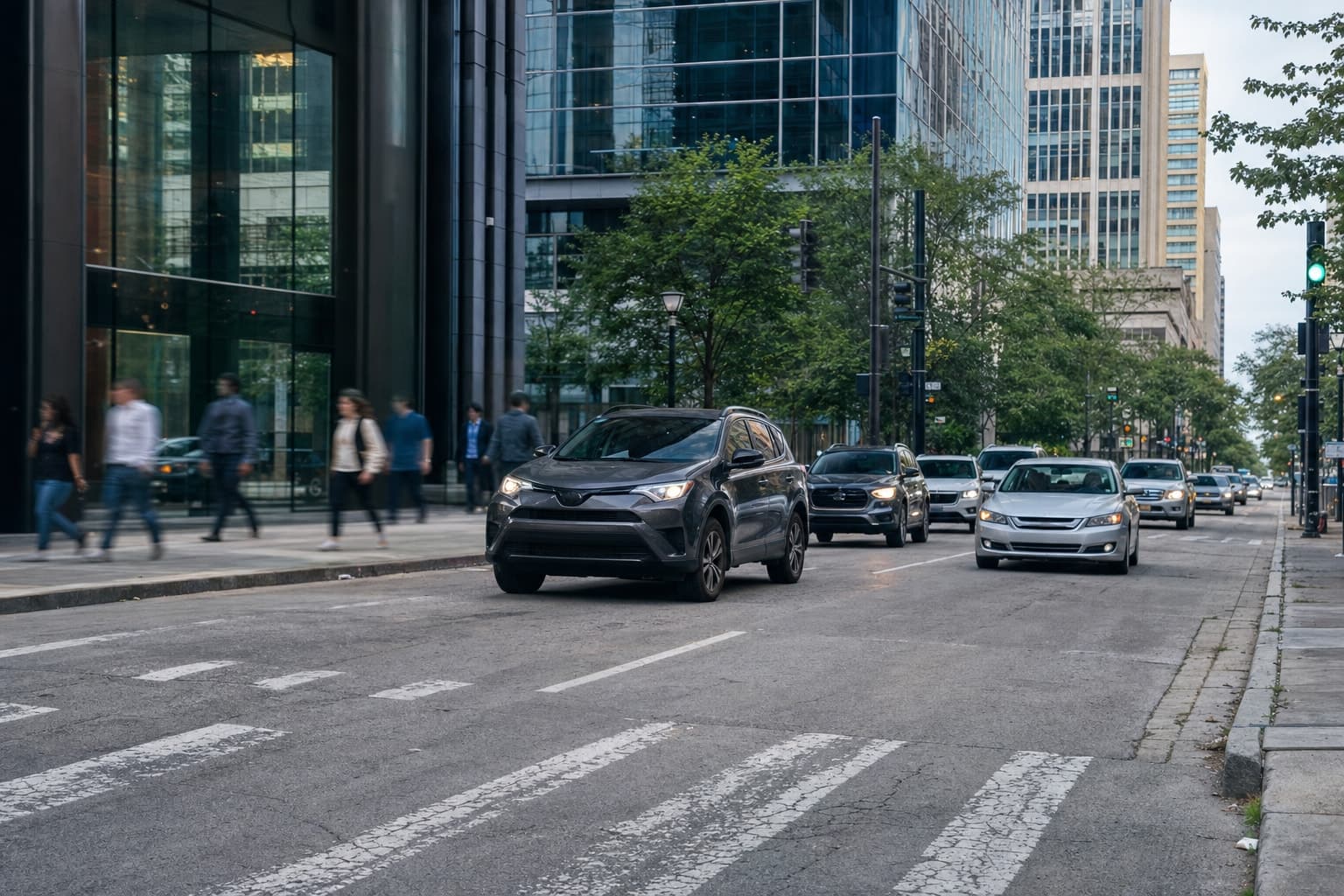
If you drive in Lexington, you already know the rhythm. Your week is less about highway miles and more about short hops between neighborhoods, New Circle Road, and campus-area congestion where traffic stacks up at the same intersections day after day. That kind of driving shapes your claim exposure more than odometer readings do, because the risk lives in how often you merge, park, and move through busy corridors. The county holds roughly 9,100 business establishments, so on any given weekday you are sharing the road with delivery vans, service trucks, and commuters all threading through the same streets. That density raises the odds of low-speed contact and intersection incidents, so it is worth reviewing liability limits against the kinds of vehicles and property you are most likely to encounter in regular in-town driving. Then look closely at collision and comprehensive deductibles if your car spends long hours parked at apartments, workplaces, or mixed-use commercial areas.
Kentucky has a high climate risk rating. Top hazards: Tornado (High), Flooding (Very High), Severe Storm (High), Landslide (Moderate). The state's expected annual loss from natural hazards is $980M, which influences car insurance premiums and may affect coverage availability in high-risk areas.
What Car Insurance Covers
Liability coverage can help pay for injuries or damage you cause to others in an auto accident, so comparing limits carefully is one of the most important steps you can take. Collision coverage helps with repairs to your own car after a crash. Comprehensive coverage applies to non-collision losses such as theft, hail, tornado damage, and other weather-related events that matter in a state with high severe-storm and tornado exposure. Uninsured motorist coverage is especially relevant here because more than one in eight Kentucky drivers carries no insurance, which means some drivers on the road may not carry enough protection to pay for losses they cause. Medical payments coverage can help with medical bills tied to a crash, and rental reimbursement coverage can help keep you mobile while your vehicle is being repaired.
Coverage Included

Liability
Can help pay for injuries and property damage you cause to others in an accident, coverage most states require drivers to carry.

Collision
Can help pay to repair or replace your car after a crash with another vehicle or object, regardless of fault.

Comprehensive
Typically covers damage to your car from events other than collisions, such as theft, hail, fire, flooding, or hitting an animal.

Uninsured Motorist
May pay for your injuries and, in some states, car damage when an at-fault driver has no insurance or too little.

Medical Payments
Can help cover medical bills for you and your passengers after an accident, no matter who was at fault.

Rental Reimbursement
May pay for a rental car while your vehicle is in the shop for repairs after a covered claim.
Car Insurance Cost in Lexington
Average Cost in Kentucky
$85 - $230
per month
In Kentucky, car insurance premiums typically run $85 - $230 per month, which tends to run 7% below the national range of $110 - $230 per month.
- Driving record and age
- Vehicle make, model, and year
- Location and commute distance
- Credit-based insurance score
- Coverage limits and deductibles
Contact CPK Insurance for a personalized quote.
Prices shown are general estimates, not guaranteed rates or quotes. Your actual premium will depend on the insurer, coverage selected, personal details, location, claims history, and other underwriting factors. Learn about our pricing methodology.
The average car insurance cost in Kentucky is about $85 to $230 per month, and the state's premium index of 94 means rates run roughly 6 percent below the national average, which can work in your favor when you shop. Coverage limits and deductibles are major pricing levers, and a higher deductible can lower the premium while shifting more cost to you if you file a claim. Kentucky's 2023 auto accident data shows 138,000 crashes, which means a single serious accident can cost more than some drivers expect to pay out of pocket. Location is another key factor, so drivers in higher-traffic areas like Louisville and Lexington may see different quotes than drivers in smaller communities. Severe-storm exposure and tornado risk can also influence pricing, particularly for comprehensive coverage. The market is competitive, with 340 active insurance companies, so shopping more than one quote matters.
Industries & Insurance Needs in Lexington
Business density is the local demand signal that matters most. Fayette County has 9,129 business establishments, and its largest establishment shares are health care and social assistance at 14.2%, professional, scientific, and technical services at 13%, and retail trade at 12.9%. That mix points to steady weekday circulation around medical offices, shopping areas, service businesses, and professional workplaces, so your exposure is often tied to repeated short trips, parking turnover, and busier daytime traffic rather than occasional highway-only use. For a buyer, the practical step is to describe actual use accurately. If you drive to multiple appointments, client sites, or retail stops in a normal week, say so when you quote. If your vehicle is mostly parked while you work a fixed shift, that can shape the conversation differently. The goal is not to guess what is cheaper. It is to make sure the carrier is pricing the way you really use the car, so a claim does not raise avoidable questions later.
What Makes Lexington Different
Around here, the more important question is how often your vehicle is in dense local circulation, parked near other vehicles, or moving through the same commercial corridors several times a week. You should review where the car is kept overnight, whether you commute during the busiest parts of the day, and whether household drivers regularly use the vehicle for school, errands, work visits, or downtown appointments. The city's median household income sits at $67,631, which means a typical household has enough income to own a dependable car but not enough cash on hand to replace one outright after a crash. Cutting coverage to save premium can cost more after even one incident. Consider your options carefully before reducing liability or physical damage coverage without testing the deductible and limit tradeoff against what a repair bill, rental need, or larger liability claim would mean for your budget.
Our Recommendation for Lexington
Start with your driving pattern, not the declarations page from your last renewal. If your week includes campus traffic, medical appointments, retail errands, or repeated crosstown trips, ask for quotes using the way the car is actually used now. Review your coverage limits first, especially if you regularly drive in heavier commercial areas where a single crash can involve multiple vehicles or more expensive property damage. Then test deductibles against what you could comfortably pay out of pocket after a loss, not what merely lowers the premium. If more than one person in your household uses the vehicle, confirm every regular driver is disclosed and rated correctly. If you park on the street, in a shared lot, or at an apartment complex, mention that too. When you are ready to look at options, having your current limits, vehicle identification number, garaging address, driver list, and recent claim history pulled together makes it easier to see the differences side by side.
Get Car Insurance in Lexington
Enter your ZIP code to compare car insurance rates from carriers in Lexington, KY.
Car insurance starting at $59/mo
FAQ
Frequently Asked Questions
Focus on how the car is actually used, especially frequent in-town trips, parking patterns, and peak-time commuting. A policy review works better when your coverages, deductibles, and driver information match your real weekly routine.
Often, yes. Local driving can mean more intersections, more parked-car exposure, and more contact with commercial traffic, so it is worth looking at higher limits and workable deductibles before renewing.
Fayette County has a high concentration of businesses for its size, so weekday traffic is a steady mix of retail, service, and commuter trips on the same roads you travel. Quote your policy using your actual commute, parking, and errand patterns rather than a mileage estimate alone.
At the local median income, many families depend on a vehicle they cannot easily replace or repair out of pocket. Pick a deductible you could realistically pay after a crash or other covered loss without straining monthly finances.
Policy or complaint questions can go to the Kentucky Department of Insurance. Use that as a backstop, then review quotes based on vehicle use, driver list, and the coverages you want examined.
Liability coverage can help pay for injuries or damage you cause to others. Collision coverage helps with repairs to your own car after a crash, and comprehensive coverage applies to non-collision losses like storm damage. Medical payments coverage can help with medical bills tied to a crash, and rental reimbursement can help keep you on the road while your vehicle is being repaired.
Kentucky requires drivers to carry minimum liability limits set by the Kentucky Department of Insurance. You must meet those minimums to drive legally, but you can choose higher limits or add optional coverages based on your needs.
The average range in Kentucky is about $85 to $230 per month. Your final premium depends on coverage limits, deductibles, claims history, location, and policy endorsements, so a driver in Frankfort may see a different quote than a driver in Louisville or a rural county.
Sources
- 1.U.S. Census Bureau, County Business Patterns, Fayette County(The city sits inside a county with 9,129 business establishments, so weekday traffic is pulled by offices, retail stops, medical visits, deliveries, and service calls across the same road network.; Fayette County has 9,129 business establishments, and its largest establishment shares are health care and social assistance at 14.2%, professional, scientific, and technical services at 13%, and retail trade at 12.9%.)
- 2.U.S. Census Bureau, ACS 5-Year Estimates, table B19013(The city's median household income is $67,631, so many households are balancing coverage decisions against a meaningful asset base and a vehicle they rely on every day.)
- 3.Kentucky Department of Insurance(Lexington drivers with policy or complaint questions can look to the Kentucky Department of Insurance.)
Updated July 16, 2026