Updated July 5, 2026

Homeowners Insurance in Lexington
A tighter local market changes the shopping process. Fewer carriers may actively pursue every neighborhood, age of home, or roof profile, so homeowners insurance in Lexington often comes down to who is comfortable with your address, your dwelling details, and how completely the home is documented at quote time. That matters whether you are buying near established in-town blocks, moving into newer subdivisions, or replacing a policy that no longer matches recent updates. Local housing values also shape the conversation, so it is worth checking whether your current dwelling limit still tracks what it would take to repair or rebuild your specific house, not just what you paid for it. A useful quote request here includes the roof age, exterior materials, any detached structures, and a clear list of renovations, because incomplete property data can narrow your options or produce a policy that needs revision later. If you are comparing offers, focus on settlement terms, water-related limitations, and how each quote handles ordinance or law coverage before you decide.
Kentucky has a high climate risk rating. Top hazards: Tornado (High), Flooding (Very High), Severe Storm (High), Landslide (Moderate). The state's expected annual loss from natural hazards is $980M, which influences homeowners insurance premiums and may affect coverage availability in high-risk areas.
What Homeowners Insurance Covers
For a Kentucky home, the coverage review starts with the structures and features most likely to cause problems if they are described loosely. A detached garage, barn, shed, retaining wall, finished basement area, porch, or older roof can all change how a policy should be structured and what documentation you should keep with the quote. If your home sits on a sloped lot, near a creek, or in an area that sees repeated storm activity, ask the agent to walk through how the policy treats wind-driven rain, fallen trees, water backup options, and debris removal.
You should also check how the policy handles personal property that is easy to undercount during a move or renovation. Tools, jewelry, firearms, electronics, and collections may have category limits or may need separate scheduling, depending on your policy terms. If you work from home, review whether business equipment or client property is limited under the base form. That is especially important if a spare room functions as an office, studio, or inventory space.
Liability deserves the same Kentucky-specific review. Trampolines, pools, dogs, short-term guests, and recreational features on the property can affect eligibility or require closer underwriting review. Instead of assuming a standard form fits, ask for a line-by-line explanation of exclusions, sublimits, and optional endorsements tied to the way you actually use the home. Then keep a copy of the application details you approved, so the policy you buy matches the property you own.
Coverage Included

Dwelling
Repairs or rebuilds your home itself, the walls, roof, floors, built-in appliances, and attached structures like a garage, after a covered loss. Set this limit to the full cost of rebuilding, not market value.
Other Structures
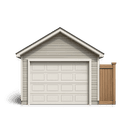
Detached structures on your property, such as a fence, shed, detached garage, or gazebo. Usually set at about 10 percent of your dwelling limit [2].

Personal Property
Your belongings, furniture, clothing, electronics, and appliances, generally written at 50 to 70 percent of your dwelling limit [2]. High-value items like jewelry and art carry special limits.

Additional Living Expenses
Also called loss of use. Pays your added living costs, hotel stays, meals, and a temporary rental, while a covered loss makes your home uninhabitable. Usually set at about 20 percent of your dwelling limit.

Liability
Covers you if someone is injured on your property, or you damage someone else's property, and you are found responsible. The standard $100,000 limit [2] is often raised to $300,000 or $500,000.

Medical Payments
Pays small medical bills, commonly $1,000 to $5,000, if a guest is hurt at your home regardless of fault, without a formal liability claim.
Homeowners Insurance Cost in Lexington
Average Cost in Kentucky
$110 - $270
per month
In Kentucky, homeowners insurance premiums typically run $110 - $270 per month, which tends to run 6% above the national range of $110 - $250 per month.
- Home replacement cost, age, and construction type
- Roof age, material, and condition
- ZIP code and local weather risk (wind, hail, wildfire, hurricane)
- Coverage limits and endorsements
- All-peril and percentage wind/hail deductibles
- Claims history and insurance score where allowed
Typical range for many standard homeowners profiles; lower-risk homes fall below it and coastal, wildfire, or older-roof homes can run well above. Final pricing depends on property details, location, underwriting, and selected coverage.
Prices shown are general estimates, not guaranteed rates or quotes. Your actual premium will depend on the insurer, coverage selected, personal details, location, claims history, and other underwriting factors. Learn about our pricing methodology.
Homeowners pricing in Kentucky is usually best understood as a range shaped by property details, not a single average that applies to every address. Many homes see premiums from $110 to $270 per month, meaning your annual cost could land anywhere from about $1,300 to over $3,200 depending on the home's rebuild profile, roof condition, claims history, deductible choice, and the coverage options you add. That spread is wide enough that two houses on the same street can price very differently if one has an aging roof, a finished lower level, older wiring, or prior water losses on record. For budgeting, plan around the higher end of that range so you are not caught short, and treat anything below it as room to save once you verify the coverage terms.
For a more useful quote, focus on the variables you can verify before you shop. Roof age and material often matter, and so do the age of plumbing, electrical, and HVAC systems, because insurers want to know whether the home has been updated or still carries older components that can lead to fire or water claims. Square footage, construction type, detached structures, and whether the home is owner-occupied year-round also affect pricing. If you recently bought the property, the purchase price alone does not explain the premium, because the policy is rated around insurance characteristics, not just the sale amount.
Your deductible is another major lever. A higher deductible can lower the monthly premium, but only if the out-of-pocket amount still feels manageable after a storm or sudden water loss. If one option looks much cheaper, check whether it trims settlement terms, excludes a feature you expected, or changes how roof or water-related claims are paid.
What Makes Lexington Different
Housing value is the main thing that changes the calculus here. Lexington's median home value is $272,100, so the practical risk for many owners is not whether they can find a policy at all, but whether the dwelling limit, other structures limit, and personal property assumptions still fit the home they actually own. That is especially important if you bought several years ago, finished a basement, upgraded kitchens or baths, replaced roofing materials, or added fencing, sheds, or higher-value contents without revisiting the policy. In a market like this, a quick renewal can leave gaps that only show up after a loss. The better approach is to treat each quote as a property review. Ask the agent to confirm the construction characteristics being rated, then compare how each insurer handles replacement cost assumptions, deductible choices, and endorsements that may matter for your address. That gives you a cleaner comparison than looking at premium alone.
Our Recommendation for Lexington
Start with the house file, not the price. Gather the year built, square footage, roof age, electrical and plumbing updates, exterior finish, and any recent remodeling before you request quotes. That helps avoid a policy built on generic assumptions. Next, review the dwelling limit against the home as it stands today. In a city with a median household income of $67,631, many owners are balancing mortgage costs, maintenance, and insurance at the same time, so deductible choices deserve a deliberate review rather than an automatic low-deductible selection. You should also ask how each quote treats detached garages, fences, and higher-value items that may need scheduled coverage instead of standard sublimits. If you are buying, request the quote early enough to fix underwriting questions before closing. If you are renewing, compare your current form against at least one fresh option and ask what changed in the inspection or eligibility standards since your last term.
Get Homeowners Insurance in Lexington
Enter your ZIP code to compare homeowners insurance rates from carriers in Lexington, KY.
Home insurance starting at $50/mo
FAQ
Frequently Asked Questions
Lexington buyers usually get cleaner quotes when they provide roof age, square footage, updates to wiring or plumbing, exterior materials, and detached structure details up front. That lets you compare policy terms on the same property facts instead of sorting through revisions later.
Lexington home values can change how you review dwelling coverage, especially after renovations or added structures. You should check whether your limit still matches the home's current characteristics and improvements, rather than relying on an older policy limit or the original purchase price alone.
Lexington can feel different because carrier appetite may narrow faster by neighborhood, home age, or roof condition in a tighter local market. You should compare who will write the risk, then review deductibles, endorsements, and settlement terms before choosing.
Lexington households have a median income of $67,631, so deductible decisions should match your emergency savings, not just the quoted premium. A higher deductible can reduce cost, but only if you can comfortably absorb that out-of-pocket amount after a covered loss.
Compare older-home quotes using the same deductible, endorsements, and update history on every application. If roof, wiring, or plumbing details differ from one quote to another, the premium comparison is not reliable and the policy fit may change during underwriting.
Homes with basements often need a closer look at water backup options, sump-related exposures, and how finished lower-level areas are described. Ask each insurer to explain exclusions, optional endorsements, and deductibles tied to water-related losses before you bind.
Properties with detached garages, barns, sheds, or workshops should list each structure clearly during quoting. If an outbuilding is omitted or described loosely, the policy may not reflect the property accurately and claim handling can become harder later.
Yes, but confirm the new start date and verify mortgagee information, occupancy, and endorsements first. That helps you avoid a coverage gap or a last-minute issue with lender documentation.
Sources
- 1.U.S. Census Bureau, ACS 5-Year Estimates, table B25077(Lexington's median home value is $272,100, so owners should check whether dwelling limits still fit the home they actually own.)
- 2.U.S. Census Bureau, ACS 5-Year Estimates, table B19013(Lexington households have a median income of $67,631, so deductible choices should be reviewed against available emergency savings.)
Updated July 5, 2026