Updated July 16, 2026

Key Takeaways
- Compare quotes using the same peak inventory value, deductible, and valuation assumptions so you can see real coverage differences.
- Ask in writing how the policy handles hail, flood, theft, vandalism, and test drives before you bind coverage.
- Prepare a current inventory schedule, offsite storage list, and security summary before requesting dealer open lot insurance quotes.
- Review whether flood needs separate placement instead of assuming another policy form includes it automatically.
- Requote after security upgrades, lot layout changes, or improved claims history so pricing reflects your current risk.
Dealer Open Lot Insurance in Louisiana
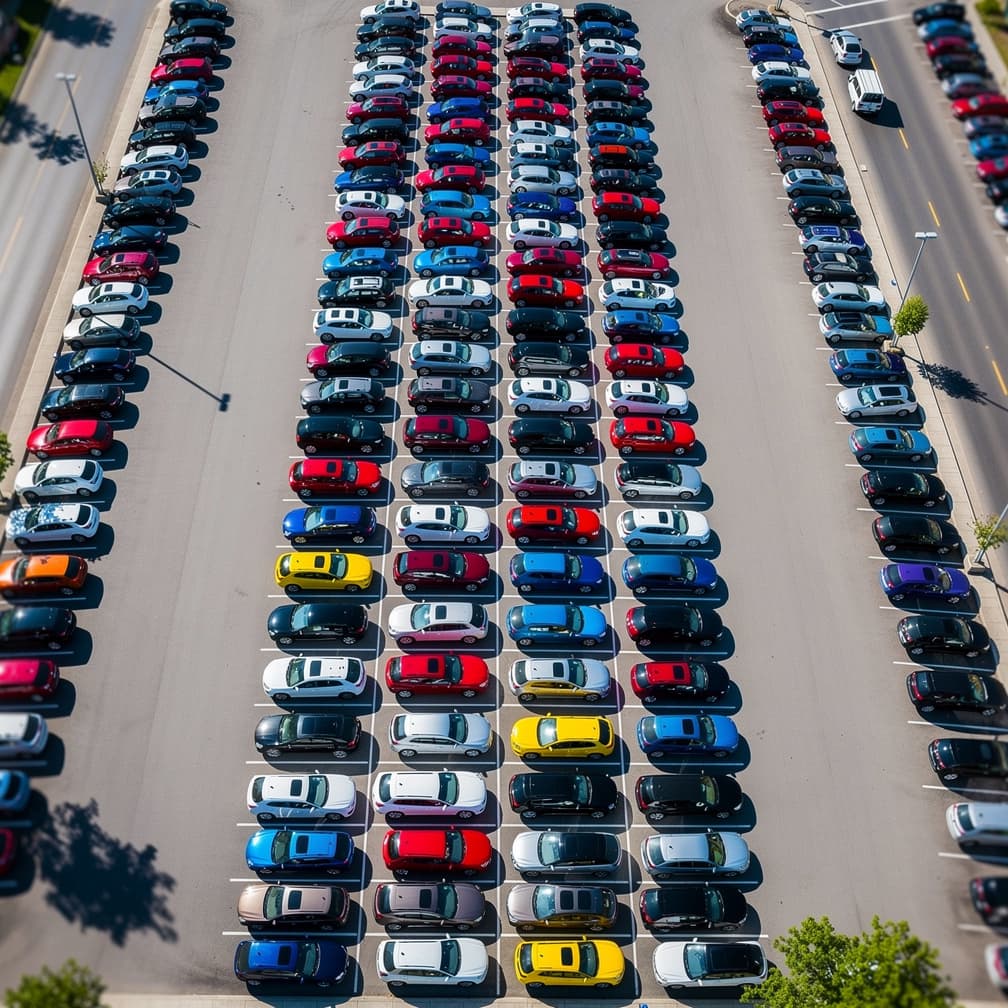
Dealer open lot insurance protects the vehicles you hold for sale against physical damage, theft, and weather loss. Underwriters want to see where units sit, how often they move between locations, who has access to keys, and whether any inventory is stored off the main lot. Outdated schedules, missing offsite storage, or rounded values instead of documented ones tend to produce quotes with more questions, tighter terms, or limits that do not match your real exposure. A cleaner submission gives you a better review of lot values, catastrophe exposure, and handling practices before you bind anything. Louisiana buyers also benefit from checking how the policy treats temporary movement, service-area parking, and vehicles waiting on title or reconditioning. Line up a current inventory report, your highest total lot value during the year, every storage address, and your procedures for keys, fencing, lighting, and test drives. That gives you a quote you can actually compare.
What Dealer Open Lot Insurance Covers
A dealership with a front sales line, an overflow lot, and a reconditioning area creates different handling points, and each one should be reflected in the schedule you submit. If a unit spends part of the week at a body shop, detail area, auction pickup point, or temporary storage yard, ask how that location is treated before you assume the same protection follows automatically.
You should also review how the policy values vehicles after a loss. That matters most when your inventory turns quickly, when recently acquired units have not yet been fully updated in your system, or when higher value trucks, specialty vehicles, or rebuilt units sit beside lower value inventory. Your policy should reflect how you actually buy, hold, repair, and display vehicles across every site you use.
Louisiana weather exposure adds another layer. Instead of stopping at a broad request for weather protection, ask whether your limits, reporting method, and location schedule still make sense during peak inventory periods or after you shift units around the property to make room for deliveries and repairs. If your operation uses more than one address, confirm whether each site is specifically listed and whether temporary concentration of vehicles at one location creates a gap. That is often where a claim dispute starts.
A practical review also includes key control, perimeter security, camera placement, and who can move vehicles after hours. Those details shape how defensible your file looks if a theft, vandalism, or weather loss happens. Ask for wording and limits that fit your actual lot operations, then compare terms line by line before you buy.

Weather Damage
Covers hail, wind, flood, and storm damage to lot inventory.
Theft Protection
Covers vehicles stolen from your lot.
Fire Damage
Covers fire and explosion damage to inventory vehicles.

Vandalism
Covers intentional damage to vehicles on your lot.
Test Drive Coverage
Covers vehicles during customer and employee test drives.
Transit Coverage
Covers vehicles being moved between lot locations.
Dealer Open Lot Insurance Requirements in Louisiana
- Louisiana dealerships that shift units between a sales lot, service area, and overflow storage should verify each address is scheduled before relying on one blanket assumption.
- If your inventory includes higher value trucks, specialty units, or mixed titled vehicles, review valuation and reporting closely so one category does not distort the whole lot limit.
- A Louisiana policy review should account for temporary concentration of vehicles during auction buys, trade-in surges, or reconditioning backlogs, because that is when limits are tested hardest.
- Dealers using shared property or noncustomer-facing storage in Louisiana should confirm who controls access, where keys are kept, and whether the insurer has the correct premises description.
How Much Does Dealer Open Lot Insurance Cost in Louisiana?
Underwriters look first at the total value of vehicles you hold for sale, but they also study where those vehicles are stored, whether values spike during certain buying periods, and how concentrated your inventory becomes at one address. A lot that regularly carries overflow units in an unlisted area can price very differently from a lot with a stable schedule and documented controls.
Fenced lots, controlled gate access, documented key procedures, lighting, and camera coverage can change how an underwriter views theft and vandalism exposure. So can the distance between your main lot and any overflow or service-area parking. If vehicles move between addresses, your quote should reflect that movement clearly. Otherwise, you may get terms that look competitive at first and become expensive later because the schedule has to be corrected midterm.
A lot made up of older, lower value units presents a different severity profile than one carrying late-model inventory with larger swings in total lot value. Rebuilt units, consignment arrangements, and vehicles waiting on title work can also change how the file is reviewed. Precise inventory reporting helps you avoid paying for assumptions that do not fit your operation.
Claims history, deductibles, requested limits, and whether you need protection across multiple locations all shape the final premium. The most useful way to shop is to submit the same inventory values, addresses, and operating details to each option you review. That lets you compare terms on equal footing and see whether a lower premium comes from better fit or from a narrower form that leaves more risk with you.
Request a Quote Comparison
Enter your ZIP code to compare dealer open lot insurance rates from top carriers.
Business insurance starting at $25/mo
Who Needs Dealer Open Lot Insurance?
Dealers with overflow storage, vehicles parked behind service buildings, units waiting for reconditioning, and inventory that moves between acquisition, cleanup, display, and delivery need the closest review. If your operation spreads vehicles across more than one area, your exposure is operational, not theoretical, and your policy should be reviewed that way.
Independent dealers often need the closest attention because inventory values can change fast as vehicles are bought, repaired, and put on the line. A small lot can still carry a meaningful concentration of value if several higher priced units arrive at once. Franchise operations face a different issue: larger inventories, more staff handling vehicles, and more movement between sales, service, and overflow areas. In both cases, the question is not whether inventory exists, but whether the policy structure follows how that inventory is actually stored and moved.
This also matters for dealers selling trucks, vans, trailers, powersports units, or mixed inventory where values and storage patterns vary by season. If some units sit outdoors for long periods while others rotate quickly, ask for a review that separates those exposures instead of treating the whole lot as uniform. The same applies if you use offsite storage, share space with another business, or keep newly acquired units at a location that is not customer facing.
If you own vehicles for resale and carry the loss before the buyer takes delivery, this coverage applies to your operation. In Louisiana, that review becomes more important when your lot layout changes, your inventory value climbs, or your storage footprint expands faster than your insurance schedule does. Before renewal, compare your current addresses and peak lot values against the policy you have now.
Dealer Open Lot Insurance by City in Louisiana
Dealer Open Lot Insurance rates and coverage options can vary across Louisiana. Select your city below for localized information:
How to Buy Dealer Open Lot Insurance
Buying this coverage goes more smoothly when you build the submission the way an underwriter reads it. Start with a current inventory report that shows each unit held for sale and the values you want the quote based on. Then add every address where vehicles are stored, even if a location is used only for overflow, reconditioning, or short-term holding. If a unit can spend time away from the main lot, say so up front.
Next, document how your dealership controls access. Underwriters usually want a clear picture of who holds keys, where keys are stored, whether gates are locked after hours, how lighting and cameras cover the lot, and who is allowed to move vehicles. If you have written procedures for test drives, transport between locations, and after-hours access, include them. A short, accurate explanation can prevent a long back-and-forth later.
You should also prepare a realistic statement of peak inventory values during the year. Many dealerships quote from an average month and forget the weeks when auction purchases, trade-ins, or seasonal demand push total lot value much higher. That can leave you comparing quotes that look affordable but do not match your maximum exposure. Ask each option how it handles value fluctuations, newly acquired units, and temporary concentration at one site.
Before binding, read the location schedule, valuation basis, deductibles, and any conditions tied to security or reporting. Louisiana buyers should also confirm whether all operating addresses are shown correctly and whether any temporary storage arrangement needs to be scheduled. If you want a quote you can trust, submit organized records, ask direct operational questions, and compare the actual terms instead of shopping on premium alone.
How to Save on Dealer Open Lot Insurance
The most dependable savings usually come from making your inventory easier to verify and your lot easier to underwrite. Keep unit values current, remove sold vehicles promptly, and make sure every storage address is documented. A clean schedule reduces the chance that an underwriter prices in uncertainty or adds restrictive terms because the file looks incomplete.
Document fenced perimeters, gate procedures, lighting, camera coverage, and key management in a way an underwriter can follow. If you use an overflow lot, apply the same controls there or explain the differences clearly. Savings often come from reducing ambiguity, not from asking for less coverage.
A higher deductible can lower premium, but only if it fits your cash flow and claim tolerance. The better approach is to model what you could comfortably absorb after a weather event, theft loss, or vandalism claim, then request terms around that number. Saving money on paper does not help if the deductible strains operations when a loss happens.
You can also save by aligning limits with your real peak lot values instead of guessing. Underinsuring inventory may reduce premium at first, but it can create a much more expensive problem at claim time. Overstating values can push cost up unnecessarily. Use current reports, seasonal peaks, and location-specific totals to request a tighter quote.
If each quote request uses different values, addresses, or assumptions, you cannot tell whether one option is truly more efficient or simply narrower. Ask for the same exposure basis each time, then compare deductibles, conditions, and location treatment before you decide.
Our Recommendation for Louisiana
Treat the location schedule as a decision point, not a clerical detail. If you keep vehicles at a second lot, behind the service department, at a reconditioning site, or in temporary overflow storage, ask for each address to be reviewed against how inventory actually accumulates there. A policy that fits the front line only can miss the place where your highest concentration sits overnight.
If auction purchases, trade-ins, or seasonal demand can push inventory totals well above your normal month, build the quote around that peak exposure. That is often the difference between a policy that looks adequate and one that responds the way you expect.
You can also use the Louisiana Department of Insurance as the state regulator reference point when reviewing licensing questions, complaint processes, and insurer oversight. Visit ldil.la.gov or call 1-800-259-5300 to verify carrier standing while you review policy terms and dealership documentation.
Before renewal or purchase, ask for three specific confirmations in writing: how offsite storage is treated, how newly acquired units are handled, and what security conditions apply after hours. Those answers usually tell you more about fit than a premium comparison alone.
FAQ
Frequently Asked Questions
Quotes go faster when you submit a current inventory list, peak lot values, and every storage address at the start. If offsite storage or overflow parking is missing, the underwriter usually comes back with follow-up questions before terms are finalized. Having your key control procedures and security documentation ready at the same time can help prevent delays.
Assume each storage location needs to be reviewed if vehicles are kept there with any regularity. That includes overflow areas, service-area parking, and temporary holding sites, because location details often affect both terms and claim handling. An unlisted address where inventory sits overnight can become a coverage dispute after a loss.
The Louisiana Department of Insurance oversees insurer licensing, market conduct, and complaint resolution. You can reach them at ldil.la.gov or 1-800-259-5300 to verify carrier standing while you review policy terms and dealership documentation.
Dealers are usually better served by quoting from realistic peak inventory values, not a quiet month snapshot. If your lot value rises during auction purchases or trade-in surges, average figures can leave you comparing terms that understate exposure. A policy built on your busiest periods gives you a more reliable limit when a loss happens during those same peaks.
Submissions are strongest when they show current unit values, all storage addresses, key control procedures, after-hours security, and how vehicles move between lots. Those details help the underwriter match terms to your actual handling practices. Missing any of them can result in a quote that looks competitive but narrows coverage where you need it most.
Disclose offsite storage before binding, even if the location is used only for overflow or short-term holding. A quote built on the main lot alone can miss where inventory actually sits during busy periods. If a loss occurs at an undisclosed address, the claim process becomes more difficult and the outcome less certain.
Quotes can vary because underwriters weigh location schedules, security controls, vehicle mix, deductibles, and claims history differently. The cleanest comparison comes from sending each option the same inventory values and operating details. When every quote rests on identical information, you can see whether a lower premium reflects better fit or simply narrower terms that leave more risk with you.
Dealer open lot insurance nationwide is generally reviewed for damage or loss to vehicles you own for sale, including hail, wind, theft, vandalism, fire, flood, and test drive exposure, depending on your policy terms, deductibles, valuation method, and any location or off-premises limitations.
Sources
- 1.Louisiana Department of Insurance(Louisiana buyers can also use the Louisiana Department of Insurance as the state regulator reference point when reviewing licensing questions, complaint processes, and insurer oversight.)
Updated July 16, 2026