Updated July 16, 2026

Key Takeaways
- Review your construction contract before requesting a quote, so the named insureds and insurance responsibility match the job documents.
- Prepare the project budget, timeline, address, and scope summary before applying, so the quote reflects the work actually being built.
- Check whether the policy addresses on-site materials, transit, temporary structures, and soft costs before the first delivery arrives.
- Compare the policy term against your realistic completion schedule, then ask about extension options before the original term gets close to expiring.
- Map builders risk against your liability, installation, and equipment policies, so you avoid both coverage gaps and overlapping property insurance.
Builders Risk Insurance in Maine
Weather exposure is often the first price driver to sort out on a Maine build. A project that sits through Nor'easters, coastal moisture, freeze-thaw cycles, or heavy seasonal precipitation can present a different loss profile than the same plans on a shorter, better-timed schedule. Shopping for this coverage starts with a realistic construction calendar, not just a rough completed value.
You want the quote to match when materials arrive, how long the site stays partially enclosed, and whether the job faces added exposure near the coast or through winter conditions. That review matters even more if your project includes phased work, specialty materials, or a renovation where part of the structure remains in use. A policy that looks acceptable at first can leave gaps if the insured value, soft cost options, or covered property categories do not line up with the way the job actually unfolds. Before you request terms, gather the contract, draw schedule, site address, construction timeline, and any lender insurance requirements.
What Builders Risk Insurance Covers
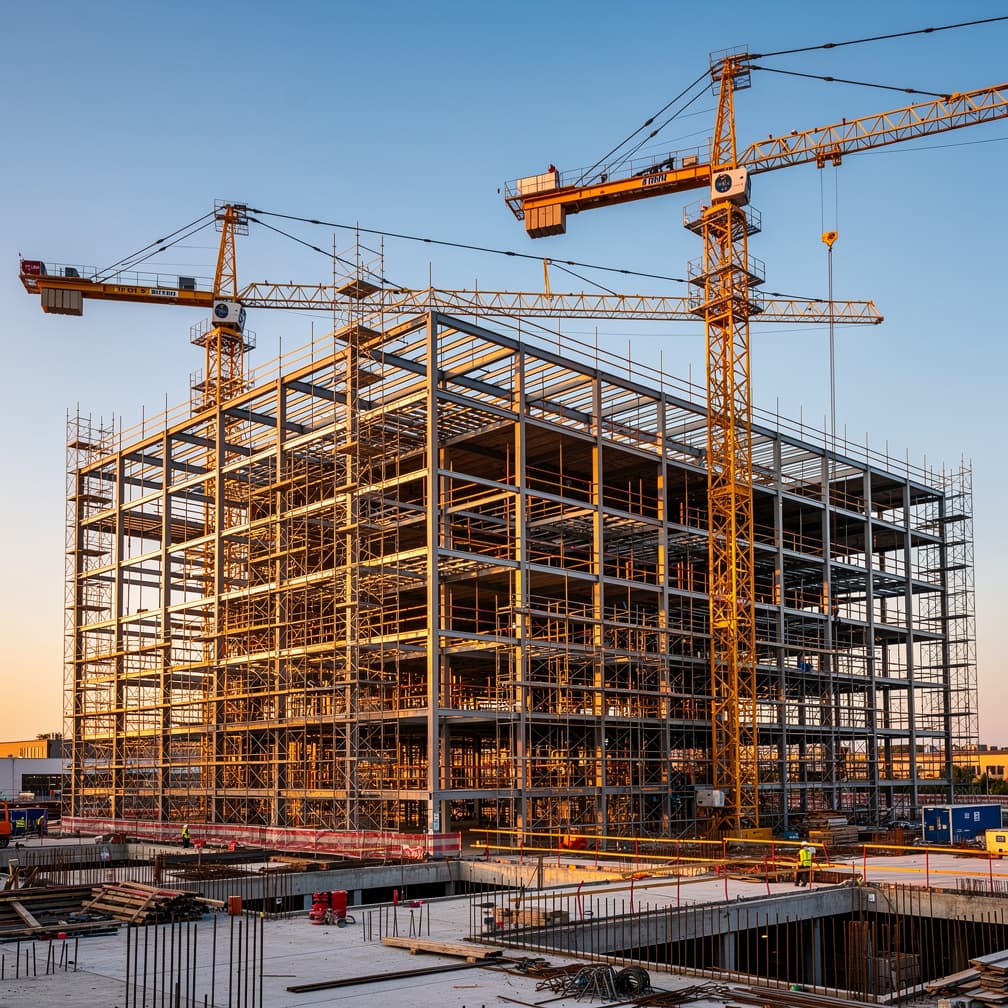
Where property is located before installation, and how exposed the site stays between delivery and enclosure, often shapes the practical coverage review. That is especially important on projects with staged material drops, remote job locations, or renovation work where weather can reach partially completed areas for longer than expected. Instead of treating the policy as a simple box to check, review whether the form addresses temporary storage, materials in transit if needed, and the categories of property that matter to your build sequence.
Look closely at how the policy handles temporary structures, scaffolding, fencing, and similar jobsite property if those items are part of your risk transfer plan. On a project here, site protection can change quickly as conditions shift, so the useful question is not just whether something is covered, but under what terms, limits, and causes of loss. If the project includes custom components, imported finishes, or mechanical equipment with long replacement times, ask how those items are valued after a covered loss and what documentation the carrier expects.
For coastal or weather-sensitive work, it is worth reviewing exclusions and waiting periods with care. A builder, owner, or lender may assume the policy responds one way, while the actual form narrows recovery for certain causes of loss or categories of expense. If your contract pushes delay risk back onto you, ask whether soft costs like lost rental income, additional loan interest, or real estate taxes during delay should be considered. The goal is to match the policy to the build plan, the site conditions, and the contract obligations before work gets too far along.

Structure Coverage
Covers the building or structure under construction.

Materials on Site
Covers building materials stored at the construction site.

Materials in Transit
Covers materials being transported to the job site.
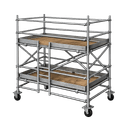
Temporary Structures
Covers scaffolding, fencing, and temporary buildings.

Soft Costs
Covers additional expenses from construction delays due to covered losses.

Equipment Coverage
Covers permanently installed fixtures and equipment.
Builders Risk Insurance Requirements in Maine
- Coastal wind exposure and long open-construction periods can shift both covered causes of loss and deductible structure on projects near the water, while renovations to older buildings create a different exposure than ground-up work, especially when part of the structure remains occupied during construction.
- Remote jobsites may need closer review of material storage, delivery timing, and site security procedures before the policy is bound, and if your build depends on custom components with long replacement times, document valuation and storage details before those items leave the supplier.
How Much Does Builders Risk Insurance Cost in Maine?
Builders risk pricing usually moves with project-specific exposure, and weather timing often changes the underwriting conversation early. A job that runs through harsher seasonal conditions, leaves the structure open longer, or depends on repeated deliveries can draw more scrutiny than a shorter project with faster dry-in and tighter site controls. That is why a useful quote request explains not only the completed value, but also the construction schedule, enclosure milestones, and where materials are stored before installation.
Underwriters may also focus on the type of work, whether this is new construction or a substantial renovation, how much of the existing structure remains, and whether any occupied portion stays open during the job. If the project includes specialty finishes or equipment with long replacement times, that can affect how you should set values and optional coverages.
To shop well, ask each quote to show the same insured value basis, policy term, covered property assumptions, and any soft cost options you want reviewed. If one proposal includes broader property categories or a longer term, it may look more expensive while actually fitting the project better. You should also confirm who is responsible for site security, water shutoff procedures, temporary heat, and material storage, because those operational details can influence both pricing and claim outcomes.
Request a Quote Comparison
Enter your ZIP code to compare builders risk insurance rates from top carriers.
Business insurance starting at $25/mo
Who Needs Builders Risk Insurance?
The right question is less about job title and more about who would absorb the financial hit if a covered loss damages work in place, stored materials, or a project that is not yet complete. That can include an owner building a primary residence, a developer putting up a commercial structure, or an investor renovating an older property where weather intrusion could affect both new work and existing components. If your contract makes you responsible for the project before completion, you should review builders risk early.
General contractors often need to pay close attention because they are coordinating deliveries, sequencing trades, and managing site conditions that can change quickly with the season. A subcontractor may not be the named buyer in most cases, but still needs to know whether the project policy may help protect materials they are expected to furnish and install against covered losses. Lenders also drive the need for a careful review, since financing documents may require evidence that the project is insured for the proper value and term before funds continue to release.
Projects with phased renovations, additions to occupied buildings, or custom homes can create especially important questions about who insures what. If the owner assumes the builder is handling it, and the builder assumes the owner is placing the policy, the gap may not show up until after a loss. The Maine Bureau of Insurance is the state's insurance regulator, so if you are comparing forms or trying to understand policy language, you can contact them to ask about licensing, complaint options, or whether a particular endorsement is standard. Before work starts, identify the named insured, any additional insured or loss payee requirements, the covered property categories, and the exact point when responsibility shifts from one party to another.
Builders Risk Insurance by City in Maine
Builders Risk Insurance rates and coverage options can vary across Maine. Select your city below for localized information:
How to Buy Builders Risk Insurance
Buying builders risk correctly starts with lining up the insurance request to the actual job file. Pull the signed contract, lender requirements, plans, specifications, draw schedule, and construction timeline into one package before you ask for terms. That lets you show who is responsible for insuring the project, what value should be carried, when the work begins, and how long the site is expected to remain under construction. If the project is seasonal or likely to extend through winter conditions, say that up front instead of hoping the original schedule holds.
Next, build the submission around the site itself. Include the address, whether the job is coastal or inland, whether this is new construction or renovation, how the site is secured, and where materials are stored before installation. If any part of the structure remains occupied, explain that clearly. If the project depends on custom windows, millwork, mechanical equipment, or other specialty items, note when they are ordered, where they are stored, and when they are expected on site. Those details help the quote reflect the real exposure instead of a generic construction summary.
Then compare proposals line by line. Check the insured value, policy term, covered property categories, causes of loss, deductible structure, and any optional soft cost or delay-related coverage under review. Confirm the named insured, lender loss payee wording, and any parties the contract requires to be included. Before binding, ask what happens if the completion date slips, if values increase, or if the scope changes mid-project. A short call to resolve those points before work advances is usually easier than trying to fix a mismatch after a loss.
How to Save on Builders Risk Insurance
Saving on builders risk usually comes from making the project easier to evaluate and less exposed to preventable loss, not from stripping the policy down to the thinnest form. Start by giving accurate values for the completed project, major materials, and any property stored off site or delivered in phases. If the numbers are vague, the quote can come back with assumptions that either raise the price or leave you underinsured when a claim happens.
A realistic schedule also helps. If the build is likely to run into harsher weather, show the actual timeline and the steps you take to protect the site during open construction, temporary heat use, and periods when crews are not present. Underwriters generally respond better to a candid schedule with clear controls than to an optimistic completion date that later needs repeated extensions. Explain water damage prevention steps, lockup procedures, lighting, fencing, and how quickly the structure will be dried in after framing or roof work begins.
Another way to control cost is to avoid buying broader terms than the project needs while still protecting the exposures that matter. For example, review whether soft costs, temporary structures, or stored materials should be included based on the contract and financing terms, rather than adding every option by default. Standardizing the quote request across carriers also helps you compare real differences. Ask each proposal to use the same value basis, term, and project description, so you can see whether a lower premium reflects stronger underwriting confidence or simply narrower assumptions that could cost more later if the job changes or a loss interrupts the schedule.
Our Recommendation for Maine
For projects here, treat the construction calendar as a coverage issue, not just an operations issue. If the job may cross into colder, wetter, or windier periods, ask how the policy handles extensions, partial occupancy, and materials that sit before installation. A quote built on an ideal timeline can become the wrong fit once the schedule slips.
You should also review the site address with more precision than many buyers expect. Coastal exposure, remote access, and renovation of older structures can each change how underwriters view the risk. If the project includes custom components or specialty equipment, document purchase orders, storage locations, and delivery timing before binding. That gives you a cleaner path if a covered loss affects property before it is installed.
Finally, compare forms with the contract in front of you. Confirm who buys the policy, who must be named, what value standard applies, and whether lender requirements add any wording you need to satisfy. If the project is phased, ask when one phase ends and the next begins for insurance purposes. Those details often matter more than a small premium difference, especially on a build where delays and weather can turn a minor mismatch into a costly dispute.
FAQ
Frequently Asked Questions
The buyer is usually the party the contract makes responsible for insuring the project, often the owner or general contractor. Review the agreement, lender requirements, and named insured wording before work starts so responsibility is clear.
Projects are usually easier to place when the insured value matches the contract and draw schedule. If values are understated, a claim can become harder to settle the way you expect, especially on phased or custom work.
Coastal projects often need a closer review of weather exposure, material storage, and how long the structure stays partially enclosed. Those details can change underwriting terms, deductibles, and the practical fit of one quote versus another.
Renovation projects can often be insured, but the submission should explain what existing structure remains, whether any area stays occupied, and how new work is separated from old. That detail helps avoid a quote built on the wrong assumptions.
Buyers usually get better quotes by submitting the contract, project address, plans, timeline, lender requirements, and completed value together. If materials are stored off site or delivered in phases, include that information from the start.
Insurance questions fall under the Maine Bureau of Insurance. If you are comparing policy language, endorsements, or complaint options, use the actual form and contract wording as your reference point before you bind coverage.
Projects that run past the original completion date should be reviewed before the policy term becomes a problem. Ask early how extensions are handled, what updated values are needed, and whether seasonal conditions change the underwriting view.
Builders risk insurance may cover, subject to policy terms, the structure under construction, materials on site, materials in transit, temporary structures, and fixtures or equipment being installed. Depending on the policy, you can also review soft costs and delay-related coverage tied to a covered property loss.
Sources
- 1.Maine Bureau of Insurance(The Maine Bureau of Insurance is the state's insurance regulator.)
Updated July 16, 2026