Updated July 16, 2026

Key Takeaways
- Review your construction contract before requesting a quote, so the named insureds and insurance responsibility match the job documents.
- Prepare the project budget, timeline, address, and scope summary before applying, so the quote reflects the work actually being built.
- Check whether the policy addresses on-site materials, transit, temporary structures, and soft costs before the first delivery arrives.
- Compare the policy term against your realistic completion schedule, then ask about extension options before the original term gets close to expiring.
- Map builders risk against your liability, installation, and equipment policies, so you avoid both coverage gaps and overlapping property insurance.
Builders Risk Insurance in Maryland
Your Maryland construction contract often decides the builders risk question before work starts. It spells out who carries the policy, which parties must be named, what property has to be included, and when coverage needs to begin. Satisfying that expectation usually means matching your policy to the contract schedule of values, the project address, the draw timeline, and the parties with an insurable interest before materials are delivered or financed. That review matters even more on Maryland jobs that can shift quickly from site prep to framing, renovation, or interior build-out, because the property at risk changes as the work progresses.
You also want the policy language and endorsements reviewed with Maryland-specific oversight in mind, especially if your lender, owner, or general contractor expects clean documentation and prompt certificates. If a policy form, cancellation question, or claims handling issue needs clarification, it helps to know where state oversight sits before you bind coverage. Start by lining up the contract, budget, and construction schedule.
What Builders Risk Insurance Covers
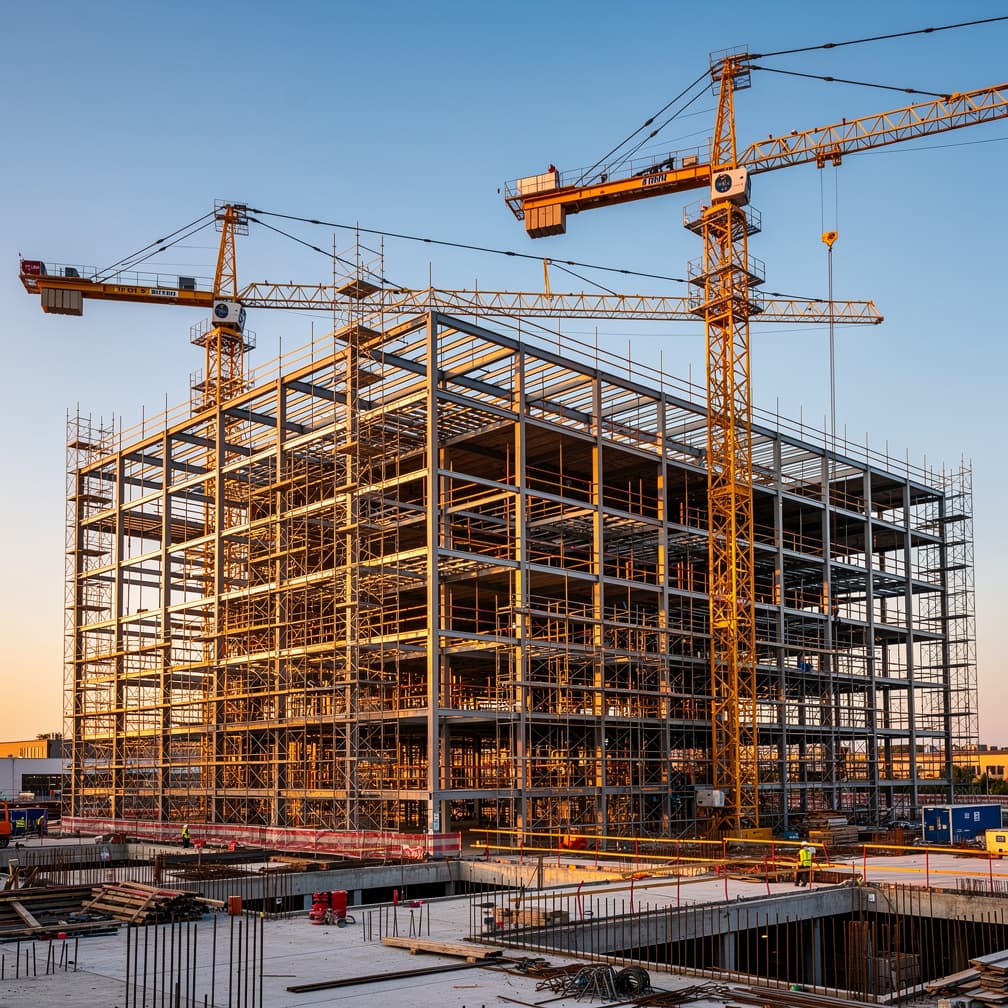
In Maryland, the useful question is which property on this specific job needs to be scheduled, valued, and documented so a loss does not stall the project or disrupt financing. On a ground-up build, that usually means reviewing the structure as it rises, temporary works that support the job, and materials that are intended to become part of the finished project. On an addition or major renovation, you also need to separate what is existing property, what is new work, and which party is responsible for each category under the contract.
That distinction matters on Maryland projects where occupied buildings stay in service during phased work. If tenants, staff, or operations remain on site, you should ask where your policy stops and where the property policy for the existing structure begins. If materials are stored off site, in transit, or delivered in stages to a tight urban or infill location, request a clear review of how those exposures are treated and whether sublimits or conditions apply.
You should also look closely at soft-cost and delay-related exposures if your financing, lease-up, or opening date depends on the construction schedule. A weather event, theft, or jobsite fire can create more than direct physical damage. It may also affect interest carry, extra professional fees, and the timing of downstream obligations. The right next step is to compare the contract requirements against the covered property definitions, exclusions, valuation method, and any endorsements tied to installation, renovation, or phased occupancy.

Structure Coverage
Covers the building or structure under construction.

Materials on Site
Covers building materials stored at the construction site.

Materials in Transit
Covers materials being transported to the job site.
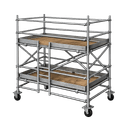
Temporary Structures
Covers scaffolding, fencing, and temporary buildings.

Soft Costs
Covers additional expenses from construction delays due to covered losses.

Equipment Coverage
Covers permanently installed fixtures and equipment.
Builders Risk Insurance Requirements in Maryland
- Maryland renovation projects in occupied buildings need a careful line between existing property and the new work being put in place.
- If your job uses off-site storage or staged deliveries, ask how materials are treated before they reach the project address.
- Projects with lender oversight in Maryland often need exact loss payee and named insured wording, not a generic certificate alone.
- If occupancy changes during construction on a project, review the policy term and endorsements before that shift occurs.
How Much Does Builders Risk Insurance Cost in Maryland?
Builders risk pricing in Maryland is driven by the job itself, so the quote process works best when you present a complete underwriting picture instead of asking for a generic rate. Carriers usually want the completed value, construction type, project term, site security, loss history, and a clear description of whether the work is new construction, tenant improvement, or renovation. If the project includes existing structures, partial occupancy, or owner-supplied materials, those details can change how the risk is evaluated and what terms are offered.
Maryland projects often need extra attention to timing and logistics. A short interior build-out with controlled access is underwritten differently from a long-duration project with multiple trades, stored materials, and changing subcontractor activity. The quote can also move if your contract requires broader named insured language, lender loss payable wording, or added protection for materials before installation. If your schedule is aggressive, be ready to explain procurement lead times and how you can help protect high-value items once they arrive.
To get a usable number, submit the project address, start and completion dates, total completed value, construction budget, and a copy of the contract insurance requirements together. If you are comparing options, review more than the premium. Check valuation, covered property definitions, deductibles, causes of loss, extension terms, and whether the policy can be amended cleanly if the job scope or completion date changes.
Request a Quote Comparison
Enter your ZIP code to compare builders risk insurance rates from top carriers.
Business insurance starting at $25/mo
Who Needs Builders Risk Insurance?
In Maryland, the party that should review builders risk first is the party the contract makes responsible for insuring the work. That can be the owner, a general contractor, or a developer managing the project entity, and the answer can change from one job to the next. If you have money tied up in the structure, materials, or draw schedule, you have a reason to verify how the policy is written and whose interests are actually protected.
Owners should pay close attention when lender requirements, phased occupancy, or renovation of an existing building create overlapping responsibilities, because a gap between the builders risk policy and the property policy can leave damage to the existing structure uninsured. A contractor may control the site day to day, but the owner may still carry the larger financial exposure if a covered loss delays completion or interrupts a planned turnover. General contractors should review the policy when they are expected to coordinate multiple trades, secure the site, or satisfy owner and lender documentation requirements. Developers and project managers should review it when they are responsible for keeping financing, construction milestones, and closing dates aligned.
Subcontractors usually do not buy the main builders risk policy for the whole project, but they still need to know whether their materials, installed work, or temporary property are addressed elsewhere. That is especially important if they are delivering specialty items, storing materials before installation, or working under a contract that shifts risk in a specific way. The practical next step is to map every party with a financial stake in the job, then compare that list against the contract and the proposed policy wording before construction funds are committed.
Builders Risk Insurance by City in Maryland
Builders Risk Insurance rates and coverage options can vary across Maryland. Select your city below for localized information:
How to Buy Builders Risk Insurance
Buying builders risk correctly in Maryland starts with document collection, not guesswork. Pull the construction contract, lender insurance requirements, project budget, schedule of values, site address, and expected start and completion dates, then identify who must be named on the policy, who needs evidence of coverage, and whether the job involves new construction, renovation, tenant improvement, or phased work in an occupied building. Those details shape the application and prevent last-minute revisions that can delay closing or mobilization.
Next, prepare a clean project narrative for the underwriter. Explain the scope of work, construction type, security controls, material storage plan, and whether any critical components will be stored off site or delivered long before installation. If the project has a hard opening date, financing milestone, or owner-furnished equipment, include that up front. A complete submission usually gets better questions and a more usable quote than a bare application with missing values.
Before binding, compare the quote to the contract line by line. Confirm the named insureds, mortgagee or loss payee wording, covered property categories, deductible structure, policy term, and any extension options if the schedule slips. Maryland buyers should also know the state regulator that oversees the market. If you need to verify a licensing, form, or complaint-handling question, you know where the Maryland Insurance Administration sits. Bind only after the policy terms match the job documents and every required party has reviewed the evidence of coverage.
How to Save on Builders Risk Insurance
The most effective way to lower builders risk cost in Maryland is to remove uncertainty from the submission. Underwriters price unknowns conservatively, so a project with vague values, incomplete plans, or unclear responsibility for stored materials often costs more than a similar job with organized documentation. Start by tightening the completed value, construction timeline, and scope description. If the work is a renovation, separate existing property from new work clearly so the carrier does not have to assume a broader exposure than intended.
You can also improve pricing by showing how the site will be managed. Describe fencing, lighting, access control, water shutoff procedures, housekeeping standards, and how high-value materials will be protected before installation. If the project will be vacant for part of the term or if occupancy changes during construction, disclose that early and explain the controls in place. Surprises discovered after binding can create endorsement costs, coverage disputes, or both.
Contract discipline helps too. If the agreement is clear about who insures the project, which parties need to be named, and how risk transfers among owner, contractor, and subcontractors, the policy can usually be structured with fewer revisions. That saves time and often avoids paying for endorsements that could have been handled correctly at the start. When you compare quotes, do not chase a lower premium by accepting narrower covered property wording or a deductible that would strain the project budget after a loss. Ask for side-by-side terms, then choose the option that fits the real exposure and administrative demands of your job.
Our Recommendation for Maryland
For Maryland projects, start every builders risk review with three documents on the table at the same time: the contract, the schedule of values, and the construction timeline. If those do not match, the policy usually ends up doing the wrong job. A lender may expect completed value protection, while the contractor is thinking only about work in place and delivered materials. That gap is where claim disputes and closing delays start.
If your project involves renovation, partial occupancy, or owner-furnished items, ask for those exposures to be addressed explicitly instead of assuming they fit standard wording. Maryland jobs in older buildings and active commercial spaces often create exactly that kind of gray area. You should also decide early how off-site storage, transit, and delayed installation will be handled, especially for specialty materials with long lead times.
Before binding, request a final coverage check against the certificate requirements in the contract. Confirm names, addresses, dates, and insurable interests while there is still time to correct them. Then set a calendar reminder to review the policy before any major change order, schedule extension, or occupancy shift. That simple discipline can prevent a policy written for one phase of the job from being left in place after the risk has materially changed.
FAQ
Frequently Asked Questions
In Maryland, the contract usually decides who buys builders risk, often the owner or general contractor. Review the insurance section first, then confirm the policy names every party with a financial interest in the work before the job starts.
Maryland projects with construction financing usually need the policy to match lender wording, values, and timing. If the quote does not align with the loan documents, funding or closing can be delayed while endorsements are revised.
Maryland renovation jobs work best when you separate existing property from new construction in the submission. That helps the carrier evaluate the actual exposure and reduces confusion about which policy responds if damage affects occupied portions of the building.
Maryland builders risk should be reviewed as soon as the completion date moves. If the term, values, or occupancy assumptions change, ask for an endorsement review before the original policy structure no longer matches the job.
Maryland insurance questions about licensing, forms, or complaint handling can be checked with the state regulator. If you need to escalate a policy or claims concern, contact the Maryland Insurance Administration for current guidance.
Maryland projects often involve staged deliveries and off-site storage, but treatment depends on the policy terms. Ask specifically how stored materials, transit, and delayed installation are handled so the quote reflects your actual logistics.
Maryland occupied renovation work often needs a coordinated review of builders risk and the existing property policy. One policy should not be assumed to handle every exposure unless the wording clearly addresses the occupied building and the new work.
Builders risk insurance may cover, subject to policy terms, the structure under construction, materials on site, materials in transit, temporary structures, and fixtures or equipment being installed. Depending on the policy, you can also review soft costs and delay-related coverage tied to a covered property loss.
Sources
- 1.Maryland Insurance Administration(The Maryland Insurance Administration is the insurance regulator in Maryland.)
Updated July 16, 2026