Updated July 16, 2026

Key Takeaways
- List every towing and transport service you perform before requesting quotes, so loading, unloading, winching, and recovery exposures are reviewed correctly.
- Compare the on-hook limit, deductible, valuation method, and exclusions side by side instead of choosing a policy on premium alone.
- Ask in writing whether your policy addresses the specific vehicles you tow most often, especially specialty, modified, low-clearance, or higher-value units.
- Use pre-tow photos, condition notes, and signed release procedures on every job to reduce disputes and support claims handling.
- Review on-hook coverage together with auto liability and any garagekeepers coverage before renewal to catch gaps between transport and storage.
On-Hook Towing Insurance in Michigan
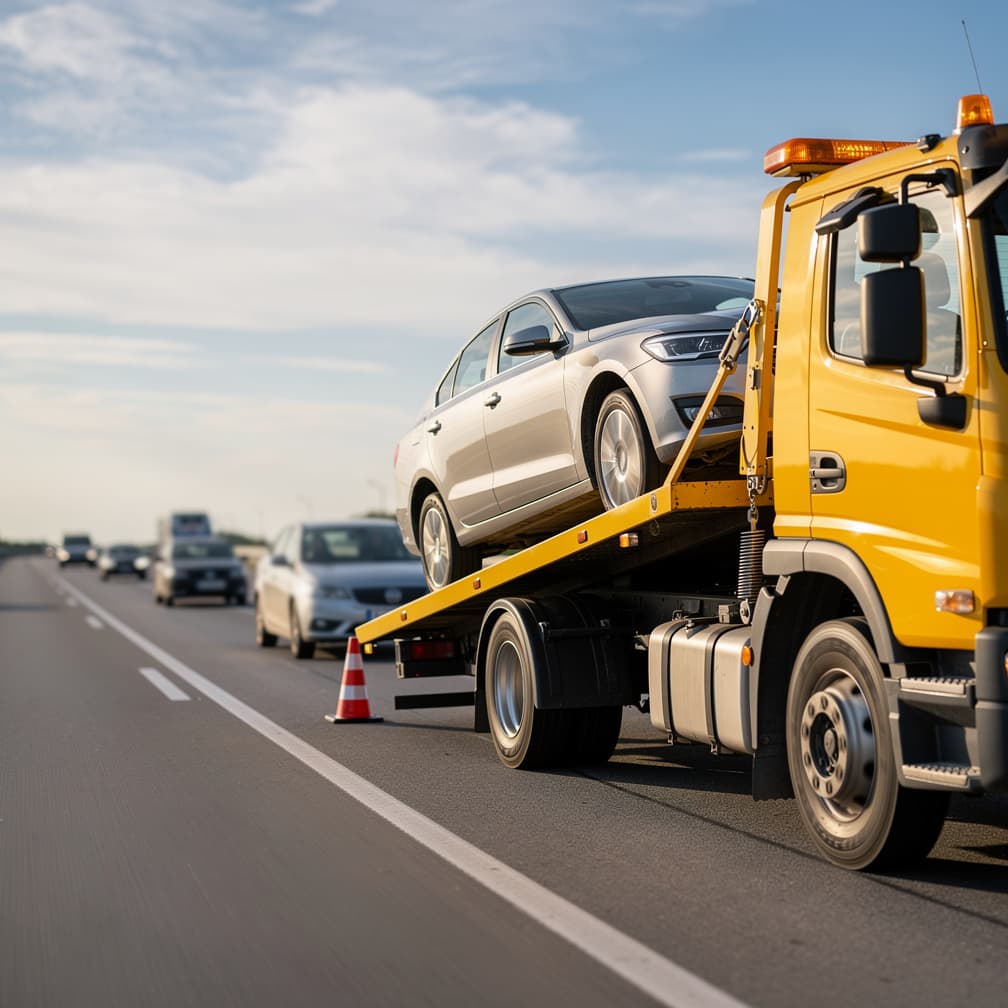
Do you need a separate policy review for on-hook towing insurance, or can you rely on the rest of your towing package? In most cases, you should review it separately. The loss scenario changes once a customer vehicle is attached, winched, lifted, or riding your bed. This coverage matters most when your daily work mixes roadside calls, police rotations, private property impounds, recovery jobs, dealer transfers, and longer transports across changing road and weather conditions.
If one unit mainly handles wheel-lift calls in tight urban lots and another spends more time on flatbed transport, those details can change the limits, deductibles, and claim questions worth reviewing. Snow, ice, and reduced visibility raise practical underwriting questions about loading surfaces, tie-down procedures, and after-hours dispatch. Before you renew, line up your truck list, service mix, radius, storage setup, and driver routines so you can ask for terms that match the way your operation really moves vehicles.
What On-Hook Towing Insurance Covers
What matters is how carefully your policy terms line up with the jobs your trucks actually accept. That means reviewing how the insurer treats wheel-lift work versus flatbed work, whether loading and unloading language is clear, and how claim handling may differ when a vehicle is disabled, already damaged, stuck, or recovered from a difficult position.
In practice, many disputes start with condition questions. What damage existed before hookup, what happened during winching, and whether the driver followed a documented securement routine all come into play. Your policy review should focus on those operational pressure points.
Winter weather adds another layer. Snow, ice, standing water, and reduced visibility can turn a routine tow into a higher-severity claim if a vehicle shifts, slides, or makes contact during loading or unloading. Your procedures, driver training, and documentation matter more when you ask an agent to structure limits and deductibles.
You should also review how on-hook terms fit with the rest of your towing package so there are fewer surprises between roadside work, storage exposures, and liability claims. Ask for specimen wording or a plain-language explanation of what situations are included, what conditions apply, and what records you should keep in every truck before the next renewal decision.
Collision on Hook
Covers damage to towed vehicles from collisions during transport.
Comprehensive on Hook
Covers theft, fire, and weather damage to vehicles being towed.
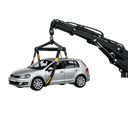
Loading & Unloading
Covers damage during the process of loading and unloading vehicles.
Winching Coverage
Covers damage to vehicles during winching and recovery operations.
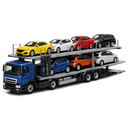
Multiple Vehicle
Covers all vehicles on multi-car carriers and rollback flatbeds.
On-Hook Towing Insurance Requirements in Michigan
- Michigan's no-fault insurance framework means that claims involving customer vehicles in transit can interact with PIP coverage in ways that complicate damage disputes. Underwriters familiar with the state will look for clear documentation of vehicle condition before and after transport to separate towing damage from pre-existing issues.
- If your operation mixes urban roadside calls with longer intercity transports, ask for terms that reflect those different handling conditions. Private property impounds, police rotation work, and post-accident recoveries can create different documentation expectations, so your policy review should track those job types separately.
How Much Does On-Hook Towing Insurance Cost in Michigan?
For a towing company, the price discussion should stay tied to claim severity and operating detail, not a generic towing average. Underwriters usually want to know what kinds of vehicles you move, whether you use flatbeds, wheel-lifts, or both, how often you handle accident recovery, whether you perform impounds or repossessions, and how far units travel on a typical dispatch. A truck doing controlled dealer transfers is usually reviewed differently from a truck taking night calls in bad weather with uncertain vehicle condition at pickup.
Your requested limit is one of the biggest cost drivers because on-hook claims can involve newer vehicles, specialty units, or multiple points of damage alleged after transport. Deductible choice also changes the quote. A higher deductible can reduce premium, but only if your business can absorb that out-of-pocket amount without disrupting cash flow after a claim. If not, a lower deductible may be the more practical choice even if the premium is higher.
Operating conditions can also affect pricing conversations. If your drivers regularly load on icy shoulders, in apartment lots, or in low-visibility winter conditions, the insurer may look closely at training, dispatch controls, photo documentation, and securement procedures. Those details help explain why two towing businesses with similar truck counts can see very different terms. When you request pricing, send a complete service profile, current loss history, truck schedule, and driver information so the quote reflects your real exposure instead of broad assumptions. The Michigan Department of Insurance and Financial Services regulates insurers in the state. Before comparing quotes, you can use their public complaint records to check how a carrier has handled prior disputes with other towing operators.
Request a Quote Comparison
Enter your ZIP code to compare on-hook towing insurance rates from top carriers.
Business insurance starting at $25/mo
Who Needs On-Hook Towing Insurance?
The businesses that should review on-hook terms closely are not limited to companies that market themselves only as towing services. If you take possession of customer vehicles during transport and your work includes roadside assistance, recovery, impounds, dealer moves, auction runs, repossessions, municipal work, or specialty hauling, you should confirm how the policy responds to the exact way those vehicles are handled.
This matters most for operators with mixed fleets and mixed dispatch patterns. A business that uses one flatbed for scheduled transport and another unit for urgent roadside calls has different exposure by truck, by driver, and by job type. If you rotate drivers across units or shift from daytime transport to after-hours calls, your insurance review should reflect that operational reality. The same is true if you subcontract overflow work or accept jobs outside your usual radius during storms or busy weekends.
Michigan-specific need often shows up in the conditions around the tow rather than the tow itself. Winter loading, reduced shoulder space, apartment complexes, parking garages, and post-accident recoveries all create more room for disagreement about when damage happened and who is responsible. If your drivers regularly work in those conditions, stronger documentation and a more tailored on-hook review are usually worth the effort.
You should also revisit this coverage if your business is changing. New service contracts, police rotation participation, expanded impound work, longer transport routes, or a shift into higher-value vehicles can all justify a fresh quote.
On-Hook Towing Insurance by City in Michigan
On-Hook Towing Insurance rates and coverage options can vary across Michigan. Select your city below for localized information:
How to Buy On-Hook Towing Insurance
To buy this coverage well, start by turning your operation into an underwriting file that an insurer can evaluate quickly and accurately. List each truck, how it is equipped, what services it performs, and which drivers use it. Separate flatbed transport from wheel-lift roadside work if those exposures are materially different. If one unit handles recoveries or impounds more often, say so clearly instead of blending everything into one towing description.
Next, document where claims are most likely to start. That usually means your loading and unloading process, securement steps, photo routine, dispatch notes, and any pre-tow condition checklist your drivers use. In Michigan, that file is especially helpful if your crews work through snow, ice, low light, or tight urban access points where a later damage dispute can turn on small details.
Then ask targeted questions, not just for a price. Ask how the policy treats disabled vehicles with pre-existing damage, whether there are different expectations for flatbed and wheel-lift operations, how deductibles apply, and what records the insurer expects after a loss. If you perform impounds, repossessions, or recovery work, make sure those services are disclosed and reviewed rather than assumed.
Before binding, compare quote terms side by side. Look at limits, deductibles, exclusions, service descriptions, and any conditions tied to drivers or equipment. If language is vague, ask for clarification in writing.
Request a quote through CPK Insurance to compare your options with participating licensed providers.
How to Save on On-Hook Towing Insurance
The most reliable way to lower the cost of this coverage is to make your operation easier to underwrite and easier to defend after a claim. Start with truck-by-truck accuracy. If a unit is used mainly for scheduled transport, do not describe it the same way as a truck that handles recoveries, impounds, and after-hours roadside calls. Better classification can prevent you from paying for exposure that does not fit every vehicle in the fleet.
Documentation is the next savings lever. Require time-stamped photos before hookup, during loading when practical, after securement, and at delivery. Keep dispatch notes, destination records, and driver statements organized. In Michigan conditions, especially during snow and ice season, those records can matter as much as the physical damage itself because they help show vehicle condition and handling steps. Cleaner claim files can support better renewal conversations.
Driver routines also affect cost over time. Standardize securement procedures, backing protocols, winching practices, and handoff documentation. If you use newer drivers, pair them with experienced operators on more complex jobs until their file supports broader assignments. A preventable loading loss can cost more in future pricing than the immediate deductible.
You can also save by reviewing limits and deductibles against the vehicles you actually tow, not the vehicles you used to tow. If your mix has changed, your old structure may no longer fit. Ask for quotes with more than one deductible option and compare the premium difference against what your business can realistically absorb after a claim. That gives you a savings decision based on cash flow, not guesswork.
Our Recommendation for Michigan
For towing operators, the smartest buying move is to treat on-hook as a claims-handling decision, not just a line item. Ask yourself where disputes would start in your business. If the answer is winter loading, post-accident recovery, apartment complex pickups, or mixed flatbed and wheel-lift work, your quote should be built around those facts.
Review three things before renewal. First, tighten your photo and condition-report routine so every driver documents the vehicle before movement. Second, test your deductible against a real-world claim scenario, because a lower premium is not helpful if the deductible strains operating cash. Third, ask for clear wording around the jobs that create the most friction, especially recoveries, impounds, and vehicles with pre-existing damage. If the explanation feels vague, keep asking until you can picture how a claim would be reported and evaluated. You are not looking for broad promises. You are looking for terms, records, and procedures that still hold up when a customer challenges damage after the tow.
FAQ
Frequently Asked Questions
Yes. Towing liability and on-hook coverage address different loss scenarios. Liability responds to third-party claims, while on-hook may cover damage of the customer vehicle while it is in your care.
Snow and ice can change how underwriters look at loading, securement, visibility, and driver procedures. If your crews work in those conditions, provide clear documentation practices and service details so the quote reflects how claims are more likely to develop.
Buyers should send a truck schedule, service breakdown, driver list, loss history, and written loading and photo procedures. That gives the agent enough detail to separate flatbed transport from wheel-lift roadside work and ask for terms that fit each exposure.
Fleets often benefit from a closer review when flatbeds and wheel-lifts handle different job types. If one unit moves dealer vehicles and another handles urgent roadside or recovery work, ask whether your limits and deductibles still fit the vehicles each truck actually moves.
Michigan insurance companies are regulated by the Michigan Department of Insurance and Financial Services. If you want consumer information while comparing quotes, that is the state agency to check for oversight resources and complaint information.
Operators should not assume that. Impounds and recoveries can create different claim questions than scheduled transport, especially around vehicle condition and handling difficulty, so disclose those services clearly and ask for policy terms that address them directly.
Towing businesses often make the process harder by describing the whole fleet with one generic service label. If your trucks do different work, separate those exposures before quoting so the insurer does not price or restrict the policy based on incomplete assumptions.
On-hook towing insurance may cover damage to a customer vehicle while it is being loaded, attached, carried, winched, or unloaded by your tow truck, depending on the policy terms. Buyers should review collision, fire, theft, weather, and loading-related damage carefully.
Sources
- 1.Michigan Department of Insurance and Financial Services(The regulator you may check for insurance company and consumer information is the Michigan Department of Insurance and Financial Services.)
Updated July 16, 2026