Updated July 16, 2026

Key Takeaways
- List every towing and transport service you perform before requesting quotes, so loading, unloading, winching, and recovery exposures are reviewed correctly.
- Compare the on-hook limit, deductible, valuation method, and exclusions side by side instead of choosing a policy on premium alone.
- Ask in writing whether your policy addresses the specific vehicles you tow most often, especially specialty, modified, low-clearance, or higher-value units.
- Use pre-tow photos, condition notes, and signed release procedures on every job to reduce disputes and support claims handling.
- Review on-hook coverage together with auto liability and any garagekeepers coverage before renewal to catch gaps between transport and storage.
On-Hook Towing Insurance in Minnesota
At some point, a storage lot agreement, police rotation paperwork, or lender transport account will ask for proof that a customer vehicle is protected while your truck is moving it. That is when this coverage becomes a real underwriting decision. You need limits that match the vehicles you actually tow, territory that fits where your calls happen, and policy language that does not leave you arguing over a damaged pickup, SUV, or work van after loading or unloading.
Minnesota weather also changes how claims happen. A routine hookup, winch-out, or bed transfer can become a disputed loss if your file is thin or your coverage assumptions are wrong. A useful quote review in this state focuses on your dispatch pattern, your storage setup, your driver procedures, and the kinds of vehicles that create the biggest severity if something shifts, strikes, or is damaged during the tow.
What On-Hook Towing Insurance Covers
In Minnesota, the practical review is not whether on-hook coverage exists, but how your policy responds to the way your trucks actually work through winter roads, storm cleanups, apartment impounds, dealer transfers, and after-hours roadside calls. If your operation mixes flatbeds, wheel-lifts, and recovery work, ask the agent to walk through each service line and show where a claim would be evaluated while the vehicle is attached, carried, winched, or being set down.
The Minnesota Department of Commerce regulates insurance in the state, which means forms and endorsements filed there are what you should compare when you shop. That matters most when you are deciding how broad you want the wording around loading, unloading, hookup, and transport to be.
Ask how the policy treats a low-clearance vehicle scraping during loading, a pickup shifting on an icy incline, or a disabled vehicle taking additional damage during a storm response tow. Then verify whether your chosen limit is meant for the most valuable unit you may move, not just the average roadside call. If your work includes municipal, law-enforcement, property-management, or finance-company accounts, request specimen wording before you sign the contract so you can compare the insurance requirement to the actual policy language.
Collision on Hook
Covers damage to towed vehicles from collisions during transport.
Comprehensive on Hook
Covers theft, fire, and weather damage to vehicles being towed.
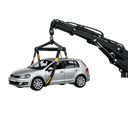
Loading & Unloading
Covers damage during the process of loading and unloading vehicles.
Winching Coverage
Covers damage to vehicles during winching and recovery operations.
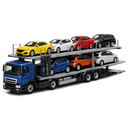
Multiple Vehicle
Covers all vehicles on multi-car carriers and rollback flatbeds.
On-Hook Towing Insurance Requirements in Minnesota
- Minnesota winter conditions can turn loading and unloading into the most disputed part of a claim, so policy wording and documentation procedures should be reviewed together.
- If your dispatch mix changes during snowstorms or severe weather, tell the underwriter how often your trucks move from routine towing into recovery-style work.
- If your operation stores vehicles after a tow, clarify where on-hook exposure ends and where any separate storage-related exposure begins.
How Much Does On-Hook Towing Insurance Cost in Minnesota?
For Minnesota operators, the useful way to think about cost is claim severity and claim defensibility. A quote changes based on the vehicles you handle, whether you run flatbeds or wheel-lifts, how often you do recovery work, where your trucks travel, and whether your files make a disputed damage claim easier or harder to resolve. If one truck mainly handles dealer moves and another takes night roadside calls in winter conditions, those exposures should be described separately instead of blended into one vague application.
Your territory matters because urban towing, highway work, rural recovery, and long-distance transport create different loss patterns. So does the mix of private impounds, accident scenes, repossessions, and scheduled transport. If you store vehicles before release, underwriters may also want a clearer picture of where custody changes hands, because that affects how a claim is assigned and defended.
Severe conditions can increase the chance that a customer disputes when damage happened, whether it occurred during hookup, while on the bed, or after arrival. That is why the lowest-priced quote is often not the most usable one. Ask for a side-by-side comparison of limits, deductibles, covered towing activities, and excluded situations. For example, ask whether the policy excludes damage from winching out of a ditch, or whether it may only pay if the vehicle is strapped down on the bed. You are buying a claims position, not just a certificate.
Request a Quote Comparison
Enter your ZIP code to compare on-hook towing insurance rates from top carriers.
Business insurance starting at $25/mo
Who Needs On-Hook Towing Insurance?
In Minnesota, this coverage deserves a closer look any time your business takes custody of vehicles in conditions where damage allegations can become fact-specific very quickly. That includes operators handling winter roadside assistance, apartment and retail impounds, accident recovery after storms, dealer and auction transport, and lender-directed moves where the vehicle condition may already be disputed before your driver arrives.
You should also review it if your company is expanding beyond simple point-to-point towing. A shop that occasionally picks up disabled customer vehicles, a transport operator that uses a rollback for local moves, or a recovery contractor that winches vehicles out of snowbanks can all create on-hook exposure even if towing is not the only service on the invoice. The key question is whether a customer vehicle is in your care during the tow process and whether your business could be blamed for damage that happens then.
Minnesota-specific buying pressure often comes from contracts. Property managers, municipalities, lenders, auctions, and commercial accounts may ask for proof of coverage before they assign work. If your operation serves multiple account types, do not assume one limit or one wording fits all of them. Review the largest vehicle values you may move, the roughest conditions your drivers face, and the handoff points where disputes usually start. If your current policy was built around light-duty roadside towing and you now handle heavier pickups, vans, or more recovery work, that is a good reason to re-quote before the next renewal.
On-Hook Towing Insurance by City in Minnesota
On-Hook Towing Insurance rates and coverage options can vary across Minnesota. Select your city below for localized information:
How to Buy On-Hook Towing Insurance
Start your Minnesota quote process with a service map that is specific enough for an underwriter to picture a real week of dispatches. Break out roadside towing, accident recovery, private property impounds, police or municipal work, dealer transfers, repossessions, transport, and winch-outs. Then identify which trucks do which jobs, what vehicle types they move, and whether those jobs change during winter weather or storm events.
Next, gather the documents that make your operation easier to underwrite. That usually means a current vehicle schedule, driver list, loss runs if available, sample contracts that require insurance, and a written description of your loading and unloading procedures. If you use photos, walkaround checklists, timestamped dispatch records, or signed condition reports, include that in the submission. Those details help an underwriter understand how you prevent and defend claims, especially when a customer alleges damage after a difficult tow.
Then ask for a quote review built around scenarios, not just premiums. Have the agent show how the policy addresses loading, transport, unloading, recovery work, and any service that could fall into a gray area. Confirm the territory, the limit per vehicle, the deductible, and any exclusions that matter to your actual dispatch pattern. That step is especially important in Minnesota if your work shifts with weather, because the hardest claims are often the ones where everyone remembers the conditions differently after the fact.
Request a quote through CPK Insurance to compare your options with participating licensed providers.
How to Save on On-Hook Towing Insurance
The most reliable way to lower your Minnesota towing insurance friction is to make each claim easier to reconstruct. Start with intake and release documentation. Use consistent pre-tow and post-tow photos, note existing damage, record wheel position and attachment method, and keep timestamps tied to dispatch records. In snow, ice, or storm conditions, that file can matter as much as the policy itself when a customer disputes what happened.
You can also save by separating exposures clearly. If one truck handles routine dealer or shop moves and another handles recoveries, impounds, or after-hours roadside calls, ask for that difference to be reflected in the submission. The more precisely you describe each unit's work, the less likely your quote is built around worst-case assumptions for the whole fleet.
Driver controls matter too. Written loading procedures, bed-angle guidelines, spotter rules, training on low-clearance vehicles, and documented incident reporting can all strengthen your account. If you subcontract overflow work, review how that is disclosed and how responsibility is assigned, because unclear handoffs can create expensive disputes.
Finally, shop the structure, not just the number. A lower premium can cost more later if the deductible is hard to absorb or if the wording is too narrow for the jobs you actually take. Ask for options on limits and deductibles, then compare them against the most valuable vehicles you tow and the contracts you need to satisfy before renewal.
Our Recommendation for Minnesota
For Minnesota towing operators, the smartest buying move is to test your policy against winter claim scenarios before you bind it. Ask how a loss is handled if a vehicle slides during loading on ice, shifts on the bed during a storm response, or arrives with disputed damage after a long tow in poor conditions. If the answer stays vague, keep asking.
One severe claim involving a newer truck, SUV, or commercial van can define whether your coverage was adequate. If you serve lenders, municipalities, property managers, or dealer accounts, compare each contract's insurance requirement to your actual policy wording and certificate process before you accept the work.
Also review where custody begins and ends in your operation. In Minnesota, weather and after-hours dispatches can blur that line, especially when a vehicle sits at a scene, on a bed, or in storage before release. Tight documentation, clear procedures, and a quote built around your real dispatch mix usually do more for long-term cost control than chasing the lowest premium on paper.
FAQ
Frequently Asked Questions
Yes. Police and municipal contracts in Minnesota typically require proof of coverage before you can join the rotation. Compare the required limit and wording to your actual policy before you accept the work.
Minnesota weather can make loading, transport, and unloading claims harder to sort out after the fact. Severe conditions increase the value of photos, dispatch timestamps, and clear procedures when a customer disputes when damage occurred.
Minnesota insurance oversight runs through the Minnesota Department of Commerce, which is the state's insurance regulator. That matters when you are comparing policy forms, reviewing complaint options, or checking whether an insurer's paperwork matches what you were offered.
Minnesota tow companies often benefit from reviewing those exposures separately, because scheduled dealer transfers and winter roadside calls do not create the same claim profile. Ask for limits and deductibles that fit the most valuable vehicles and toughest conditions you actually handle.
Yes. Minnesota commercial accounts can require proof of insurance before they release work to your company. If a lender, auction, or property manager sends insurance requirements, compare them to your policy wording and certificate details before you sign the agreement.
Minnesota towing submissions are stronger when you provide a truck schedule, driver list, service breakdown, loss history if available, and sample contracts. Add your photo process and loading procedures so the underwriter can evaluate how you prevent and defend claims.
Minnesota businesses that tow only part of the time still need to review the exposure if customer vehicles are attached, carried, or winched by their trucks. Occasional towing can still create a serious claim if a vehicle is damaged during the move.
On-hook towing insurance may cover damage to a customer vehicle while it is being loaded, attached, carried, winched, or unloaded by your tow truck, depending on the policy terms. Buyers should review collision, fire, theft, weather, and loading-related damage carefully.
Sources
- 1.Minnesota Department of Commerce(The Minnesota Department of Commerce regulates insurance in the state.)
Updated July 16, 2026