Updated July 16, 2026

Key Takeaways
- Review your construction contract before requesting a quote, so the named insureds and insurance responsibility match the job documents.
- Prepare the project budget, timeline, address, and scope summary before applying, so the quote reflects the work actually being built.
- Check whether the policy addresses on-site materials, transit, temporary structures, and soft costs before the first delivery arrives.
- Compare the policy term against your realistic completion schedule, then ask about extension options before the original term gets close to expiring.
- Map builders risk against your liability, installation, and equipment policies, so you avoid both coverage gaps and overlapping property insurance.
Builders Risk Insurance in Missouri
Where your project sits usually moves builders risk pricing first. Storm exposure, site security, and how long materials sit before installation can change the loss picture quickly from one county to the next. That means shopping for this coverage starts with a precise job description, not a rough budget placeholder.
If your project sits in a hail-prone corridor, near flood-sensitive ground, or in an area where theft from partially enclosed sites is a concern, the quote needs to show those conditions clearly. Only then can you compare terms, sublimits, and waiting periods on equal footing. Jobs here also vary widely in delivery style, from ground-up commercial work to additions, tenant improvements, and major residential renovations. Each setup changes how carriers look at temporary storage, scaffolding, and soft-cost options.
Before you request terms, line up the construction contract, project schedule, completed value, and the list of parties that may need to be recognized on the policy. You will get a cleaner comparison if every quote is built from the same scope, the same dates, and the same responsibility split.
What Builders Risk Insurance Covers
The useful review is not the basic insuring idea. It is how the policy matches the way your job is staged. A ground-up build outside a dense urban core may need closer attention to fencing, locked storage, and the distance between the site and where materials are kept before installation. A renovation in an occupied building raises different questions about existing structure, phased turnover, and whether materials are covered once they are delivered to upper floors, interior rooms, or temporary laydown areas.
You should ask the quote to spell out how it treats materials in transit, materials stored off site, temporary works, and property that is intended to become part of the finished project. Weather patterns here also make it worth reviewing water-related exclusions, wind-driven rain scenarios, and the point at which a partially dried-in structure becomes less vulnerable.
For lender-backed projects, review whether the form and limit satisfy the financing agreement. For owner-contractor disputes, clarity matters even more. The policy should align with the contract on who buys coverage, whose interest is recognized, and whether change orders, delay-related expenses, or testing exposures need separate attention before work starts.

Structure Coverage
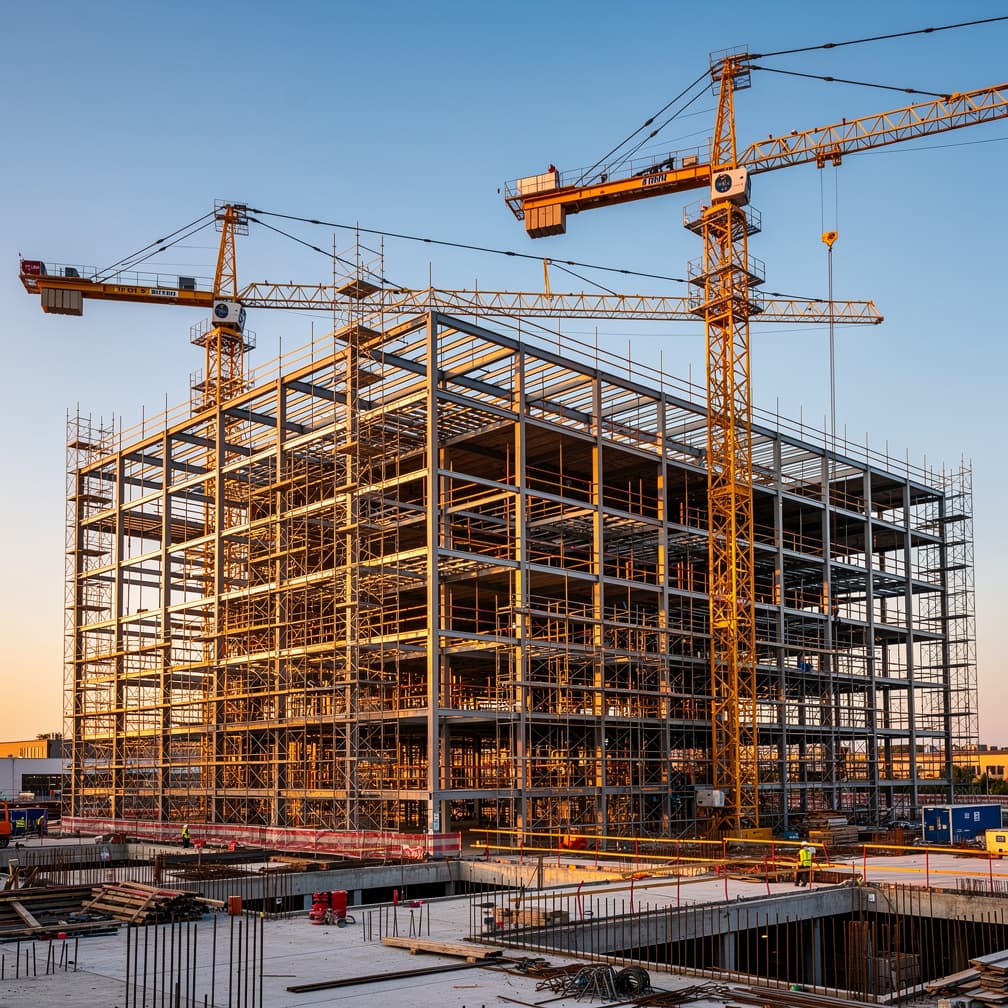
Covers the building or structure under construction.

Materials on Site
Covers building materials stored at the construction site.

Materials in Transit
Covers materials being transported to the job site.
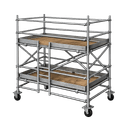
Temporary Structures
Covers scaffolding, fencing, and temporary buildings.

Soft Costs
Covers additional expenses from construction delays due to covered losses.

Equipment Coverage
Covers permanently installed fixtures and equipment.
Builders Risk Insurance Requirements in Missouri
- Projects exposed to severe weather should review how the form handles water intrusion, temporary weather protection, and damage during partially completed stages of construction.
- If your job uses off-site storage or supplier-held materials, confirm the policy's territorial scope and any security conditions before those items become your responsibility.
- Renovation work in occupied buildings should be reviewed carefully so the policy distinguishes new work from existing property and aligns with the contract.
- Projects with lender oversight should confirm that the insured value, recognized interests, and evidence-of-coverage wording match draw requirements before closing.
How Much Does Builders Risk Insurance Cost in Missouri?
Builders risk pricing usually turns on the site, the completed value, the construction type, and the time the project stays exposed to weather and theft before completion. A carrier is trying to understand how likely a loss is, how large it could be, and how easy the project is to underwrite from the documents you provide.
For that reason, cost shopping works best when you control the variables. Keep the requested limit tied to the current completed value estimate, not an outdated pre-bid number. Match the policy term to the realistic construction schedule, including procurement delays and inspection bottlenecks. That way you do not buy a term that is too short and then scramble for an extension. If the project includes frame construction, remote storage, vacant intervals, or a site that will sit partially enclosed for a while, expect those details to affect pricing and terms.
Deductibles also matter. A higher deductible can lower premium, but only if the amount still fits your cash flow when a loss interrupts the job. Soft costs, ordinance-related rebuilding issues, and broader transit or temporary storage terms can be worth the added premium when the contract or lender expectations make them important.
Request a Quote Comparison
Enter your ZIP code to compare builders risk insurance rates from top carriers.
Business insurance starting at $25/mo
Who Needs Builders Risk Insurance?
The right question is not simply who can buy builders risk coverage. The better question is who on the project carries enough financial exposure to insist that it is placed correctly. Owners often lead the purchase on new construction because they are funding the work and need the project value protected while it is being built. General contractors may handle placement when the contract assigns that duty to them, especially on jobs where they control site security, scheduling, and subcontractor coordination. Developers, lenders, and major subcontractors may also need their interests recognized depending on the contract structure.
This matters most on projects with multiple stakeholders and changing scopes. A residential owner building a custom home may assume the builder's insurance handles everything, while the builder assumes the owner is buying the property from. A commercial tenant improvement can create similar confusion if the landlord, tenant, and contractor each insure different pieces of the work. Projects with phased occupancy or renovation inside an operating building need even tighter role definition. The line between existing property and new work can become blurry fast.
The Missouri Department of Commerce and Insurance is the state's insurance regulator. If you need to verify licensing, complaint resources, or consumer guidance while comparing options, start there and then return to the policy wording and contract requirements.
Builders Risk Insurance by City in Missouri
Builders Risk Insurance rates and coverage options can vary across Missouri. Select your city below for localized information:
How to Buy Builders Risk Insurance
Buying builders risk efficiently starts with assembling the underwriting file before you ask for terms. Begin with the signed or near-final contract, then add the project address, construction budget, completed value, start date, target completion date, scope narrative, and the list of parties that need to be recognized.
Next, prepare the site details that underwriters actually use. Describe fencing, lighting, camera systems, locked storage, fire protection, and who checks the premises after hours. These details often decide whether a quote is broad and usable or full of restrictive conditions.
Then compare forms, not just premiums. Review the covered property definition, causes of loss, deductibles, theft conditions, water limitations, transit terms, temporary storage language, and any extension process if the job runs long. Ask whether change orders can be absorbed automatically up to a threshold or whether the carrier expects prompt reporting. Before binding, make sure the named insured, additional interests, mortgagee or lender wording, and project description all match the contract package. A short review at this stage is easier than fixing a mismatch after a loss. Request a quote through CPK Insurance to compare your options with participating licensed providers.
How to Save on Builders Risk Insurance
The most dependable way to save on builders risk is to make the project easier to understand and less likely to produce a preventable claim. Start by tightening the submission. A complete schedule, accurate completed value, and a clear scope reduce the chance that an underwriter prices in uncertainty. If the job has unusual features, explain them directly instead of letting the carrier assume the worst.
Site controls can also improve terms. Document fencing, locked containers, lighting, camera coverage, key control, and who is responsible for daily closeout.
You can also save by choosing options carefully. Buy the extensions your contract, lender, and schedule actually justify, but do not add every available enhancement by default.
Finally, start the quote process early enough to compare wording. Last-minute placement often narrows your choices and weakens your position.
Our Recommendation for Missouri
Treat weather, storage, and contract alignment as the three items to verify before binding. Weather matters because a site can look manageable on paper and still be vulnerable during the period before the building is dried in. Ask the quote to show how water, wind, and theft-related conditions are handled, especially if materials will be delivered before they can be installed quickly.
Storage deserves its own review. Many losses happen away from the exact footprint of the structure, in trailers, containers, warehouses, or supplier locations.
Then bring the policy back to the contract. Buyers often lose time because the insurance request and the construction agreement are not saying the same thing about who buys coverage, whose interest must appear, and what value should be insured. Before you approve binding, compare the declarations, endorsements, and contract side by side.
FAQ
Frequently Asked Questions
You get a cleaner comparison by giving every carrier the same contract terms, completed value, schedule, and site-security details.
Projects here usually follow the construction contract. The owner often buys it, but a general contractor or developer may handle placement if the agreement assigns that responsibility and other project interests need to be recognized.
Policies here may help cover off-site storage, but the answer depends on the form, location, and security conditions.
Lender-backed projects here often require evidence that the work in place is insured before funds are advanced.
Projects should review water-related exclusions, deductibles, temporary protection expectations, and any conditions tied to securing the site before and after severe weather.
Renovation jobs here may sometimes be insured, but the policy needs to separate existing property issues from the new work.
Oversight information is available through the Missouri Department of Commerce and Insurance.
Builders risk insurance may cover, subject to policy terms, the structure under construction, materials on site, materials in transit, temporary structures, and fixtures or equipment being installed. Depending on the policy, you can also review soft costs and delay-related coverage tied to a covered property loss.
Sources
- 1.Missouri Department of Commerce and Insurance(The Missouri Department of Commerce and Insurance is the state's insurance regulator.)
Updated July 16, 2026