Updated July 16, 2026

On-Hook Towing Insurance in Great Falls
Great Falls operators work in a market where customers watch repair and towing bills closely. With median household income at $63,934, many residents have limited room in their budget for an unexpected tow bill, so a claim involving a customer vehicle can turn into a harder collection conversation if your deductible is too high to absorb comfortably or your limit is too low for the vehicles you agree to move. On-hook towing insurance here is less about buying the broadest form on paper and more about matching limits to the cars, pickups, and work vans you actually tow through local streets, dealer lots, apartment complexes, and shop yards. If you handle a mix of police rotation work, breakdown calls, and transport for repair facilities, review whether your current limit still fits the highest-value unit you accept, not just the average tow. Before you request quotes, pull a recent list of the heaviest and highest-value vehicles you moved, note where loading damage is most likely to happen, and decide what deductible your cash flow can realistically carry.
On-Hook Towing Insurance Risk Factors in Great Falls
Great Falls's top risk factors include Wildfire risk, Drought conditions, Power shutoffs, and Air quality events.
Montana has a moderate climate risk rating. Top hazards: Wildfire (Very High), Winter Storm (High), Earthquake (Moderate), Flooding (Moderate). The state's expected annual loss from natural hazards is $280M, which influences on-hook towing insurance premiums and may affect coverage availability in high-risk areas.
What On-Hook Towing Insurance Covers
In Montana, the most important difference is often not the basic coverage trigger. It is the operating environment around the tow. A short hook-up in a paved commercial corridor creates one kind of loss potential. A longer transport on rural roads, a winter roadside assist call, or a recovery approach on uneven ground creates another. That means you should review how your policy handles the kinds of vehicles and towing situations your company actually takes on during a normal month.
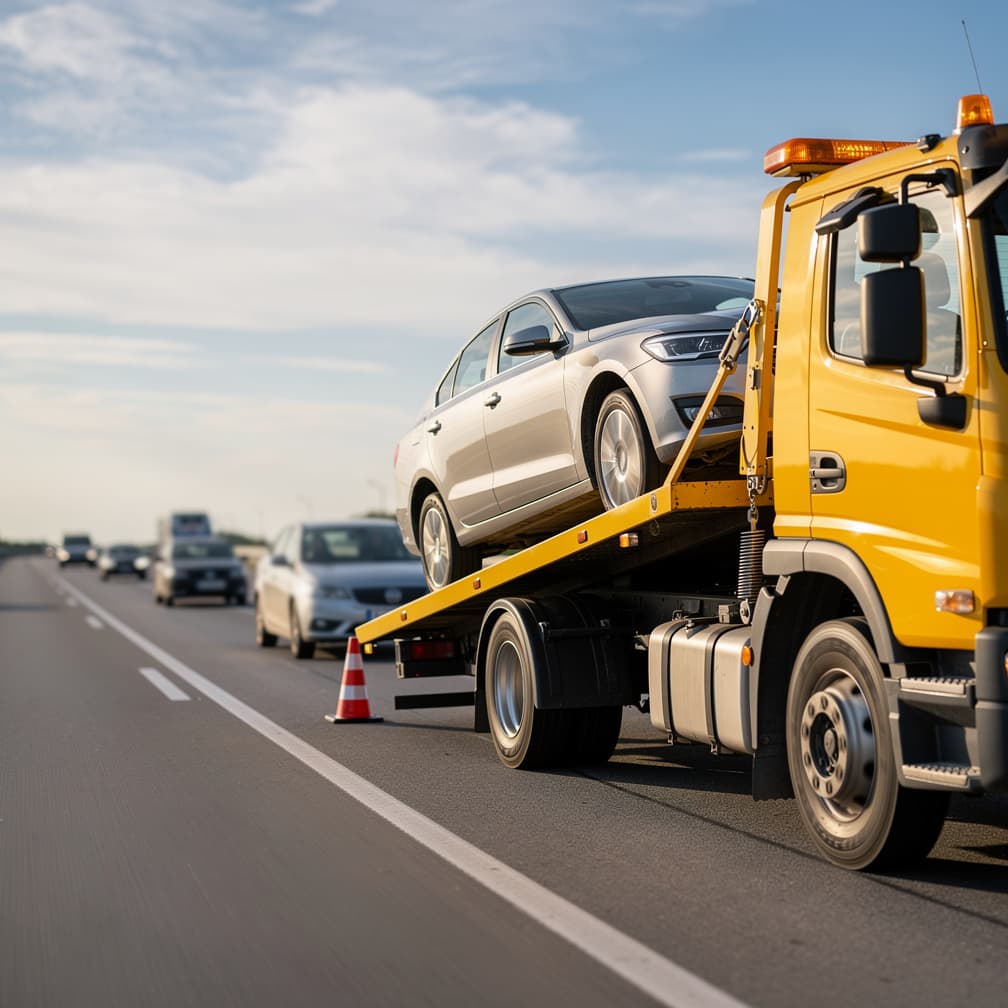
If you run flatbeds, ask how the policy is being matched to loading angles, securement practices, and the value of the vehicles you carry. If you rely on wheel-lift units, check that your insurer is rating the operation with the right expectations for roadside calls, tight turns, and frequent attach and detach activity. If your work includes accident scenes or off-road recovery approaches, make sure the quote reflects that exposure instead of assuming routine scheduled transport.
You should ask how physical damage to a customer vehicle is evaluated when weather, road surface, visibility, or remote location complicate the loss. It also helps to confirm your limits fit the more valuable vehicles you are willing to tow, not just the average call. A policy that looks adequate for ordinary passenger vehicles may feel thin the first time your driver hooks a newer pickup, work truck, or specialty vehicle. Focus on what you tow, where you tow it, how far you move it, and which jobs create the biggest severity if something goes wrong.
Coverage Included
Collision on Hook
Covers damage to towed vehicles from collisions during transport.
Comprehensive on Hook
Covers theft, fire, and weather damage to vehicles being towed.
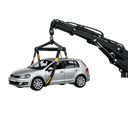
Loading & Unloading
Covers damage during the process of loading and unloading vehicles.
Winching Coverage
Covers damage to vehicles during winching and recovery operations.
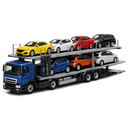
Multiple Vehicle
Covers all vehicles on multi-car carriers and rollback flatbeds.
Industries & Insurance Needs in Great Falls
Cascade County business mix changes who calls you and what sits on your hook. The county has 2,484 business establishments, and the largest establishment shares are retail trade at 13.5%, health care and social assistance at 13.1%, and construction at 11.7%, so a local towing book often includes more than private-passenger breakdowns. Retail locations can mean tighter parking fields and after-hours removals. Health care properties can involve time-sensitive vehicle moves where documentation matters because the owner may not be present at pickup. Construction activity can put more pickups, vans, and work trucks into your dispatch pattern, which raises the importance of checking whether your on-hook limit still fits contractor units with racks, tools, or heavier configurations. If those accounts are part of your mix, ask for a quote built around your actual vehicle types, average tow distances, and loading methods instead of a generic light-duty assumption.
What Makes Great Falls Different
Mixed-use dispatch is what changes the calculus in this city. In a market tied to retail and contractor activity, your exposure can shift within the same day from a standard passenger vehicle to a commercial pickup or service van, and that makes stale limits risky. The real question is what is the most expensive vehicle you are willing to hook today, not what you towed most often last month. A limit that feels adequate for routine calls can come up short on a single higher-value commercial unit, while an unnecessarily low deductible can strain cash flow on smaller incidents. Sort your recent tows by vehicle class, identify any commercial accounts that change the value profile, and then compare those exposures against your current limit, deductible, and any handling conditions that apply during loading, transport, and unloading.
Our Recommendation for Great Falls
Start with your dispatch records, not your declarations page. Break out private-passenger tows from pickups, vans, and commercial units, and flag the highest-value vehicles you accepted over the last few months. If a meaningful share of your work comes from commercial accounts, ask whether your current limit is designed for that mix or only for ordinary light-duty calls. You should also review where damage is most likely to occur during the towing process, because that helps you choose a deductible you can absorb without delaying repairs or customer resolution. If you use more than one truck type or rotate drivers across jobs, ask for quote options that lay out how limit and deductible changes affect the premium. When you shop, have your loss history, vehicle schedule, and a sample of recent invoices ready.
Get On-Hook Towing Insurance in Great Falls
Enter your ZIP code to compare on-hook towing insurance rates from carriers in Great Falls, MT.
Business insurance starting at $25/mo
FAQ
Frequently Asked Questions
Set the limit around the highest-value vehicle you are willing to move, not the average call. With median household income at $63,934, many customers have limited room in their budget for an unexpected tow bill, so your deductible choice directly affects how quickly you can resolve a damage claim without absorbing too much out of pocket.
Cascade County does change the exposure mix. With 2,484 business establishments, your dispatch rotation likely pulls in a wider variety of commercial vehicles than a typical residential book, so a single stale limit could leave you exposed on a higher-value unit.
Great Falls operators feel the county mix in daily dispatch. Retail trade is 13.5%, health care and social assistance 13.1%, and construction 11.7%, so nearly four in ten local jobs fall in sectors that tend to generate commercial vehicle tows rather than standard passenger-car calls.
Great Falls buyers may consider a higher deductible if cash flow can absorb it without disrupting operations after a loss. Compare your reserve capacity against the kinds of vehicles you actually tow and the claim points you see most often.
Recovery work can create a different exposure than routine towing. A ditch pull, slide-off, or accident-scene load can produce a different damage dispute than a standard roadside tow, so your quote should describe that work clearly.
Long rural tows can change claim severity because the vehicle stays in your care longer and the route may involve weather, distance, or rougher approaches. If your business regularly runs between communities, make sure your operating territory is described accurately.
Montana insurance oversight runs through the Montana Commissioner of Securities and Insurance. If you want to verify licensing or review consumer guidance while comparing policies, that is the state office to check first.
Insurers often look at flatbed and wheel-lift operations differently because loading method, vehicle type, and job mix can change the loss profile. Your submission should show which trucks do which work instead of grouping the whole fleet together.
Sources
- 1.U.S. Census Bureau, ACS 5-Year Estimates, table B19013(Great Falls median household income is $63,934.)
- 2.U.S. Census Bureau, County Business Patterns, Cascade County(Cascade County has 2,484 business establishments.; Leading establishment shares in Cascade County are retail trade 13.5%, health care and social assistance 13.1%, and construction 11.7%.)
Updated July 16, 2026