Updated July 16, 2026

Key Takeaways
- Review your construction contract before requesting a quote, so the named insureds and insurance responsibility match the job documents.
- Prepare the project budget, timeline, address, and scope summary before applying, so the quote reflects the work actually being built.
- Check whether the policy addresses on-site materials, transit, temporary structures, and soft costs before the first delivery arrives.
- Compare the policy term against your realistic completion schedule, then ask about extension options before the original term gets close to expiring.
- Map builders risk against your liability, installation, and equipment policies, so you avoid both coverage gaps and overlapping property insurance.
Builders Risk Insurance in Montana
You usually shop for this coverage right after plans, financing, or a construction contract start to firm up. That timing decides what value needs to be insured, which parties need to be listed, and how long the policy term should run. Builders risk insurance in Montana is often a practical review point before materials are delivered or a lender releases funds. It is not something to leave until crews are already on site. In Montana, that early review matters because projects can face weather swings, remote delivery schedules, and longer gaps between inspections, draws, or subcontractor visits than you might see in denser markets.
Those details change how you describe the job, the site security, and the property that will be stored or installed over the course of the build. If you are building a home, adding square footage, or taking on a major renovation, the useful next step is to line up your construction agreement, budget, build schedule, and lender requirements so the quote review is faster and more accurate.
What Builders Risk Insurance Covers
You want the quote to match how the work will actually unfold on your site. That means reviewing whether the policy is being written around new construction, a major remodel, or an addition where existing property and new work may need to be separated carefully.
For many Montana projects, a practical review includes temporary storage, materials in transit, and the point at which installed items become part of the covered project. If windows, cabinets, mechanical equipment, or finish materials arrive early and sit before installation, ask how those items are treated at the site and away from it. If your build depends on special-order components or long replacement lead times, ask how a delay after a covered loss could affect the budget and schedule. Those questions matter more when replacement materials are not easy to source quickly.
You should also review who needs to be named or recognized under the policy. Owners, general contractors, lenders, and others with a financial interest may all need to appear correctly, depending on the contract. That distinction can decide whether a loss falls to your builders risk policy, another property policy, or a gap you need to fix before work starts.
Montana weather exposure also makes site protection details worth spelling out. If the project will sit idle between trades, if materials will be stored outdoors, or if the site is some distance from regular supervision, bring that up in the application. The policy terms can then be reviewed around the real job conditions rather than a generic template.

Structure Coverage
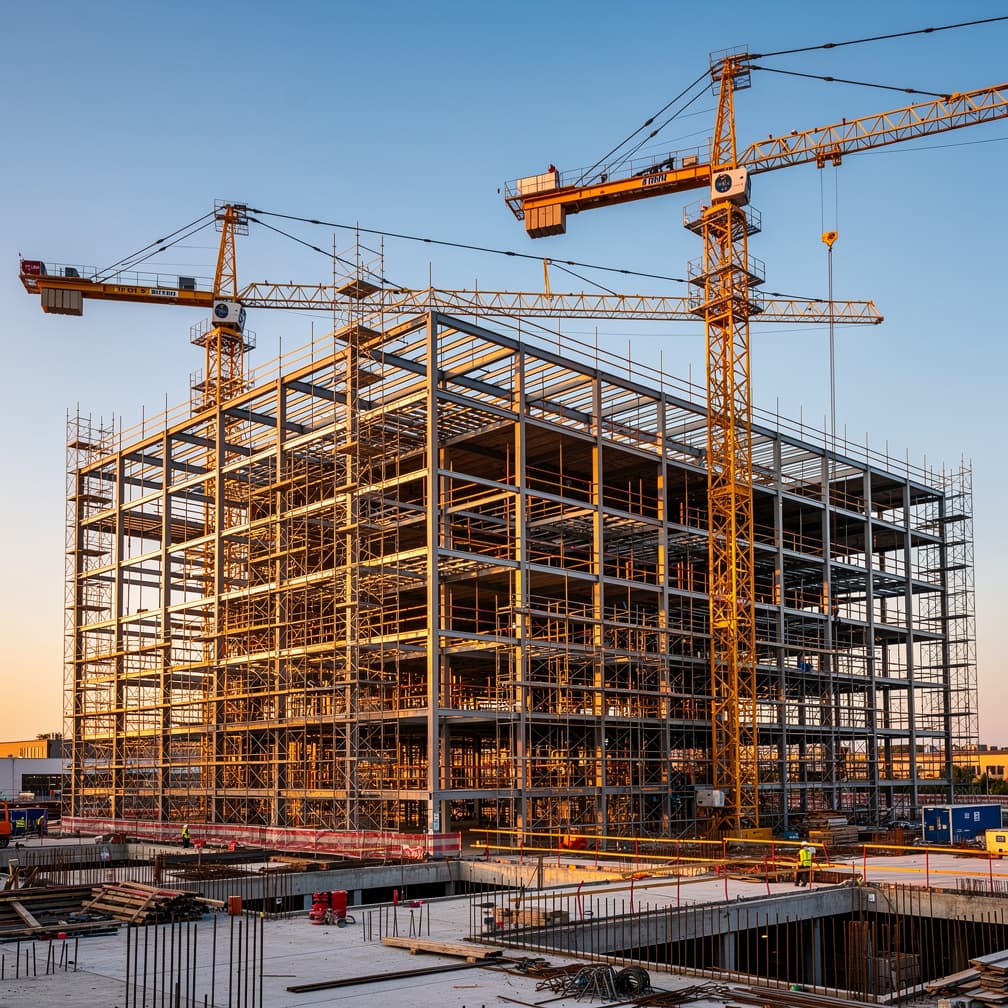
Covers the building or structure under construction.
Materials on Site
Covers building materials stored at the construction site.

Materials in Transit
Covers materials being transported to the job site.
Temporary Structures
Covers scaffolding, fencing, and temporary buildings.

Soft Costs
Covers additional expenses from construction delays due to covered losses.
Equipment Coverage
Covers permanently installed fixtures and equipment.
Builders Risk Insurance Requirements in Montana
- Remote sites raise underwriting questions about inspection frequency, material security, and staged deliveries, so address those details directly in the application.
- If your Montana build depends on special-order components or long replacement timelines, review delay-related exposures before choosing terms.
- Renovation work often needs a careful boundary between the existing structure and the portion under construction to avoid claim disputes.
- Projects that may pause for weather, subcontractor scheduling, or financing draws should review policy term length and extension procedures early.
How Much Does Builders Risk Insurance Cost in Montana?
Builders risk pricing in Montana is usually shaped by the project profile and the underwriting details you can document, not by a simple posted monthly rate. A quote often moves based on completed value, meaning the total cost of the finished project, along with construction type, project length, location, security controls, and whether the job is new construction, a major renovation, or an addition tied to an occupied structure. If your site is remote, if deliveries come in phases, or if high-value materials will sit before installation, those details can change how the risk is viewed.
The most useful way to approach cost is to prepare a clean submission. Start with the construction budget, the anticipated completion date, the scope of work, and a clear breakdown of any owner-furnished materials or specialty components. If the project includes detached structures, phased turnover, or partial occupancy before final completion, say so early. Underwriters price uncertainty, so vague values and shifting timelines can make the quote harder to place.
Montana conditions can also affect how you think about deductibles and limits. A lower premium may look attractive until you compare it against the cash you would need after a covered loss to replace materials, secure the site, and keep the project moving. Paying for broader terms you do not need can also miss the mark. The better question is whether the policy matches the financial risk you actually carry during the build.
Before you buy, ask for the quote to be reviewed against the contract requirements, lender expectations, and the project schedule. That helps you compare options on the terms that matter. Those terms include valuation, which determines whether you receive the actual cost of repairs or a different amount based on depreciation, along with covered property categories, waiting periods if any apply, and how extensions are handled if the job runs longer than planned.
Request a Quote Comparison
Enter your ZIP code to compare builders risk insurance rates from top carriers.
Business insurance starting at $25/mo
Who Needs Builders Risk Insurance?
In Montana, the right buyer is usually the party that carries the clearest financial exposure if a covered loss interrupts the project. The answer should come from the contract and the funding structure, not from assumptions. On one job that may be the property owner, while on another it may be the general contractor, a developer, or an entity created for a single project. If a lender is involved, the loan documents may also shape who must purchase the policy and how the interest is shown.
This matters on Montana projects because ownership, site control, and responsibility for materials are not always held by the same party. A homeowner building on rural land may own the site while a contractor controls procurement and scheduling. A commercial owner may have tenant improvement work where lease obligations affect who insures what. A remodel can be even more complicated if the existing building is occupied while construction continues in phases.
You should review this coverage if you are paying for labor and materials that have not yet become part of a finished, occupied building. That includes owners building custom homes, investors renovating property for resale or lease, contractors with contractual insurance obligations, and developers coordinating multiple trades over a long schedule. It is also worth reviewing if your project depends on financed draws. Lenders often want evidence that the work in place and project value are being insured as construction progresses.
The practical test is simple. If a storm, fire, theft, or other covered event damaged the work in progress tomorrow, who would absorb the cost, the delay, and the dispute over whose policy should respond. If that answer is not clear, sort it out before the first major delivery reaches the site.
Builders Risk Insurance by City in Montana
Builders Risk Insurance rates and coverage options can vary across Montana. Select your city below for localized information:
How to Buy Builders Risk Insurance
In Montana, buying this policy correctly starts with assembling the project file you would hand to a lender, owner representative, or experienced underwriter. Begin with the signed or near-final construction contract, because that document usually assigns the insurance obligation, identifies the parties with an insurable interest, and sets expectations for completed value, change orders, and evidence of coverage. Then gather the project budget, plans or scope summary, construction timeline, site address, and any details on security, fencing, lighting, or temporary storage.
Next, describe the job the way it will actually run. Remote sites, seasonal access, off-site staging, and planned pauses between phases should all go in the application up front. If the work is a renovation, separate the existing structure from the new work as clearly as possible. If there is a lender, ask exactly what wording they expect on certificates or policy documents before binding coverage.
Montana's insurance regulator is the Montana Commissioner of Securities and Insurance. Checking with them lets you confirm a provider is properly licensed and gives you access to the state's complaint process if something goes wrong.
Before binding, read the quote for practical fit, not just price. Confirm the policy term matches the build schedule, the named insureds and additional interests are correct, and the covered property categories line up with your contract and procurement plan. Then ask one last question: if the project is delayed, what is the process for requesting an extension before the policy expires. Request a quote through CPK Insurance to compare your options with participating licensed providers.
How to Save on Builders Risk Insurance
In Montana, saving money on builders risk usually comes from reducing uncertainty in the submission and avoiding preventable claim drivers, not from stripping the policy down to the lowest possible premium. Underwriters respond better when the project description is specific, the values are supportable, and the site controls are clear. If you can show how materials are secured, who checks the site, and how deliveries are timed, you make the risk easier to evaluate.
One of the most effective ways to control cost is to keep the insured value accurate as the job develops. Overstating values can push the quote higher than necessary, while understating them can create bigger problems after a loss. Review the budget carefully, separate land from construction value, and identify owner-supplied items that need to be included. If change orders materially alter the project, update the policy rather than waiting until renewal or completion.
You can also save by matching the policy term to the real schedule. If the build is likely to run longer because of weather windows, subcontractor availability, or long-lead materials, discuss that early instead of buying a short term that may need a rushed extension later. A realistic timeline often produces a cleaner buying process than an optimistic one.
Deductible choices matter too. A higher deductible can reduce premium, but only if you can comfortably absorb that amount without disrupting payroll, materials purchases, or the next draw request after a covered loss. Compare deductible options against your actual cash flow, not just the quoted savings.
Finally, keep the application consistent with the contract, lender requirements, and construction schedule. Fewer discrepancies usually mean fewer follow-up questions, faster underwriting, and a better chance of getting terms that fit the project the first time.
Our Recommendation for Montana
For Montana projects, treat the builders risk application like a jobsite planning document, not a formality. The more accurately you describe where materials will be stored, how often the site is checked, and whether the work will pause between phases, the easier it is to review terms that fit the real exposure. A vague application usually leads to a generic quote that misses what makes your project different.
If your project is outside a dense population center, ask direct questions about transit, temporary storage, and how the policy treats property before installation. Those details matter more when replacement materials are not easy to source quickly and a covered loss can stall the schedule for longer than expected. A remote site in Montana can turn a minor setback into a weeks-long delay if the right terms are not in place.
That boundary between existing property and new work is one of the most common places for confusion after a loss, especially when the building remains partially occupied during construction. Get that distinction in writing before binding. A verbal understanding between you and the contractor will not help much when a claim adjuster is sorting through the damage.
Also compare the policy term against the build calendar with some margin for delays. A policy that expires before the project is complete can create an avoidable scramble at exactly the wrong time. Before you move forward, ask what would need to change if the project scope expands.
FAQ
Frequently Asked Questions
The buyer is usually the party the contract makes responsible for insuring the work in progress. That can be the owner, contractor, or developer, so you should check the agreement and any lender requirements before requesting a quote.
Home builds in rural areas are often worth reviewing carefully because distance, storage, and site supervision can affect how the risk is described. Bring your budget, schedule, and material delivery plan to the quote review so terms match the job.
Lenders often want evidence that the project value under construction is insured before funds continue to move. You should ask what wording, named interests, and policy term they expect, then compare that against the construction contract before binding.
Projects can involve staged deliveries and temporary storage, but coverage for off-site materials depends on the policy terms and how the property is reported. Ask specifically about storage locations, transit, and when materials become part of the covered project.
Buyers should review the named insureds, project address, policy term, valuation approach, and covered property categories before binding. On renovation jobs, also confirm how the quote separates existing property from the new work in progress.
Insurance activity is regulated by the Montana Commissioner of Securities and Insurance. If you want to verify licensing or review consumer resources while comparing options, start there before you finalize the policy purchase.
Builders risk insurance may cover, subject to policy terms, the structure under construction, materials on site, materials in transit, temporary structures, and fixtures or equipment being installed. Depending on the policy, you can also review soft costs and delay-related coverage tied to a covered property loss.
Builders risk insurance is commonly reviewed by property owners, developers, general contractors, and home builders. The right buyer depends on the construction contract, lender requirements, and which party would absorb the loss if the project is damaged before completion.
Sources
- 1.Montana Commissioner of Securities and Insurance(Montana insurance activity is regulated by the Montana Commissioner of Securities and Insurance.)
Updated July 16, 2026