Updated July 16, 2026

Key Takeaways
- List every towing and transport service you perform before requesting quotes, so loading, unloading, winching, and recovery exposures are reviewed correctly.
- Compare the on-hook limit, deductible, valuation method, and exclusions side by side instead of choosing a policy on premium alone.
- Ask in writing whether your policy addresses the specific vehicles you tow most often, especially specialty, modified, low-clearance, or higher-value units.
- Use pre-tow photos, condition notes, and signed release procedures on every job to reduce disputes and support claims handling.
- Review on-hook coverage together with auto liability and any garagekeepers coverage before renewal to catch gaps between transport and storage.
On-Hook Towing Insurance in Montana
A tow company running long highway calls between small Montana communities faces a different on-hook profile than a shop that mostly handles short urban impounds and dealer moves. The first operator may spend more time on open roads, winter pavement, and remote recovery approaches. The second may see tighter lots, faster turnover, and more frequent loading and unloading in confined spaces. That is why this coverage in Montana should be reviewed around how your trucks actually work, not around a generic towing label.
Your quote should account for the vehicles you move, the distances you tow, the mix of wheel-lift and flatbed work, and whether your drivers handle roadside calls, recovery jobs, or storage-lot transfers in the same week. Montana weather and distance can change how a claim happens and how expensive it becomes. That is especially true when a damaged vehicle is far from the drop location or a repair facility. Before you request terms, gather a current unit list, service breakdown, driver details, and your normal operating territory so the policy can be matched to the real exposures you put on the road.
What On-Hook Towing Insurance Covers
In Montana, the most important difference is often not the basic coverage trigger. It is the operating environment around the tow. A short hook-up in a paved commercial corridor creates one kind of loss potential. A longer transport on rural roads, a winter roadside assist call, or a recovery approach on uneven ground creates another. That means you should review how your policy handles the kinds of vehicles and towing situations your company actually takes on during a normal month.
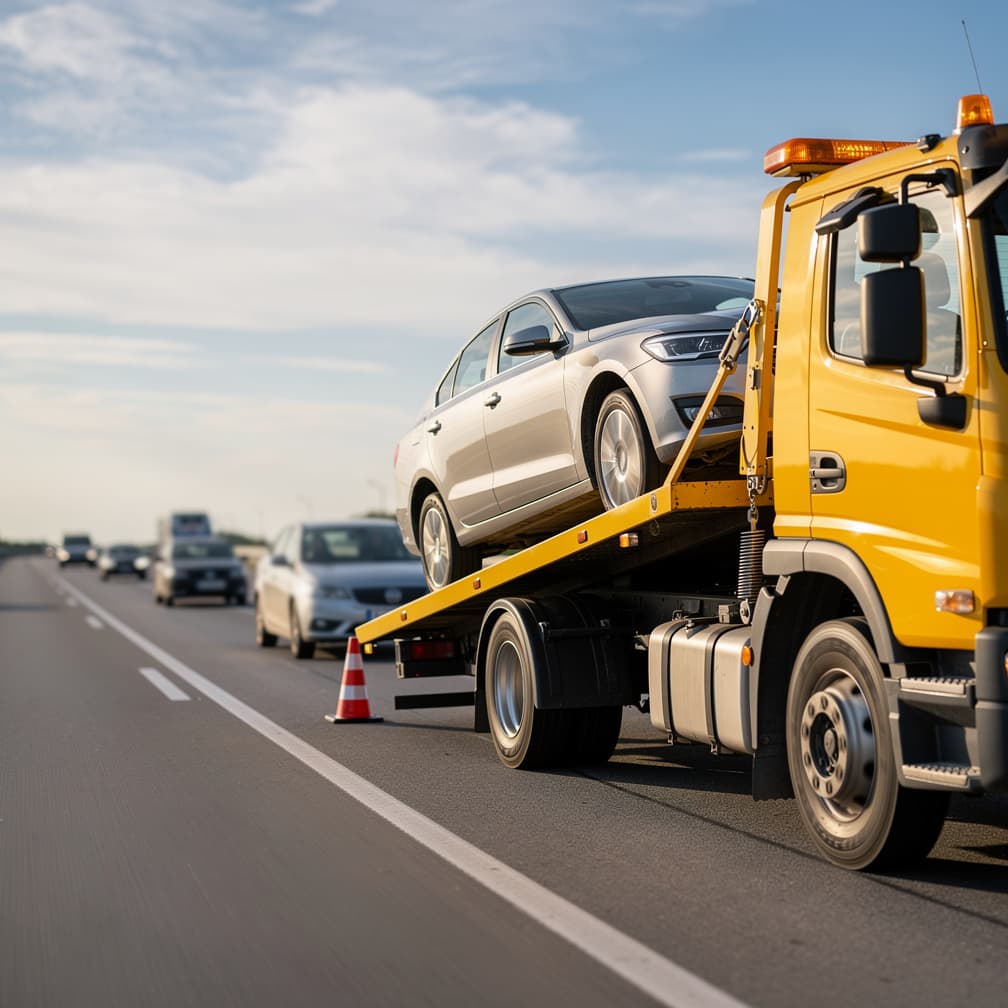
If you run flatbeds, ask how the policy is being matched to loading angles, securement practices, and the value of the vehicles you carry. If you rely on wheel-lift units, check that your insurer is rating the operation with the right expectations for roadside calls, tight turns, and frequent attach and detach activity. If your work includes accident scenes or off-road recovery approaches, make sure the quote reflects that exposure instead of assuming routine scheduled transport.
You should ask how physical damage to a customer vehicle is evaluated when weather, road surface, visibility, or remote location complicate the loss. It also helps to confirm your limits fit the more valuable vehicles you are willing to tow, not just the average call. A policy that looks adequate for ordinary passenger vehicles may feel thin the first time your driver hooks a newer pickup, work truck, or specialty vehicle. Focus on what you tow, where you tow it, how far you move it, and which jobs create the biggest severity if something goes wrong.
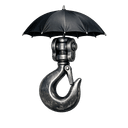
Collision on Hook
Covers damage to towed vehicles from collisions during transport.
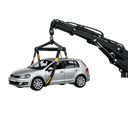
Comprehensive on Hook
Covers theft, fire, and weather damage to vehicles being towed.
Loading & Unloading
Covers damage during the process of loading and unloading vehicles.
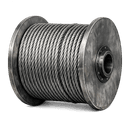
Winching Coverage
Covers damage to vehicles during winching and recovery operations.
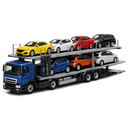
Multiple Vehicle
Covers all vehicles on multi-car carriers and rollback flatbeds.
On-Hook Towing Insurance Requirements in Montana
- Operations that run long rural routes should confirm their on-hook limit still fits the higher-severity claims that can follow a distant loss.
- Winter roadside calls and recovery work can complicate damage investigations, so photo documentation and pre-existing damage notes become more important before movement begins.
- A mixed fleet with flatbeds and wheel-lift units should be described truck by truck, because each unit may present a different loading and securement exposure.
- If your company accepts pickups, work trucks, or specialty vehicles, review limits against the most valuable routine tow rather than the average passenger-car call.
How Much Does On-Hook Towing Insurance Cost in Montana?
Underwriters want to know whether your work is mostly local roadside assistance, longer-distance transport between towns, private property impounds, recovery work, or a mix that changes by season. They also look closely at the types of vehicles you move. A book built around standard passenger cars is different from one that regularly handles heavy pickups, commercial units, or higher-value vehicles.
A truck that spends more time on longer routes can present a different loss profile than one doing short urban rotations all day. If your operation runs through winter weather, gravel approaches, mountain grades, or remote areas where a disabled vehicle sits in a more difficult recovery position, that can affect how an insurer views claim frequency and severity. The same is true if your drivers perform winching or recovery work that goes beyond straightforward hook-and-go towing.
Your requested limit is another major cost driver. A lower limit may fit a narrow book of older vehicles, but it may not be enough if you accept newer trucks, SUVs, or commercial vehicles. That gap becomes your problem on a total loss, so set the limit high enough to replace the most expensive vehicle your drivers will actually accept. Deductible choice, driver experience, prior losses, equipment type, and how consistently you document pre-tow condition can also move pricing. Montana buyers should approach cost by asking a sharper question about what combination of limit, deductible, and operating scope fits the vehicles you actually accept. If you want a cleaner quote comparison, submit the same service mix, territory description, unit schedule, and loss history to each market so you can see which option prices your real operation most accurately.
Request a Quote Comparison
Enter your ZIP code to compare on-hook towing insurance rates from top carriers.
Business insurance starting at $25/mo
Who Needs On-Hook Towing Insurance?
In Montana, this coverage deserves attention from more than a traditional city towing fleet. If your business takes possession of customer vehicles and moves them by tow truck, your need often depends on the kind of calls you accept and the conditions around those calls. A roadside assistance operator handling breakdowns on open highways has a different exposure than a company focused on impounds. Both should review on-hook terms carefully because both can be blamed for damage during the tow.
Recovery-focused operators should pay especially close attention. If your drivers respond to slide-offs, ditch pulls, accident scenes, or difficult roadside positions, the chance of a disputed damage claim can rise because the vehicle may already be compromised before loading starts. That makes documentation, dispatch notes, and clear underwriting descriptions more important. The same applies if you transport vehicles over longer distances between rural communities, auctions, repair shops, or storage locations.
Auto shops, service businesses, and transport operators that occasionally tow customer vehicles should not assume their other policies solve this issue. If a vehicle is attached to your truck or carried on your bed as part of your service, check whether your insurance program addresses that exposure directly. The label on your invoice matters less than the custody and movement of the vehicle. Montana businesses with mixed operations should be especially careful. If one truck handles routine roadside calls during the week and recovery or impound work on weekends, your quote should reflect that full picture. The right time to sort that out is before a loss, not while arguing over whether a specific tow fell inside the operation you disclosed.
On-Hook Towing Insurance by City in Montana
On-Hook Towing Insurance rates and coverage options can vary across Montana. Select your city below for localized information:
How to Buy On-Hook Towing Insurance
Buying this coverage in Montana goes more smoothly when you present your operation the way an underwriter sees it in the field. Start with a current list of every truck, the towing method each unit uses, and the kinds of jobs each one handles. Separate routine roadside towing from recovery work, impounds, dealer transfers, long-distance transport, and any specialty hauling. If one truck does several kinds of work, say so clearly instead of forcing everything into one broad category.
Next, define your operating territory in practical terms. Describe whether you stay mostly in one local area, run regional highway calls, or regularly travel long rural routes between communities. If winter conditions, gravel roads, mountain approaches, or remote pickups are part of normal operations, include that context. It helps the insurer understand why your exposure differs from a fleet working only short paved urban calls. Then gather your driver information, loss history, and any written procedures for inspections, securement, and photo documentation. Underwriters want to see how you control claims before and after the hook-up. If you use pre-tow photos, signed condition reports, dispatch recordings, or checklists for loading and unloading, include that in your submission. Those details can make your operation easier to evaluate.
You should also review policy wording with Montana-specific discipline. Ask how the insurer treats recovery-related situations, mixed-use trucks, and the most valuable vehicles you are willing to move. Montana's insurance regulator is the Montana Commissioner of Securities and Insurance, so if you want to verify licensing or consumer guidance while comparing options, use that office as your reference point. Before binding, confirm limits, deductibles, covered operations, and any exclusions that could matter on your actual dispatch board.
How to Save on On-Hook Towing Insurance
The strongest way to control on-hook costs in Montana is to make your operation easier to underwrite and easier to defend after a loss. Start with service clarity. If your submission blurs together roadside towing, recovery, impounds, and long-distance transport, an insurer may price for uncertainty. A cleaner breakdown of what each truck does can lead to a more accurate quote and fewer surprises later.
Documentation is usually the next savings lever. Pre-tow photos, dispatch notes, driver checklists, and consistent securement procedures help show what condition the vehicle was in before movement began. That matters in Montana because weather, road grime, low visibility, and recovery conditions can make damage disputes harder to sort out after the fact. The better your records, the easier it is for an underwriter to see that your operation is disciplined.
You can also save by matching limits to the vehicles you actually accept instead of guessing. Buying too little can leave a painful gap on a serious claim. Buying more than your operation needs can waste premium. Set a clear internal rule for the most valuable vehicle your drivers may accept without manager approval, then match your on-hook limit to that rule. Driver selection and training also affect long-term cost. If you can show stable operators, clear loading procedures, and a consistent approach to difficult recoveries, your account is easier to price. Finally, shop with a complete submission. Using the same data across markets gives you a real side-by-side decision instead of a misleading low number built on incomplete assumptions.
Our Recommendation for Montana
For businesses here, the smartest buying move is to review on-hook coverage around severity, not just frequency. A lot of operators focus on how many calls they run. The better question is which calls could create the largest customer vehicle claim if something goes wrong. In this state, that often means longer transports, winter roadside work, remote pickups, and recovery situations where the vehicle condition is already disputed before loading starts.
If your dispatch board includes newer pickups, commercial units, or specialty vehicles, test whether your current limit still makes sense. Also check whether one policy description truly fits all trucks. A flatbed doing scheduled moves may need a different underwriting presentation than a wheel-lift unit handling mixed roadside and impound work. Finally, tighten your claim file before the next loss happens. Require photos, note pre-existing damage, record the pickup environment, and document securement steps. Those habits can matter as much as the policy itself when a customer challenges what happened during the tow.
FAQ
Frequently Asked Questions
Recovery work can create a different exposure than routine towing. A ditch pull, slide-off, or accident-scene load can produce a different damage dispute than a standard roadside tow, so your quote should describe that work clearly.
Long rural tows can change claim severity because the vehicle stays in your care longer and the route may involve weather, distance, or rougher approaches. If your business regularly runs between communities, make sure your operating territory is described accurately.
Montana insurance oversight runs through the Montana Commissioner of Securities and Insurance. If you want to verify licensing or review consumer guidance while comparing policies, that is the state office to check first.
Insurers often look at flatbed and wheel-lift operations differently because loading method, vehicle type, and job mix can change the loss profile. Your submission should show which trucks do which work instead of grouping the whole fleet together.
Auto shops that occasionally move customer vehicles by tow truck should review this exposure carefully. If a customer vehicle is attached to your truck or carried on your bed, a standard shop policy may not address that towing-related risk the way you expect.
Companies should prepare a current truck list, driver roster, loss history, service breakdown, and territory description before requesting quotes. Add any inspection, securement, and photo-documentation procedures, because those details help underwriters evaluate your operation more accurately.
Weather can complicate an on-hook claim by making road conditions, visibility, and pre-existing damage harder to sort out after the tow. That is why consistent photos, dispatch notes, and loading documentation matter before the vehicle starts moving.
On-hook towing insurance may cover damage to a customer vehicle while it is being loaded, attached, carried, winched, or unloaded by your tow truck, depending on the policy terms. Buyers should review collision, fire, theft, weather, and loading-related damage carefully.
Sources
- 1.Montana Commissioner of Securities and Insurance(Montana's insurance regulator is the Montana Commissioner of Securities and Insurance.)
Updated July 16, 2026