Updated July 16, 2026

Key Takeaways
- Review your construction contract before requesting a quote, so the named insureds and insurance responsibility match the job documents.
- Prepare the project budget, timeline, address, and scope summary before applying, so the quote reflects the work actually being built.
- Check whether the policy addresses on-site materials, transit, temporary structures, and soft costs before the first delivery arrives.
- Compare the policy term against your realistic completion schedule, then ask about extension options before the original term gets close to expiring.
- Map builders risk against your liability, installation, and equipment policies, so you avoid both coverage gaps and overlapping property insurance.
Builders Risk Insurance in Nebraska
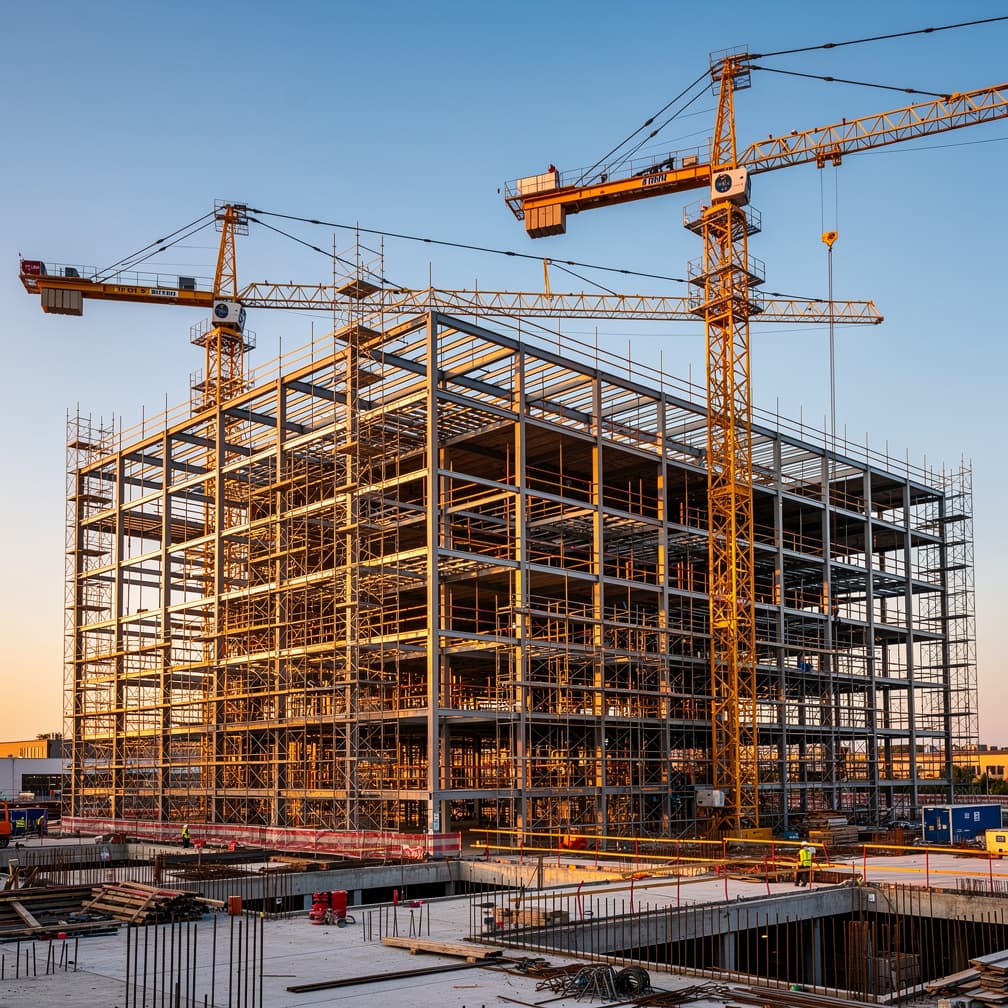
A fire, storm, or theft at a construction site can destroy materials and months of work before the building is ever finished. You can start addressing that risk once plans are approved, financing is lined up, and the build date is close enough that materials, subcontractors, and delivery schedules are becoming real commitments. The right policy depends on what is already on site, what is in transit, who the contract makes responsible for insuring the job, and how long the work is expected to run. A ground-up commercial project outside Lincoln raises different review points than a farm outbuilding replacement, a custom home in Omaha, or a renovation where part of the structure stays occupied during construction. Instead of treating the policy as a last-minute certificate request, review it while you can still match covered property, soft cost needs, and named insured language to the contract. That gives you time to correct values, confirm the build schedule, and ask for a quote before a lender, owner, or general contractor is waiting on proof of coverage.
What Builders Risk Insurance Covers
In Nebraska, the most useful coverage review starts with the way the project is staged, not with a generic checklist. A rural build with materials dropped early on site creates different exposure than an infill project where deliveries arrive in tighter phases and storage space is limited. If your project includes detached structures, temporary works, owner-supplied materials, or equipment that will be installed later, those details should be raised before the policy is issued so the quote reflects the real flow of the job.
Renovation work often needs closer attention than buyers expect. If part of the building remains in use during construction, you should ask where the builders risk form draws the line between existing structure, new work, and materials waiting to be installed. That matters when a loss affects both old and new portions of the property and the contract assigns responsibility across several parties.
Nebraska projects also benefit from a practical discussion about weather-sensitive property. If materials can be damaged while stored outdoors, if temporary enclosures are part of the build plan, or if the schedule runs through seasons with severe storm potential, ask how those conditions affect property definitions, protective safeguards, and claim documentation expectations. The Nebraska Department of Insurance oversees insurance regulation in the state, which gives you a formal channel for complaints if a claim dispute or policy issue ever arises during your project. Before binding coverage, compare the contract schedule of values, the site logistics plan, and the property list line by line so the policy matches what will actually be at risk.

Structure Coverage
Covers the building or structure under construction.

Materials on Site
Covers building materials stored at the construction site.

Materials in Transit
Covers materials being transported to the job site.
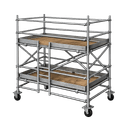
Temporary Structures
Covers scaffolding, fencing, and temporary buildings.

Soft Costs
Covers additional expenses from construction delays due to covered losses.
Equipment Coverage
Covers permanently installed fixtures and equipment.
Builders Risk Insurance Requirements in Nebraska
- Nebraska projects with rural storage or long delivery gaps should document where materials are kept, who checks them, and how access is controlled before coverage is bound.
- Renovation jobs in Nebraska often need a sharper distinction between existing structure exposure and new work exposure, especially when the property remains partially occupied.
- If your Nebraska build depends on owner-purchased fixtures or specialty components, list those items clearly so the policy review follows the actual purchasing chain.
- Weather-sensitive materials, temporary enclosures, and staged deliveries deserve special attention on Nebraska jobs where site conditions can change quickly during the build.
How Much Does Builders Risk Insurance Cost in Nebraska?
For Nebraska projects, cost depends on how clearly the insurer can understand the job and how much uncertainty remains in the file. If the completed value is still moving, the construction timeline is loose, or the scope leaves open questions about renovation versus new work, the quote process tends to slow down and the pricing can become less favorable. A submission that includes a detailed budget, a realistic completion date, and a clear description of stored materials helps the underwriter price the risk accurately.
The biggest pricing drivers are the completed value, construction type, project term, and the categories of property you need covered during the build. A site with limited security, long stretches between inspections, or materials stored before installation may be evaluated differently than a project with controlled access, documented deliveries, and tighter sequencing. If the build is in a more remote area, explain how theft prevention, fencing, lighting, and site checks are handled, because those operational details can influence the quote even when the project budget itself is straightforward.
You should also expect cost to change based on who must be named on the policy and whether the contract requires broader protection for soft costs, temporary structures, or property in transit. If a lender or owner has specific wording requirements, bring those in early rather than after the quote is issued. Midstream revisions can create delays and force the underwriter to rework terms. The practical way to control cost is to submit a complete package the first time: contract, project description, timeline, values, site address, security details, and a clear list of who needs to be included. That helps you compare terms on substance instead of chasing corrections while the start date gets closer.
Request a Quote Comparison
Enter your ZIP code to compare builders risk insurance rates from top carriers.
Business insurance starting at $25/mo
Who Needs Builders Risk Insurance?
In Nebraska, the right buyer is the party that carries the clearest financial risk if the work in place is damaged before completion. That can be the property owner, a general contractor, a developer, or another party the contract specifically assigns to insure the project. The key is not title alone. It is who would have to absorb the cost, delay, or dispute if materials are damaged after delivery or if partially completed work has to be rebuilt.
Owners building custom homes, barndominiums, shop buildings, or major additions often need to review this coverage early because lenders, contractors, and owner-supplied materials can complicate responsibility. If you are paying for windows, fixtures, or specialty components directly, ask whether those items are scheduled in a way that matches how they are purchased, stored, and installed. A gap there can become expensive long before the project is finished.
Nebraska commercial projects create another layer. Developers, landlords, and business owners renovating occupied space should review builders risk when construction could interrupt operations, delay opening, or affect lease commitments. Even if another party is supposed to buy the policy, you still need to verify limits, named insured status, and whether your financial interest is actually reflected in the form. This coverage is also worth reviewing for agricultural and rural property improvements where materials may sit on site before crews return. If your project is outside a dense metro area, ask how site access, inspection frequency, and storage arrangements should be described in the application. The right time to sort that out is before the first delivery, not after a loss exposes that everyone assumed someone else had handled it.
Builders Risk Insurance by City in Nebraska
Builders Risk Insurance rates and coverage options can vary across Nebraska. Select your city below for localized information:
How to Buy Builders Risk Insurance
In Nebraska, buying this coverage correctly starts with collecting the project documents that define responsibility. Pull the construction contract, lender requirements, project budget, schedule of values, site address, and any exhibits that describe who must be named or what property must be insured. If the job involves a remodel, include a short explanation of what stays in place, what is being replaced, and whether any part of the building remains occupied during the work.
Build a practical underwriting summary that covers the project type, construction method, expected start and completion dates, security at the site, where materials will be stored, and whether any high-value items will be delivered long before installation. Nebraska jobs in rural areas should be especially clear about fencing, lighting, lockup procedures, and how often the site is checked. Underwriters price uncertainty, so specific operations language helps more than broad assurances.
Then review the named insured and additional interest language against the contract. Owners, general contractors, lenders, and other stakeholders often assume they will be included automatically. They are not. Ask for the proposed wording before binding so you can confirm that the parties with a financial stake are shown correctly. Before you finalize the policy, compare the quoted term to the real construction timeline. If the schedule is tight on paper but vulnerable to weather, labor availability, or material delays, ask how extensions are handled and what information would be needed later. That is a simple question during placement and a stressful one after the original term is close to expiring. Once the quote matches the contract and the jobsite plan, request proof of coverage early enough that closing, permitting, or mobilization does not stall.
How to Save on Builders Risk Insurance
In Nebraska, the most dependable savings come from tightening the submission and reducing the chance of avoidable losses. If your values are rounded, the scope is vague, or the timeline leaves out key phases, the underwriter may assume more uncertainty than the job actually presents. A detailed budget, realistic completion date, and clear description of stored materials can lead to a cleaner quote review.
You can also save by matching the policy term to the real build schedule instead of guessing. If you ask for a longer term than the project reasonably needs, you may pay for time you do not expect to use. If you ask for too little time, you risk extension requests later, which can create friction when the job is already under pressure.
Jobsite controls matter as well. If your Nebraska project includes remote storage, open access, or long gaps between trades, improve the risk before shopping the policy. Better lighting, documented lockup procedures, controlled key access, and a written plan for deliveries and inspections can help present the account more favorably. Those steps also reduce the chance that a preventable theft or weather-related loss disrupts the build. Finally, avoid paying for confusion. Review who is responsible for insuring owner-furnished materials, temporary structures, and property in transit before the quote is issued. If those items are left ambiguous, you may end up revising the policy after binding or carrying overlapping protection in more than one place. The better outcome is a policy that fits the contract, the site, and the build sequence without expensive gaps or duplicate assumptions.
Our Recommendation for Nebraska
For Nebraska projects, treat the pre-bind review like a construction meeting, not a paperwork exercise. Start with the contract and schedule of values, then walk through the site as if a loss happened tomorrow. What has already been delivered, what is stored off the ground, what is exposed to weather, and which party would be arguing over responsibility first? Those answers reveal what needs to be clarified in the quote.
If the project is rural, be unusually specific about security and inspections. Underwriters cannot see how often someone checks the site, whether materials are left in the open, or how quickly a problem would be discovered. If the project is a renovation, separate existing structure issues from new work issues before you ask for terms. That is where many buyers assume the policy is broader than it is. If your build depends on custom materials, phased subcontractor work, or owner selections that are still moving, ask about extension mechanics before you bind. The best buying move is simple: request a quote early enough to correct values, named insured wording, and storage details while you still have time to fix them.
FAQ
Frequently Asked Questions
The Nebraska Department of Insurance regulates insurance in the state. If a claim dispute or policy issue ever arises during your project, you have a formal complaint channel through that agency to help resolve it.
Yes, if the contract assigns you the responsibility for insuring the project or if you are purchasing materials directly. The key question is which party the contract makes responsible, and whether owner-purchased materials or phased work create added exposure.
Nebraska rural job sites can change how underwriters view storage, security, inspections, and response time after a loss. If your project is outside a dense area, describe fencing, lighting, lockup procedures, and site checks in detail before requesting terms.
Nebraska renovation projects can often be reviewed for builders risk, but you should clarify how the policy treats existing structure, new work, and any occupied portions of the building. That distinction matters more than the project label alone.
Nebraska buyers should gather the construction contract, lender requirements, project budget, schedule of values, site address, timeline, and a list of parties that need to be named. A complete submission produces a more usable quote review.
Nebraska lenders often expect proof that the project is insured before funds are advanced, but the exact requirement comes from your loan documents. Review those terms early so the policy wording and named interests match what closing requires.
Nebraska projects should start the insurance review before major materials arrive and before mobilization begins. That timing gives you room to correct values, confirm named insured wording, and align the policy term with the construction schedule.
Builders risk insurance may cover, subject to policy terms, the structure under construction, materials on site, materials in transit, temporary structures, and fixtures or equipment being installed. Depending on the policy, you can also review soft costs and delay-related coverage tied to a covered property loss.
Sources
- 1.Nebraska Department of Insurance(The Nebraska Department of Insurance oversees insurance regulation in the state.)
Updated July 16, 2026