Updated July 16, 2026

Key Takeaways
- Gather your current declarations, endorsements, loss runs, vehicle schedule, and driver list before requesting quotes so you can compare terms side by side.
- Review whether you need cargo coverage, trailer interchange, bobtail coverage, or non-trucking liability based on your dispatch pattern and contracts.
- Compare physical damage deductibles and valuation terms before renewing, especially on financed tractors, trailers, or recently added units.
- Check every broker, shipper, lender, and lease agreement against your policy endorsements so certificate wording does not hide a coverage gap.
- Start your renewal review early enough to update drivers, units, garaging, and operating radius before underwriters price the account.
Commercial Truck Insurance in Nebraska
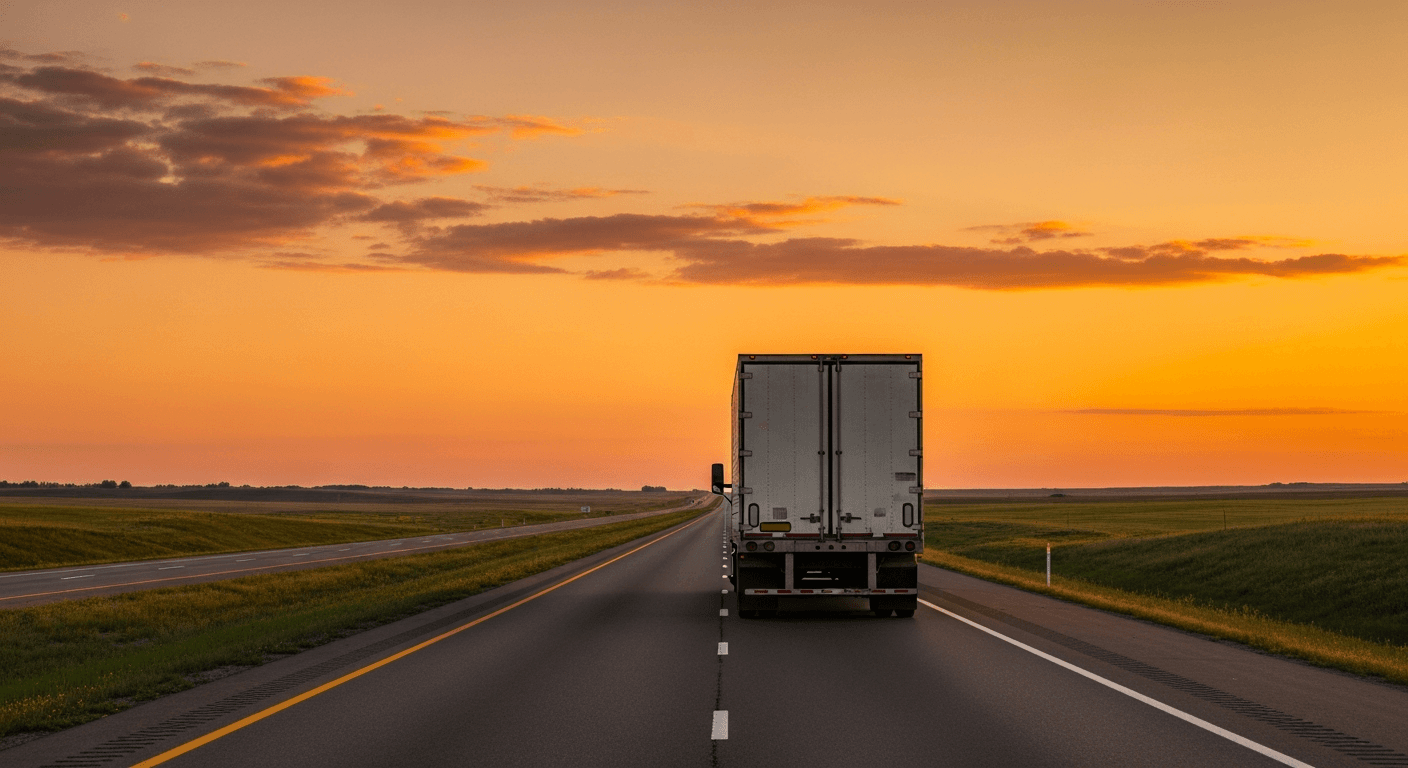
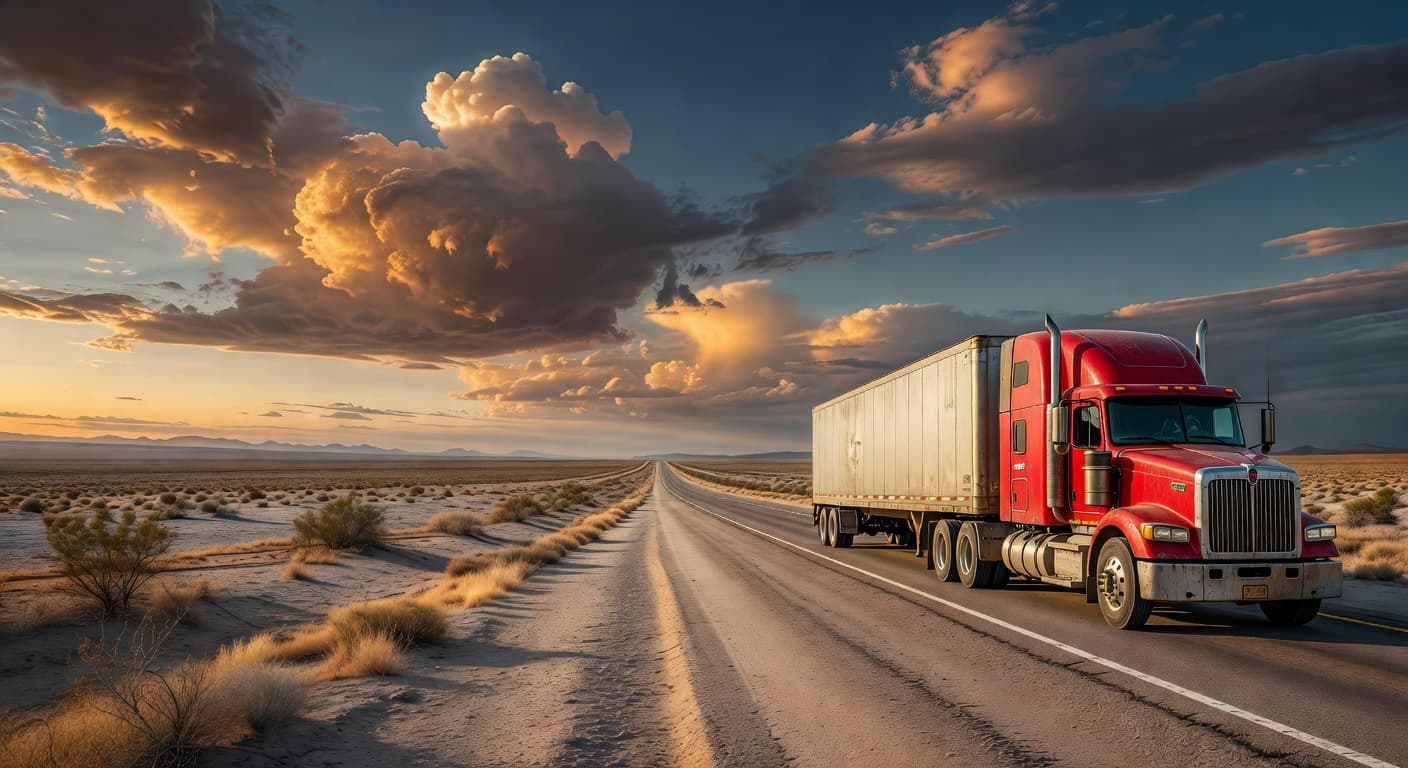
Buying commercial truck insurance in Nebraska means planning for more than one kind of road risk. A haul that starts in Lincoln and runs across I-80 toward North Platte can face hail, tornado exposure, and severe-storm delays before it ever reaches the customer. Your policy should reflect your route pattern, cargo type, and whether you operate locally, regionally, or long haul. Nebraska has a high weather-loss profile, with severe wind and hail events rated very high, so the right limits and endorsements can matter as much as the truck itself. The goal is to match your operation to the coverage that fits the state's regulatory environment, carrier expectations, and the way trucks actually move across the state.
What Commercial Truck Insurance Covers
Commercial truck insurance in Nebraska may help cover the truck, the driver, and the freight you haul, but the exact mix depends on whether you run a motor carrier, an owner-operator, or a small fleet. Core options include motor carrier liability for third-party claims, physical damage for the unit itself, cargo coverage for freight in transit, trailer interchange for non-owned trailers, and bobtail or non-trucking liability for off-dispatch situations. Nebraska's commercial auto minimums are $25,000/$50,000/$25,000, but trucking operations often need more because freight contracts, brokers, and shipper requirements can exceed that baseline. Federal freight-hauling minimums also matter for interstate trucking, and hazardous-material loads may require higher liability limits than standard freight.
Physical damage may help with collision or other covered damage to the unit itself, while cargo coverage may help cover the freight being transported. Trailer interchange is important if you use trailers you do not own but control through a trailer agreement. Bobtail coverage and non-trucking liability are different protections for when the truck is driven without a trailer or outside dispatch, and the right choice depends on your dispatch arrangement and lease setup. Because Nebraska has severe-storm and tornado exposure, many operators review deductibles and physical damage limits carefully so a weather event does not leave a large gap in repair funding.

Motor Carrier Liability
Can help cover injuries and property damage your truck causes to others, a coverage federal regulators require most for-hire carriers to maintain.
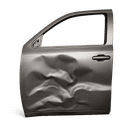
Physical Damage
Can help pay to repair or replace your own truck after an accident, fire, theft, or vandalism.
Cargo Coverage
May pay for damage to or theft of the freight you are hauling while it is in your care.
Trailer Interchange
Can help cover damage to trailers you haul under an interchange agreement but do not own.
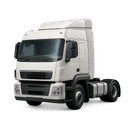
Bobtail Coverage
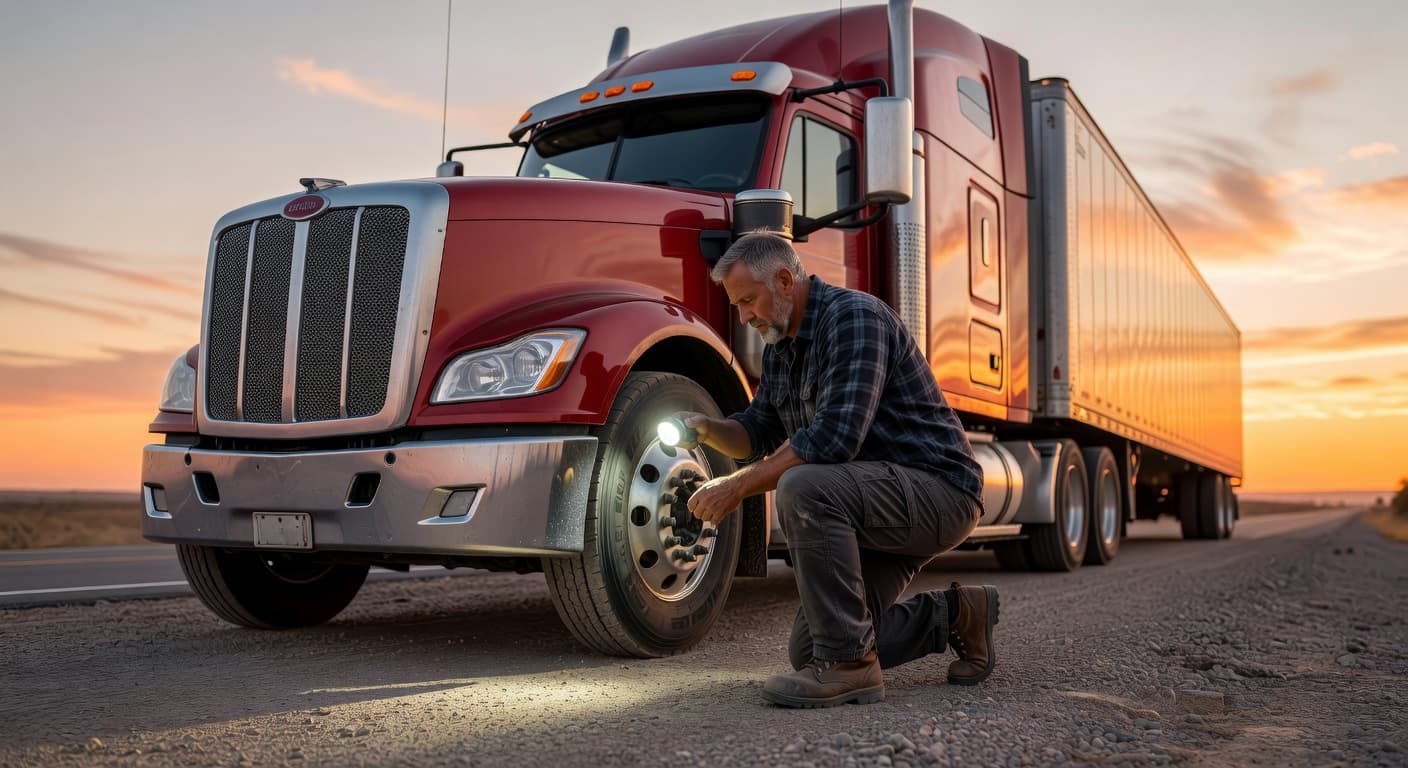
May provide liability protection when you drive your tractor without a trailer attached, such as after dropping off a load.

Non-Trucking Liability
Can help cover accidents that happen when you use your truck for personal errands rather than dispatched work.
Commercial Truck Insurance Requirements in Nebraska
- Trailer interchange coverage matters only if you use non-owned trailers under an interchange agreement, so it should be added intentionally rather than assumed.
- Bobtail coverage and non-trucking liability insurance address different off-dispatch situations, so the policy language should be checked before purchase.
How Much Does Commercial Truck Insurance Cost in Nebraska?
Average Cost in Nebraska
$420 - $1,200
per month
Businesses in Nebraska typically see commercial truck insurance premiums of $420 - $1,200 per month, which tends to run 6% above the national range of $400 - $1,125 per month.
- Radius of operation
- Commodities hauled and cargo value
- Number and value of power units
- Driver motor vehicle records and CDL experience
- DOT safety record, inspections, and FMCSA scores
- Liability limits and physical damage deductibles
Contact CPK Insurance for a personalized quote.
Premiums in Nebraska often fall below the national average, but that does not mean every quote is low. Your final price can move up or down based on coverage limits and deductibles, claims history, location, industry or risk profile, and policy endorsements. A truck running through tornado-prone areas or hauling higher-value freight may be rated differently than a local delivery unit with simpler exposure.
Nebraska's weather profile is a major pricing factor, with severe wind and hail events both rated very high and severe storms rated high. Recent events like the 2024 tornado outbreak and the 2023 derecho may factor into how carriers view physical damage risk for tractors, trailers, and equipment. Ask whether your policy includes comprehensive coverage for weather-related damage and what deductible would apply to a hail or wind claim. Route exposure also matters, since a long-haul truck crossing the state line on I-80 may have different pricing pressure than a local box truck operating in Lincoln or Omaha. The market is competitive, with a broad field of insurers writing in the state, so a quote should be reviewed across several carriers rather than taken from a single estimate.
How Nebraska compares with the national baseline
Uninsured drivers
6.8% vs 11.6% baseline
About 6.8% of Nebraska drivers are estimated to be uninsured, below the 11.6% average across states.
Fatal crashes per 100 million miles
1.35 vs 1.33 baseline
Nebraska sees about 1.35 fatal crashes per 100 million miles driven, above the national average of 1.33.
Blue bar: Nebraska. Gray line: national baseline.
Prices shown are general estimates, not guaranteed rates or quotes. Your actual premium will depend on the insurer, coverage selected, business details, location, claims history, and other underwriting factors. Learn about our pricing methodology.
Request a Quote Comparison
Enter your ZIP code to compare commercial truck insurance rates from top carriers.
Business insurance starting at $25/mo
Who Needs Commercial Truck Insurance?
Commercial truck insurance in Nebraska is relevant to several types of operations, especially where trucking is tied to the state's freight corridors and agricultural and manufacturing economy. Long-haul carriers that move freight across Nebraska need motor carrier liability coverage because interstate exposure, broker contracts, and higher liability expectations can exceed basic auto minimums. Regional delivery businesses in Omaha, Lincoln, and Grand Island often need a mix of liability and physical damage because they rely on the vehicle every day and may face repair costs after hail, severe storms, or collision losses. Local hauling businesses, including dump trucks, flatbeds, tankers, refrigerated trucks, and delivery vans, also fall into the coverage pool.
Nebraska's economy makes this coverage practical for small businesses as well. The state has roughly 56,800 business establishments, and 99.1% are small businesses, which means most trucking accounts are owner-operators or small fleets rather than large national carriers. Agriculture, manufacturing, retail trade, healthcare, and finance all appear in the state's top industries, which means freight patterns can include time-sensitive deliveries, mixed cargo, and equipment movement between towns and rural areas. If your operation uses trailers under interchange agreements, moves freight for others, or spends time outside dispatch, trailer interchange, bobtail coverage, or non-trucking liability may be part of the policy design. Nebraska also has workers' compensation requirements for most businesses with one or more employees, so trucking businesses with staff should coordinate their commercial auto and employment-related coverages as part of the same risk review.
Commercial Truck Insurance by City in Nebraska
Commercial Truck Insurance rates and coverage options can vary across Nebraska. Select your city below for localized information:
How to Buy Commercial Truck Insurance
To buy commercial truck insurance in Nebraska, start by matching the policy to your operation's daily use. Nebraska businesses should review quotes from several carriers, and that step matters here because a broad market may produce quotes that vary by route, haul type, and endorsements. Before requesting a quote, gather your DOT and operating details, vehicle list, driver history, cargo description, trailer arrangements, and prior claims information. Those details help place the account correctly with carriers that write trucking, fleet, long haul, or local-haul risks.
The Nebraska Department of Insurance regulates the market, so your licensed insurance professional should confirm that the coverage structure fits state and federal requirements without assuming a one-size-fits-all limit. For operations that cross state lines, liability needs may be driven by freight requirements as well as Nebraska's commercial auto minimums. When you haul under a trailer agreement, ask specifically about trailer interchange coverage. For trucks often driven without the trailer or outside dispatch, ask how bobtail coverage and non-trucking liability differ in your policy. Many trucking businesses can move quickly once underwriting is complete and coverage is bound. Request a quote through CPK Insurance to compare your options with participating licensed providers.
How to Save on Commercial Truck Insurance
Start with the coverage mix, since if a unit does not tow non-owned trailers, trailer interchange may not be needed. If a truck never operates outside dispatch, bobtail coverage or non-trucking liability may be reviewed carefully for fit. Coverage limits and deductibles also matter, so raising a deductible may lower premium, but only if your cash flow can handle a weather-related repair or collision claim.
Comparing a quote across several carriers may show meaningful differences in how they price location, claims history, and endorsements. If your operation is based in a lower-risk part of the state but still runs through severe-storm corridors, ask how the carrier rates garaging address versus route exposure. That is especially useful for fleets operating out of Lincoln, Omaha, or along the I-80 freight corridor.
Bundling can also help, as combining commercial truck insurance with other business policies may offer multi-policy discounts, though actual savings vary by carrier and account. If you already carry other commercial lines, ask whether the same insurer can write truck liability alongside your other policies. Finally, keeping claims history clean, documenting driver records, and maintaining accurate vehicle and cargo details may ease underwriting friction. Nebraska's severe weather profile makes loss control important, so parking, maintenance, and route planning may also support better pricing over time.
Our Recommendation for Nebraska
For Nebraska trucking accounts, I would focus first on matching liability, cargo, and physical damage to the way the truck earns money. A long-haul unit, a regional delivery truck, and a local dump truck usually do not need the same structure. In this state, severe-storm exposure makes physical damage coverage especially worth reviewing with the deductible, not just the limit, in mind. If you haul under trailer agreements, do not assume trailer interchange is included automatically. If you run without a trailer or outside dispatch, make sure bobtail coverage and non-trucking liability are not being treated as the same thing. Because Nebraska has a competitive market, compare multiple quotes and ask how each carrier handles your route, cargo type, and endorsements before you bind.
FAQ
Frequently Asked Questions
In Nebraska, the policy can be built around motor carrier liability, physical damage, cargo coverage, trailer interchange, bobtail coverage, and non-trucking liability insurance. The right mix depends on whether you run long haul, regional delivery, or local hauling through places like Lincoln, Omaha, or along I-80.
Nebraska's commercial auto minimums are $25,000 per person, $50,000 per accident, and $25,000 for property damage, and the Nebraska Department of Insurance oversees the market. If you haul freight across state lines, federal liability requirements and shipper or broker demands may also affect the limits you need.
Cost depends on coverage limits, deductibles, claims history, location, industry risk, and endorsements. A truck with broader protection or heavier exposure may be rated differently than one with simpler operations.
Most trucking businesses review all three because they may help cover different parts of the operation. Motor carrier liability may help cover third-party liability, cargo coverage may help cover freight in transit, and physical damage coverage may help with repair or replacement costs after a covered loss.
Bobtail coverage is tied to certain non-trailer situations, while non-trucking liability insurance applies when the truck is being used outside dispatch and not under a load. The right choice depends on how your truck is dispatched and whether you operate under a motor carrier agreement.
Location is a major factor because Nebraska has very high severe-storm risk, and insurers also look at claims history, coverage limits, deductibles, and endorsements. A truck based in one part of the state may be rated differently than a similar truck running different routes or hauling different cargo.
Gather your vehicle list, driver information, cargo details, operating radius, trailer arrangements, and prior claims history, then compare multiple carriers. A broad field of insurers writes in the state, so comparing options may help you find the right fit.
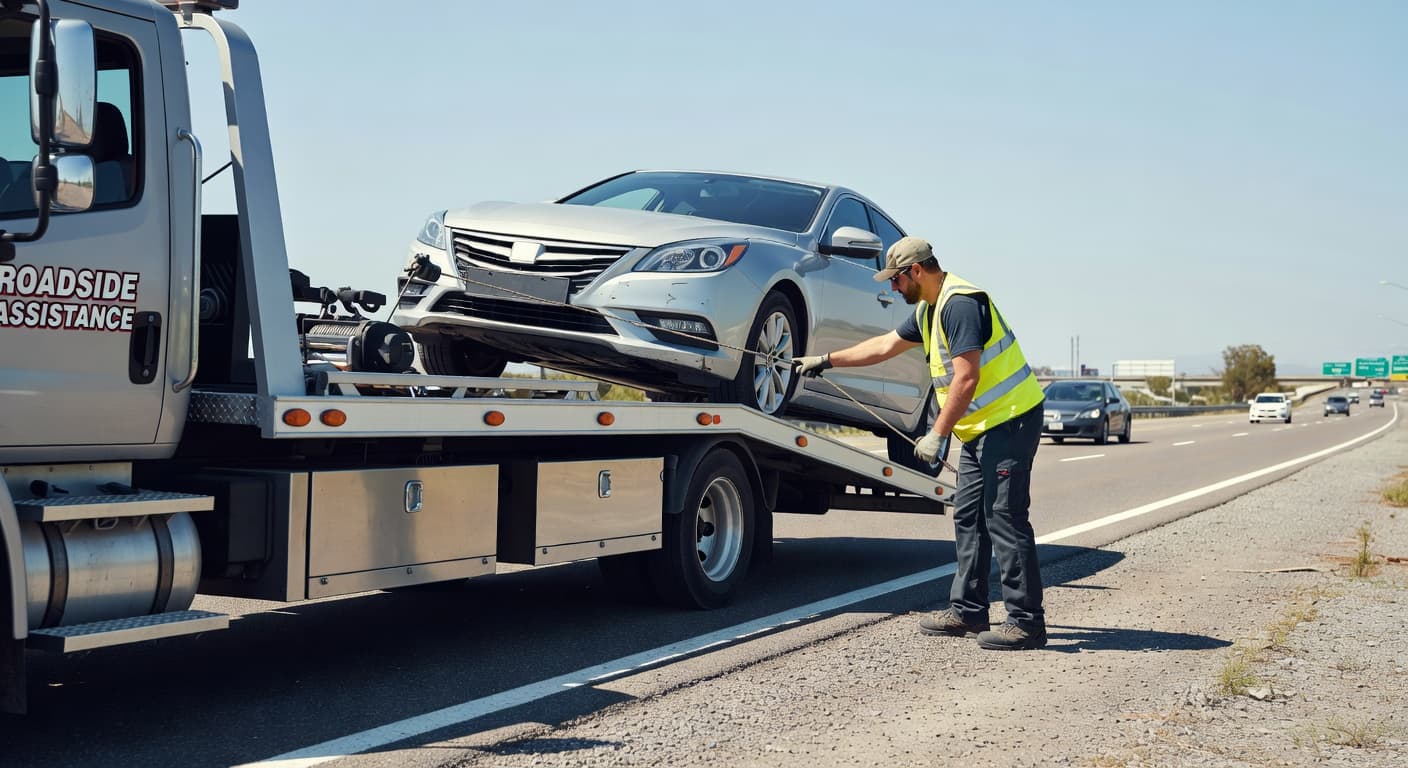
Commercial truck insurance can be written for many working vehicles, including semis, tractor-trailers, box trucks, flatbeds, dump trucks, refrigerated units, tankers, tow trucks, and delivery vehicles. The key question is how each unit is used, who drives it, and whether trailers or cargo create added exposure.
Updated July 16, 2026