Updated July 16, 2026

Key Takeaways
- List every towing and transport service you perform before requesting quotes, so loading, unloading, winching, and recovery exposures are reviewed correctly.
- Compare the on-hook limit, deductible, valuation method, and exclusions side by side instead of choosing a policy on premium alone.
- Ask in writing whether your policy addresses the specific vehicles you tow most often, especially specialty, modified, low-clearance, or higher-value units.
- Use pre-tow photos, condition notes, and signed release procedures on every job to reduce disputes and support claims handling.
- Review on-hook coverage together with auto liability and any garagekeepers coverage before renewal to catch gaps between transport and storage.
On-Hook Towing Insurance in Nebraska
When you call for an on-hook towing quote, the first question should be about your dispatch log, not a label. You get a better result when you bring a current driver list, unit schedule, service radius, storage details, and a plain breakdown of how often you handle roadside calls, police rotations, impounds, recoveries, dealer moves, or long-distance transports. That preparation matters because underwriters are trying to see where a customer vehicle is most exposed during your actual tow process, from hookup and winching to bed transport and drop-off.
Nebraska operators also benefit from being specific about route conditions, weather interruptions, after-hours releases, and where handoffs happen between the scene, your yard, a body shop, or a repair facility. If you run both flatbeds and wheel-lift units, say so early. If one truck handles heavier recovery work while another mostly does scheduled transport, separate those uses instead of blending everything together. A cleaner submission gives you a more usable quote, and it helps you review whether your limits, deductibles, and operational details match the vehicles you tow most often.
What On-Hook Towing Insurance Covers
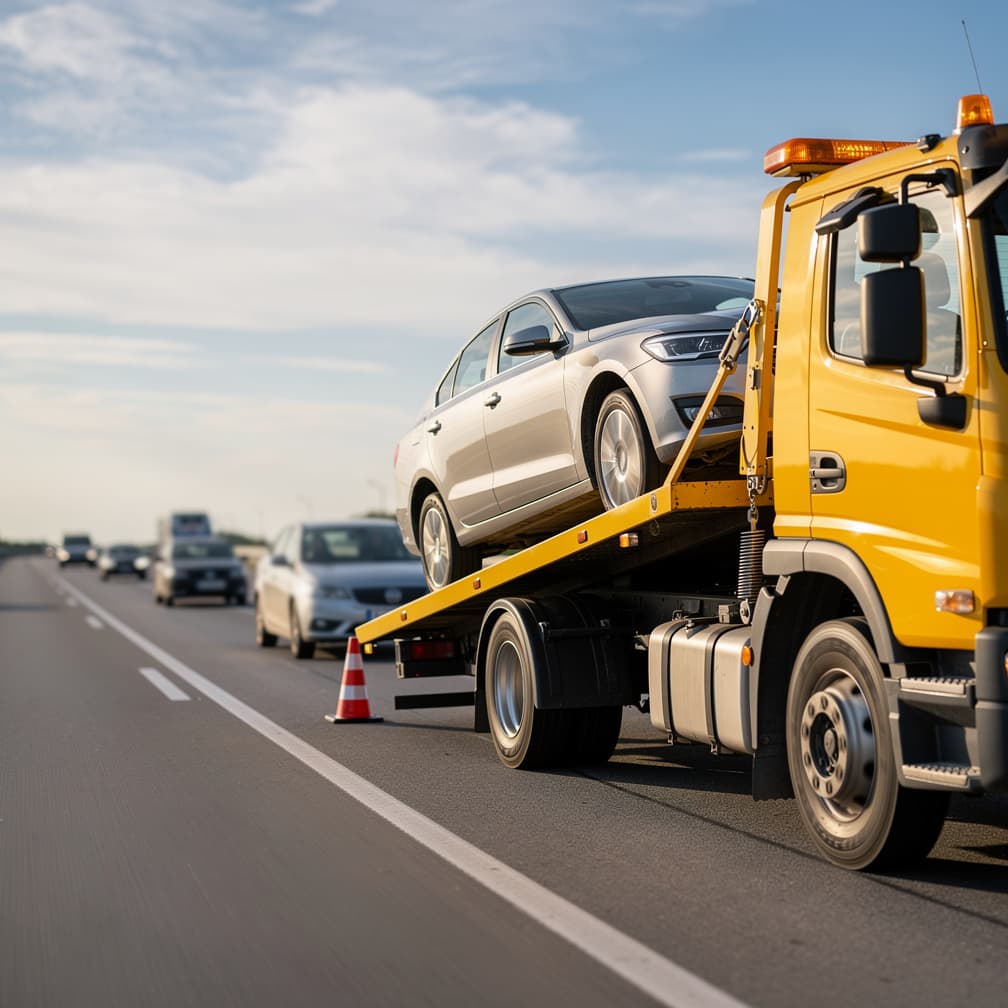
In Nebraska, the useful review is not the basic definition of on-hook coverage, it is where your operation creates the most claim pressure while a vehicle is attached to your truck or being moved by it. For many towing businesses, that means looking closely at the handoff points. A customer vehicle can be exposed during a roadside hookup on a narrow shoulder, during a winch onto a flatbed in poor traction, while secured for transport across town, or during unloading at a shop, yard, auction, or residence. Your quote should match those moments.
That is why the underwriting conversation often turns to procedure. If your drivers photograph pre-existing damage before hookup, note wheel condition, document key custody, and record destination changes from dispatch, you give the carrier a clearer picture of how a future claim may be investigated. If you perform police-directed tows, private property impounds, or recovery work after weather events, ask how those job types are being classified in the quote. They can change how an underwriter views severity, especially when the towed vehicle is already damaged before your driver arrives.
Nebraska weather and road conditions can also change the exposure from one call to the next, so it helps to describe how you handle delayed pickups, overnight storage transitions, and after-hours releases. If your operation crosses state lines, moves specialty vehicles, or uses subcontracted drivers at peak times, bring that up during the quoting process. A policy review built around the exact towing situations that could turn into a disputed damage claim is what actually matters.
Collision on Hook
Covers damage to towed vehicles from collisions during transport.
Comprehensive on Hook
Covers theft, fire, and weather damage to vehicles being towed.
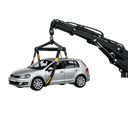
Loading & Unloading
Covers damage during the process of loading and unloading vehicles.
Winching Coverage
Covers damage to vehicles during winching and recovery operations.

Multiple Vehicle
Covers all vehicles on multi-car carriers and rollback flatbeds.
On-Hook Towing Insurance Requirements in Nebraska
- Nebraska weather shifts can change a routine tow into a more complicated loading or unloading claim. Ice and wind are common enough that a simple hookup can turn into a damage dispute, so document road conditions and vehicle condition at every handoff.
- If your operation mixes metro towing with rural highway or county-road work, describe those service areas clearly instead of using one broad territory label.
- Police-directed tows, private property impounds, and after-hours releases can create different claim documentation issues, so keep procedures consistent across all job types.
- A fleet that stores vehicles before final release should review how custody transitions are documented between the scene, the yard, and the receiving location.
How Much Does On-Hook Towing Insurance Cost in Nebraska?
The practical way to think about cost in Nebraska is to tie premium back to claim severity and claim defensibility. A quote usually moves based on the value and type of vehicles you tow, whether you use flatbeds or wheel-lifts, how often you handle recovery work, where your trucks operate, and how consistently your drivers document condition before and after transport. A business focused on scheduled dealer transfers presents a different underwriting picture than one rotating through roadside calls, impounds, and accident scenes.
Your deductible choice also matters. A higher deductible can reduce premium, but it only makes sense if your cash flow can absorb a smaller damage claim without disrupting payroll, fuel, or repairs. Limits need the same discipline. If you regularly tow newer pickups, commercial vans, or higher-value vehicles, a low limit may look cheaper until one serious loss leaves you paying the gap yourself.
Nebraska-specific pricing also depends on operational spread. If your trucks stay in one metro area, the exposure profile is different from a fleet that runs highways, rural roads, and long-distance transfers in the same month. Storage arrangements can affect the underwriting discussion too, especially if a towed vehicle sits in your custody before final release. The cleanest way to control cost is to present a submission that separates each truck's use, each driver's role, and each service type. That gives you a quote built on your real operation instead of a blended estimate that can price the wrong risk.
Request a Quote Comparison
Enter your ZIP code to compare on-hook towing insurance rates from top carriers.
Business insurance starting at $25/mo
Who Needs On-Hook Towing Insurance?
In Nebraska, the businesses that need this review are often broader than the name on the truck suggests. Traditional towing companies are obvious candidates, but the real test is whether you take possession of someone else's vehicle and move it by tow truck as part of your paid operations. If you do, you should review how on-hook coverage applies to the jobs you actually accept.
That includes operators handling roadside assistance calls that turn into short tows, recovery companies pulling vehicles from ditches or weather-related slide-offs, and impound contractors moving vehicles from private property or law enforcement requests. It can also matter for repair shops, salvage operators, transport businesses, or repossession firms if they use tow equipment and can be accused of damaging a vehicle during hookup, transport, or unloading.
Nebraska fleets with mixed work need special attention. One truck may spend most of the week on routine disabled-vehicle tows, while another handles accident recovery, auction runs, or dealer transfers. If you insure them as though they all do the same work, you can end up with a quote that misses the real exposure or asks you to pay for assumptions that do not fit. The same issue comes up with drivers. A seasoned recovery operator and a newer roadside driver do not present the same risk profile.
If your contracts require proof of insurance before you can join a rotation, sign a yard agreement, or take vendor work, review this before the paperwork deadline. It is easier to correct classifications, limits, and vehicle schedules before a certificate is requested than after a job source is waiting on proof.
On-Hook Towing Insurance by City in Nebraska
On-Hook Towing Insurance rates and coverage options can vary across Nebraska. Select your city below for localized information:
How to Buy On-Hook Towing Insurance
To buy this coverage well in Nebraska, start by organizing the parts of your operation that an underwriter cannot guess correctly from a website or a vehicle list. Build a submission that shows each truck, what equipment it uses, what services it performs, who drives it, where it operates, and whether it handles routine towing, recovery, impounds, dealer transport, or mixed work. If one unit is a true backup truck, say that. If another is your primary recovery unit, make that clear too.
Next, gather the documents that help defend a claim before one happens. That usually means driver motor vehicle records, loss runs if available, photos of each unit, dispatch procedures, tow tickets, damage inspection forms, storage and release procedures, and any written rules for photographing vehicles at pickup and drop-off. If you use subcontractors or temporary drivers, disclose that early. If you cross state lines, note the typical destinations and frequency.
Nebraska buyers should also confirm who regulates the policy form and complaint process. When comparing quotes, keep your review focused on policy terms, exclusions, deductibles, reporting expectations, and how claims are handled, not just the premium line. Ask each quoting source to explain how your common job types are classified and whether your limit fits the vehicles you tow most often.
Before finalizing coverage, read the schedule and named insured carefully. Make sure the trucks, business entities, and operational descriptions match reality. A clean application and a careful final review usually do more for claim readiness than rushing to get proof of coverage the same day. Request a quote through CPK Insurance to compare your options with participating licensed providers.
How to Save on On-Hook Towing Insurance
Start with job separation. If your scheduled transports, roadside tows, impounds, and recovery work are all blended together, ask for the submission to distinguish them by truck and by driver where possible. Better classification can prevent you from paying for a risk profile that is broader than your actual book of work, or worse, being underinsured when a specific job type creates a claim your policy was not built to handle.
Documentation is the next lever. Standardize pre-tow and post-tow photos, require condition notes on every ticket, and keep dispatch records that show who changed the destination, who released the vehicle, and when custody transferred. Those habits can reduce disputes and make your account more attractive at renewal because they show a repeatable claims process rather than informal driver judgment.
You can also review deductible options with your operating cash in mind. A higher deductible may lower premium, but only if you can absorb it without turning a minor claim into a business interruption problem. The same goes for limits. Buying too little can look like savings until one damaged vehicle creates an out-of-pocket loss that wipes out the difference.
Finally, clean up the basics before shopping. Remove sold units from schedules, update driver lists, correct garaging addresses, and explain any unusual losses instead of letting an underwriter guess. Nebraska towing businesses often get a more stable quote when the application reads like an operations file, not a rough estimate assembled at renewal time.
Our Recommendation for Nebraska
For Nebraska towing operators, the smartest buying move is to treat on-hook as an operations review, not a checkbox. Start with your highest-severity jobs. If recoveries, impounds, or after-hours police work create the toughest claim scenarios, make sure those services are described clearly and attached to the right trucks and drivers. Do not let a mixed fleet be quoted as though every unit does the same work.
Next, test your claim documentation before renewal. Pull a recent tow ticket and ask whether it shows vehicle condition, hookup method, destination, release details, and time-stamped photos. If the answer is no, fix the process now. Better records can matter as much as the policy wording when a customer disputes when damage occurred.
Also review where custody changes. Nebraska claims often become harder when a vehicle moves from roadside to yard to repair shop with incomplete notes at each step. Tighten those handoffs, especially after hours or during weather disruptions.
When you review your options, focus on terms that affect real losses: deductible, limit adequacy, excluded operations, and how your common tow types are classified. If a quote is materially cheaper, ask what assumption changed. That question often reveals whether you found a true fit or just a policy built on the wrong picture of your business.
FAQ
Frequently Asked Questions
The Nebraska Department of Insurance handles regulatory questions and complaints. If you run into trouble with a carrier or policy form, that is where to start. Checking policy terms, exclusions, and claim reporting steps during the quoting process can help you avoid those problems entirely.
Yes, when the equipment handles different job types. A flatbed doing scheduled dealer transport presents a different risk than a wheel-lift pulling wrecked vehicles from a ditch. If those uses are blended, you may overpay for the low-risk truck or find the high-risk unit underinsured when a claim hits.
Operators usually get a cleaner quote by bringing a current unit schedule, driver list, service radius, loss details, and sample tow paperwork. That helps the underwriter classify roadside towing, recovery, impounds, and transport work more accurately.
Rural towing can change the underwriting discussion because route conditions, response distances, and recovery scenarios may differ from metro-only work. Describe where your trucks actually operate so the quote reflects your real exposure, not a generic territory.
Buyers should ask how their common jobs are classified, whether the limit fits the vehicles they tow most often, what deductible applies, and whether any operations are excluded. Those answers matter more than comparing premium alone.
Impound and rotation work can affect how an underwriter views claim severity and documentation needs. If those jobs are part of your operation, disclose them early and confirm they are described correctly on the application.
Claims often turn on whether you can show vehicle condition, custody transfer, destination changes, and release details. Consistent photos, tow tickets, and dispatch notes can make it easier to defend when damage timing is disputed.
On-hook towing insurance may cover damage to a customer vehicle while it is being loaded, attached, carried, winched, or unloaded by your tow truck, depending on the policy terms. Buyers should review collision, fire, theft, weather, and loading-related damage carefully.
Sources
- 1.Nebraska Department of Insurance(The Nebraska Department of Insurance is the state regulator.)
Updated July 16, 2026