
Updated July 16, 2026

Homeowners Insurance in Las Vegas
A summer cloudburst pushes water off the street faster than nearby drains can take it. Before you have time to react, runoff backs toward garages, patio doors, and ground-level openings. That kind of fast, localized loss deserves a policy review, especially if your house sits on a low lot, has block walls that channel runoff, or stores valuables in the garage. Here, the practical question is how your specific property handles sudden water, wind-driven debris, and heat stress on roofs, HVAC equipment, and exterior finishes. Las Vegas has a median home value of $395,300, so a home bought years ago may now cost significantly more to rebuild than its original purchase price, leaving owners underinsured at claim time. Your dwelling limit and other structures limit should reflect current rebuild expectations for your neighborhood, not just what you paid. If you have made upgrades, added a patio cover, enclosed a room, or finished a backyard structure, bring that list into a quote review before renewal.
Nevada has a moderate climate risk rating. Top hazards: Wildfire (High), Earthquake (High), Extreme Heat (High), Flash Flooding (Moderate). The state's expected annual loss from natural hazards is $320M, which influences homeowners insurance premiums and may affect coverage availability in high-risk areas.
What Homeowners Insurance Covers
In Nevada, the useful part of a quote review is not reciting the standard policy parts. It is checking where your property and your loss pattern can create gaps. Start with the structure itself. If you have attached features, detached structures, block walls, screened patios, solar equipment, or recent additions, make sure they are described correctly so the quote is built around the home you actually own, not an outdated property record.
Then review how water is handled. A lot of claim disputes start because buyers assume every kind of water loss works the same way. It does not. Ask the agent to walk you through sudden interior water damage, sewer or drain backup options, and whether any separate flood solution needs to be considered for your address. If you have finished areas, upgraded flooring, custom cabinets, or built-in features, those details matter because they change what a repair really costs after a covered loss.
Personal property deserves a more practical review than a rough percentage. If you keep jewelry, firearms, collectibles, tools, or home office equipment, ask what sublimits apply and whether scheduled coverage makes more sense. Liability should also match how you live. A pool, trampoline, dog, frequent guests, or short-term occupancy questions can all change what should be reviewed before purchase. Nevada oversight runs through the Nevada Division of Insurance. You can use their site to look up a carrier's license status, file a complaint about a claims dispute, or read consumer guides on coverage basics before you bind.
Coverage Included

Dwelling
Repairs or rebuilds your home itself, the walls, roof, floors, built-in appliances, and attached structures like a garage, after a covered loss. Set this limit to the full cost of rebuilding, not market value.
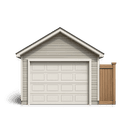
Other Structures
Detached structures on your property, such as a fence, shed, detached garage, or gazebo. Usually set at about 10 percent of your dwelling limit [2].

Personal Property
Your belongings, furniture, clothing, electronics, and appliances, generally written at 50 to 70 percent of your dwelling limit [2]. High-value items like jewelry and art carry special limits.

Additional Living Expenses
Also called loss of use. Pays your added living costs, hotel stays, meals, and a temporary rental, while a covered loss makes your home uninhabitable. Usually set at about 20 percent of your dwelling limit.

Liability
Covers you if someone is injured on your property, or you damage someone else's property, and you are found responsible. The standard $100,000 limit [2] is often raised to $300,000 or $500,000.

Medical Payments
Pays small medical bills, commonly $1,000 to $5,000, if a guest is hurt at your home regardless of fault, without a formal liability claim.
Homeowners Insurance Cost in Las Vegas
Average Cost in Nevada
$85 - $220
per month
In Nevada, homeowners insurance premiums typically run $85 - $220 per month, which tends to run 15% below the national range of $110 - $250 per month.
- Home replacement cost, age, and construction type
- Roof age, material, and condition
- ZIP code and local weather risk (wind, hail, wildfire, hurricane)
- Coverage limits and endorsements
- All-peril and percentage wind/hail deductibles
- Claims history and insurance score where allowed
Typical range for many standard homeowners profiles; lower-risk homes fall below it and coastal, wildfire, or older-roof homes can run well above. Final pricing depends on property details, location, underwriting, and selected coverage.
Prices shown are general estimates, not guaranteed rates or quotes. Your actual premium will depend on the insurer, coverage selected, personal details, location, claims history, and other underwriting factors. Learn about our pricing methodology.
Two homes in the same ZIP code can price very differently once a carrier looks at construction, roof condition, prior losses, and deductible choices. Many buyers see premiums from $85 to $220 per month, depending on the home's age, rebuild characteristics, protection features, claims history, and the coverage structure you choose. For a typical Nevada home, that range generally reflects standard dwelling protection with moderate liability limits and a mid-range deductible. Your actual premium could land above or below that band depending on how your property scores on those factors.
Roof age and material often move the price quickly, as do older plumbing, older electrical systems, and any signs that a carrier may expect higher water damage severity. If your home has updated systems, document them. If it does not, ask how much of the premium is tied to those features before you decide whether a higher deductible or a repair project makes more sense.
Coverage choices matter just as much as the property details. Higher dwelling limits, stronger personal property terms, added water backup protection, scheduled items, and higher liability limits can all change the monthly cost. That is not a reason to strip the policy down. It is a reason to compare quotes on the same basis, then decide which upgrades are worth paying for. The cleanest way to shop is to request matching deductibles, matching liability limits, and the same optional endorsements across each quote. If one option comes in lower, ask whether the difference comes from underwriting appetite, narrower terms, or omitted coverages you expected to see.
What Affects Homeowners Insurance Rates in Las Vegas
Las Vegas has a median household income of $70,723. That figure makes the deductible decision more important than many owners expect, because a lower premium is not much help if the out-of-pocket amount would be hard to absorb after a sudden water or wind loss. Here, it is worth asking for side-by-side quotes with more than one deductible and confirming whether your dwelling limit still tracks what it would take to repair or rebuild your home as it stands now. If your budget is tight, protect the core structure first, then review whether endorsements for water-related loss, higher personal property limits, or added protection for detached structures make sense for the way you use the property. That approach keeps the quote grounded in claim scenarios you could actually face.
What Makes Las Vegas Different
Flash-flood exposure is the local difference that changes the buying calculus most. A home at the end of a slope, beside a wash, behind walls that trap runoff, or near pavement that sheds water fast can face a very different loss pattern than a similar home a few blocks away. That is why a local quote review should focus less on broad averages and more on site details. The way your lot is graded, where drainage paths run, how high your garage sits, and where you store tools or seasonal items all affect what a policy may need to address. Owners often find out about limit gaps in these spots only after a storm-driven claim has already been filed. The practical concern is whether your policy responds to water moving across your parcel the way it actually would in a storm.
Our Recommendation for Las Vegas
Start with a practical property inventory, not the declarations page alone. After a hard rain, take a walk around the exterior and note where water pools, how the driveway slopes, and whether the garage sits below street grade. Then review your dwelling limit against current condition, square footage, and any upgrades since purchase. Ask specifically about detached structures, patio covers, block walls, pool equipment, and higher-value items kept in garages or backyard buildings, because those details often get glossed over in a quick renewal. If you work from home, a county economy with 53,591 business establishments can mean more business property, deliveries, or client-related equipment at your house than a standard policy assumes, which could leave thousands in gear unprotected. Separate personal and business exposures during the quote conversation. Bring photos, roof age, prior claim details, and a list of improvements so the quote is built around the house you have now, not an older file.
Get Homeowners Insurance in Las Vegas
Enter your ZIP code to compare homeowners insurance rates from carriers in Las Vegas, NV.
Home insurance starting at $50/mo
FAQ
Frequently Asked Questions
Buyers should start with drainage, roof age, garage exposure, and any detached structures or backyard improvements. From there, check whether your dwelling limit still matches what local rebuild costs look like today, particularly if you have remodeled or added exterior features.
Runoff, lot slope, and street drainage vary block by block, so two homes a few streets apart can face very different water exposure. Ask how your quote accounts for low points on the parcel, garage entry height, and any structures that could be hit first in a sudden storm.
Check whether your dwelling limit still matches the home as improved today. That matters more if you enclosed space, upgraded finishes, or added outdoor structures that change what it could take to repair or rebuild.
Many households here have some work-related equipment or inventory at home. If that describes your setup, pull business property and liability questions out of your standard quote so a claim does not catch you short.
Weigh deductible choices against real cash flow, not premium alone. With median household income at $70,723, a high deductible could force a tough financial decision right when you are already dealing with storm damage, meaning a $5,000 out-of-pocket hit could take months to absorb. Compare more than one option and keep one you could realistically handle after a sudden local loss.
Nevada quotes go more smoothly when you have roof age, square footage, update history, and mortgagee details ready. That lets you compare matching deductibles and endorsements instead of fixing bad assumptions after the policy is issued.
Whether your policy can help cover wildfire damage depends on its specific terms, deductibles, and exclusions. Review those details carefully. Wildfire exposure can also affect eligibility and pricing, so ask those questions before binding.
Nevada buyers should separate sudden interior water damage from flood and from sewer or drain backup. Those issues are often handled differently, so ask for each one to be explained on the quote before you choose a policy.
Sources
- 1.U.S. Census Bureau, ACS 5-Year Estimates, table B25077(Las Vegas has a median home value of $395,300.)
- 2.U.S. Census Bureau, ACS 5-Year Estimates, table B19013(Las Vegas has a median household income of $70,723.)
- 3.U.S. Census Bureau, County Business Patterns, Clark County(Clark County has 53,591 business establishments.)
Updated July 16, 2026