Updated July 16, 2026

Key Takeaways
- List every towing and transport service you perform before requesting quotes, so loading, unloading, winching, and recovery exposures are reviewed correctly.
- Compare the on-hook limit, deductible, valuation method, and exclusions side by side instead of choosing a policy on premium alone.
- Ask in writing whether your policy addresses the specific vehicles you tow most often, especially specialty, modified, low-clearance, or higher-value units.
- Use pre-tow photos, condition notes, and signed release procedures on every job to reduce disputes and support claims handling.
- Review on-hook coverage together with auto liability and any garagekeepers coverage before renewal to catch gaps between transport and storage.
On-Hook Towing Insurance in New Hampshire
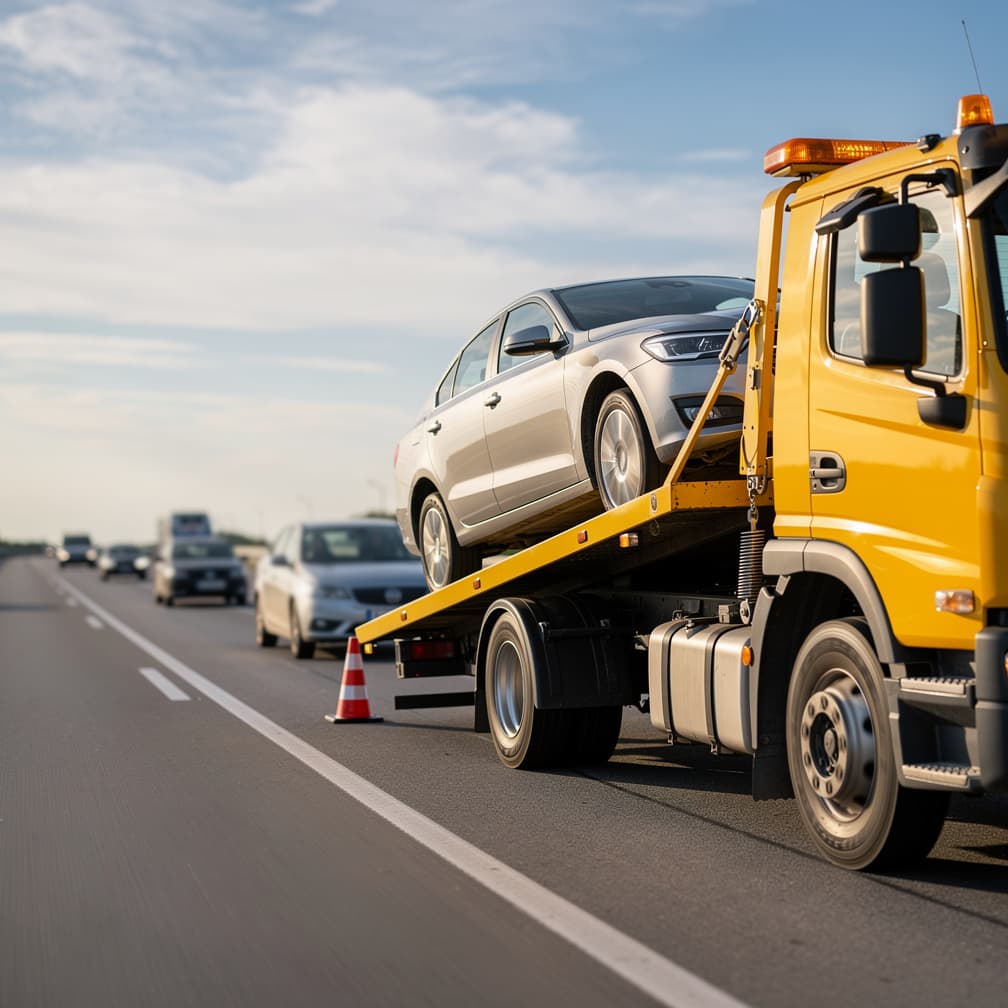
The gap that catches many operators is simple: your auto liability can respond very differently from damage to the vehicle you are actually towing. That matters in New Hampshire, where a routine roadside call can turn into a harder claim if weather, road conditions, or a difficult recovery scene adds questions about how the vehicle was attached, loaded, or unloaded. If you are shopping for this coverage here, the real job is not just adding a line item but making sure your quote matches the way your trucks work, the kinds of vehicles you move, and the handoff points where disputes usually start. A buyer, body shop, lender, police agency, or stranded driver may all expect a clear explanation of who had care, custody, and control at the moment damage happened. Keep your policy language, limits, and claim reporting process organized before a loss happens, because the details you track now are the ones that matter most during a dispute. Build your quote around your actual service activity, not a simplified description that leaves recovery work, impounds, or dealer transport out of the application.
What On-Hook Towing Insurance Covers
In New Hampshire, the most useful review starts with the exact moments where a customer vehicle changes status. A claim can turn on whether the unit was still being winched, already secured, partially lifted, or in the middle of unloading at a driveway, repair facility, storage yard, or auction lot. That is where you want your on-hook terms read carefully, because the dispute is often less about whether damage occurred and more about whether it happened during a covered towing operation.
State conditions make that review practical, not theoretical. Weather shifts, slick pavement, soft shoulders, steep approaches, and tight rural access points can all change how a tow is performed. If your drivers handle roadside calls on secondary roads, recover disabled vehicles from ditches or embankments, or move low-clearance units from parking structures and narrow lots, ask the agent to walk through those scenarios in plain language. You want to know how the policy treats each stage of the job, and whether any exclusions or sublimits could matter for the vehicles you most often handle.
This is also the place to separate this exposure from garagekeepers, general liability, and physical damage on your own trucks. Those policies may address different property, different legal theories, or different parts of the job. If your operation mixes consensual towing, police rotation work, private impounds, and scheduled transport, ask for each service line to be reflected in the submission. A cleaner description gives the underwriter fewer reasons to assume a narrower operation than the one you actually run. Before you bind coverage, request specimen wording or a coverage summary that shows how claims are evaluated once a vehicle is attached to your equipment. Then compare that against your dispatch records, hookup methods, and release procedures so the policy matches the work your drivers perform every day.
Collision on Hook
Covers damage to towed vehicles from collisions during transport.
Comprehensive on Hook
Covers theft, fire, and weather damage to vehicles being towed.
Loading & Unloading
Covers damage during the process of loading and unloading vehicles.
Winching Coverage
Covers damage to vehicles during winching and recovery operations.
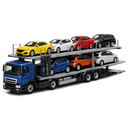
Multiple Vehicle
Covers all vehicles on multi-car carriers and rollback flatbeds.
On-Hook Towing Insurance Requirements in New Hampshire
- New Hampshire weather and road conditions can change a routine tow into a more complex claim, so your documentation needs to hold up under that pressure.
- If your operation handles rural pickups, steep driveways, soft shoulders, or narrow access points, ask the underwriter to rate the work you actually perform rather than a simplified local towing description.
- Cross-border towing can affect how your operation is evaluated, so disclose regular work into neighboring states before coverage is bound.
- Private impounds, police rotation calls, and scheduled dealer transport can create different claim patterns, and each service line should appear clearly in the submission.
How Much Does On-Hook Towing Insurance Cost in New Hampshire?
For New Hampshire operators, cost usually moves with claim severity potential, not just truck count. That means a single expensive dispute can shift your premium more than adding a third or fourth truck. A quote changes when you tow newer vehicles with advanced sensors, move heavier pickups and vans, perform recovery work in poor conditions, or accept jobs where the vehicle is already damaged before hookup. Those details affect how expensive a dispute can become and how hard it may be to prove what happened during the tow.
Your service territory matters too. A business doing short, scheduled dealer transfers may present differently from one taking after-hours roadside calls across mixed terrain, winter conditions, and remote stretches where loading takes longer and scene control is harder. If you cross into neighboring states, say so up front. Territory, storage practices, and the distance between pickup and drop-off can all influence how an underwriter views the exposure.
What you tow also drives price. Standard passenger cars, luxury vehicles, motorcycles, commercial vans, and disabled units with existing body damage do not create the same risk profile. The same is true for equipment choice. Flatbeds, wheel-lifts, dollies, and winching setups can lead to different claim patterns depending on how they are used. If one truck mainly handles roadside assistance and another is assigned to recovery or impound work, break that out clearly instead of describing the fleet as one blended operation. The fastest way to get a usable number is to submit complete operating detail the first time. Include your service activity, radius, driver experience, loss history, storage arrangements, and the highest-value vehicles you expect to tow. Then ask the agent to show how limit choices, deductibles, and service classifications change the quote, so you can decide whether you are trimming premium or just shifting more risk back onto your business.
Request a Quote Comparison
Enter your ZIP code to compare on-hook towing insurance rates from top carriers.
Business insurance starting at $25/mo
Who Needs On-Hook Towing Insurance?
In New Hampshire, you need to review this exposure any time your business takes possession of someone else's vehicle and moves it with towing equipment, even if towing is not the only service you advertise. That includes operators handling roadside breakdown calls, collision recovery, private property impounds, dealer transfers, transport between repair facilities, and specialty moves where a disabled vehicle cannot be driven under its own power.
Some buyers miss the need because their revenue comes from a broader mix of work. A repair shop with a rollback, a roadside assistance contractor, an auction transporter, or a repossession-focused operator may still face the same core question after a loss: could the damage be traced to how the vehicle was hooked up, loaded, or unloaded? If the answer could be yes, this coverage belongs in the conversation.
New Hampshire operations should be especially careful if the work changes by season or by contract. A business that mostly handles routine tows can still take on more difficult recoveries during bad weather, after-hours calls, or overflow assignments from other dispatch sources. That shift matters because the hardest claims often come from unusual jobs, not the easy ones. If your application only describes simple local towing, but your drivers also winch vehicles from snowbanks, embankments, tight driveways, or parking decks, the underwriting file needs to show that. You should also review your policy if your contracts require you to assume responsibility at pickup, if police or property managers expect fast response under difficult conditions, or if lenders, fleets, and commercial accounts want proof that customer vehicles are protected while in transit. If a vehicle owner could point to your hookup or release process as the source of damage, ask for terms that address that exposure directly.
On-Hook Towing Insurance by City in New Hampshire
On-Hook Towing Insurance rates and coverage options can vary across New Hampshire. Select your city below for localized information:
How to Buy On-Hook Towing Insurance
Buying this coverage in New Hampshire goes more smoothly when you present your operation the way a claims adjuster would investigate it later. Start with a service map, not a marketing description. List every type of tow and transport you perform, where those jobs happen, what equipment is used, and which jobs are the most difficult to document after the fact. Include roadside calls, recoveries, impounds, dealer work, auction moves, repossessions, and any cross-border activity.
Next, build a vehicle and equipment schedule that is specific enough for underwriting. Identify which units are flatbeds, which use wheel-lifts, whether dollies are used, and which trucks are assigned to heavier or more complex jobs. Then describe the vehicles you typically move, including any concentration in luxury units, commercial vans, motorcycles, low-clearance vehicles, or already-damaged cars. That helps the quote reflect actual severity potential instead of a generic towing profile. After that, gather the documents that help defend a claim. Your application package should include driver lists, loss runs if available, dispatch procedures, hookup and release protocols, photo requirements, and any forms used to note pre-existing damage. In New Hampshire, where weather and road conditions can complicate a scene quickly, those records matter because they show what your driver saw, what condition the vehicle was in, and when custody began and ended. Before you bind, ask direct coverage questions. How is a claim handled if damage is discovered only at drop-off? What if the vehicle had prior damage? How are recovery jobs described? Are there service types the underwriter expects to be excluded or separately classified? Keep policy forms, endorsements, and contact information organized in one place. Request a quote through CPK Insurance to compare your options with participating licensed providers.
How to Save on On-Hook Towing Insurance
The strongest way to lower your New Hampshire towing insurance costs is to reduce uncertainty in the file you hand to underwriting. Carriers price unknowns. If your submission clearly shows what you tow, how you secure it, where you operate, and how you document condition at every stage, you give the underwriter a cleaner risk to evaluate. That can matter more than trying to shave premium by accepting terms you have not fully reviewed.
Start with scene documentation. Require time-stamped photos before hookup, after securement, and at delivery. Use intake notes that record pre-existing damage, wheel condition, glass damage, ride height issues, and any instructions from the owner, shop, or dispatch source. In disputed claims, that record can be the difference between a manageable file and a costly argument over when damage occurred.
Driver selection and training also affect cost. If one driver handles recoveries and another only performs routine transport, your procedures should show that jobs are assigned by experience and equipment. Written standards for winching, soft-strap use, low-clearance loading, and unloading on slopes help demonstrate control. So does a policy for declining jobs that exceed the truck's setup or the driver's training. You can also save by structuring the quote carefully. Review deductibles, limits, and service classifications together instead of focusing on one number. A lower premium is not a real savings if it comes from classifying your operation too narrowly or leaving out work you actually perform. Ask for side-by-side options, then compare what changes operationally. If one option assumes no impounds, no recovery work, or a smaller service radius than you use in practice, correct the application before binding rather than discovering the mismatch during a claim.
Our Recommendation for New Hampshire
For New Hampshire towing operators, the best buying move is to underwrite your hardest jobs first. Do not start with the easy daytime tow from a repair shop lot. Start with the winter roadside call, the ditch recovery, the low-clearance vehicle in a tight driveway, or the after-hours impound where the owner disputes pre-existing damage. If the policy structure makes sense for those files, it is more likely to hold up for routine work too.
Ask your agent to review three things in detail: how the policy treats each stage of the tow, how prior damage is documented, and whether your service mix is described with enough precision for underwriting. If your business crosses state lines, uses subcontracted overflow help, or shifts between consensual towing and impound work, make sure those facts are disclosed before binding. Operationally, tighten your chain of evidence. Standardize photos, dispatch notes, hookup checklists, and release signatures across every truck. Claims often become expensive because the paperwork is inconsistent, not because the damage itself is severe. Finally, keep your policy packet organized and easy to access. Then review the quote against your real dispatch log, not your website description.
FAQ
Frequently Asked Questions
Roadside operators should review it if customer vehicles are attached to their equipment during towing or transport. The harder question is not your marketing label, but whether a damage claim could point to your hookup or release process. If the answer is yes, the exposure exists regardless of what you call the job.
Requirements can vary by operation and contract, so you should verify what applies to your business and clients. Review policy forms and compliance questions carefully before you bind coverage.
Winter weather can complicate securement, loading angles, and roadside documentation, which makes claim records more important. If your drivers handle winter recoveries or slick-road calls, ask for underwriting that reflects those conditions instead of a routine transport-only description.
Repair shops with a rollback often need to review it if they pick up or deliver customer vehicles. Even if towing is a smaller part of the business, the exposure still exists whenever a vehicle is being moved by your truck.
Describe every service you perform, the equipment used, the vehicles towed, and whether you cross state lines. A cleaner submission helps the quote match your real dispatch activity and reduces the chance of a coverage mismatch later.
Towing businesses should disclose regular cross-border work because territory can affect how the exposure is evaluated. If pickups and drop-offs extend beyond the state, include that in the application instead of treating it as an occasional exception.
Towing companies are better positioned when they keep time-stamped photos, dispatch notes, pre-existing damage documentation, and release records. Those files help show vehicle condition, when custody began, and what happened during the tow.
On-hook towing insurance may cover damage to a customer vehicle while it is being loaded, attached, carried, winched, or unloaded by your tow truck, depending on the policy terms. Buyers should review collision, fire, theft, weather, and loading-related damage carefully.
Sources
Updated July 16, 2026