Updated July 16, 2026

Key Takeaways
- Review your construction contract before requesting a quote, so the named insureds and insurance responsibility match the job documents.
- Prepare the project budget, timeline, address, and scope summary before applying, so the quote reflects the work actually being built.
- Check whether the policy addresses on-site materials, transit, temporary structures, and soft costs before the first delivery arrives.
- Compare the policy term against your realistic completion schedule, then ask about extension options before the original term gets close to expiring.
- Map builders risk against your liability, installation, and equipment policies, so you avoid both coverage gaps and overlapping property insurance.
Builders Risk Insurance in New Jersey
A coastal storm can turn a routine builders risk quote into a complicated, expensive conversation faster than almost any other project detail. That is especially true if your site sits near tidal water or in a flood-prone area where materials may sit exposed before the building is dried in. Shopping for this coverage in New Jersey starts with a sharper site conversation, not just a completed value estimate. You want the quote to match where the job stands, how long materials stay on site, what temporary protections are in place, and which causes of loss need separate review before work begins.
Inland renovation work, shore-area new construction, and mixed-use rehabs in dense neighborhoods can present very different underwriting questions even when the contract value looks similar on paper. If your lender, owner, or general contractor expects evidence of coverage before funds are released or work starts, gather the construction contract, draw schedule, site address, and a clear breakdown of installed versus stored materials first. That gives you a cleaner way to compare terms, exclusions, and extensions before you request a quote.
What Builders Risk Insurance Covers
In New Jersey, the useful review is not the basic definition of builders risk, but how the policy language responds to the way your project is staged. A shore-area build may need closer attention on wind-driven rain, temporary enclosures, and when materials move from off-site storage to the job. An urban infill project may raise different questions about fencing, theft controls, neighboring structures, and how partial occupancy is handled if one portion opens before the rest of the work is complete.
You should read the covered property schedule carefully. On many jobs, the real issue is not whether the main structure is contemplated, but whether foundations, scaffolding, temporary works, construction forms, site-installed equipment, and materials waiting to be installed are addressed the way your contract expects. If the project relies on owner-supplied items, long-lead mechanical equipment, custom windows, or specialty finishes, ask where each category is covered while in transit, while stored, and once delivered.
Cause-of-loss wording matters just as much. New Jersey projects can face coastal weather, heavy rain, and storm-related disruption, so you should ask which perils are included, which are excluded, and whether flood, named storm, or water-related causes need separate treatment. Delay-related costs also deserve a direct conversation if financing, lease-up, or opening dates matter. The state regulator is the New Jersey Department of Banking and Insurance. If a policy form, notice, or producer explanation seems unclear, you can file a complaint or request guidance from that office, so slow down and ask for the wording that controls before you commit to coverage.

Structure Coverage
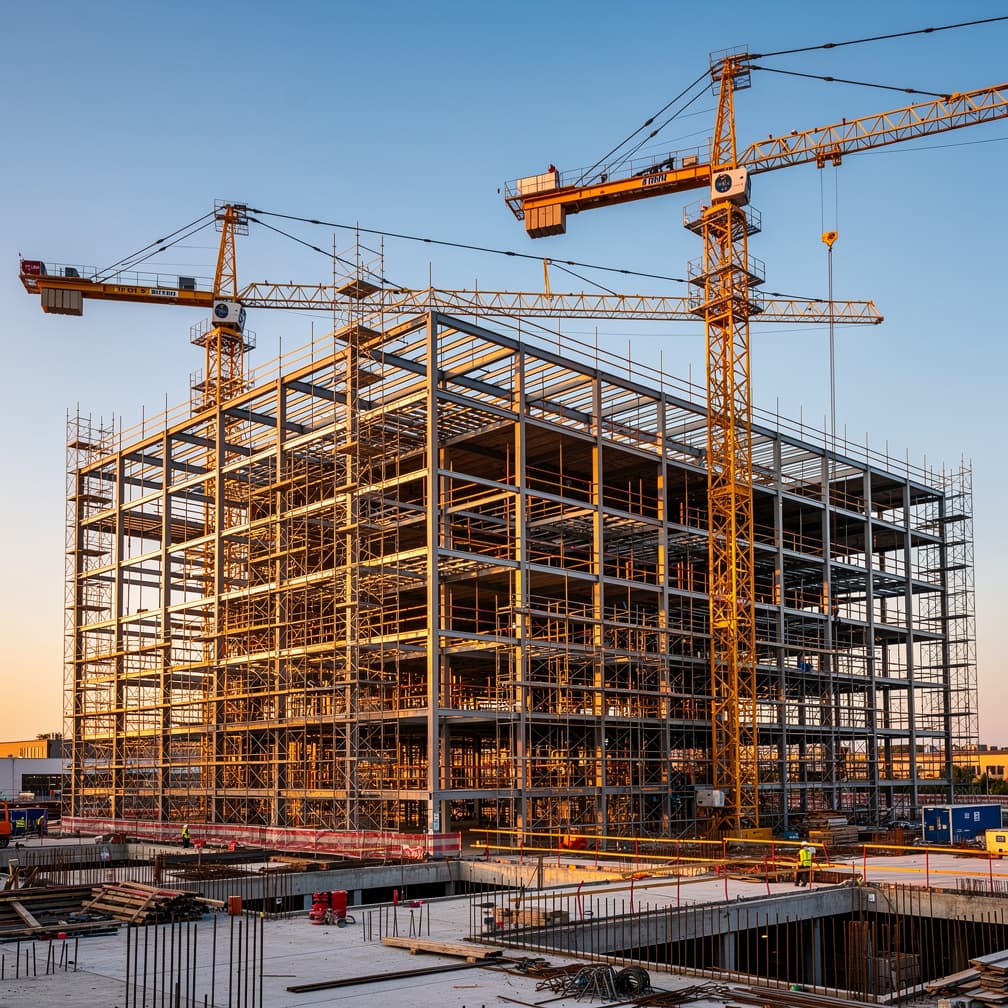
Covers the building or structure under construction.

Materials on Site
Covers building materials stored at the construction site.

Materials in Transit
Covers materials being transported to the job site.
Temporary Structures
Covers scaffolding, fencing, and temporary buildings.

Soft Costs
Covers additional expenses from construction delays due to covered losses.
Equipment Coverage
Covers permanently installed fixtures and equipment.
Builders Risk Insurance Requirements in New Jersey
- Shore-area and tidal-water projects deserve a direct review of wind and water-related causes of loss before materials are delivered or framing begins.
- Dense New Jersey redevelopment sites often need closer attention on theft controls, fencing, neighboring property exposure, and partial occupancy timing.
- Major renovations should clearly distinguish new work from the existing structure so claim responsibility does not drift between separate policies.
- Projects using custom windows, mechanical units, or imported finishes should track where those items are stored and when coverage responsibility changes.
How Much Does Builders Risk Insurance Cost in New Jersey?
Builders risk pricing in New Jersey usually turns on exposure details that underwriters can verify, not on a generic monthly average. The first pricing swing often comes from site location. A project near the coast or in an area with a history of water accumulation can be evaluated differently from an inland site, even if both jobs share the same completed value and construction schedule.
Construction type also changes the conversation. A ground-up frame project, a masonry addition, and an interior renovation inside an existing occupied building do not present the same loss profile. Underwriters often want to know how much of the existing structure remains in use, whether utilities stay live during the work, and how the site is secured after hours. If you are renovating rather than building from the ground up, be ready to separate the value of new work from the value of property that should sit under another policy.
Term length and project sequencing matter as well. A quote can change if the job includes phased turnover, long-lead materials, or a period where expensive equipment sits on site before installation. The cleaner your schedule, the easier it is to avoid paying for assumptions that do not fit the job. To shop intelligently, ask each quote to show the same valuation basis, the same covered property categories, and the same treatment of wind, water, theft, and soft-cost-related options. That side-by-side review tells you whether a lower price reflects real efficiency or simply narrower terms.
Request a Quote Comparison
Enter your ZIP code to compare builders risk insurance rates from top carriers.
Business insurance starting at $25/mo
Who Needs Builders Risk Insurance?
In New Jersey, the right question is not only who can buy builders risk, but who should be named and who is relying on the policy to perform after a loss. Owners often drive the purchase because they control the site and financing, but lenders, developers, general contractors, and construction managers may all need their interests addressed in the policy structure or supporting documents. If your contract shifts responsibility upstream or downstream, review that allocation before anyone assumes another party has already handled it.
This matters on redevelopment and renovation work across the state. A landlord improving a mixed-use property, a developer converting an older building, or a contractor handling a major addition can all have money at risk before the project is complete. If materials are delivered, installed work is damaged, or a storm interrupts the schedule, the financial impact does not fall neatly on one participant unless the contract and policy line up. Subcontractors should pay attention too, even if they are not the named insured. If you are furnishing high-value materials, fabricating custom components, or storing items off site before delivery, you need to know whether the project policy can help or whether your own inland marine or installation coverage should fill the gap. Do not assume the prime contract's insurance section automatically protects your property interest.
Any party with loan obligations, progress payment exposure, retainage at stake, or a duty to rebuild should review the setup early. Compare the insurance requirements in the contract against the draft policy schedule before the first major delivery reaches the site, so you can catch gaps while there is still time to fix them.
Builders Risk Insurance by City in New Jersey
Builders Risk Insurance rates and coverage options can vary across New Jersey. Select your city below for localized information:
How to Buy Builders Risk Insurance
Buying builders risk correctly in New Jersey starts with assembling the project file that underwriters actually use to evaluate the job. Begin with the signed or near-final contract, then add the site address, construction timeline, total completed value, scope summary, and a schedule of major materials or equipment that will be stored before installation. If the project sits near the shore or in a location with known water issues, say that up front and explain what protections are planned.
Next, identify every party that may need to appear in the policy or certificate package. That can include the owner, lender, general contractor, and others with a contractual interest. Then match the insurance requirement to the actual project structure. Renovations, tenant improvements, and additions often need extra clarity on what portion of the existing building is involved and where responsibility shifts between the builders risk policy and the property policy already in force. Ask for a plain-language review of the causes of loss, valuation method, deductible structure, term, and any conditions tied to vacancy, security, temporary heat, or protective devices. If flood, coastal storm, or water-related exposures are a concern, ask directly how they are treated rather than assuming they sit inside the base form.
Finally, compare quotes on equal terms. A useful comparison uses the same project values, the same named parties, and the same requested extensions. Once the wording matches the contract and the site conditions, submit your project details through the CPK Insurance marketplace to request a quote and receive the certificate and any lender-facing evidence of coverage needed to keep the project moving.
How to Save on Builders Risk Insurance
The most dependable way to lower builders risk cost in New Jersey is to remove uncertainty from the submission. Underwriters charge for unclear exposure, especially on projects with coastal weather concerns, renovation complexity, or expensive materials that sit uninstalled for long periods. If you provide a detailed scope, realistic schedule, and a clean statement of values, you make it easier for the quote to reflect the actual job instead of a cautious worst-case assumption.
Start with site controls by explaining fencing, lighting, locked storage, water shutoff procedures, temporary roof or opening protection, and who checks the property after hours or before a forecasted storm. Those details matter because they show how you manage theft, water intrusion, and weather-related loss before the building is complete. If materials are stored off site or delivered in phases, map that process clearly so the policy can be reviewed around real handling practices.
You can also save by tightening the policy term to the expected construction period instead of building in unnecessary extra time from the start. If the project later changes, you can review an extension rather than paying upfront for a longer term that may never be used. The same logic applies to covered property categories and optional extensions. Request what the contract and exposure justify, not every add-on by default. Most important, keep the contract, budget, and insurance application consistent. Mismatched values, missing parties, and unclear responsibility for owner-furnished materials often create rework, delays, or broader pricing cushions. A faster path to a competitive quote is a submission package that answers those questions before the underwriter has to ask.
Our Recommendation for New Jersey
For New Jersey projects, treat site exposure as a coverage design issue, not just a rating detail. If the job is anywhere near the coast or a location that can hold water after heavy rain, ask early how wind and water causes of loss are handled, what deductibles apply, and whether separate review is needed for flood-related exposure. That conversation is easier before financing closes and before materials start arriving.
On renovation work, separate the value of new construction from the existing building as clearly as possible. Many claim disputes start because the contract, the property policy, and the builders risk form describe the work differently. A line-item schedule for structural work, finishes, mechanical systems, and owner-furnished items gives you a cleaner basis for quoting and for claim handling later. If your project depends on custom materials or long-lead equipment, document where those items sit at each stage. New Jersey jobs often face weather interruptions and delivery timing issues, so you want the policy review to follow the actual supply chain, not a simplified assumption that everything moves straight from supplier to installation. Ask for one final check against the construction contract while there is still time to correct named interests, evidence of coverage requirements, and lender conditions.
FAQ
Frequently Asked Questions
Renovation projects often warrant builders risk review when the work is substantial, financed, or contractually required. The key step is making sure the policy matches the actual exposure, which means clarifying what the project covers versus what sits under an existing property policy.
Projects should not assume flood is automatically included. If the site is near the coast, tidal water, or a location with recurring water issues, ask for a direct review of flood and other water-related causes of loss before you commit to coverage.
Contracts often decide that question. Owners commonly purchase the policy, but lenders, developers, and general contractors may all have requirements or interests that need to be reflected in the policy structure and evidence of coverage.
Lenders usually want evidence that the project, named interests, and valuation basis match the loan and construction documents. If the certificate package is incomplete or the policy terms do not track the contract, funding can slow down.
Underwriters usually need the site address, contract, construction timeline, completed value, scope of work, and any details about stored materials or coastal exposure. The more specific your submission, the more accurate the quote comparison.
Projects using staged deliveries or custom materials should ask that question specifically. Off-site storage may be handled differently from property already delivered, so you want the quote to identify how stored materials are treated before a loss occurs.
Insurance oversight runs through the New Jersey Department of Banking and Insurance. If policy wording, notices, or producer explanations are unclear, you can file a complaint or request consumer guidance from that office before you commit to coverage.
Builders risk insurance may cover, subject to policy terms, the structure under construction, materials on site, materials in transit, temporary structures, and fixtures or equipment being installed. Depending on the policy, you can also review soft costs and delay-related coverage tied to a covered property loss.
Sources
- 1.New Jersey Department of Banking and Insurance(The state regulator is the New Jersey Department of Banking and Insurance.)
Updated July 16, 2026