Updated July 16, 2026

Key Takeaways
- List every towing and transport service you perform before requesting quotes, so loading, unloading, winching, and recovery exposures are reviewed correctly.
- Compare the on-hook limit, deductible, valuation method, and exclusions side by side instead of choosing a policy on premium alone.
- Ask in writing whether your policy addresses the specific vehicles you tow most often, especially specialty, modified, low-clearance, or higher-value units.
- Use pre-tow photos, condition notes, and signed release procedures on every job to reduce disputes and support claims handling.
- Review on-hook coverage together with auto liability and any garagekeepers coverage before renewal to catch gaps between transport and storage.
On-Hook Towing Insurance in New Jersey
Dense local roads, shore traffic, urban impounds, and recovery calls all create an environment where a small handling mistake can turn into a disputed vehicle damage claim. Your quote should match how your trucks actually work across wheel-lift tows, flatbed transport, police rotation work, private property impounds, dealer moves, and after-hours roadside calls. A truck that mostly handles short local tows is underwritten differently from one that regularly moves luxury vehicles or responds to crash scenes where loading conditions are less controlled. You also need to think about where vehicles are picked up, how often they are moved in confined lots or parking decks, and whether your drivers document condition before hookup and at drop-off.
What On-Hook Towing Insurance Covers
If your work includes apartment-complex removals, municipal towing, highway breakdowns, dealer transfers, or post-collision recovery, the exposure changes with each handoff, each loading surface, and each type of vehicle you move. Your policy review should focus on the real points where damage allegations start.
For many operators, the first issue is how vehicles are handled in confined spaces. Narrow parking rows, angled curbside pickups, low-clearance garages, and crowded roadside shoulders can all increase the chance of contact during hookup or unloading. If your drivers regularly reposition vehicles before attachment, use dollies, or winch units with existing body damage, you want those operating details disclosed up front so the quote is built around actual handling conditions.
The next issue is vehicle mix. A towing business that mostly moves standard passenger cars presents a different claim profile from one that also handles luxury vehicles, modified trucks, electric vehicles, or units with pre-existing suspension or body issues. You should ask how the insurer wants specialty tows described, whether premium units should be scheduled differently, and how claim documentation is expected when damage is alleged after transport.
You should also review where your on hook coverage ends and where your other policies begin. A New Jersey towing operation often needs clean coordination between this coverage, garagekeepers, auto liability, physical damage, and any inland marine or equipment coverage already in place. Before you buy, ask how each policy is expected to respond at every stage of the tow so there are no gaps in protection.
Collision on Hook
Covers damage to towed vehicles from collisions during transport.
Comprehensive on Hook
Covers theft, fire, and weather damage to vehicles being towed.
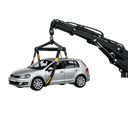
Loading & Unloading
Covers damage during the process of loading and unloading vehicles.
Winching Coverage
Covers damage to vehicles during winching and recovery operations.
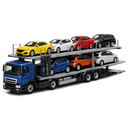
Multiple Vehicle
Covers all vehicles on multi-car carriers and rollback flatbeds.
On-Hook Towing Insurance Requirements in New Jersey
- New Jersey towing accounts often need extra attention to condition documentation because short urban moves and tight private-lot pickups can still produce body, wheel, or suspension damage allegations.
- If your operation mixes shore-area traffic, municipal towing, and private property impounds, describe each workflow separately so the quote reflects how vehicles are actually handled.
- A New Jersey submission is stronger when it explains whether your drivers mainly perform controlled scheduled transport or unpredictable roadside and post-collision pickups.
- If you add new contract work during the policy term, update the insurer promptly so your file still matches your service territory, truck use, and vehicle mix.
How Much Does On-Hook Towing Insurance Cost in New Jersey?
The cost of a New Jersey on hook quote usually turns on claim severity potential, not just whether you own one truck or several. A straightforward local towing account with clean loss history and standard passenger vehicles generally presents a simpler underwriting picture than a mixed operation handling impounds, recovery work, dealer transport, and higher-value vehicle moves. An account that runs six service lines needs a different submission from one that runs two.
One major pricing factor is the type of vehicles you tow. Standard private-passenger vehicles are one thing. High-end cars, commercial units, motorcycles, lowered vehicles, and damaged vehicles pulled from collision scenes can create a different loss profile because loading, securement, and unloading are less predictable. If your dispatch board includes any of those jobs, say so early. A cheaper-looking quote built on incomplete information can create problems later if a claim does not match the application.
Another factor is where and how your trucks operate. Dense traffic, narrow access points, private lots, roadside shoulders, and after-dark calls can all affect how an underwriter views the account. The same is true if your drivers perform winching, recovery, or nonstandard hookups. Your quote should reflect whether work is mostly scheduled and controlled, mostly emergency response, or a mix of both.
Documentation also affects pricing and placement. If you keep driver lists current, maintain equipment schedules, use pre-tow and post-tow photos, and record vehicle condition at pickup, you give the underwriter a cleaner file to evaluate. That does not guarantee a lower premium, but it can improve how your operation is understood. When you request quotes, send a complete service breakdown, your target limits, your truck list, and a clear explanation of any prior losses so the pricing is based on the account you actually run.
Request a Quote Comparison
Enter your ZIP code to compare on-hook towing insurance rates from top carriers.
Business insurance starting at $25/mo
Who Needs On-Hook Towing Insurance?
This coverage matters for any New Jersey business that can be accused of damaging a vehicle while it is being moved by your tow equipment, even if towing is only part of what you do. That includes traditional towing companies, but it also reaches operators whose revenue comes from a mix of roadside service, transport, impounds, recovery, or contracted vehicle relocation. If your crew takes custody of vehicles and physically moves them with a tow truck, you should review this exposure closely.
This is especially important for businesses that work under more than one referral source. A company may handle police calls, private property removals, dealer work, and direct consumer breakdowns in the same month. Each source can bring different expectations about documentation, release procedures, and condition disputes. If one part of your operation involves hurried pickups in difficult locations, that can shape the whole account from an underwriting standpoint.
You should also think beyond the business name on your door. Some operators market themselves around roadside assistance, transport, fleet support, or recovery rather than towing, yet they still attach, lift, winch, or carry customer vehicles. If that is your operation, the exposure is still there. The question is not what you call the service. The question is whether a customer vehicle can be damaged while your truck is moving it.
New Jersey buyers should be especially careful if they subcontract overflow work, rotate drivers between trucks, or add occasional specialty jobs without updating their insurance file. Those changes can matter because the insurer is evaluating how vehicles are handled in the field, not just what appears on your invoice template. Before renewal, compare your current policy to your actual dispatch history and ask whether every service line and truck setup is still accurately represented.
On-Hook Towing Insurance by City in New Jersey
On-Hook Towing Insurance rates and coverage options can vary across New Jersey. Select your city below for localized information:
How to Buy On-Hook Towing Insurance
Buying this coverage in New Jersey goes more smoothly when you present your operation the way an underwriter will examine it after a claim. Start by separating your work into clear categories such as routine roadside towing, accident recovery, private property impounds, dealer or auction transport, municipal or police rotation work, repossession support, and any specialty hauling. That service map helps prevent a quote from being built on assumptions that do not fit your dispatch reality.
From there, prepare a current equipment and driver file. List each truck, how it is configured, what it is mainly used for, and whether it is assigned to wheel-lift towing, flatbed transport, recovery, or mixed service. Then match that with a current driver roster and a short explanation of who handles the more difficult calls. If newer drivers are limited to simpler jobs, say so. Underwriters want to understand not only what equipment you own, but how it is used in practice.
Gather the documents that support your story. That usually means prior loss details, photos or descriptions of securement equipment, service territory notes, and examples of your intake and release process. If you use condition photos, signed tow tickets, dispatch logs, or drop-off confirmation procedures, include that in the submission. Those details can help distinguish a disciplined operation from one that leaves too much undocumented.
You should also ask direct coverage questions before binding. Ask how the insurer wants premium or specialty vehicles disclosed, whether nonstandard recovery work changes the quote, how claims involving pre-existing damage are handled, and where this policy is expected to coordinate with your other coverages. New Jersey buyers should not rush the final step. Review the quote against your actual jobs from the last several months, then correct anything that looks too narrow, too broad, or simply inaccurate before you approve the policy. Request a quote through CPK Insurance to compare your options with participating licensed providers.
How to Save on On-Hook Towing Insurance
The most reliable way to save on this coverage in New Jersey is to make your operation easier to classify, easier to document, and easier to defend. Start with job clarity. If your application blurs together routine towing, recovery, impounds, and specialty transport, the insurer may price for uncertainty. A cleaner breakdown of services gives the underwriter a better basis for evaluating your account.
Driver procedure is another place to control cost pressure over time. Use a consistent pre-hook and post-drop photo routine, require notes on existing damage, and make sure dispatch records show where the vehicle was picked up, how it was moved, and who handled the tow. Those habits do not just help after a loss. They can also make your account more credible at renewal because the insurer sees a business that can reconstruct events clearly.
Equipment discipline matters too. Keep your truck list current, remove units you no longer use, and identify which trucks handle the more difficult assignments. If one truck is used for standard local tows and another is used for heavier or more complex work, your insurance file should show that distinction. The same goes for securement gear and any specialty attachments. A vague schedule can lead to vague underwriting, and vague underwriting rarely helps pricing.
You can also save by reviewing limits and deductibles with your actual vehicle mix in mind instead of copying last year's setup. If your work has shifted toward lower-value routine tows, your structure may need one conversation. If you are taking more dealer, fleet, or specialty moves, it may need another. The right structure is the one that fits how you really work.
Our Recommendation for New Jersey
For New Jersey towing operators, the smartest buying move is to treat on hook coverage as an operations review, not just a line item. Start with your dispatch history and identify the jobs that create the most disagreement after the fact. Confined-lot impounds, collision pickups, low-clearance removals, specialty vehicles, and after-hours calls where photos are easy to skip are the jobs your quote needs to contemplate.
You should also tighten the handoff between dispatch, driver, and office staff. If the office describes your business as routine towing but the field regularly handles recovery or premium transport, the policy can be built on the wrong picture. A short internal checklist helps. Vehicle type, pickup environment, visible prior damage, hookup method, destination, and drop-off confirmation should all be recorded consistently.
Because New Jersey oversight runs through the New Jersey Department of Banking and Insurance, keep your policy records, endorsements, and operating descriptions organized and current. That agency sets the rules for how policies are sold and serviced in the state, which means your coverage documents and any complaint or claim questions are handled under its framework. If a claim dispute or coverage issue arises that you cannot resolve with your insurer, you can file a complaint with the department and it will review the matter. That matters most when your business changes midterm, such as adding trucks, changing service territory, or taking on new contract work. Before binding or renewing, ask for a line-by-line review of covered operations, exclusions, deductibles, and claim reporting steps, then correct anything that does not match the jobs you actually accept.
FAQ
Frequently Asked Questions
Yes. Private property removals and similar jobs can involve tighter spaces, faster pickups, and more condition disputes. A quote works better when the insurer sees the full service mix before binding.
Compare quotes using the same truck list, driver information, service categories, and claim history each time. Then review deductibles, covered operations, and how each policy coordinates with your other coverages before choosing.
Yes. Roadside operators still need to review this exposure because many claims start during hookup, loading, transport, or unloading on routine calls. Short-distance towing does not remove the need to match coverage to actual handling conditions.
Insurance oversight runs through the New Jersey Department of Banking and Insurance. That agency sets the rules for how policies are sold and serviced in the state, so your coverage documents and any complaint or claim questions are handled under its framework.
Usually, yes. Scheduled vehicle moves can present a different handling pattern, vehicle mix, and documentation expectation than emergency dispatches, so separating them gives the underwriter a clearer picture.
Towing companies can often seek coverage while also doing recovery work, but the recovery exposure needs to be described clearly. Ask the insurer how nonstandard winching, crash-scene work, and specialty tows affect the quote.
Prepare a current truck schedule, driver roster, service breakdown, prior loss details, and examples of tow documentation. That gives the underwriter a clearer picture of how vehicles are handled throughout the job.
On-hook towing insurance may cover damage to a customer vehicle while it is being loaded, attached, carried, winched, or unloaded by your tow truck, depending on the policy terms. Buyers should review collision, fire, theft, weather, and loading-related damage carefully.
Sources
- 1.New Jersey Department of Banking and Insurance(New Jersey oversight runs through the New Jersey Department of Banking and Insurance.)
Updated July 16, 2026