Updated July 16, 2026

Key Takeaways
- List every towing and transport service you perform before requesting quotes, so loading, unloading, winching, and recovery exposures are reviewed correctly.
- Compare the on-hook limit, deductible, valuation method, and exclusions side by side instead of choosing a policy on premium alone.
- Ask in writing whether your policy addresses the specific vehicles you tow most often, especially specialty, modified, low-clearance, or higher-value units.
- Use pre-tow photos, condition notes, and signed release procedures on every job to reduce disputes and support claims handling.
- Review on-hook coverage together with auto liability and any garagekeepers coverage before renewal to catch gaps between transport and storage.
On-Hook Towing Insurance in New York
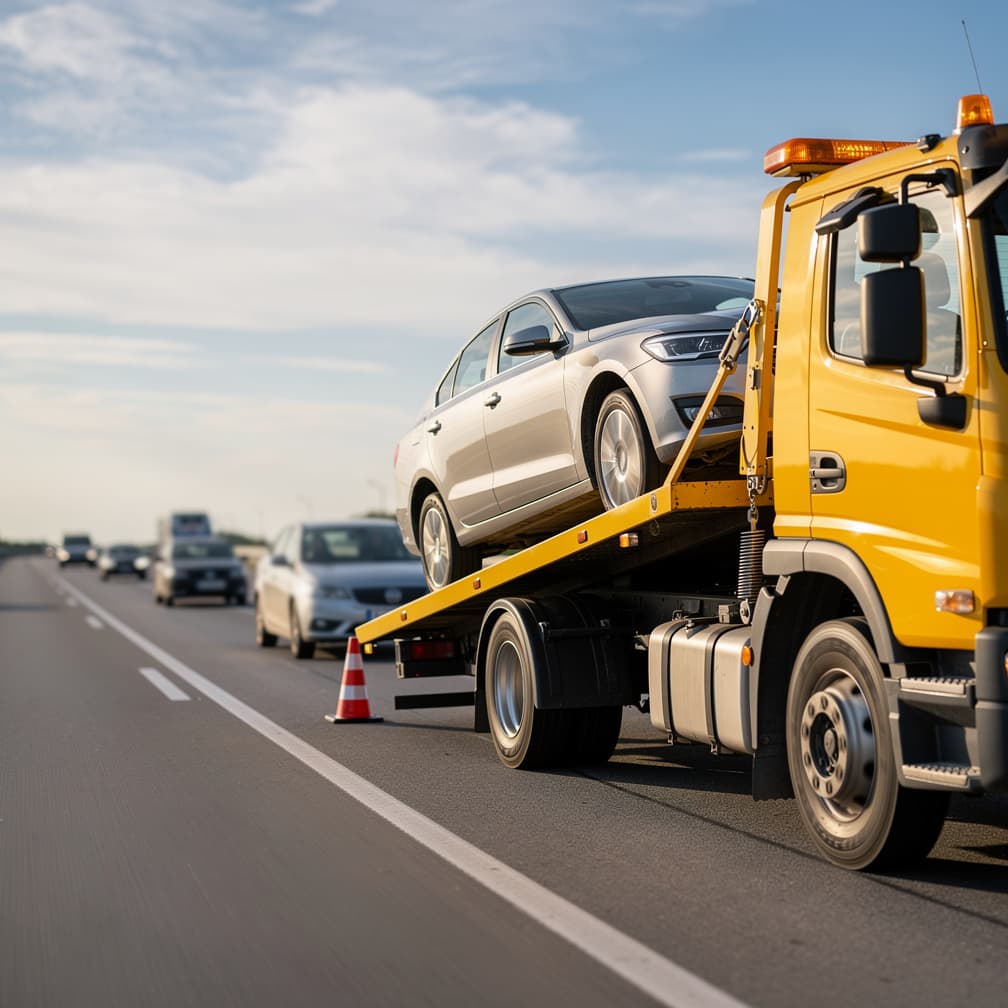
A tow company working dense overnight rotations in the five boroughs usually faces a different on-hook profile than an operator handling longer highway runs upstate. In the city, tight curb space, parking structures, police rotations, and frequent loading and unloading can make attachment points, clearance, and handoff documentation central to the quote. Upstate, longer transport distances, winter road conditions, and more rural recovery calls can shift attention toward the kinds of vehicles you move, where they are stored between dispatches, and how often a tow turns into a more complicated recovery. That is why this coverage in New York should be reviewed around your actual routes, dispatch patterns, and vehicle mix, not just your business name. Forms, underwriting questions, and proof-of-coverage expectations should be handled carefully before you add trucks or sign new contracts. Before you request quotes, break out your service mix by truck so your application matches what your drivers really do.
What On-Hook Towing Insurance Covers
On-hook towing insurance can help pay for damage to a customer's vehicle while it is attached to your tow truck and in your custody for transport. In New York, the most useful review is a close look at where that exposure changes during the workday. A truck assigned to apartment-complex impounds, municipal rotation calls, and narrow-street breakdowns can create a different claim pattern than a flatbed moving disabled vehicles between repair shops or auctions. If your drivers regularly work in parking garages, under low-clearance structures, or on crowded commercial blocks, ask the agent to walk through how loading, securing, bed angle, wheel-lift use, and unloading are described in the policy language.
You should also match the coverage discussion to the kinds of vehicles you actually tow. Luxury vehicles, electric vehicles, lowered cars, commercial vans, and all-wheel-drive units can each change how a loss develops and how expensive it becomes. In practice, that means your quote should reflect whether you use dollies, skates, soft straps, specialty tie-downs, or other equipment that reduces the chance of damage during hookup and transport.
Snow, ice, heavy rain, and flood-prone streets can turn a routine tow into a winching or recovery situation, and that can affect how you describe your operation to underwriting. If part of your book includes police impounds, private property removals, or post-accident recovery, ask for a line-by-line review of where on-hook ends and where other towing-related coverages may need to be considered so there are fewer surprises after a loss.
Collision on Hook
Covers damage to towed vehicles from collisions during transport.
Comprehensive on Hook
Covers theft, fire, and weather damage to vehicles being towed.
Loading & Unloading
Covers damage during the process of loading and unloading vehicles.
Winching Coverage
Covers damage to vehicles during winching and recovery operations.
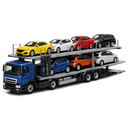
Multiple Vehicle
Covers all vehicles on multi-car carriers and rollback flatbeds.
On-Hook Towing Insurance Requirements in New York
- New York towing operations that move between tight city streets and longer upstate routes should describe each territory clearly, because loading conditions and claim severity can differ sharply.
- If your work includes private property impounds, police rotation calls, or apartment-complex towing, ask for a careful review of documentation expectations at pickup and release.
- Winter weather, flood-prone streets, and mixed recovery work can change how a routine tow is performed, so your submission should explain when a standard dispatch becomes a more technical scene.
- Operators handling luxury vehicles, electric vehicles, or low-clearance cars should list the equipment and securement methods used to reduce damage during hookup and unloading.
How Much Does On-Hook Towing Insurance Cost in New York?
For a New York towing operation, on-hook pricing usually turns on claim severity, not just truck count. Underwriters want to know what kinds of vehicles you handle, whether you run flatbeds or wheel-lifts, how often you perform recovery work, where your trucks operate, and how your drivers document condition before hookup. A business doing scheduled dealer transfers on predictable routes may be viewed differently from one taking late-night dispatches, private impounds, and accident calls across multiple boroughs or counties.
Towing in tight city environments can mean narrower turns, more pedestrian traffic, more parked vehicles, and more opportunities for disputed damage. Longer suburban or upstate routes can mean more miles with a customer vehicle in tow, more exposure to winter weather, and more variation in road conditions. Storage practices matter too. If a vehicle stays on your truck or at your lot between pickup and delivery, explain that clearly so the quote reflects the real chain of custody.
Your limits, deductibles, driver experience, loss history, and service mix all affect cost. So do the procedures you use to defend a claim. Time-stamped photos, dispatch logs, signed condition reports, and written securement standards can help an underwriter see a more controlled operation. Submit the same detailed operating information to each market so you can compare terms on equal footing and see whether a lower premium is tied to a narrower form, a higher deductible, or tighter restrictions on the work you actually perform.
Request a Quote Comparison
Enter your ZIP code to compare on-hook towing insurance rates from top carriers.
Business insurance starting at $25/mo
Who Needs On-Hook Towing Insurance?
In New York, you should review on-hook exposure any time your business takes custody of someone else's vehicle and moves it by tow truck as part of paid operations. That includes companies that market themselves as towing services, but it also reaches operators whose revenue comes from roadside assistance, transport, impounds, recovery, municipal rotation work, dealer support, or apartment and retail parking enforcement. If a customer vehicle is attached to your truck and your business could be blamed for damage during that movement, this coverage belongs in the conversation.
A company may spend one day handling breakdown tows, another day moving disabled fleet vans, and another responding to accident scenes or private property removals. Each of those shifts can change your exposure.
New York operators should be especially careful if they tow in dense commercial districts, older residential neighborhoods with limited access, or winter conditions that turn a simple hookup into a more technical recovery. The same is true if you handle specialty vehicles, low-clearance cars, electric vehicles, or units that require dollies and nonstandard securement methods. If your contracts, dispatch records, or invoices show that you regularly take possession of customer vehicles for movement, gather those documents before quoting. They help define the real exposure and reduce the chance that an underwriter prices your business for the wrong kind of towing.
On-Hook Towing Insurance by City in New York
On-Hook Towing Insurance rates and coverage options can vary across New York. Select your city below for localized information:
How to Buy On-Hook Towing Insurance
Buying this coverage in New York goes more smoothly when you build the submission around operations, not assumptions. Start with a current equipment and service schedule for every truck. Note which units are flatbeds, which are wheel-lifts, which handle recovery, and which are used for dealer moves, impounds, or roadside calls. Then separate your work by dispatch type so the underwriter can see how often a routine tow becomes a more complex scene.
Next, prepare the documents that explain how you control damage. That usually means driver lists, motor vehicle records if available, written securement procedures, training notes, sample dispatch tickets, and photo protocols for pre-tow and post-delivery condition. If you use body cameras, mobile apps, or time-stamped image storage, mention that.
You should also be ready to describe where you operate in New York and where vehicles are taken after pickup. A carrier may need to understand whether you work mostly in city traffic, suburban corridors, highway routes, private lots, police rotations, or mixed territory. If you subcontract overflow work or use owner-operators, disclose that early so the quote is built correctly.
Before binding, review exclusions, deductibles, valuation approach, and any restrictions tied to recoveries, specialty vehicles, or unattended units. Keep your business name, addresses, and supporting documents consistent across the application and any certificates you request. Then compare quotes based on terms and fit, not premium alone. Request a quote through CPK Insurance to compare your options with participating licensed providers.
How to Save on On-Hook Towing Insurance
In New York, the most reliable way to lower on-hook costs is to make your operation easier to underwrite and easier to defend. Start with scene documentation. Require clear photos before hookup, after securement, and at delivery. That single habit can help separate pre-existing damage from tow-related damage, especially in tight city work where customers may not be present at pickup.
Standardize securement by vehicle type. If your drivers handle low-clearance cars, all-wheel-drive vehicles, commercial vans, or electric vehicles, use written procedures for each and keep the equipment to match. Underwriters look more favorably on operations that can show consistent methods instead of driver-by-driver improvisation. Winter operations deserve the same attention. If snow and ice change how you load, winch, or unload, document those procedures and train to them.
You can also save by tightening service definitions on your application. Grouping every truck into one broad category can lead a carrier to price your whole fleet as if it performs the riskiest work all week. Review driver selection too. Experienced operators with documented training, prompt incident reporting, and fewer preventable losses usually present better than a business with informal hiring and no written standards.
Finally, choose a deductible your business can actually absorb without disrupting cash flow. A higher deductible may reduce premium, but it only helps if you can fund it when a claim happens. Ask for quote options that show the tradeoff clearly, then keep your records, equipment maintenance, and dispatch controls current before renewal.
Our Recommendation for New York
For New York towing businesses, the smartest buying move is to quote this coverage with a real map of your service territory beside you. If most of your work happens in dense city blocks, ask specifically about disputed-damage handling, loading-space constraints, and how the policy responds when a routine tow involves multiple stops or delayed delivery. If your routes are more suburban or upstate, focus on distance in tow, winter operations, and whether recovery work is occasional or a regular part of revenue.
Do not let your application flatten the differences between trucks. A flatbed used for dealer transfers should not be described the same way as a wheel-lift unit taking overnight impound calls unless they truly do the same work. Separate those exposures, list specialty equipment, and explain any use of dollies, skates, or EV handling procedures.
At renewal, review claims files, dispatch logs, and photo records before you shop. Look for patterns, garage-clearance incidents, wheel damage allegations, or losses tied to a specific service type. Then ask for terms that fit those patterns instead of chasing the lowest premium. If a quote looks cheaper because it narrows the work you actually perform, it is not a real savings.
FAQ
Frequently Asked Questions
New York insurance is regulated by the New York State Department of Financial Services, so your application details, business name, and supporting documents should stay consistent from quote to binding.
New York operations often see different underwriting questions based on where trucks run. City work can involve tighter loading conditions and more disputed damage, while upstate routes may raise more questions about distance, weather, and recovery frequency.
New York tow companies should list impounds and rotation work separately from routine roadside towing whenever possible. That gives the underwriter a clearer picture of scene conditions and documentation practices.
New York towing risks can change in winter because snow, ice, and poor road conditions may turn a simple hookup into a more technical tow or recovery. Explain those conditions clearly when you request quotes.
New York towing businesses should gather driver information, truck schedules, service descriptions, dispatch samples, and time-stamped photo procedures. Those records help the carrier understand how your operation controls damage before and after hookup.
New York towing businesses should not assume every truck belongs on the same application description. If a flatbed handles dealer moves and a wheel-lift handles impounds or roadside calls, separate those uses during quoting.
New York towing companies often work in crowded conditions where customers are not always present at pickup. Clear photos, dispatch notes, and condition records can make a major difference when damage is alleged after delivery.
On-hook towing insurance may cover damage to a customer vehicle while it is being loaded, attached, carried, winched, or unloaded by your tow truck, depending on the policy terms. Buyers should review collision, fire, theft, weather, and loading-related damage carefully.
Sources
- 1.New York State Department of Financial Services(New York insurance is regulated by the New York State Department of Financial Services.)
Updated July 16, 2026