Updated July 16, 2026

Key Takeaways
- List every way customer vehicles enter, move through, and stay on your premises before you request a garage keepers quote.
- Compare collision losses against theft, fire, vandalism, and weather losses so your quote matches your actual custody exposure.
- Ask how customer vehicles are valued after a loss, especially if you handle newer, specialty, or recently upgraded vehicles.
- Review key control, intake photos, lot security, and employee driving rules before renewal to improve both pricing and claim defensibility.
- Request side-by-side quotes with the same limits, deductibles, and storage assumptions so you can spot real coverage differences.
Garage Keepers Insurance in North Carolina
A customer drops off a pickup for brake work before a coastal storm band moves through, or leaves an SUV overnight while your lot is already tight from end of week backlog. If a vehicle is damaged while it sits outside, is being repositioned, or is waiting for parts, the loss usually turns into a direct question about who had control of the keys. That is why garage keepers insurance in North Carolina deserves a closer review than a generic package add-on. In this state, weather swings, outdoor storage, and after-hours drop offs can change your exposure from one week to the next. You want a quote built around your actual custody patterns, not a broad assumption about a repair shop or detail operation.
As you compare options, ask how the policy responds to vehicles stored outside, how claims are handled when multiple customer units are on site, and whether your limits match the highest total value you could be holding at one time.
What Garage Keepers Insurance Covers
North Carolina buyers usually need to focus less on the basic definition and more on the situations that create disputes after a loss. A practical review starts with where vehicles spend time on your premises. If units sit in an open lot overnight, you should ask how the policy treats weather-related damage, falling objects, vandalism, and theft allegations tied to key control or perimeter security. If vehicles move between a service bay, overflow parking, and a fenced storage area, document that flow before you request terms.
This matters in North Carolina because the state sees several natural hazard patterns over the course of a year, and those conditions can affect whether vehicles are left inside, staged outside, or moved quickly before a storm. That does not change the core purpose of the policy, but it does change the questions an underwriter will ask about your lot layout, drainage, tree exposure, and overnight procedures. If your operation is near the coast, in a low-lying area, or in a corridor that sees severe weather, bring that up early so the quote reflects real storage conditions.
You should also review how your policy coordinates with the rest of your garage program. A claim can involve more than one issue at once, such as a customer vehicle damaged on site while your business also faces a separate premises allegation. Keep your application language consistent across garage liability, property, and any dealer or service-related coverages. Before binding, ask for a plain-language explanation of covered causes of loss, exclusions, deductibles, and whether your chosen basis fits how you want claims evaluated.
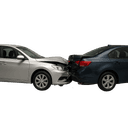
Collision Coverage
Covers damage to customers' vehicles from collisions while in your care.

Comprehensive Coverage
Covers theft, vandalism, fire, and weather damage to customers' vehicles.
Specified Perils
Covers only specifically named perils at a lower premium.

Legal Liability
Covers damage you or your employees directly cause to a customer's vehicle.

Direct Primary
Pays regardless of fault, the broadest garage keepers coverage available.
Garage Keepers Insurance Requirements in North Carolina
- North Carolina weather patterns make outdoor storage a bigger underwriting issue. When you describe your operation, cover drainage, tree exposure, and emergency relocation procedures in detail.
- If your shop uses an overflow lot or fenced secondary storage area, confirm that every location where vehicles are kept is disclosed before binding.
- Coastal and inland operations can present differently, so your application should explain how often units remain on site overnight during severe weather periods.
- After-hours drop offs are common at many service businesses, and that makes key handling, intake documentation, and first morning inspection procedures worth spelling out.
How Much Does Garage Keepers Insurance Cost in North Carolina?
Garage keepers pricing in North Carolina is usually shaped by operational detail, not by a simple statewide average. An underwriter will want to know how many vehicles you hold at one time, the mix of ordinary cars versus higher value trucks or specialty units, whether storage is mostly indoors or outdoors, and how often employees move vehicles around the lot. If your business stacks work at the end of the week or keeps vehicles waiting on parts, your peak custody count may matter more than your daily average. If you normally hold eight units overnight but that number jumps to twenty during a storm backlog, your policy needs to reflect the twenty vehicle exposure, not the eight.
State conditions can also affect pricing conversations. North Carolina weather exposure is not the same in every market, so a shop with enclosed overnight storage may present differently from one that relies on an open lot during storm season. The more clearly you can show where vehicles are parked, how keys are secured, when gates are locked, and who is authorized to move customer units, the easier it is for a carrier to evaluate the risk. That can help you avoid paying for uncertainty that comes from vague applications.
You should expect cost discussions to center on limits, deductibles, claims history, and the value concentration on your premises at any one time. If you service commercial pickups, late-model SUVs, or performance vehicles, tell the agent that up front. Say you run a $35,000 limit and a hailstorm damages three customer pickups parked in your lot. If each truck is worth $45,000, you are $100,000 short before the deductible even applies. Ask for quote options that show how premium changes with higher limits and different deductibles, then compare those options against your busiest overnight inventory rather than your slowest month.
Request a Quote Comparison
Enter your ZIP code to compare garage keepers insurance rates from top carriers.
Business insurance starting at $25/mo
Who Needs Garage Keepers Insurance?
In North Carolina, the businesses that most often need this coverage are the ones that regularly accept keys and decide where vehicles wait, move, or stay overnight. That includes repair shops, body shops, tire and brake operations, transmission shops, detailers, dealer service departments, towing yards, and storage operations tied to mechanical or collision work. The common thread is not the sign on the building. It is the moment your staff takes control over where a customer's vehicle is kept.
State-specific exposure often shows up in the way local operations use space. A smaller urban shop may road test less but park tightly and move vehicles several times a day. A suburban or rural operation may have more outdoor storage and more vehicles left after hours for pickup. A coastal business may need a stricter plan for moving customer units before severe weather. If any of those patterns sound familiar, you should review your setup before the next renewal.
You may also need a closer look if your business model has changed. Many North Carolina shops now handle longer parts delays, more after-hours drop offs, and more customer communication by text rather than in person. That can leave vehicles on site longer than your old insurance application suggests. If you added valet-style pickup, off-site storage, or a fenced overflow lot, your prior limits and terms may no longer match your real exposure.
Garage Keepers Insurance by City in North Carolina
Garage Keepers Insurance rates and coverage options can vary across North Carolina. Select your city below for localized information:
How to Buy Garage Keepers Insurance
Buying garage keepers coverage in North Carolina starts with a site-specific inventory of how vehicles enter, move through, and leave your operation. Map the process from first drop off to final pickup. Note whether customers leave keys in a night box, whether staff photograph vehicles at intake, where units are parked while waiting on authorization, and whether any vehicles are stored off site or in overflow areas. Those details help an agent present your risk accurately instead of forcing an underwriter to guess.
Next, build your submission around the exposures that matter in this state. Explain whether vehicles are stored outside during storm-prone periods, whether your lot has drainage issues, whether trees or unsecured neighboring structures could affect parked vehicles, and how you handle emergency relocation if severe weather is expected. If your operation is in an area where weather can change quickly, say so directly. A cleaner submission usually produces more useful quote comparisons. Request a quote through CPK Insurance to compare your options with participating licensed providers.
You should also ask who regulates insurance questions in the state, because complaint handling and consumer guidance matter if a claim becomes disputed. The North Carolina Department of Insurance is the state's insurance regulator, so keep that reference point in mind as you review policy forms and carrier responses. Before you buy, request specimen wording or a clear coverage summary, confirm the deductible, verify the limit against your maximum vehicle accumulation, meaning the most vehicle value you could have on your lot at one time, and ask the agent to explain any exclusion that could affect outdoor storage, theft allegations, or weather-related losses.
How to Save on Garage Keepers Insurance
The best savings strategy in North Carolina is to reduce the parts of your operation that look unpredictable on paper. Start with vehicle accumulation. If too many customer units sit outside overnight because pickups bunch up at the end of the week, change scheduling or pickup procedures so your lot carries less total value at one time. A carrier often views controlled flow more favorably than a business that lets vehicles pile up without a written storage plan.
Then tighten documentation. Use intake photos, note pre-existing damage, record where each vehicle is parked, and keep a key log that shows who moved the unit and when. If a claim happens after a storm, theft allegation, or lot incident, those records can help establish what happened and narrow the dispute. Better records do not just support claims handling. They can also make your account easier to underwrite at renewal, because a carrier can see your procedures rather than guessing at them.
Physical controls matter too. Review lighting, fencing, gate procedures, camera placement, and where high value vehicles are stored after hours. If indoor space is limited, reserve the most protected spots for the highest value units or the vehicles most exposed to weather. You should also compare deductible options carefully. A higher deductible can lower premium, but only if your business can absorb that amount without straining cash flow after a loss. Ask for side-by-side quote options and choose the structure that fits your real overnight exposure, not just the lowest upfront number.
Our Recommendation for North Carolina
For North Carolina operations, the most useful buying move is to match your limit to the highest total value of vehicles you could hold during a bad weather week, not to a normal day in mild conditions. Shops often underestimate accumulation when parts delays, weekend storage, and after-hours drop offs overlap. That gap becomes obvious only after a storm or lot incident damages several vehicles at once, which is the worst time to discover your limit is short.
You should also separate routine movement from exceptional movement. If employees regularly reposition vehicles to clear bays, protect units from weather, or make room for tow ins, say that clearly in the application. Frequent lot movement changes risk, and vague descriptions can create trouble later. An underwriter who understands your actual traffic pattern is less likely to raise concerns mid-policy or challenge a claim based on movement your staff considers routine.
If your business relies on outdoor storage, ask for a direct conversation about covered causes of loss, exclusions, and deductibles tied to weather or theft-related claims. Do not assume the broadest sounding option is the best fit. The better choice is the one that matches how your lot actually operates, meaning the policy should reflect whether you park vehicles indoors, use a fenced lot, or stage units in an open field during storm season. A policy that sounds comprehensive but excludes the exact conditions you work in can leave you worse off than a narrower policy built around your real setup.
Finally, review your procedures before you review price. Intake photos, key control, overnight parking maps, and a written storm response plan can improve both underwriting and claims handling. Bring those materials to the quote request so the policy is built around your operation as it exists now, not as it looked a few years ago.
FAQ
Frequently Asked Questions
Repair shops should strongly consider it whenever vehicles remain on site overnight, especially if units are parked outside or moved after hours. The key issue is your custody of the vehicle and whether your limits match the total value you could be holding.
Coastal weather can change how underwriters view outdoor storage, emergency relocation, and vehicle accumulation. If your lot is exposed to storm conditions, review how covered causes of loss, deductibles, and exclusions apply before you bind coverage.
Insurance questions are overseen by the North Carolina Department of Insurance. That matters if you want a state reference point while reviewing policy language, complaint options, or carrier responses during a disputed claim.
Detail shops often need a review if customers leave vehicles for several hours, all day, or overnight. Once your staff controls where those vehicles are parked and moved, your exposure is closer to a garage operation than many owners first assume.
Body shops should explain where vehicles are stored, how many are on site at peak times, whether any sit in overflow areas, and how keys are controlled. Those details usually matter more than a generic description of the business.
Outdoor storage can affect pricing because it changes weather, theft, and lot damage exposure. If vehicles are regularly parked outside, ask for quote options that reflect your actual overnight setup rather than an assumed indoor operation.
Towing and impound operators often should, because vehicle counts and values can change quickly. Review limits against the highest accumulation you could have in your yard, not just a typical day, especially if storage extends over weekends or storms.
Garage keepers insurance may cover damage to customers' vehicles while they are in your care, custody, or control. That may include collision, theft, fire, vandalism, hail, and other covered causes of loss, depending on your policy terms and how your business handles vehicles.
Sources
- 1.North Carolina Department of Insurance(The North Carolina Department of Insurance is the state's insurance regulator.)
Updated July 16, 2026