Updated July 16, 2026

Key Takeaways
- List every towing and transport service you perform before requesting quotes, so loading, unloading, winching, and recovery exposures are reviewed correctly.
- Compare the on-hook limit, deductible, valuation method, and exclusions side by side instead of choosing a policy on premium alone.
- Ask in writing whether your policy addresses the specific vehicles you tow most often, especially specialty, modified, low-clearance, or higher-value units.
- Use pre-tow photos, condition notes, and signed release procedures on every job to reduce disputes and support claims handling.
- Review on-hook coverage together with auto liability and any garagekeepers coverage before renewal to catch gaps between transport and storage.
On-Hook Towing Insurance in North Carolina
You usually shop this coverage right after adding a truck, signing a police rotation agreement, or taking on more impound work. The shift from light roadside calls into heavier recoveries is another common trigger. A quote works better when it matches your actual dispatch pattern, storage setup, and the kinds of vehicles your drivers handle after hours, on private property, and at crash scenes. Before you request terms, gather your truck list, service mix, driver roster, and any contracts that shift responsibility at the scene or at the lot.
What On-Hook Towing Insurance Covers
In North Carolina, the real question is how a claim gets argued after the fact. A damaged bumper, scraped wheel, broken air dam, suspension complaint, or drivetrain allegation often turns on your loading method, your release procedure, and whether your file shows the vehicle condition before hookup and after drop-off.
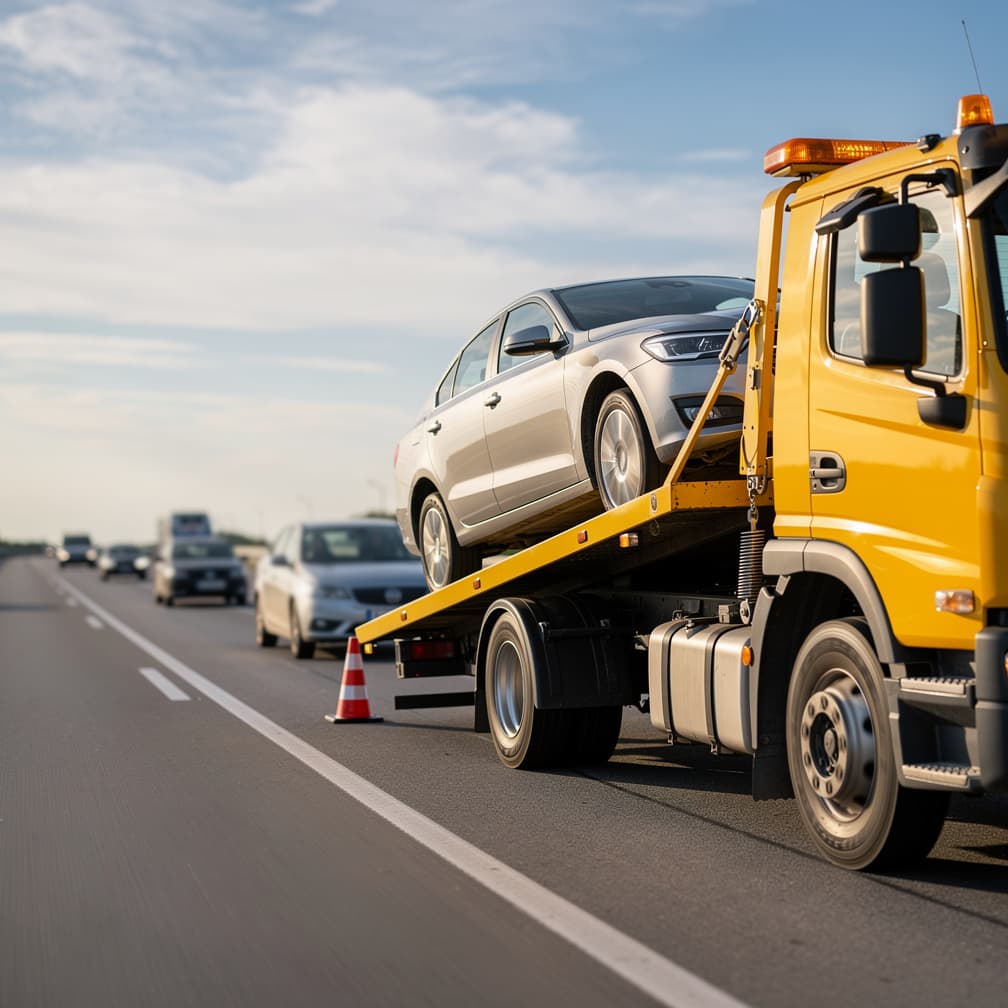
On-hook towing insurance is the part of your policy that can help cover a customer vehicle while it is attached to your truck, in transit, or being unloaded. For that reason, you should review on-hook terms around the parts of the job where disputes actually start. Think about low-clearance vehicles pulled from apartment complexes, all wheel drive units that need the right handling method, police-directed removals where the owner is not present, and after-hours drops where no one signs at delivery. A luxury sedan loaded at the wrong angle invites a bigger payout than a beater pickup hauled the same way. Rain, wind, and storm cleanup can increase emergency calls, reduce visibility, and create rushed loading conditions that turn a straightforward tow into a damage dispute.
You should also compare how your policy coordinates with the rest of your towing program. If you run storage, impounds, recovery, or dealer transport, ask where one coverage responsibility ends and another begins so a claim does not get delayed by avoidable gaps in reporting. Request specimen forms, not just a summary, before you bind.
Collision on Hook
Covers damage to towed vehicles from collisions during transport.
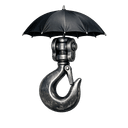
Comprehensive on Hook
Covers theft, fire, and weather damage to vehicles being towed.
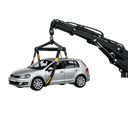
Loading & Unloading
Covers damage during the process of loading and unloading vehicles.
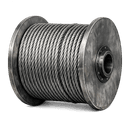
Winching Coverage
Covers damage to vehicles during winching and recovery operations.
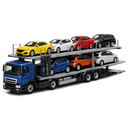
Multiple Vehicle
Covers all vehicles on multi-car carriers and rollback flatbeds.
On-Hook Towing Insurance Requirements in North Carolina
- North Carolina weather-driven towing can create disputed damage conditions, so your policy review should focus on documentation for rain, debris, flood-related disablements, and low-visibility recoveries.
- If your operation handles private property impounds or police-directed removals, review how unattended pickups and owner-absent deliveries are documented and defended after a claim.
- Mountain grades, coastal conditions, and dense urban parking environments can change loading and unloading risk, so describe your normal terrain and tow settings accurately in the submission.
- Businesses that combine towing, storage, roadside service, and recovery under one brand should map where each policy responsibility begins. When coverage boundaries are clear, a claim gets routed to the right adjuster faster instead of stalling while insurers sort out who responds.
How Much Does On-Hook Towing Insurance Cost in North Carolina?
In North Carolina, the price conversation usually starts with exposure, not a simple truck count. Underwriters want to know what kinds of vehicles you move, whether you use flatbeds or wheel-lifts, how often you handle unattended tows, and how frequently your drivers work nights, weekends, or bad-weather calls. A minor loading mistake on a base-model sedan becomes a larger dispute on a luxury SUV with active suspension.
Your service territory changes the quote too. A towing company working dense urban corridors, apartment impounds, and collision scenes may present a different risk profile from an operator focused on scheduled dealer transfers or short rural hauls. The same is true if your routes include steep grades, tight parking decks, beach communities, or storm-prone areas where recoveries become more complex and documentation becomes more important.
Vehicle mix is another major pricing driver. If your fleet includes specialty or high-value units, tell the market that up front. The equipment you use, the training your drivers have, and the way you secure and release those vehicles can all influence how a carrier evaluates your operation. Leaving that detail out often leads to a quote that looks workable until a claim tests it.
Expect the quote to reflect limits, deductibles, claims history, driver experience, dispatch controls, and whether you keep photo records for every tow. If you want a cleaner comparison, use the same operational summary for each market you approach. That gives you a better read on whether a lower premium comes from stronger fit or from narrower terms you may not want.
Request a Quote Comparison
Enter your ZIP code to compare on-hook towing insurance rates from top carriers.
Business insurance starting at $25/mo
Who Needs On-Hook Towing Insurance?
This coverage matters most for operators whose daily work creates frequent handoffs, disputed vehicle condition, or difficult loading environments. That includes companies doing police rotation work, private property impounds, apartment and retail removals, accident response, roadside assistance that turns into towing, and transport for repair shops, auctions, or dealers. When the owner is absent at pickup, your intake photos and tow tickets become the primary defense against a damage claim.
It also fits businesses that do not market themselves only as towing companies. Recovery operators, roadside service fleets, repossession businesses that move vehicles, and repair shops with their own tow units can all face the same question after damage is alleged. If your operation attaches, carries, or unloads customer vehicles, the exposure may warrant this coverage.
North Carolina operations with weather-driven surges should pay particular attention. Storm cleanup, flood-related disablements, and emergency roadside calls can push drivers into unfamiliar locations, soft shoulders, debris fields, and low-visibility conditions. Those are exactly the moments when undercarriage damage, wheel damage, or pre-existing condition disputes surface. You should also review this coverage if you are expanding, adding a truck, extending hours, taking municipal or law enforcement work, or moving into heavier vehicles.
On-Hook Towing Insurance by City in North Carolina
On-Hook Towing Insurance rates and coverage options can vary across North Carolina. Select your city below for localized information:
How to Buy On-Hook Towing Insurance
Buying well starts with a submission that shows how your operation actually runs on the road and at the lot. Begin with your truck schedule, driver list, service area, and a plain-language breakdown of your work. Then add the details underwriters use to judge claim handling quality, such as whether you take time-stamped photos, use condition reports, record drop locations, and require signatures when available.
Next, gather the contracts that can affect responsibility. Police rotation agreements, private property impound contracts, motor club work orders, dealer transport arrangements, and storage lot terms all help explain where your obligations begin and end. If your paperwork shifts from one job type to another, say so clearly. A market can only quote accurately when it understands those differences.
You should also ask direct coverage questions instead of relying on a short proposal. Request the form language or specimen wording for on-hook coverage, then compare how claims are reported, what documentation is expected, and how deductibles apply. The North Carolina Department of Insurance oversees the state's insurance market, so if a term, notice, or policy handling issue is unclear, ask for it in writing and review the policy documents carefully before you sign.
How to Save on On-Hook Towing Insurance
Documentation that matches the way your drivers actually work is the most reliable way to improve your pricing conversation. Time-stamped intake photos, wheel and body closeups, signed or recorded release procedures, dispatch notes, and clear drop documentation can all help show whether damage was pre-existing or occurred during the tow.
Driver process matters just as much as paperwork. If you want better pricing conversations, standardize how vehicles are inspected before hookup, how low-clearance units are loaded, when dollies or skates are used, and how all wheel drive vehicles are handled. A carrier is more comfortable with an operation that can explain its method than one that simply says drivers use their judgment.
You can also save by tightening your service profile before renewal. If certain jobs create repeated disputes, separate those exposures in your submission instead of blending everything together. That gives the market a clearer picture and may help you avoid paying for assumptions that do not fit your core work. Finally, review deductibles, truck assignments, and claim reporting habits. A deductible should be high enough to avoid turning every minor scrape into a filed loss, but still workable for your cash flow.
Our Recommendation for North Carolina
Buy this coverage like a claims manager, not just like a truck owner. Start by matching each truck to the work it really performs. A unit used for apartment impounds, police calls, and late-night roadside tows should not be described the same way as a flatbed doing scheduled shop transfers. If the submission blurs those differences, the quote can miss the exposure that matters most.
Next, test your paperwork against the jobs that create the most disagreement. Review your intake photos, tow tickets, dispatch logs, and release records for unattended tows, after-hours drops, and bad-weather calls. If a stranger could not reconstruct what happened from your file, improve the process before renewal.
You should also ask how your coverage fits with storage, garage, and liability policies already in force. Use the same operational summary for each market you approach so you can compare deductibles, documentation expectations, and how each policy handles the kinds of tows your drivers perform every week.
FAQ
Frequently Asked Questions
Yes. Private property impounds create some of the most common damage disputes in the state, especially when the owner is not present at pickup or release. Photo documentation, tow tickets, and clear policy terms are especially important before you rely on a quote for this work.
Weather can turn a routine tow into a disputed damage file by changing visibility, footing, and loading conditions. If you handle storm response or flood-related disablements, ask how those scenarios are documented and reviewed under your policy terms.
Buyers should provide a truck schedule, driver list, service area, contracts, and a clear breakdown of towing, impound, recovery, and transport work. Time-stamped photos and condition reports also help an underwriter understand how you manage claims.
Towing businesses often perform both, but the exposure is not the same. Scheduled dealer moves usually document handoff differently from roadside or after-hours calls, so ask for terms that reflect each service instead of one blended description.
Insurance questions fall under the North Carolina Department of Insurance. If policy wording, notices, or claim handling expectations are unclear, ask for written clarification and review the actual policy documents before binding coverage.
Businesses that move customer vehicles during repossession, roadside assistance, or transport can face the same damage allegations as a traditional tow company. If a vehicle is attached, carried, or unloaded by your unit, review the exposure carefully.
Operators often compare premium before comparing operations. If one quote assumes light scheduled towing and another assumes impounds, recovery, or night work, the cheaper option may simply reflect a narrower picture of your actual exposure.
On-hook towing insurance may cover damage to a customer vehicle while it is being loaded, attached, carried, winched, or unloaded by your tow truck, depending on the policy terms. Buyers should review collision, fire, theft, weather, and loading-related damage carefully.
Sources
- 1.North Carolina Department of Insurance(The North Carolina Department of Insurance oversees the state's insurance market.)
Updated July 16, 2026