Updated July 5, 2026

Dealer Open Lot Insurance in Grand Forks
A wind driven storm can turn a front row of sale units into a multi vehicle claim in one afternoon, especially when inventory sits fully exposed on an open lot. That is the practical reason to review dealer open lot insurance in Grand Forks with your actual storage pattern in mind, not as a checkbox on a broader dealership package. Here, the question is less whether weather exists and more how your inventory is arranged, how quickly units move, and whether overflow vehicles ever end up on a secondary lot or a less protected edge of the property. If your operation carries pickups, SUVs, or higher value used units, a single event can stack damage across many VINs at once. That changes how you should approach limits, reporting values, and any location schedule the underwriter reviews. A useful quote request starts with a current inventory count, peak seasonal values, photos of fencing and lighting, and a clear map of every place titled units are kept before sale.
Dealer Open Lot Insurance Risk Factors in Grand Forks
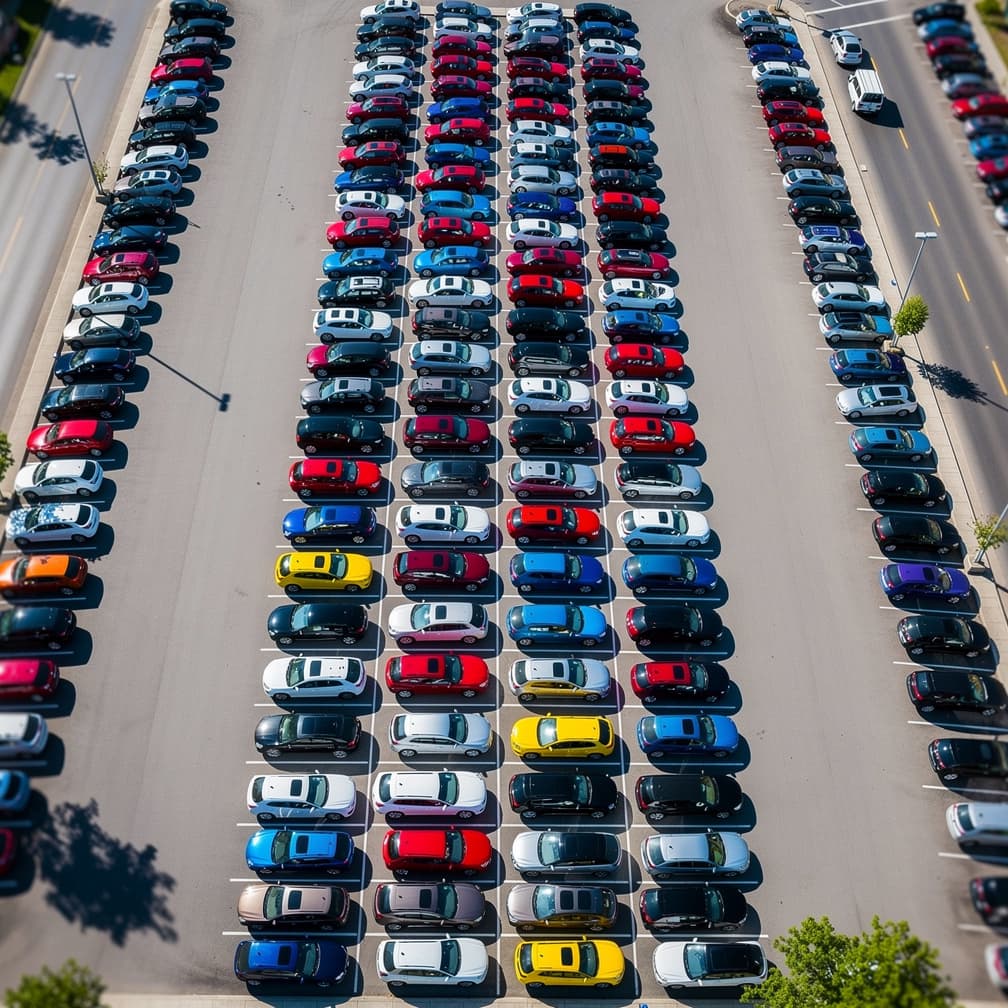
Local weather concentration is the real difference here. The state page already covers North Dakota exposure in general, but for a Grand Forks lot the buying decision usually comes down to **accumulation risk**: many vehicles parked close together, outdoors, with the same storm path affecting the entire inventory at once. That is why your lot layout matters as much as the unit mix. If overflow inventory is stored off the main frontage, or if vehicles are packed tightly during heavier sales periods, ask the agent to review whether your reported maximum values still match reality. You should also confirm how the policy treats temporary storage areas, transport between nearby locations, and any gap between book values and current sale prices. The goal is not broader wording for its own sake. It is making sure one local weather event does not leave part of your inventory schedule understated or assigned to the wrong location.
North Dakota has a high climate risk rating. Top hazards: Severe Storm (Very High), Flooding (High), Winter Storm (Very High), Tornado (High). The state's expected annual loss from natural hazards is $480M, which influences dealer open lot insurance premiums and may affect coverage availability in high-risk areas.
What Dealer Open Lot Insurance Covers
The coverage review should focus on where your inventory is most exposed during an ordinary week, not just on the main sales lot. If you keep units at a secondary storage yard, stage vehicles behind the building, rotate inventory between rooftops, or hold seasonal equipment in a separate area, those details can change how an underwriter evaluates the account and how a claim is documented later.
A useful review looks at how the policy treats vehicles stored outdoors for long stretches, units parked close together, and inventory that is moved by employees between addresses. If your operation sells pickups, work trucks, trailers, or powersports units, the mix itself can matter because values, storage methods, and handling patterns differ. A useful review also checks whether your reporting process can show when a vehicle arrived, where it was kept, and what condition it was in before any damage happened.
North Dakota buyers should also pay attention to weather-driven claim handling. If a storm affects multiple units at once, your records need to support both ownership and pre-loss condition. That makes documentation part of how you defend the claim, not just office paperwork. Ask for a line-by-line review of any exclusions, location limitations, and valuation method before you purchase, especially if inventory regularly shifts between the lot and offsite storage.
Coverage Included

Weather Damage
Covers hail, wind, flood, and storm damage to lot inventory.
Theft Protection
Covers vehicles stolen from your lot.
Fire Damage
Covers fire and explosion damage to inventory vehicles.

Vandalism
Covers intentional damage to vehicles on your lot.
Test Drive Coverage
Covers vehicles during customer and employee test drives.
Transit Coverage
Covers vehicles being moved between lot locations.
Industries & Insurance Needs in Grand Forks
County business mix can affect how quickly inventory turns and what kinds of units buyers expect to see on the lot. Grand Forks County reports 1,876 business establishments, and its leading sectors by establishment share are retail trade at 14.6%, construction at 11%, and accommodation and food services at 10.6%, so a local dealer may carry a mix that includes work trucks, commuter vehicles, and practical used inventory rather than a narrow specialty lineup. That matters for dealer open lot placement because unit type, average value, and concentration by class all shape the exposure the underwriter is pricing. If your inventory leans toward pickups or vans that serve contractors and service businesses, review peak total lot values carefully and separate any higher value units that can swing the schedule. A quote is more useful when it shows the real mix on hand, not a rough average across all vehicles.
What Makes Grand Forks Different
Weather driven accumulation is the main thing that changes the calculus here. Dealer open lot claims are rarely about one isolated vehicle if the loss starts with wind, hail, or another broad event. They are about how many units are exposed at the same time, how tightly they are parked, and whether every storage area is actually listed the way the underwriter expects. In a market where households report a median income of $63,838, buyers may shop carefully across price bands, so dealers often keep a wider spread of used inventory on hand to meet different payment comfort levels. That can create a lot with uneven values, older units mixed with newer ones, and occasional spikes in total exposure that are easy to underreport. The practical move is to review your maximum lot value, not just your average month. If your inventory changes quickly, ask whether reporting procedures or valuation assumptions need to be tightened before renewal.
Our Recommendation for Grand Forks
Start with the exposure map, not the application form. List every place sale units sit, including overflow areas, service-adjacent parking, and any offsite storage you use during heavier inventory periods. Then match each location to a realistic maximum value, supported by recent inventory reports rather than a rough estimate from last quarter. If your lot carries a broad mix of lower and higher value units, ask for a review of how losses are valued and whether any sublimits or location assumptions could matter after a storm. It is also worth checking whether your security details are described accurately, because fencing, lighting, and key control can affect how the risk is viewed even when weather is the main concern. If you want a cleaner quote comparison, send the same VIN count, peak value estimate, and location schedule to each market so you are comparing terms on the same facts.
Get Dealer Open Lot Insurance in Grand Forks
Enter your ZIP code to compare dealer open lot insurance rates from carriers in Grand Forks, ND.
Business insurance starting at $25/mo
FAQ
Frequently Asked Questions
Grand Forks dealers should send a current inventory list, peak total lot values, every storage address, and photos showing how units are parked and secured. That gives the underwriter a clearer view of accumulation risk across the property, especially if you use overflow space.
Grand Forks County has 1,876 business establishments, with retail trade, construction, and accommodation and food services leading by establishment share. That local demand can influence whether your lot carries more pickups, vans, or practical used vehicles, which can change total exposed value.
Grand Forks weather losses can hit many vehicles at once, so the policy limit needs to reflect your highest realistic accumulation, not a quiet month. If inventory swells before a sales push, review whether your reported values still match the lot.
Grand Forks households report a median income of $63,838, which can support a wider spread of vehicle price points on local lots. If your inventory ranges from basic used units to higher value trucks or SUVs, check that your limit reflects the full mix.
North Dakota dealerships often do if inventory is stored away from the main sales address. Offsite storage can change how the risk is underwritten, so list every location, explain how units move between them, and confirm the address appears on the quote.
The North Dakota Insurance Department regulates insurance in the state, so you can verify a provider's license, review complaint data, and read consumer guidance there before you decide.
A policy may cover vehicles at more than one location, but only if the submission clearly identifies them. Ask the agent to confirm each address, how inventory is split between sites, and whether any location has different conditions or restrictions.
North Dakota buyers usually get a better quote by sending a current inventory schedule, values, storage addresses, and security details up front. Include overflow areas, mixed vehicle types, and any regular movement between lots so the underwriter prices the real exposure.
Sources
- 1.U.S. Census Bureau, County Business Patterns, Grand Forks County(Grand Forks County has 1,876 business establishments.; Grand Forks County's leading sectors by establishment share are retail trade 14.6%, construction 11%, and accommodation and food services 10.6%.)
- 2.U.S. Census Bureau, ACS 5-Year Estimates, table B19013(Grand Forks households report a median income of $63,838.)
Updated July 5, 2026