Updated July 16, 2026

On-Hook Towing Insurance in Cincinnati
Your work in this market looks different than a tower running rural routes elsewhere in Ohio. The state form is the same, but you are picking up customer vehicles around dense commercial corridors, medical campuses, retail lots, and older neighborhood streets. Loading space, traffic flow, and handoff conditions change from stop to stop. Hamilton County has 21,080 business establishments, so you are likely navigating tighter lots and more commercial pickups per shift than a tower in a less concentrated market. That means your documentation and chain of custody need to stay tight on every job. If your work includes dealer moves, apartment enforcement, shop-to-shop transfers, or recoveries from crowded private lots, your quote should reflect those assignments rather than treating every tow like a simple roadside hook. You want limits and terms that account for where vehicles are attached, who releases them, how condition is photographed, and whether your drivers move between commercial and residential calls in the same day. Before you buy, line up your dispatch records, sample invoices, and the neighborhoods or property types you serve most often.
On-Hook Towing Insurance Risk Factors in Cincinnati
Cincinnati's top risk factors include Severe weather, Property crime, Flooding, and Vehicle accidents.
Ohio has a moderate climate risk rating. Top hazards: Severe Storm (High), Tornado (High), Flooding (Moderate), Winter Storm (Moderate). The state's expected annual loss from natural hazards is $1.4B, which influences on-hook towing insurance premiums and may affect coverage availability in high-risk areas.
What On-Hook Towing Insurance Covers
In Ohio, the useful question is not the basic definition of on-hook coverage. It is where your operation creates the most realistic claim scenario once a vehicle is in your care during the tow. For many towers, that exposure begins with loading and unloading on uneven pavement, narrow residential streets, parking decks, gravel lots, and crowded commercial properties. If a vehicle has low ground clearance, prior body damage, modified suspension, or limited rolling ability, the way your drivers document condition and choose equipment matters as much as the limit itself.
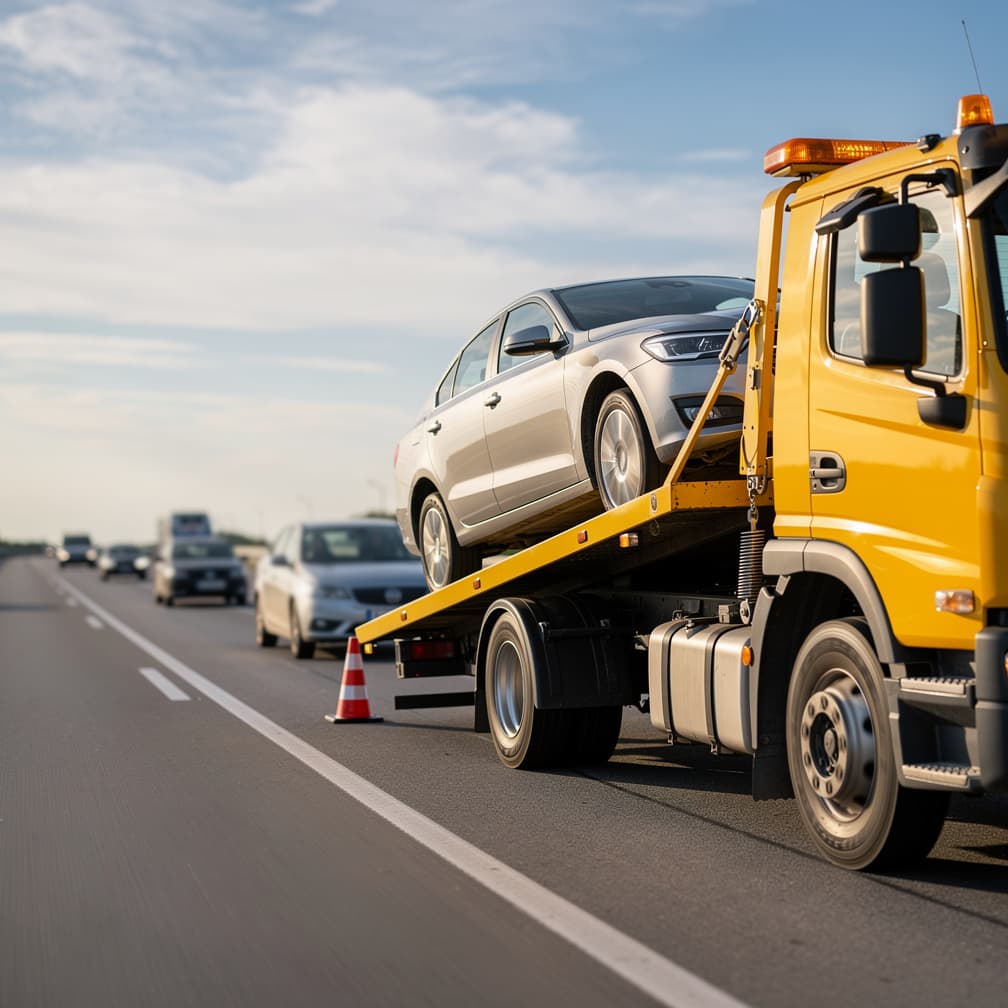
You should review how your policy terms respond to the kinds of vehicles and assignments you actually accept. A flatbed handling dealer or auction moves may need a different conversation than a wheel-lift unit taking disabled vehicles from apartment complexes, accident scenes, or private lots. If your drivers regularly winch vehicles out of ditches, mud, snow, or tight spaces, ask where the line sits between ordinary towing activity and higher-hazard recovery work. That means jobs involving steep embankments, water, heavy extrication, or unstable ground where the risk of vehicle damage or personal injury rises sharply. Crossing that line can affect whether a loss is treated as contemplated operations, meaning work the insurer understood you would be doing when the policy was issued.
Ohio weather and road conditions can also change the exposure during the same route. Rain, snow, ice, and debris increase the chance of shifting, scraping, or contact during loading and transport, especially when a vehicle already arrives damaged or inoperable. Review whether your procedures require photos before hookup, written condition notes, signed releases when available, and clear destination instructions. Those details help you match coverage to the work and defend the file if a customer later disputes when the damage happened.
Coverage Included

Collision on Hook
Covers damage to towed vehicles from collisions during transport.

Comprehensive on Hook
Covers theft, fire, and weather damage to vehicles being towed.
Loading & Unloading
Covers damage during the process of loading and unloading vehicles.
Winching Coverage
Covers damage to vehicles during winching and recovery operations.
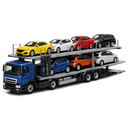
Multiple Vehicle
Covers all vehicles on multi-car carriers and rollback flatbeds.
Industries & Insurance Needs in Cincinnati
Hamilton County's business mix changes who is calling for a tow and where the handoff risk shows up. Health care and social assistance accounts for 12.3% of county establishments, retail trade 12%, and professional, scientific, and technical services 11.7%, so local towers often work around office parking, customer-facing lots, clinic properties, and time-sensitive service environments where a damaged vehicle can turn into a larger customer dispute.
That does not automatically mean higher pricing by itself. It does mean your insurer should understand whether you mainly handle private property impounds, commercial account work, dealer transfers, or overflow for repair facilities, because each assignment changes the chance of a condition dispute after loading or unloading. If your book leans commercial, ask for the quote to be reviewed with your actual property types, release procedures, photo process, and after-hours controls. A short operations summary usually helps more than a generic description like "towing services."
What Makes Cincinnati Different
What sets this market apart is the mix of businesses and managed properties packed close together. On-hook exposure is shaped less by long rural hauls and more by frequent pickups from lots, garages, curb lines, and managed properties where space is tight and the vehicle owner, property manager, shop, and dispatcher may all be different parties. That matters because many claims start as disagreements about pre-existing damage, authorization, keys, release timing, or what happened during loading and unloading. Cincinnati median household income is $51,707, roughly $14,000 below the national figure, so a customer facing a repair bill after a tow is more likely to push back on who caused the damage. The practical response is to build your quote around process discipline: timestamped photos, signed or recorded authorization, clear lot instructions, and consistent driver notes. If your current policy review does not start with how your team documents each handoff, you may be comparing the wrong options.
Our Recommendation for Cincinnati
Start with your assignment mix, not just truck count. If you rotate between apartment complexes, retail centers, repair shops, and commercial accounts, ask the agent to separate where your on-hook exposure is most likely to happen: hookup, transport, unloading, storage transition, or disputed release. For a local towing operation, review whether your file handling would stand up after a damage allegation. Keep a standard photo sequence for every pickup, note wheel position and existing body damage, record who authorized the tow, and keep dispatch timestamps tied to the invoice. If drivers work older neighborhood streets or crowded business lots, explain that in the submission because maneuvering conditions matter. You should also ask whether your policy terms fit dealer transfers, private property work, and incidental towing tied to another business operation, if that is part of your revenue. Bring loss runs, sample tow tickets, and a list of your top account types before requesting a quote.
Get On-Hook Towing Insurance in Cincinnati
Enter your ZIP code to compare on-hook towing insurance rates from carriers in Cincinnati, OH.
Business insurance starting at $25/mo
FAQ
Frequently Asked Questions
Bring dispatch logs, sample tow tickets, driver procedures, and photos of how vehicles are documented at pickup and drop-off. In Hamilton County, commercial account work and private lot assignments should be described clearly in the submission.
It can, because commercial lots create more handoff points, authorization questions, and condition disputes than a simple roadside call. Describe whether you tow for apartments, retail centers, offices, or repair shops so the policy review matches the assignment type.
More managed properties, vendor relationships, and parking enforcement situations can create more disputed handoffs. That makes documentation, release authority, and photo evidence more important when you compare on-hook options for a local towing operation.
Describe those jobs by vehicle type, frequency, who signs off, and where damage is documented. They often look routine, but the claim question usually turns on chain of custody and condition records, not just distance traveled.
Many owners depend on the vehicle involved daily, and a modest repair bill can strain a household budget in a city where typical earnings run below the national average. **Towers who keep timestamped photos, authorization records, and consistent driver notes on every assignment are better positioned when a customer disputes damage.**
Both settings carry the same core risk: once a vehicle is loaded and moving, any scratch or dent can come back to your business. Dealer transfers often involve newer cars where even minor damage draws scrutiny. Private impounds frequently involve vehicles that already have wear or prior issues, which makes pre-tow documentation especially important. Review your policy terms against each service type before taking on mixed dispatch work.
Snow, ice, rain, and poor loading surfaces can trigger more underwriting questions because those conditions raise the likelihood of shifting, scraping, or contact during hookup. Be ready to explain how your drivers handle weather-related calls, what equipment adjustments they make, and whether you decline certain jobs in bad conditions.
Provide a truck list, service breakdown, operating territory, driver information, and examples of your pickup and drop-off documentation. The more specific you are, the more accurately the quote can reflect your actual towing mix instead of a broad assumption about the whole fleet.
Sources
- 1.U.S. Census Bureau, County Business Patterns, Hamilton County(Hamilton County has 21,080 business establishments, so a towing account here often involves more vendor lots, employee parking areas, service calls, and commercial property pickups where documentation and chain of custody need to stay tight.; Health care and social assistance accounts for 12.3% of county establishments, retail trade 12%, and professional, scientific, and technical services 11.7%, so local towers often work around office parking, customer-facing lots, clinic properties, and time-sensitive service environments where a damaged vehicle can turn into a larger customer dispute.)
- 2.U.S. Census Bureau, ACS 5-Year Estimates, table B19013(Cincinnati median household income is $51,707, so for many owners a vehicle loss or damage dispute is financially significant, and small condition issues can escalate quickly if your paperwork is thin.)
Updated July 16, 2026