Updated July 16, 2026

Key Takeaways
- Review your construction contract before requesting a quote, so the named insureds and insurance responsibility match the job documents.
- Prepare the project budget, timeline, address, and scope summary before applying, so the quote reflects the work actually being built.
- Check whether the policy addresses on-site materials, transit, temporary structures, and soft costs before the first delivery arrives.
- Compare the policy term against your realistic completion schedule, then ask about extension options before the original term gets close to expiring.
- Map builders risk against your liability, installation, and equipment policies, so you avoid both coverage gaps and overlapping property insurance.
Builders Risk Insurance in Ohio
A quote request usually goes better when you start with the job file, not a rough budget. The underwriter typically wants the construction contract, project address, draw schedule, and renovation details if the structure already exists, along with a clear list of who should be protected on the policy. When you bring that package together before you shop, you cut down on revisions, avoid value mismatches, and make it easier to compare terms instead of chasing missing details.
That matters on Ohio jobs where lender requirements, owner contracts, and permit timing can all push for proof of coverage before materials are delivered or work starts. You also want to flag how the site will be secured, whether any materials are stored off site or in transit, and whether the project includes phased turnover or occupied areas during renovation. Policy forms, producer guidance, and complaint handling follow the state's insurance framework, so keep your review tied to the actual wording and the project facts. Before you request quotes, line up the contract insurance requirements with the actual construction schedule and the property values you expect to put at risk.
What Builders Risk Insurance Covers
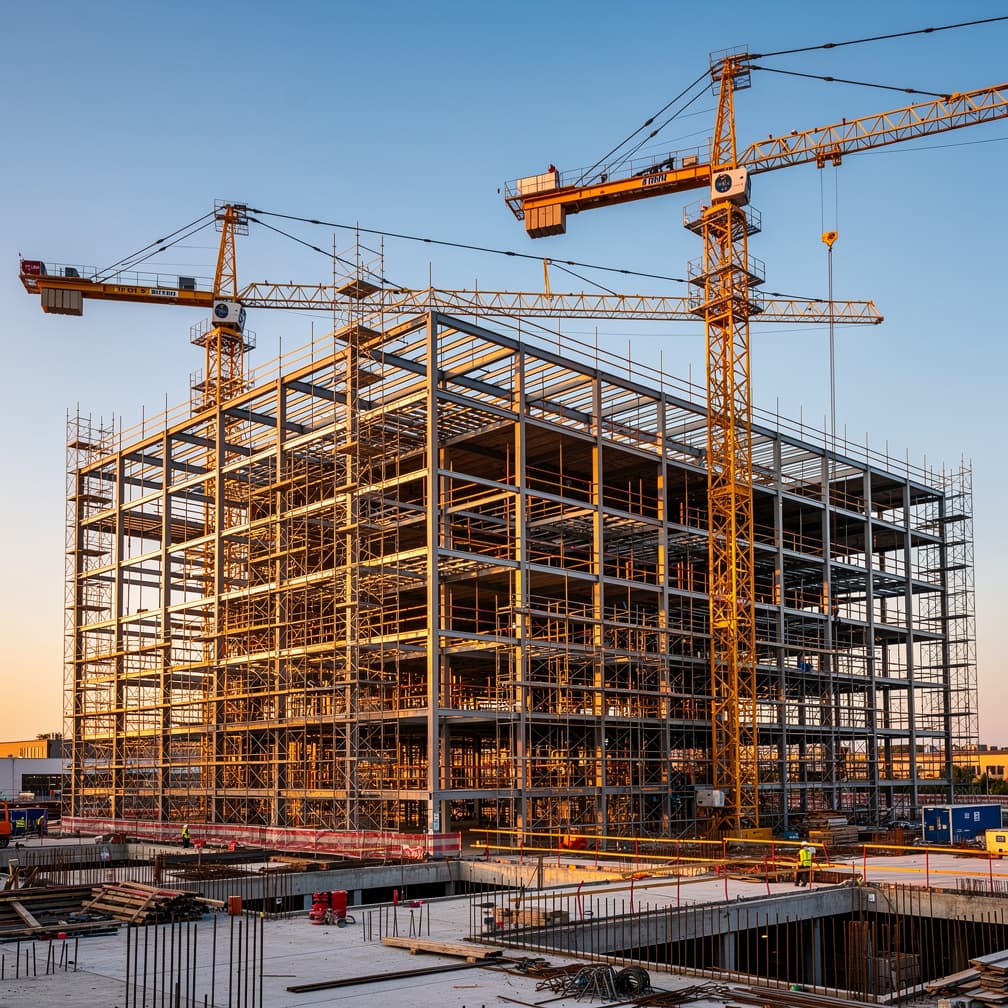
The useful review is not the broad idea of builders risk, it is the property map for your specific job. Start by separating what is already on site, what will arrive later, and what is being installed in phases. A ground-up build in a growing suburb, a tenant improvement in a downtown commercial building, and a renovation of an older structure each create different pressure points for valuation, temporary protection, and timing.
For an Ohio project, ask the agent to walk line by line through the property categories that matter to your contract and schedule. That often means checking whether the quote is built around the full completed value (the total cost to finish the project, including materials and labor), whether temporary works or site materials need to be scheduled, and whether there are sublimits or conditions for property in transit, stored away from the job site, or waiting to be installed. If your project involves partial occupancy, phased handoff, or owner-furnished materials, those details should be addressed before binding, not after a loss.
Renovation work deserves extra care. If you are improving an existing building, you need clarity on what portion of the structure is part of the insured project, what remains outside the builders risk form, and how damage to existing property is handled, if at all, under the terms offered. The same goes for soft cost exposures tied to delay, where available and appropriate for the job. Soft costs are the indirect expenses that pile up when a project runs past its deadline, things like additional loan interest, extended permit fees, or extra rent for temporary space.
The practical move is to compare quotes against the same scope checklist: structure under construction, materials on site, materials off site, transit exposures, temporary installations, and any contract-driven party that needs to be named. That is how you avoid buying a policy that fits the application but misses the way the Ohio project actually unfolds.

Structure Coverage
Covers the building or structure under construction.

Materials on Site
Covers building materials stored at the construction site.

Materials in Transit
Covers materials being transported to the job site.
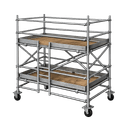
Temporary Structures
Covers scaffolding, fencing, and temporary buildings.

Soft Costs
Covers additional expenses from construction delays due to covered losses.

Equipment Coverage
Covers permanently installed fixtures and equipment.
Builders Risk Insurance Requirements in Ohio
- Renovation projects in the state often need closer review of where the insured project ends and the existing building exposure begins, especially when work happens in occupied space.
- If your contract splits responsibility among owner, tenant, and general contractor, confirm the policy structure mirrors those financial interests before binding coverage.
- Projects with staged deliveries or off-site material storage should be reviewed carefully so property is not left outside the intended builders risk setup.
- Lender-driven jobs often move faster once proof of coverage language is settled early, because certificate requests and draw conditions can otherwise delay mobilization.
How Much Does Builders Risk Insurance Cost in Ohio?
Builders risk pricing usually turns on how easy the project is to value, secure, and finish within the planned term. There is no useful shortcut if the completed value is still moving, the scope is split across change orders, or the renovation budget does not clearly separate existing structure from new work. The cleaner the submission, the easier it is to judge whether one quote is truly more competitive or simply built on narrower assumptions.
Start with the completed value and the construction timeline. If the value is understated, the quote may look attractive at first and create trouble later when claim settlement is reviewed against the actual project cost. If the term is too short for the real schedule, you may end up paying to extend coverage mid-project while trying to keep lenders, owners, or contractors aligned. In Ohio, that timing issue comes up often on jobs that depend on permit sequencing, inspections, or phased occupancy.
A straightforward new build with standard materials and a predictable schedule is usually easier to underwrite than a complex renovation with occupied space, specialty finishes, or custom components that take longer to replace. Security planning affects pricing as well. A fenced site, controlled access, documented material deliveries, and clear storage procedures can support a stronger submission than a site with loose inventory controls.
If you want a quote that is usable, send the same information to every market: contract value, hard and soft cost breakdown if needed, project duration, site protection details, renovation scope, and the exact parties that must be recognized. Then compare deductibles, covered property categories, extensions, and conditions, not just the premium line. That is usually where the real cost difference shows up on an Ohio builders risk placement.
Request a Quote Comparison
Enter your ZIP code to compare builders risk insurance rates from top carriers.
Business insurance starting at $25/mo
Who Needs Builders Risk Insurance?
In Ohio, the right question is not simply who can buy builders risk coverage, but who has money at risk while the project is still unfinished. That often starts with the property owner, but it rarely ends there. A lender may require evidence of coverage before funds are advanced. A general contractor may be responsible under the contract for arranging the policy. A developer, construction manager, or tenant improving leased space may also need to review whether they should be the named insured, an additional insured where available, or otherwise recognized in the policy structure.
This matters most on projects where responsibility is split. On an Ohio commercial renovation, for example, the owner may control the building, the tenant may pay for improvements, and the contractor may control the site day to day. If the contract language and the policy setup do not match, a claim can turn into an argument about whose property interest was actually insured. The same issue appears on residential custom builds where the owner buys materials directly or where a lender requires specific evidence before each draw.
You should also review builders risk if your project includes stored materials, long-lead items, or owner-supplied equipment that arrives before installation. Those exposures may fall outside the intended coverage if nobody identifies them during the quote process. Renovation projects with occupied areas deserve special attention because the financial stake is spread across the work in progress, the existing structure, and the schedule itself.
A practical rule for Ohio buyers is this: if your contract, loan documents, or capital investment would leave you paying to replace damaged work before completion, you should be part of the builders risk conversation before the first delivery reaches the site.
Builders Risk Insurance by City in Ohio
Builders Risk Insurance rates and coverage options can vary across Ohio. Select your city below for localized information:
How to Buy Builders Risk Insurance
In Ohio, buying builders risk efficiently means building a submission package that answers underwriting questions before they are asked. Start with the signed or near-final contract. From there, add the project address, construction description, completed value, start date, and expected completion date. If any items are unusually valuable or slow to replace, include a schedule of major materials or equipment as well. If the job is a renovation, include a clear description of the existing structure, whether any part remains occupied, and what portion of the building is being altered.
Next, match the insurance request to the contract requirements. Check who must purchase the policy, who needs to be named, whether the requirement is based on completed value, and whether any lender or owner wording must appear on certificates or other evidence of insurance. If the contract is silent or unclear, resolve that before binding. Builders risk disputes often start with assumptions that were never written down.
Then review site controls. Underwriters commonly want to know how the property will be secured, how materials will be stored, whether there is fencing or monitored access, and how water intrusion, theft, or weather-related damage will be managed during inactive periods. Those answers affect both eligibility and the quality of the terms you receive.
If you are comparing forms or trying to understand a producer's explanation of terms, keep your review grounded in the actual policy wording and the state's insurance framework. Before you bind, confirm the named insureds, covered property categories, deductible, policy term, reporting requirements if any, and the process for extending coverage if the project runs long. Then request proof of coverage that matches the contract language before the first major draw or delivery.
Request a quote through CPK Insurance to compare your options with participating licensed providers.
How to Save on Builders Risk Insurance
The strongest way to save on builders risk in Ohio is to remove uncertainty from the file. If your values are rough, the renovation scope is vague, or the project timeline ignores realistic completion steps, you usually pay for that ambiguity through narrower terms, more questions, or a less favorable premium.
Start with valuation discipline. Break out the completed value carefully, and separate existing structure value from new work where the project requires that distinction. If materials are owner furnished, custom ordered, or stored away from the site, identify them early. A complete schedule helps the underwriter understand what is actually exposed and can prevent you from paying for a policy structure that does not fit the job.
Security planning can also help. Document fencing, lighting, lockup procedures, delivery controls, and who is responsible for site checks during weekends or pauses in work. Water damage and theft often become more expensive when nobody owns the shutdown checklist. If your Ohio project will sit idle between phases, explain how the site will be monitored and protected during that gap.
You can also save by aligning the policy term with the real construction schedule. Buying too short can force an extension at the worst time. Buying too broad a term without a reason can add cost you do not need. A realistic term with a clear plan for extensions if inspections, financing, or change orders push the finish date is the goal.
Finally, compare quotes on structure, not just price. Ask for side-by-side comparisons using the same values, term, deductible, and named parties so you can see where the savings are real.
Our Recommendation for Ohio
For Ohio projects, treat the builders risk application like a construction control document, not a quick insurance form. Your best result usually comes from reconciling four items before you shop: the contract insurance clause, the draw schedule, the completed value, and the list of parties with a financial interest in the work.
If the job is a renovation, ask for special attention to existing structure issues and occupied areas. That is where buyers often assume coverage works one way while the policy terms draw a narrower line. If materials will be stored off site, shipped in stages, or purchased directly by the owner, make those facts visible in the first submission.
For Ohio buyers, I would also review the project calendar against likely delays before binding. If the policy term is optimistic on day one, you may be negotiating an extension while the site is still exposed and the lender still expects uninterrupted evidence of coverage. It is easier to set the term correctly at the start than to fix it under deadline.
Before you approve any quote, ask for a plain-language confirmation of covered property categories, deductible structure, extension process, and how the policy treats phased completion or partial occupancy. That short review catches many of the gaps that become expensive after a loss.
FAQ
Frequently Asked Questions
The Ohio Department of Insurance oversees this coverage. That matters when you are reviewing producer guidance, policy explanations, or complaint options.
Ohio renovation projects often deserve a separate builders risk review because the policy may treat new work, existing structure, and occupied areas differently. Bring the renovation scope, contract language, and value breakdown to the quote request so those lines are clear.
Ohio construction lenders often expect evidence of coverage before major funds are released. The practical step is to compare your loan documents with the construction contract early, then make sure the policy and proof of coverage match those requirements.
Quotes usually move faster when you provide the contract, project address, completed value, construction timeline, renovation details if applicable, and the list of parties with a financial interest. That gives underwriters enough detail to quote the actual job.
Ohio builders risk policies can treat off-site storage differently depending on the form and terms offered. If your project relies on staged deliveries or warehouse storage, ask for that exposure to be reviewed explicitly before you bind coverage.
Ohio builders risk naming should follow the contract and the real financial interests in the project. Owners, contractors, lenders, developers, or tenants may all need review, depending on who owns the work, funds it, or bears the loss before completion.
Ohio builders risk terms should track the real construction schedule, not the most optimistic completion date. If inspections, change orders, or phased turnover could extend the job, ask how the policy term and any extension process would work before binding.
Builders risk insurance may cover, subject to policy terms, the structure under construction, materials on site, materials in transit, temporary structures, and fixtures or equipment being installed. Depending on the policy, you can also review soft costs and delay-related coverage tied to a covered property loss.
Sources
- 1.Ohio Department of Insurance(Ohio builders risk insurance sits under the Ohio Department of Insurance.)
Updated July 16, 2026