Updated July 16, 2026

Key Takeaways
- Gather your current declarations, endorsements, loss runs, vehicle schedule, and driver list before requesting quotes so you can compare terms side by side.
- Review whether you need cargo coverage, trailer interchange, bobtail coverage, or non-trucking liability based on your dispatch pattern and contracts.
- Compare physical damage deductibles and valuation terms before renewing, especially on financed tractors, trailers, or recently added units.
- Check every broker, shipper, lender, and lease agreement against your policy endorsements so certificate wording does not hide a coverage gap.
- Start your renewal review early enough to update drivers, units, garaging, and operating radius before underwriters price the account.
Commercial Truck Insurance in Ohio
If you haul freight on I-70, run deliveries through Columbus, or move equipment between Cleveland, Toledo, and Cincinnati, your policy needs to match both your routes and your contracts. Ohio's competitive insurance market means pricing here often reflects local carrier appetite as well as your operation's risk profile. That matters because Ohio weather can affect trucking losses on the road, especially when schedules tighten around delays. For many fleets and owner-operators, the right approach is less about a single liability limit and more about aligning motor carrier liability, physical damage, cargo, and trailer interchange with the way freight actually moves here. Whether you run one truck or a small fleet, you need coverage that can scale without overbuilding the policy. The key question is not just what is included, but whether your policy fits your freight, your lanes, and your compliance obligations.
What Commercial Truck Insurance Covers
Your policy is built around the exposures that come with hauling freight on state highways, local delivery routes, and interstate lanes. The core coverages are motor carrier liability, physical damage, cargo coverage, trailer interchange, bobtail coverage, and non-trucking liability.
For interstate freight, the liability structure still has to align with FMCSA expectations. Federal minimum liability requirements apply to general freight carriers, while hazardous materials may require higher limits. Ohio's commercial auto minimum applies to vehicles subject to state auto rules, but shipper and broker contracts can exceed those minimums.
Endorsements let you tailor your policy to Ohio-specific route exposure, which changes quickly with seasonal weather. Physical damage may help address repair or replacement costs after a collision or other covered loss, while cargo insurance may cover freight in transit. Bobtail coverage and non-trucking liability may apply to owner-operators who lease on but are not always under dispatch. Trailer interchange may apply when you handle borrowed or exchanged trailers under contract.

Motor Carrier Liability
Can help cover injuries and property damage your truck causes to others, a coverage federal regulators require most for-hire carriers to maintain.
Physical Damage
Can help pay to repair or replace your own truck after an accident, fire, theft, or vandalism.
Cargo Coverage
May pay for damage to or theft of the freight you are hauling while it is in your care.
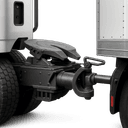
Trailer Interchange
Can help cover damage to trailers you haul under an interchange agreement but do not own.

Bobtail Coverage
May provide liability protection when you drive your tractor without a trailer attached, such as after dropping off a load.

Non-Trucking Liability
Can help cover accidents that happen when you use your truck for personal errands rather than dispatched work.
Commercial Truck Insurance Requirements in Ohio
- Ohio Department of Insurance regulates the market; policy terms and endorsements still vary by carrier.
- Ohio commercial auto minimums are $25,000/$50,000/$25,000, but interstate freight may also need FMCSA-aligned liability limits.
- Cargo, trailer interchange, bobtail, and non-trucking liability are optional coverages that must be added based on how the truck is actually used.
- Coverage requirements may vary by industry and business size, so a local delivery truck and a regional fleet may need different limits.
How Much Does Commercial Truck Insurance Cost in Ohio?
Average Cost in Ohio
$340 - $850
per month
Businesses in Ohio typically see commercial truck insurance premiums of $340 - $850 per month, which tends to run 22% below the national range of $400 - $1,125 per month.
- Radius of operation
- Commodities hauled and cargo value
- Number and value of power units
- Driver motor vehicle records and CDL experience
- DOT safety record, inspections, and FMCSA scores
- Liability limits and physical damage deductibles
Contact CPK Insurance for a personalized quote.
Ohio's competitive market can create meaningful differences between quotes for the same operation.
Several Ohio-specific factors can move pricing up or down. The state has a moderate overall risk profile, but weather events can create loss potential. Carriers think carefully about route and garage exposure when assessing risk. Dense traffic conditions can feed into liability and physical damage pricing. The state also has uninsured drivers on the road, which raises the odds of an accident where the other party cannot pay.
Your quote will also reflect claims history, coverage limits, deductibles, endorsements, and the type of freight you haul. Carriers will usually want unit details, VINs, garaging locations, driver records, and hauling radius before quoting.
How Ohio compares with the national baseline
Uninsured drivers
12.4% vs 11.6% baseline
About 12.4% of Ohio drivers are estimated to be uninsured, above the 11.6% average across states.
Fatal crashes per 100 million miles
1.18 vs 1.33 baseline
Ohio sees about 1.18 fatal crashes per 100 million miles driven, below the national average of 1.33.
Blue bar: Ohio. Gray line: national baseline.
Prices shown are general estimates, not guaranteed rates or quotes. Your actual premium will depend on the insurer, coverage selected, business details, location, claims history, and other underwriting factors. Learn about our pricing methodology.
Request a Quote Comparison
Enter your ZIP code to compare commercial truck insurance rates from top carriers.
Business insurance starting at $25/mo
Who Needs Commercial Truck Insurance?
Owner-operators, small fleets, and larger trucking companies that move freight inside the state or across state lines all need this coverage. Ohio's large business and manufacturing base creates steady demand for freight movement between plants, warehouses, distribution centers, and retail locations. If you haul manufactured goods, retail inventory, refrigerated products, or construction materials, your policy may need a different balance of liability, cargo, and physical damage.
Owner-operators who lease onto a motor carrier often need to understand when bobtail coverage and non-trucking liability apply, because those coverages address different operating periods than dispatch-based liability. Regional fleets serving Columbus, Cleveland, Cincinnati, Toledo, and Dayton may need broader cargo and trailer interchange protection if they handle multiple loads, borrowed trailers, or brokered freight. Local delivery operations may focus more on liability, physical damage, and cargo limits that match short-haul routes and frequent stops.
Ohio weather can disrupt schedules and increase the chance of damage claims, especially for trucks parked outdoors or traveling through exposed corridors. Because Ohio's commercial auto minimums are not enough for many freight contracts, businesses that want to stay eligible for shipper work often need limits above the state minimum.
Commercial Truck Insurance by City in Ohio
Commercial Truck Insurance rates and coverage options can vary across Ohio. Select your city below for localized information:
How to Buy Commercial Truck Insurance
Start by matching the policy to your operation rather than only asking for a generic quote. Ohio businesses should compare quotes from multiple carriers, and the state has a strong pool of insurers. The best application is one that clearly explains whether you run long haul, regional, or local trucking, what you haul, and whether you use owned, leased, or borrowed trailers.
A participating carrier or licensed insurance professional will usually ask for your DOT and motor carrier information, vehicle list, driver history, garaging locations, hauling radius, cargo type, and any prior claims. If you need interstate freight coverage, the policy must also line up with federal liability expectations, while Ohio's commercial auto minimum may still matter for certain vehicles or filings. If your operation involves trailer interchange, bobtail use, or non-trucking liability, ask for those endorsements early so the quote reflects the real risk.
Ohio is regulated by the Ohio Department of Insurance, so the policy form and endorsements should be explained clearly without overpromising what is covered. Request a quote through CPK Insurance to compare your options with participating licensed providers.
How to Save on Commercial Truck Insurance
The same trucking risk can produce different quotes depending on the carrier's appetite for your freight type, radius, and driver profile. Comparing multiple carriers is especially important if you haul through storm-prone or winter-exposed routes, since some insurers may price those exposures more aggressively than others.
You can also manage cost by choosing deductibles and limits carefully. Higher deductibles can lower the premium, but only if your business can absorb the out-of-pocket amount after a loss. If you do not need every endorsement on day one, avoid buying extra coverage that does not match your actual operation. A local hauler may not need the same trailer interchange structure as a carrier that regularly swaps trailers under contract.
A clean claims record can help with both liability and physical damage pricing. Accurate garaging information also matters because location is one of the pricing factors, and Ohio's weather patterns can affect how carriers view parking exposure. If you run a small fleet, bundling may help when your policy is combined with other business policies, though the exact result varies by carrier and account. Keep driver files, maintenance records, and freight details organized, because cleaner submissions tend to get faster and more accurate pricing.
Our Recommendation for Ohio
For Ohio trucking buyers, the first step is to build the policy around your freight and your operating radius. Make sure motor carrier liability is aligned with your freight contracts, and do not assume the state minimum is enough for every load. If you lease on as an owner-operator, ask specifically how bobtail coverage and non-trucking liability apply when you are off dispatch or moving the truck without a load.
If you haul valuable goods, cargo insurance should be matched to the freight type and any contractual requirements. If your route crosses storm-prone areas or you park equipment outdoors, physical damage coverage deserves close attention. Ohio's market is competitive, but the lowest quote is not always the right fit if it leaves gaps in trailer interchange, cargo, or liability.
FAQ
Frequently Asked Questions
In Ohio, it can be structured around motor carrier liability, physical damage, cargo coverage, trailer interchange, bobtail coverage, and non-trucking liability insurance, depending on how you haul and where you operate.
Ohio commercial auto minimums are listed at $25,000/$50,000/$25,000, but interstate freight may also need FMCSA-aligned liability limits, and coverage needs can vary by industry and business size.
Your actual price depends on limits, deductibles, claims history, location, endorsements, and what you haul.
Yes, if you want protection for freight in transit, because liability addresses third-party claims while cargo coverage may cover the goods you are transporting.
They may apply for times when the truck is being operated outside dispatched hauling, and the right choice depends on whether you lease on, run under dispatch, or move the truck without a load.
Ohio quotes are shaped by location, claims history, coverage limits, deductibles, endorsements, freight type, and whether your operation is local, regional, or long haul.
Most standard trucking risks can be quoted and bound within 24 to 48 hours, and certificates of insurance are typically available the same day the policy is bound.
Commercial truck insurance can be written for many working vehicles, including semis, tractor-trailers, box trucks, flatbeds, dump trucks, refrigerated units, tankers, tow trucks, and delivery vehicles. The key question is how each unit is used, who drives it, and whether trailers or cargo create added exposure.
Updated July 16, 2026