Updated July 16, 2026

Key Takeaways
- Compare quotes using the same peak inventory value, deductible, and valuation assumptions so you can see real coverage differences.
- Ask in writing how the policy handles hail, flood, theft, vandalism, and test drives before you bind coverage.
- Prepare a current inventory schedule, offsite storage list, and security summary before requesting dealer open lot insurance quotes.
- Review whether flood needs separate placement instead of assuming another policy form includes it automatically.
- Requote after security upgrades, lot layout changes, or improved claims history so pricing reflects your current risk.
Dealer Open Lot Insurance in Oklahoma
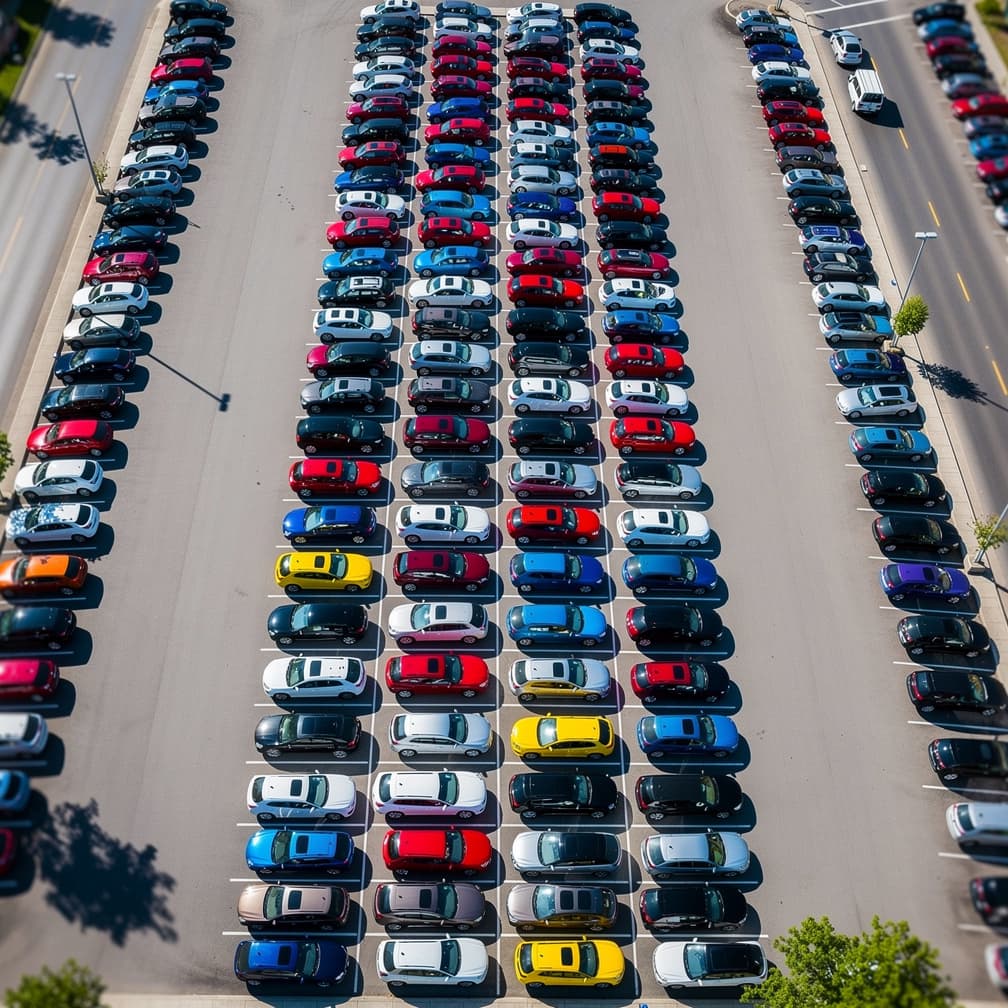
What tends to catch dealers off guard is not a missing policy, but a policy setup that does not match how your vehicles are spread across the property, moved between storage spots, and exposed to fast-changing weather. That matters in Oklahoma, where outdoor inventory can face abrupt storm shifts, hail, wind, and other severe conditions that turn a routine sales week into a concentrated loss. If you are shopping for dealer open lot insurance, the practical question is not just whether weather is contemplated, but how your lot layout, overflow storage, fencing, keys, transport routines, and peak inventory values are presented to the underwriter. A quote that treats your operation like a generic used car lot can miss the way your units are parked, how often they are repositioned, and whether higher-value vehicles sit in the most exposed rows. Review where every sale unit sleeps overnight, who controls movement, and how quickly you can document inventory after a storm event. That is usually where claim friction starts, and where better preparation pays off.
What Dealer Open Lot Insurance Covers
In Oklahoma, the useful review is less about repeating the basic causes of loss and more about checking how the policy responds to the way your inventory is staged and handled. Many dealers keep sale units in more than one area, with front-line display spaces, overflow rows, service-adjacent parking, and occasional offsite storage. If your schedule, location descriptions, or reporting method do not match that setup, you can create avoidable disputes after a loss.
Start by looking closely at where covered vehicles are kept during business hours, overnight, and during severe weather alerts. If you rotate inventory between your main lot and another storage location, ask whether each location needs to be specifically shown and how temporary movement is treated. The same review matters if units are parked tightly for merchandising, spread out for customer access, or grouped by value.
You should also review how the policy treats vehicles during ordinary dealership handling. In practice, that means checking movement around the premises, transfers between nearby storage areas, and procedures around demonstrations or test drives if those exposures touch your inventory workflow. Oklahoma weather makes documentation especially important, because a storm loss can affect many units at once. A current inventory list, dated photos, key-control records, and a clear map of where vehicles are stored can make the difference between a straightforward claim and a long reconstruction exercise.
If you are comparing forms, endorsements, or claim handling language, keep your review grounded in Oklahoma-specific policy terms and filing standards rather than assuming another state form reads the same way.

Weather Damage
Covers hail, wind, flood, and storm damage to lot inventory.
Theft Protection
Covers vehicles stolen from your lot.
Fire Damage
Covers fire and explosion damage to inventory vehicles.

Vandalism
Covers intentional damage to vehicles on your lot.
Test Drive Coverage
Covers vehicles during customer and employee test drives.
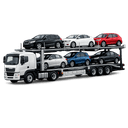
Transit Coverage
Covers vehicles being moved between lot locations.
Dealer Open Lot Insurance Requirements in Oklahoma
- Oklahoma weather makes concentrated loss a practical issue, so review whether your lot layout and storage descriptions match where vehicles actually sit during severe weather periods. If your dealership uses overflow or secondary storage, confirm those locations are addressed correctly before a claim depends on them.
- Storm response procedures matter more when inventory is outdoors, so keep written steps for moving units, prioritizing higher-value vehicles, and documenting each relocation. A well-kept submission should include current photos, unit values, and location records, because claim disputes often start with incomplete inventory documentation.
How Much Does Dealer Open Lot Insurance Cost in Oklahoma?
Dealer open lot pricing usually turns on how much total value sits outdoors at once, and how exposed that value is to a single event. The first issue is not simply how many units you carry, but the total value sitting outdoors, how often that number spikes, and whether your highest-value vehicles are clustered in the same vulnerable area. A lot that carries modest inventory most of the month and then loads up before a sales push presents a different underwriting picture than a lot with steady values and more controlled storage.
Weather exposure is another practical pricing driver in this state. If your operation leaves most inventory outside, has limited covered storage, or uses overflow space with weaker perimeter controls, underwriters will want a clearer picture of how losses could accumulate from one event. The more precisely you describe fencing, lighting, camera coverage, key procedures, drainage, and storm response, the easier it is to show that your risk is managed rather than merely accepted.
A paved, well-drained lot with organized rows, documented unit locations, and disciplined movement logs is easier to underwrite than a property where vehicles are frequently shifted without a reliable record. The same goes for offsite storage. If you use another address, even temporarily, bring that into the quote conversation early so the policy structure can be reviewed before a claim tests it.
You should expect pricing to move with limits, deductibles, inventory mix, claims history, and the quality of your records. The most useful quote is the one that matches your real peak exposure, not the one built from an average month that leaves you thin when inventory values climb.
Request a Quote Comparison
Enter your ZIP code to compare dealer open lot insurance rates from top carriers.
Business insurance starting at $25/mo
Who Needs Dealer Open Lot Insurance?
In Oklahoma, the buyers who most need a careful review are the ones whose inventory sits outside and changes shape faster than their paperwork does. That includes dealers with frequent auction purchases, seasonal inventory swings, overflow parking, or a mix of lower-value daily drivers and a smaller number of higher-value units that can distort the total exposure if they are not tracked correctly.
Independent used vehicle dealers often feel this first because they may add and move units quickly, use every available row during busy periods, and rely on nearby storage when the front lot fills up. Franchise operations can face the same issue on a larger scale if new arrivals, trade-ins, and aged inventory are spread across multiple areas. Dealers handling motorcycles, powersports units, trailers, or RV-type inventory should also review how outdoor storage and movement are described, especially if units are displayed in one place and stored in another.
You should pay particular attention if your operation does any of the following: stores sale units at more than one address, parks inventory in low-lying or highly exposed sections of the property, rotates vehicles frequently for merchandising, or has limited written procedures for keys and after-hours access. Those are the facts that shape whether a policy fits your lot and whether a claim file can be supported quickly.
Oklahoma conditions make the risk of concentrated loss a real operational issue. If one storm can affect a large share of your inventory in a single afternoon, you need a policy review built around peak values, storage patterns, and documentation discipline before the next weather event forces the issue.
Dealer Open Lot Insurance by City in Oklahoma
Dealer Open Lot Insurance rates and coverage options can vary across Oklahoma. Select your city below for localized information:
How to Buy Dealer Open Lot Insurance
To buy this coverage well in Oklahoma, build your submission around the way your inventory is exposed on an ordinary day and on your busiest day. Start with a current inventory schedule that shows unit values, where each vehicle is stored, and which locations are used for overflow. If your lot setup changes during the month, note that clearly. Underwriters need the real operating picture, not a simplified version that only fits one week of the year.
Next, prepare a property-level summary. Show fencing, gates, lighting, cameras, drainage, and any covered or enclosed storage. If vehicles are moved between addresses, explain who authorizes those moves, how they are logged, and whether keys travel with the units or stay under separate control. In Oklahoma, that operational detail matters because a weather or theft claim can quickly turn into a documentation question if records are thin.
You should also be ready to discuss storm procedures. That includes where vehicles are repositioned when severe weather is expected, whether higher-value units are prioritized for more protected areas, and how quickly your team can produce before-and-after inventory records. A carrier is not just pricing your lot. It is evaluating how manageable your claim would be after a concentrated event.
As you compare quotes, ask direct questions about location scheduling, offsite storage, reporting requirements, deductibles, and how temporary movement is treated. Then compare those answers against your actual workflow.
How to Save on Dealer Open Lot Insurance
The strongest way to save on dealer open lot insurance in Oklahoma is to reduce uncertainty in your file before an underwriter has to price it. Savings usually come from cleaner risk presentation, better controls, and fewer unanswered questions about where vehicles are kept and how losses would be documented. If your submission leaves room for guesswork, you often pay for that uncertainty.
Begin with inventory accuracy. Keep a current unit list with values, acquisition dates, and exact storage locations, then update it whenever vehicles move between your main lot and overflow space. That record does more than support claims. It shows that your operation can account for inventory consistently, which is a core underwriting concern for outdoor dealer stock.
Next, tighten physical controls that directly affect loss severity. Review fencing, gate access, lighting, camera placement, and key management. If your lot has sections that collect water or take the brunt of wind exposure, use those areas intentionally rather than parking your most valuable units there by habit. A documented storm plan can also help your quote, especially if it explains who moves vehicles, where they go, and how the moves are recorded.
Deductible strategy matters too. A higher deductible can lower premium, but only if it fits your cash flow and your tolerance for a multi-unit loss. Do not choose a deductible in isolation. Match it to the kind of event most likely to hit your lot and the number of units that could be affected at once.
Before renewing, ask for a fresh review of peak inventory values, all storage addresses, and any security upgrades completed since the last term. That is often where overlooked savings and coverage corrections show up together.
Our Recommendation for Oklahoma
For Oklahoma dealers, the most useful buying move is to treat weather concentration as a documentation problem as much as a coverage problem. The question is whether your records can prove exactly which units were on which part of the property, at which value, on the day a loss happened. If that answer is shaky, fix the process before you shop.
Map every storage area, including overflow and temporary spaces. Then match that map to your inventory reports, photos, and key-control procedures. If higher-value units are grouped together, decide whether that concentration is intentional and whether another layout would reduce the severity of a single event. Small operational changes can matter more than broad promises in a quote.
Ask each carrier or broker candidate the same Oklahoma-focused questions: how are multiple storage locations handled, what documentation is expected after a storm, how is temporary movement treated, and what changes must be reported during the policy term. Consistent questions make quote differences easier to evaluate.
Finally, review your policy before peak storm periods, not after. Update values, confirm addresses, and keep fresh lot photos on hand. That gives you a cleaner submission now and a stronger claim file later.
FAQ
Frequently Asked Questions
Your policy may help cover vehicles you keep outdoors for sale, but the coverage depends on accurately listing storage locations, following reporting rules, and documenting inventory after a storm. That means reviewing policy terms for location scheduling, temporary movement, and post-storm documentation requirements, especially if your lot uses overflow space or frequent vehicle repositioning.
Yes. You should disclose every place sale units are regularly kept, including overflow and offsite storage. That helps the underwriter evaluate the real exposure and reduces the chance of a location dispute after a storm or theft claim.
Oklahoma lots often face fast-changing severe weather, so one event can affect many vehicles at once. That makes peak inventory values, row layout, drainage, and photo documentation important parts of the buying decision, not just operational details.
Your policy may help cover inventory that moves between locations, but the setup needs to reflect that workflow. Ask how scheduled locations, temporary movement, and reporting requirements apply before you rely on a broad assumption.
Gather a current inventory list, unit values, storage addresses, lot photos, and notes on fencing, lighting, cameras, and key control. That gives the underwriter a clearer picture of your actual exposure and operations.
Oklahoma insurance regulation is handled by the Oklahoma Insurance Department. If you are comparing forms or endorsements, keep your review focused on Oklahoma filings and policy language rather than assuming another state's wording applies the same way.
Offsite storage can change how your inventory exposure is evaluated, especially if vehicles are kept there regularly. Bring those addresses into the quote process early, then confirm how each location is shown and documented.
Dealer open lot insurance nationwide is generally reviewed for damage or loss to vehicles you own for sale, including hail, wind, theft, vandalism, fire, flood, and test drive exposure, depending on your policy terms, deductibles, valuation method, and any location or off-premises limitations.
Sources
- 1.Oklahoma Insurance Department(Oklahoma insurance regulation is handled by the Oklahoma Insurance Department.)
Updated July 16, 2026