Updated July 16, 2026

Key Takeaways
- Review your construction contract before requesting a quote, so the named insureds and insurance responsibility match the job documents.
- Prepare the project budget, timeline, address, and scope summary before applying, so the quote reflects the work actually being built.
- Check whether the policy addresses on-site materials, transit, temporary structures, and soft costs before the first delivery arrives.
- Compare the policy term against your realistic completion schedule, then ask about extension options before the original term gets close to expiring.
- Map builders risk against your liability, installation, and equipment policies, so you avoid both coverage gaps and overlapping property insurance.
Builders Risk Insurance in Oregon
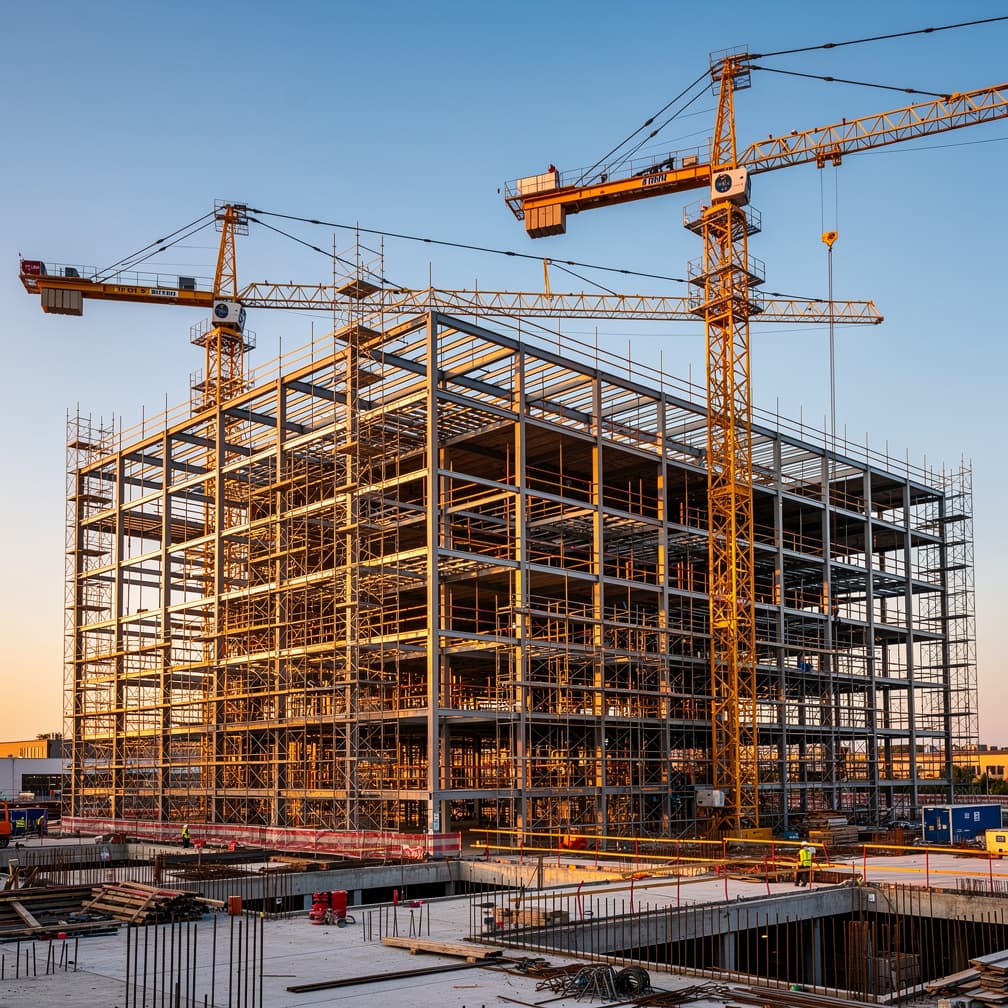
Your first job on an Oregon project is usually proving that the insurance requirement in your contract is actually satisfied, not just purchased. For many owners, lenders, and upstream contractors, that means matching the named insureds, project address, term, and valuation method to the agreement before materials are delivered or draws are released. Builders risk is usually reviewed that way: as a project document that has to line up with the deal terms and the site conditions. If your form, limit, or covered property schedule is vague, the problem often shows up only after a delay, a theft, or weather-driven damage interrupts the work.
Start by pulling the construction contract, lender requirements, and the latest statement of values into one file. Then review who must be included, what property must be scheduled, and how soft costs, temporary works, and materials in transit should be handled before you request a quote.
What Builders Risk Insurance Covers
What matters on an Oregon project is the property list and the loss scenarios that fit the way your job is staged. A ground-up project outside a major metro may store materials differently than a tight urban renovation, and that changes what you should ask to see on the quote. If key property categories are left implied instead of listed clearly, you can end up arguing about them after a loss instead of keeping the project moving.
Start with the structure and project materials, then work outward to the items that create real claim friction on Oregon jobs. That often includes materials waiting at the site, materials stored off site, and property in transit between suppliers, yards, and the project address. If your schedule involves long lead items, custom components, or phased delivery because access is limited, ask how those items are treated and whether sublimits apply. The same goes for temporary structures, scaffolding, fencing, and similar jobsite property if your contract places that responsibility on you.
Delay-related costs also deserve a direct review. If a covered loss pushes back completion, the financial pain may come from extra interest, additional general conditions, or lost rental timing rather than from the damaged materials alone. That is why many Oregon buyers ask for a line-by-line review of soft costs and delay-related options, such as additional loan interest, extended general conditions, and lost rental income, instead of assuming they are built in. You should also confirm policy wording and complaint handling with the state insurance regulator, so you know where to verify forms and raise questions before binding coverage.

Structure Coverage
Covers the building or structure under construction.

Materials on Site
Covers building materials stored at the construction site.

Materials in Transit
Covers materials being transported to the job site.
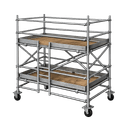
Temporary Structures
Covers scaffolding, fencing, and temporary buildings.

Soft Costs
Covers additional expenses from construction delays due to covered losses.

Equipment Coverage
Covers permanently installed fixtures and equipment.
Builders Risk Insurance Requirements in Oregon
- Oregon projects can shift quickly between coastal, mountain, and urban conditions, so site-specific weather and access details should be described clearly in the application.
- That is especially true for renovation and addition work in occupied buildings, which often needs a careful split between existing property concerns and the work being put in place.
- If your project relies on remote storage yards or staged deliveries, ask how off-site materials and transit are treated before the policy is issued.
- Projects with lender oversight should match policy documents to draw and closing requirements early, because paperwork mismatches can delay funding even when coverage is otherwise acceptable.
How Much Does Builders Risk Insurance Cost in Oregon?
For Oregon projects, the practical question is not a generic monthly price. The quote usually turns on how underwriters see the job's exposure from groundbreaking through completion, and that means the details in your submission matter. If two projects have similar completed values but different site access, storage practices, weather exposure, or renovation complexity, the pricing can move for reasons that are obvious to the underwriter and invisible on a short application. That is why a thorough submission often leads to better terms.
The most useful way to control cost is to present a clean, defensible project file. Include the current construction budget, completed value, start date, expected completion date, construction type, security plan, and a clear description of any renovation or occupied-building exposure. If materials will sit off site, if equipment deliveries are staggered, or if the project depends on a few custom components, say so early. A vague submission often gets a cautious quote, tighter terms, or follow-up questions that slow binding.
Oregon site conditions can also change how the quote is built. A project near the coast, in timber-heavy surroundings, on a steep site, or in an area with recurring water issues may need closer review of deductibles, exclusions, and covered causes of loss. That does not automatically make the policy unaffordable, but it does mean you should compare more than the total premium. Review the valuation basis, term length, extension options, and any sublimits that could matter if a loss hits late in the schedule.
Before you buy, ask for the quote to be walked back to the factors that drove it. That gives you a chance to correct values, tighten the security plan, or adjust covered property choices before the policy is issued.
Request a Quote Comparison
Enter your ZIP code to compare builders risk insurance rates from top carriers.
Business insurance starting at $25/mo
Who Needs Builders Risk Insurance?
In Oregon, the buyer is often the party the contract makes responsible. The smarter question is who has money at risk if the work in place is damaged before completion. That can include the property owner, a general contractor, a construction manager, a developer, or another party with a direct financial interest in the project. The right structure depends less on job title and more on who must insure the work, who needs to be named, and who could be delayed financially by a covered loss.
Owners often lead the purchase on new construction because they control the site and financing. Contractors may handle it when the agreement pushes project insurance obligations downstream or when they are better positioned to coordinate values, schedules, and subcontractor responsibilities. On tenant improvement work, major renovations, and additions to occupied buildings, the answer can be less obvious. Existing property, tenant property, and work in place can overlap, so the insurance review should separate what belongs under builders risk from what belongs under other property forms.
Lenders and project partners also shape who needs the policy. If loan documents require evidence of coverage before funds are advanced, the practical buyer is the party that can satisfy those documentation requirements without delay. If multiple entities need to be recognized, that should be settled before the application goes out, not after a binder is requested. This coverage is especially worth reviewing for projects with weather-sensitive materials, phased construction, remote storage, or renovation work where a loss can interrupt both construction and ongoing operations.
Builders Risk Insurance by City in Oregon
Builders Risk Insurance rates and coverage options can vary across Oregon. Select your city below for localized information:
How to Buy Builders Risk Insurance
Buying correctly in Oregon starts with document control. Pull the construction contract, any owner-contractor exhibits, lender insurance requirements, the project budget, and the latest schedule. Then mark the clauses that assign responsibility for insuring the work, require specific parties to be included, or call for evidence before mobilization, delivery, or funding. That step usually resolves more problems than shopping forms too early.
Next, build the submission around the actual job instead of a short summary. Include the project address, scope of work, completed value, start and completion dates, construction type, renovation details if any, occupancy status, and where materials will be stored before installation. If the project has unusual exposures such as difficult access, custom fabricated components, or a phased turnover plan, describe them plainly. Underwriters price uncertainty, so clarity can improve both terms and speed.
Then review the quote for alignment, not just price. Check the named insureds, mortgagee or lender wording if required, project description, covered property categories, term, and any extension process. Ask whether soft costs, temporary structures, transit, and off-site storage are included, excluded, or limited. If the project sits in an area where weather or site conditions can interrupt work, ask how deductibles and covered causes of loss apply in practice.
Before binding, compare the certificate request against the policy details one more time. A mismatch between the contract and the issued documents can hold up a closing, a draw, or site access. Request a quote through CPK Insurance to get matched with participating licensed providers.
How to Save on Builders Risk Insurance
Saving money on an Oregon builders risk policy usually comes from reducing uncertainty and avoidable loss potential, not from stripping out useful coverage. Start with the statement of values. If completed value, materials, and soft cost assumptions are inconsistent across the budget, contract, and application, the quote often comes back conservatively. A clean set of numbers gives the underwriter less reason to pad for unknowns.
Security and site management can also affect how the risk is viewed. If the job will have fenced storage, controlled access, lighting, water shutoff procedures, and documented checks after storms or idle periods, include that in the submission. The same applies if materials are delivered closer to installation dates instead of sitting exposed for long periods. Those details help show that the project is being managed, not just insured.
Another way to save is to buy the right scope the first time. Oregon projects often involve moving materials between suppliers, yards, and the site, or storing items off site until access opens up. If those exposures matter and are not addressed up front, you may end up paying later through endorsements, delays, or uncovered disputes. It is usually more efficient to identify them early and compare quotes on equal terms.
You can also reduce wasted premium by matching the policy term to the real schedule and understanding how extensions are handled. If the timeline is optimistic on paper but unlikely in practice, ask about extension mechanics before binding. That can help you avoid higher costs and coverage gaps if the original term no longer fits the job.
Our Recommendation for Oregon
For Oregon projects, treat the insurance review as part of preconstruction, not as a last-minute certificate task. Start with the contract language and make a checklist of every party, property category, and documentation item the agreement requires. Then compare that checklist against the quote line by line. That is the fastest way to catch missing insureds, incomplete project descriptions, or soft cost assumptions that do not match the deal.
Pay extra attention to how the job is staged. If materials will be stored off site, delivered in phases, or exposed to weather before enclosure, ask for those exposures to be addressed directly instead of assumed. Renovation work deserves the same discipline. Separate existing property issues from work-in-place issues so you are not relying on the wrong policy after a loss.
Ask one practical question before binding: what part of this project would create the biggest uninsured delay if it were damaged tomorrow? The answer usually points to the endorsement, sublimit, or valuation issue that needs another look. Once the quote matches the contract and the jobsite reality, request the certificate package early so funding, access, and mobilization are not held up by paperwork.
FAQ
Frequently Asked Questions
Oregon projects usually follow the contract first. The buyer is often the owner or contractor named as responsible for insuring the work, and you should verify policy wording and documentation requirements before binding if anything is unclear.
Oregon lenders often care less about a generic certificate and more about whether the policy matches the loan and construction documents. You should confirm named parties, project address, term, and valuation method before expecting draws or closing documents to move smoothly.
Oregon renovation quotes are easiest to compare when each carrier reviews the same scope, completed value, occupancy status, and storage plan. Ask each quote to show how work in place, temporary property, and delay-related costs are treated before choosing on price.
Oregon policies can treat off-site materials differently, so you should ask directly whether stored materials are included, limited, or excluded. That matters if your project uses remote yards, supplier storage, or phased delivery because access at the site is tight.
Oregon submissions move faster when you send the contract insurance requirements, project budget, statement of values, timeline, and a clear description of storage and transit plans together. That gives the underwriter a complete picture of the job instead of a rough outline.
Oregon buyers should review soft costs carefully because a covered loss can create financing, scheduling, and reopening expenses that outlast the physical repair. Ask for those items to be shown clearly rather than assuming they are built into the base form.
Oregon buyers can check with the state insurance regulator when they need to verify policy information, complaint channels, or consumer guidance. That is a practical step if wording, documentation, or form handling becomes a sticking point.
Builders risk insurance may cover, subject to policy terms, the structure under construction, materials on site, materials in transit, temporary structures, and fixtures or equipment being installed. Depending on the policy, you can also review soft costs and delay-related coverage tied to a covered property loss.
Sources
- 1.Oregon Division of Financial Regulation(You should also confirm policy wording and complaint handling with the state insurance regulator, so you know where to verify forms and raise questions before binding coverage.)
Updated July 16, 2026