Updated July 16, 2026

Key Takeaways
- List every towing and transport service you perform before requesting quotes, so loading, unloading, winching, and recovery exposures are reviewed correctly.
- Compare the on-hook limit, deductible, valuation method, and exclusions side by side instead of choosing a policy on premium alone.
- Ask in writing whether your policy addresses the specific vehicles you tow most often, especially specialty, modified, low-clearance, or higher-value units.
- Use pre-tow photos, condition notes, and signed release procedures on every job to reduce disputes and support claims handling.
- Review on-hook coverage together with auto liability and any garagekeepers coverage before renewal to catch gaps between transport and storage.
On-Hook Towing Insurance in Oregon
The decision to buy or review on-hook towing insurance usually lands when your towing operation changes shape. You might add a truck, take on police rotation work, start handling more mountain or coastal calls, or sign a storage, dealer, or municipal account that expects tighter proof of coverage. Oregon terrain and traffic patterns shape what an underwriter reviews before putting terms on vehicles in your care, so the specifics of where and how you run matter from the first quote. If you are shopping for this coverage, the useful question is not just how much limit to buy but which parts of your day create the biggest chance of damage while a vehicle is attached, winched, loaded, carried, or set down.
A Portland operator dealing with dense traffic and parking structures presents a different risk picture than a company handling winter passes, rural recoveries, or wet shoulder work near the coast. Oregon also brings weather and terrain issues that can turn a routine tow into a harder claim to document. Before you request quotes, line up your truck list, service mix, towing radius, driver roster, and the kinds of vehicles you move most often.
What On-Hook Towing Insurance Covers
In Oregon, the practical review is less about repeating the basic definition of on-hook coverage and more about matching policy language to the jobs that create disputes after a loss. You want to see how the policy responds during roadside pickups on narrow shoulders, apartment and garage removals in tighter urban areas, dealer transfers, private property impounds, and recovery work where a vehicle may already be damaged before your driver touches it. Those details affect how a claim is argued, especially when the customer says the damage happened during loading or unloading and your photos need to show prior condition clearly.
Terrain and weather matter here. Wet pavement, steep grades, forest roads, coastal exposure, and winter conditions can all change how a vehicle is secured and how much room a driver has to work. That does not automatically change what the policy is called, but it should change what you ask about. Review whether your quoted terms fit wheel-lift work, flatbed transport, low-clearance vehicles, motorcycles, heavier pickups, and vehicles with modified suspensions or body kits if those show up in your book.
You should also compare the policy against your dispatch reality. If one truck handles routine roadside calls during the day and impounds or recovery after hours, ask the agent to confirm that the operation described to underwriting matches that mix. If your drivers cross state lines or pick up vehicles from auction, repair, storage, or law enforcement locations, say so up front. The goal is simple: make sure the covered towing activity described in the quote lines up with the way your trucks actually work this week, not the way the business looked a year ago.
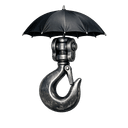
Collision on Hook
Covers damage to towed vehicles from collisions during transport.
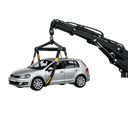
Comprehensive on Hook
Covers theft, fire, and weather damage to vehicles being towed.
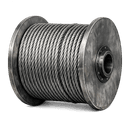
Loading & Unloading
Covers damage during the process of loading and unloading vehicles.
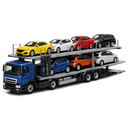
Winching Coverage
Covers damage to vehicles during winching and recovery operations.
Multiple Vehicle
Covers all vehicles on multi-car carriers and rollback flatbeds.
On-Hook Towing Insurance Requirements in Oregon
- Oregon terrain can change securement and loading conditions quickly, so your quoted operations should match whether you handle city garages, mountain grades, rural shoulders, or coastal routes.
- If your business mixes private property impounds, roadside calls, and recovery work, describe each service separately so the policy is reviewed against the actual claim scenarios you create.
- Wet weather and pre-existing vehicle damage make photo documentation especially important in Oregon, because many disputes turn on what the vehicle looked like before hookup.
- Cross-border towing and auction, repair, or storage pickups should be disclosed up front so the policy description matches where your trucks actually take custody of vehicles.
How Much Does On-Hook Towing Insurance Cost in Oregon?
For Oregon towing operators, on-hook pricing usually turns on exposure details that can make one claim much more expensive than another. Underwriters look at the vehicles you tow, the equipment you use, where the trucks operate, and how often your jobs involve difficult loading conditions. A flatbed focused on planned dealer or shop transfers is usually presented differently from a unit taking late-night roadside calls, private property impounds, and recovery assignments across mixed terrain. If your routes include mountain grades, wet rural roads, coastal weather, or dense city traffic, say that early so the quote reflects the real operating environment.
The mix of vehicles you tow matters as much as your requested limit. If you regularly move newer SUVs, electric vehicles, luxury models, lifted pickups, or low-clearance cars, the potential severity of a damage claim can change. The same is true if you handle motorcycles, auction units with unknown prior damage, or vehicles pulled from ditches, parking decks, or tight alleys. A clean submission should spell out those patterns instead of leaving the underwriter to guess.
Operational controls also affect what you are offered. Expect questions about driver experience, MVR review, securement procedures, pre-tow photos, dispatch records, and whether you separate routine towing from higher-hazard recovery work in your paperwork. If you have more than one truck, list each unit by use rather than treating the fleet as interchangeable. Oregon weather and road conditions can make documentation more important, not less, because a claim often turns on whether the file shows what the vehicle looked like before hookup and how it was handled during the tow. Ask for quote options with different limits and deductibles, then compare them against the value of the vehicles you most often move.
Request a Quote Comparison
Enter your ZIP code to compare on-hook towing insurance rates from top carriers.
Business insurance starting at $25/mo
Who Needs On-Hook Towing Insurance?
In Oregon, this coverage deserves a close look if your business takes custody of vehicles in ways that create a real chance of damage during the tow itself. That includes traditional towing companies, but the state-specific question is how your work is sourced and where it happens. If you rotate between roadside assistance, private property impounds, body shop transfers, auction pickups, dealer moves, repossessions, and recovery calls, your exposure can shift by day and by driver. A quote should reflect that operating mix rather than assuming every job looks the same.
You likely need a review if your trucks work in Portland or other dense urban areas where tight access, garages, traffic, and curbside loading increase the chance of contact damage. The same goes for operators serving mountain corridors, rural highways, logging or farm access roads, and coastal routes where weather, grade, and shoulder conditions can complicate loading and unloading. If your company advertises transport, roadside service, recovery, or impound work under different labels, do not assume the insurance application will sort that out on its own. Spell out each service.
This also matters for businesses that are not pure towing companies on paper. Repair shops with a rollback, salvage operators, transport businesses that occasionally recover disabled vehicles, and contractors moving customer vehicles as part of another service can all create on-hook exposure. If a customer vehicle is attached to your truck and your business could be blamed for damage, you should ask for a policy review. Oregon oversight comes through the Division of Financial Regulation, which handles insurer licensing and consumer complaints. If you are comparing forms or complaint handling standards, that office is your reference point for verifying whether a carrier is in good standing before you review terms and exclusions.
On-Hook Towing Insurance by City in Oregon
On-Hook Towing Insurance rates and coverage options can vary across Oregon. Select your city below for localized information:
How to Buy On-Hook Towing Insurance
Buying this coverage in Oregon goes faster when you build the submission around your actual dispatch board. Start with a current equipment schedule and identify which trucks do flatbed transport, wheel-lift towing, impounds, recovery, or mixed service. Then add the operating territory for each unit. A truck running mixed terrain across the state in a single month presents a different risk profile than one staying within a single metro area. If you use subcontractutors, after-hours rotation, or seasonal drivers, include that too.
Next, organize the evidence an underwriter and a future claims adjuster both want to see. Pull sample dispatch tickets, driver lists, MVR review practices, securement procedures, and your photo process for documenting pre-existing damage before hookup. In Oregon, that documentation matters because weather, mud, low light, and roadside conditions can make it harder to prove what happened if the file is thin. If you tow for apartments, municipalities, law enforcement, repair shops, auctions, or fleets, gather the contract requirements that mention limits, certificates, or additional insured requests so the quote can be built to the job.
Then request quotes with enough detail to compare terms, not just premiums. Ask how the policy describes covered towing operations, whether your higher-hazard work was disclosed, what deductibles apply, and how claims involving prior damage are handled. If your business has changed recently, say exactly what changed: new truck, new territory, heavier vehicles, more impounds, or more recovery work. The best buying move is to spell out exactly what each truck does before binding, because vague operations descriptions often become coverage disputes later.
Request a quote through CPK Insurance to compare your options with participating licensed providers.
How to Save on On-Hook Towing Insurance
The strongest way to lower your long-term cost in Oregon is to make your operation easier to underwrite and easier to defend when a customer disputes damage. Start with a repeatable intake routine. Every driver should capture pre-tow photos from consistent angles, note existing damage on the ticket, and record where the vehicle was picked up, how it was secured, and where it was delivered. On wet roads, gravel shoulders, forest access routes, and low-light calls, that discipline matters because memory alone rarely wins a claim file.
You can also save by separating exposures clearly. Underwriters price uncertainty, so a cleaner description can help you avoid paying for assumptions that do not fit your day-to-day operation. If your most experienced operators handle the hardest recoveries, document that practice.
Review your deductible against your cash flow, not just your preference. A higher deductible can reduce premium, but only if you can absorb it without delaying repairs or claim response. Keep MVR reviews current, train on securement for the vehicle types you actually tow, and update the insurer when your territory or service mix changes. In Oregon, seasonal weather shifts can change claim patterns quickly, so a stale application can cost you more than a careful midterm review. Before renewal, compare your loss runs against dispatch records and remove any mismatch in how the business is described.
Our Recommendation for Oregon
For Oregon towing operators, the buying decision usually comes down to matching the policy to geography and job mix before a claim tests the wording. Review your book of business by lane: metro towing, mountain corridors, rural recovery, coastal service, dealer transfers, and impounds. If those lanes create different loading conditions or different vehicle values, ask for that to be reflected in the submission instead of using one broad description.
Pay special attention to documentation standards. In this state, weather and terrain can turn a simple hookup into a disputed damage file, especially when the vehicle already has prior damage or the pickup happens on a narrow shoulder, steep grade, or unpaved surface. Require timestamped photos, condition notes, and clear dispatch records on every call, not just the difficult ones.
Before binding, compare deductibles and limits against the vehicles you actually move most often. Then test the quote against real jobs from the last month. If the policy description would not make sense to a claims adjuster reading those tickets, revise the application now. That is usually the cleanest way to avoid paying for the wrong risk profile or discovering a gap after a customer vehicle is already on your truck.
FAQ
Frequently Asked Questions
Towing companies buy it by presenting a clear picture of each truck, service type, and operating territory. That means showing whether you handle metro towing, mountain routes, coastal calls, impounds, or recovery so the quote matches the work. The more specific you are about which trucks run which lanes, the more accurate the pricing tends to be.
Operators should make route conditions part of the application. Mountain grades, wet roads, rural shoulders, and coastal weather can change loading and securement conditions, so the insurer should review where your trucks actually run. A policy built around flat metro streets may not reflect what your drivers face on a winter pass or a gravel forest road.
Insurers need your truck list, driver roster, service mix, towing radius, and the kinds of vehicles you move most often. Include whether you do impounds, recovery, dealer transfers, or cross-border work so the submission is accurate. Leaving details out to save time usually leads to a quote that does not hold up when a claim hits.
Towing risks can look very different by territory. Dense urban pickups, parking structures, and traffic create one set of damage scenarios, while rural highways and unpaved access roads create another, so your quote should reflect that difference. The same truck can produce very different claim patterns depending on where the dispatch board sends it.
Insurance complaints and consumer oversight run through the Oregon Division of Financial Regulation. That is the regulator to check when you want to understand complaint handling, policy review, or insurer conduct standards. You can also confirm whether a carrier is licensed and in good standing before you commit to a policy.
Repair shops may need it if they tow or transport customer vehicles and could be blamed for damage during the move. The label on your business matters less than whether a customer vehicle is attached to your truck. If you move cars for any reason, ask whether your garage policy fills that gap or leaves it open.
Tow operators usually improve claim defense with consistent photos, condition notes, and dispatch records. That matters even more on wet, dark, or uneven pickup locations where customers may dispute when damage happened. A clean file with timestamped images and clear condition notes gives an adjuster something concrete to work from instead of competing accounts.
On-hook towing insurance may cover damage to a customer vehicle while it is being loaded, attached, carried, winched, or unloaded by your tow truck, depending on the policy terms. Buyers should review collision, fire, theft, weather, and loading-related damage carefully.
Sources
- 1.Oregon Division of Financial Regulation(Oregon oversight comes through the Oregon Division of Financial Regulation, so if you are comparing forms or complaint handling standards, use that as your reference point while you review terms and exclusions.)
Updated July 16, 2026