Updated July 16, 2026

Car Insurance in Portland
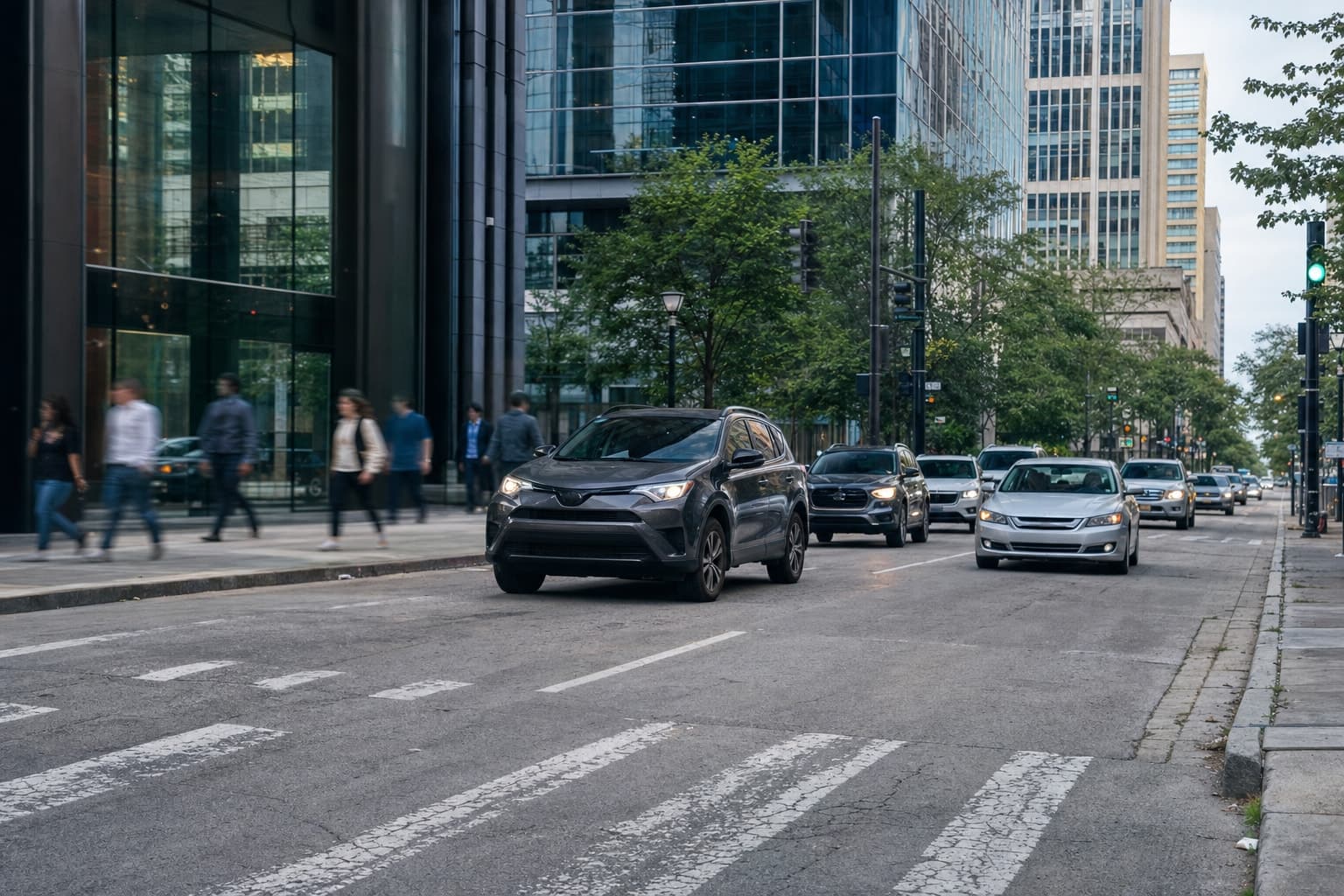
Portland changes how your car insurance actually performs compared to a statewide average. Dense neighborhood parking, short urban trips, and stop and go traffic all shape what a useful policy looks like here. Portland's median household income is $88,792, which means many households have room to weigh premium versus deductible rather than defaulting to the cheapest bill. That flexibility matters if you commute across the river or would need a rental car quickly after a claim.
Oregon has a moderate climate risk rating. Top hazards: Wildfire (Very High), Earthquake (High), Flooding (Moderate), Landslide (Moderate). The state's expected annual loss from natural hazards is $620M, which influences car insurance premiums and may affect coverage availability in high-risk areas.
What Car Insurance Covers
Car insurance coverage in Oregon is built around the same core protection types used nationwide, but the way you choose them should reflect Oregon's market, weather, and traffic patterns. Liability coverage can help pay for injuries or damage you cause to others in an auto accident. Collision coverage can help repair or replace your own vehicle after a crash. Comprehensive coverage is the part many Oregon drivers lean on for non-collision losses tied to theft, wildfire smoke or fire-related damage, severe weather, and other events that are not an impact with another vehicle.
Uninsured motorist coverage matters here because 6.8% of Oregon drivers are uninsured. That makes it important if you are hit by someone who cannot pay. Medical payments coverage can help with medical expenses after a crash. Rental reimbursement coverage can help keep you mobile while your car is being repaired.
Oregon drivers should also pay attention to policy limits and deductibles. The state is regulated by the Oregon Division of Financial Regulation, and coverage requirements may vary by industry and business size. Personal auto shoppers should still verify their policy terms carefully. If you commute through Salem, drive in the Portland metro area, travel the I-5 corridor, or park in higher-theft areas, the right mix of these coverages can make a meaningful difference after a loss.
Coverage Included

Liability
Can help pay for injuries and property damage you cause to others in an accident, coverage most states require drivers to carry.

Collision
Can help pay to repair or replace your car after a crash with another vehicle or object, regardless of fault.

Comprehensive
Typically covers damage to your car from events other than collisions, such as theft, hail, fire, flooding, or hitting an animal.

Uninsured Motorist
May pay for your injuries and, in some states, car damage when an at-fault driver has no insurance or too little.

Medical Payments
Can help cover medical bills for you and your passengers after an accident, no matter who was at fault.
Rental Reimbursement
May pay for a rental car while your vehicle is in the shop for repairs after a covered claim.
Car Insurance Cost in Portland
Average Cost in Oregon
$80 - $210
per month
In Oregon, car insurance premiums typically run $80 - $210 per month, which tends to run 15% below the national range of $110 - $230 per month.
- Driving record and age
- Vehicle make, model, and year
- Location and commute distance
- Credit-based insurance score
- Coverage limits and deductibles
Contact CPK Insurance for a personalized quote.
Prices shown are general estimates, not guaranteed rates or quotes. Your actual premium will depend on the insurer, coverage selected, personal details, location, claims history, and other underwriting factors. Learn about our pricing methodology.
For Oregon drivers, the average premium range is $80 to $210 per month, and the broader product estimate is $110 to $230 per month. Actual pricing can vary by driver profile and policy choices. Oregon's premium index is 104, which means the market is close to the national average rather than far above or below it. The final premium is shaped by the same local factors you face every day. Coverage limits, deductibles, claims history, location, and policy endorsements all play a part. A driver in Salem may see a different quote than someone near Portland, Eugene, Bend, or Medford because traffic density, parking conditions, and theft exposure can differ by area.
Oregon's 2023 crash data also helps explain pricing pressure. The state recorded heavy crash volume, 580 fatalities, and an average claim cost of $16,138, so insurers price in the possibility of expensive losses. Risk patterns can also influence how carriers view local risk. Speeding accounts for 25.2% of fatal-crash causes, running red lights or stop signs 33%, distracted driving 18.3%, and drowsy driving 12.1%. In addition, Oregon's wildfire and earthquake profile can affect comprehensive coverage decisions, especially for drivers who want broader protection for parked vehicles, weather exposure, or travel outside dense urban areas. With 380 insurers active in the state, comparing multiple quotes is especially useful because one carrier may weigh your location, deductible, and coverage bundle differently than another.
What Affects Car Insurance Rates in Portland
Portland changes the cost conversation most through household budgeting, not through a city specific filing rule. Many drivers here are in a position to compare premium savings against deductible risk instead of shopping on monthly price alone. That can change the right answer if you drive a financed vehicle, keep limited emergency savings, or would need a rental car quickly after a covered loss. In practice, ask for side by side quotes with more than one deductible and with and without optional features you may actually use. Then pressure test the out of pocket number against your real cash reserves, not your ideal budget. A lower premium can look efficient until a claim forces you to delay repairs or carry credit card debt. A higher deductible can make sense, but only if you could comfortably pay it on a bad week.
What Makes Portland Different
In many parts of the city, your vehicle spends long stretches parked on the street or in shared lots, and that changes what you should review more than any generic statewide average does. If your car sits curbside overnight, comprehensive and collision deserve a closer look than they might in a lower density setting with private garage parking. Multnomah County has 27,434 business establishments, so local streets stay busy with employees, customers, and delivery vehicles throughout the day. Your quote should be built around where you park, how often you move the car, and how disruptive even a short repair timeline would be for your household.
Our Recommendation for Portland
Start with your parking reality and build the policy around the vehicle you actually own. A newer car kept in a driveway most nights may call for different deductible choices than a daily driver parked curbside in a busy neighborhood. Multnomah County's business mix also shapes daily driving, with professional and technical services at 14.5% of establishments, health care and social assistance at 13.3%, and accommodation and food services at 11.6%. Those sectors rely heavily on shift work and service calls, so your policy should reflect the hours and routes you actually drive. Bring your garaging address, annual mileage, financing status, and current declarations page to a free quote review.
Get Car Insurance in Portland
Enter your ZIP code to compare car insurance rates from carriers in Portland, OR.
Car insurance starting at $59/mo
FAQ
Frequently Asked Questions
Portland drivers often should review more than the minimum if the car is parked curbside regularly. Street parking can make physical damage coverage and a workable deductible more important, especially if you rely on one vehicle and cannot absorb a long repair delay.
Portland households should match the deductible to real cash reserves rather than chasing the lowest premium. Side by side deductible comparisons are worth running before you renew or switch carriers, especially if a claim payment would strain your monthly budget.
They can matter because 27,434 business establishments create steady employee, customer, and delivery movement across local streets. That is a good reason to review where you drive, where you park, and whether rental reimbursement would help after a claim.
Portland commuters may find rental reimbursement worth reviewing if one car handles work, school, and errands. The right answer depends on how quickly you would need a replacement vehicle and whether your household could absorb rideshare or transit costs during repairs.
Share your commute, shift schedule, mileage, and parking setup so the quote matches actual use. Local work patterns span professional services, health care, and food service, which means driving habits vary widely from one household to the next.
In Oregon, liability coverage can help with injuries or damage you cause to others, collision coverage can help repair your car after a crash, comprehensive coverage can help with non-collision losses, and medical payments coverage can help with medical expenses after an auto accident. If you drive in Salem, Portland, Eugene, Bend, or Medford, the right mix depends on where you park, how much you drive, and how much risk you want to keep through your deductible.
Oregon car insurance is regulated by the Oregon Division of Financial Regulation, and coverage requirements may vary by driver and policy. For personal drivers, the practical step is to confirm your liability limits, uninsured motorist coverage, and any optional coverages you want before you buy, especially if you commute or drive often in higher-traffic areas.
For Oregon drivers, the average premium range is $80 to $210 per month, with broader product estimates of $110 to $230 per month. Your actual quote can vary based on coverage limits, deductibles, claims history, location, endorsements, and the insurer you choose. Comparing the same limits and deductibles across quotes is the clearest way to see what is changing the price.
Sources
- 1.U.S. Census Bureau, ACS 5-Year Estimates, table B19013(Portland's median household income is $88,792, so many households have room to make deliberate tradeoffs between premium and deductible instead of defaulting to the lowest upfront bill.)
- 2.U.S. Census Bureau, County Business Patterns, Multnomah County(Multnomah County has 27,434 business establishments, so local traffic patterns are shaped by a large daily mix of employees, customers, delivery vehicles, and service calls moving through the same streets and parking supply.; Multnomah County's business mix also matters to daily driving patterns: professional, scientific, and technical services account for 14.5% of establishments, health care and social assistance 13.3%, and accommodation and food services 11.6%, so commuting, shift work, and service traffic can all affect when and where you drive and park.)
Updated July 16, 2026